- English
- French
- German
- Portuguese
- Spanish
- Russian
- Japanese
- Korean
- Arabic
- Greek
- German
- Turkish
- Italian
- Danish
- Romanian
- Indonesian
- Czech
- Afrikaans
- Swedish
- Polish
- Basque
- Catalan
- China
- Taiwan China
- Esperanto
- Hindi
- Lao
- Albanian
- Amharic
- Armenian
- Azerbaijani
- Belarusian
- Bengali
- Bosnian
- Bulgarian
- Cebuano
- Chichewa
- Corsican
- Croatian
- Dutch
- Estonian
- Filipino
- Finnish
- Frisian
- Galician
- Georgian
- Gujarati
- Haitian
- Hausa
- Hawaiian
- Hebrew
- Hmong
- Hungarian
- Icelandic
- Igbo
- Javanese
- Kannada
- Kazakh
- Khmer
- Kurdish
- Kyrgyz
- Latin
- Latvian
- Lithuanian
- Luxembou..
- Macedonian
- Malagasy
- Malay
- Malayalam
- Maltese
- Maori
- Marathi
- Mongolian
- Burmese
- Nepali
- Norwegian
- Pashto
- Persian
- Punjabi
- Serbian
- Sesotho
- Sinhala
- Slovak
- Slovenian
- Somali
- Samoan
- Scots Gaelic
- Shona
- Sindhi
- Sundanese
- Swahili
- Tajik
- Tamil
- Telugu
- Thai
- Ukrainian
- Urdu
- Uzbek
- Vietnamese
- Welsh
- Xhosa
- Yiddish
- Yoruba
- Zulu
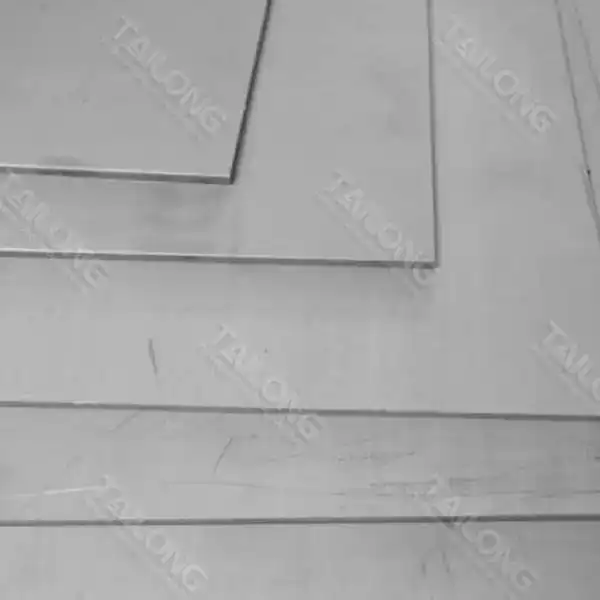
What Is a Titanium Bonded Steel Plate Made Of?
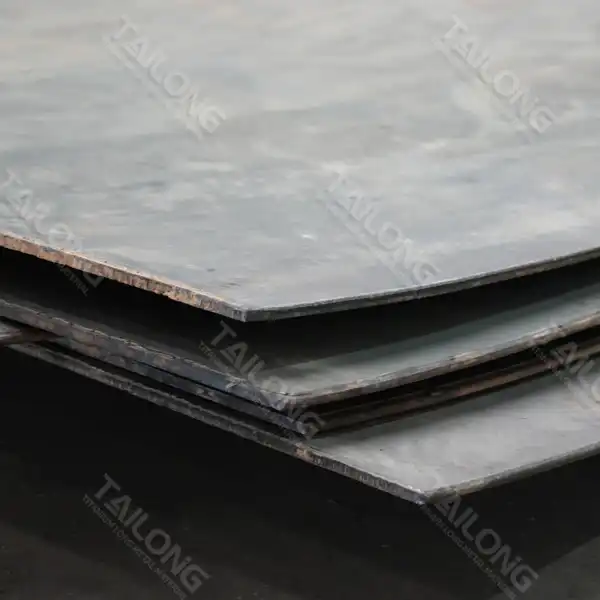
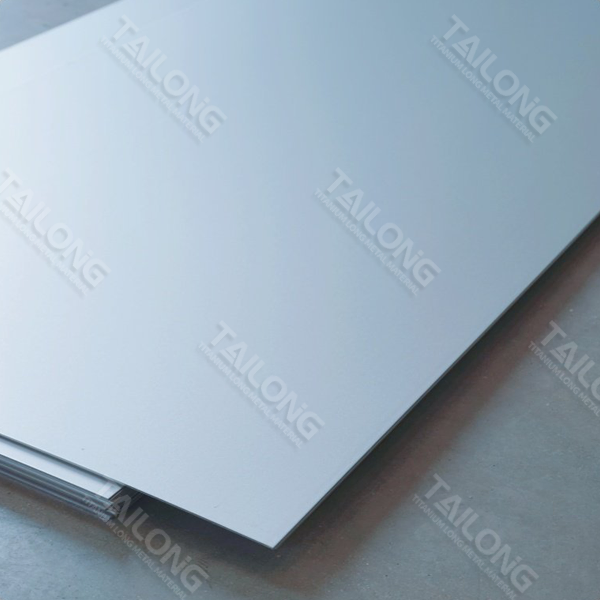
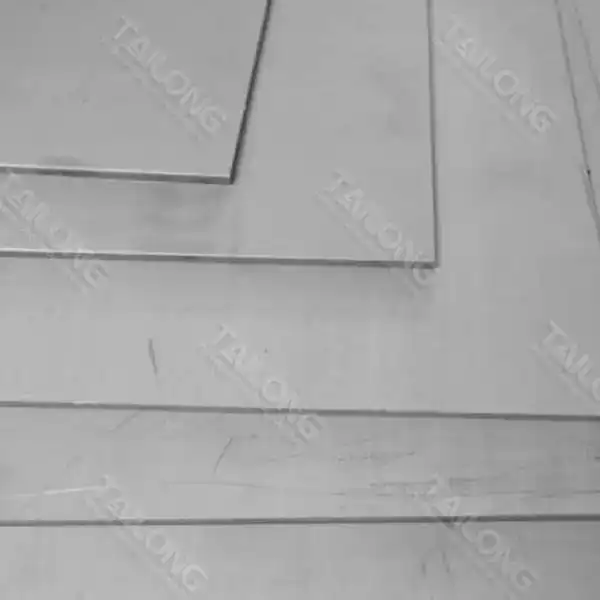
Titanium bonded steel plates are innovative composite materials that have revolutionized various industries with their exceptional properties. These plates combine the strength and durability of steel with the corrosion resistance and lightweight nature of titanium, resulting in a versatile and high-performance material. The manufacturing process involves bonding a layer of titanium to a steel substrate, creating a unique synergy between the two metals. This combination allows for the best qualities of both materials to be harnessed, offering superior strength, excellent durability, and outstanding corrosion resistance. Titanium bonded steel plates have found applications in aerospace, marine engineering, chemical processing, and other industries where extreme conditions demand materials with exceptional performance characteristics. As we delve deeper into the composition and properties of these remarkable plates, we'll uncover the reasons behind their growing popularity and explore their potential to transform various sectors.
What are the Key Components of a Titanium Bonded Steel Plate?
Steel Substrate: The Foundation of Strength
The core of a titanium bonded steel plate is the steel substrate, which provides the primary structural strength and durability. This steel base is carefully selected for its mechanical properties, typically utilizing high-grade alloy steels known for their robustness and reliability. The steel substrate contributes significantly to the overall strength of the titanium bonded steel plate, allowing it to withstand heavy loads and resist deformation under stress. The thickness and grade of the steel can be customized based on the specific application requirements, ensuring optimal performance in various industrial settings. The steel foundation also helps in maintaining the dimensional stability of the plate, which is crucial in precision engineering applications where titanium bonded steel plates are often employed.
Titanium Layer: The Shield of Protection
The titanium layer bonded to the steel substrate is the key element that elevates the performance of titanium bonded steel plates. This layer, typically composed of commercially pure titanium or titanium alloys, provides exceptional corrosion resistance and enhances the overall durability of the plate. The titanium coating acts as a protective shield, preventing oxidation and chemical attacks that would otherwise compromise the integrity of the steel. This corrosion-resistant property makes titanium bonded steel plates ideal for use in harsh environments, such as marine applications or chemical processing plants. Additionally, the titanium layer contributes to the plate's lightweight characteristics, offering a significant advantage over pure steel plates in applications where weight reduction is crucial, such as in aerospace or automotive industries.
Bonding Interface: The Critical Connection
The interface between the steel substrate and the titanium layer is a critical component of titanium bonded steel plates. This bonding zone is achieved through advanced metallurgical processes, such as explosion welding or roll bonding, which create a strong, permanent bond between the two metals. The quality of this bond is essential for the overall performance of the titanium bonded steel plate, as it ensures that the titanium layer remains firmly attached to the steel substrate under various conditions. A well-executed bonding process results in a seamless integration of the two materials, allowing for efficient load transfer and preventing delamination even under extreme stress. The strength and integrity of this bonding interface are crucial factors in determining the longevity and reliability of titanium bonded steel plates in demanding industrial applications.
How Does the Manufacturing Process of Titanium Bonded Steel Plates Work?
Surface Preparation and Cleaning
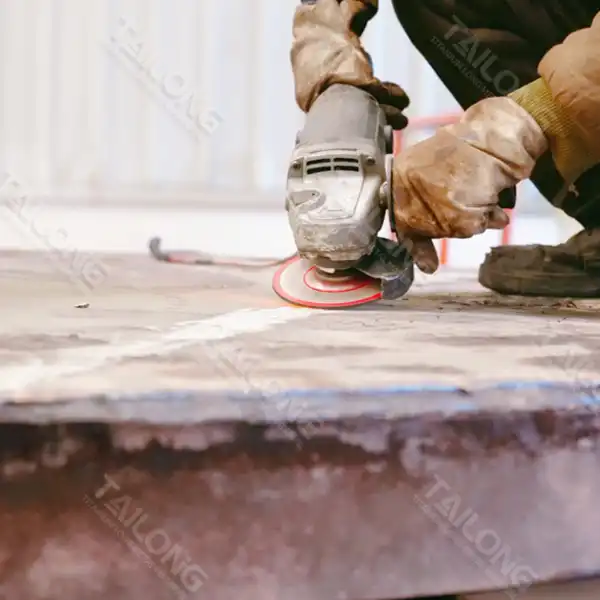
The manufacturing process of titanium bonded steel plates begins with meticulous surface preparation and cleaning of both the steel substrate and the titanium layer. This crucial step ensures optimal bonding conditions and eliminates any contaminants that could compromise the integrity of the final product. The steel surface is typically cleaned using mechanical or chemical methods to remove any oxide layers, oils, or debris. Similarly, the titanium surface is prepared to create an ideal bonding surface. This preparation may involve techniques such as grit blasting, chemical etching, or plasma treatment. The cleanliness and surface condition of both materials are critical in achieving a strong, durable bond in the titanium bonded steel plate. Proper surface preparation also contributes to the overall quality and performance of the final product, ensuring consistent properties across the entire plate.
Bonding Techniques: Explosion Welding and Roll Bonding
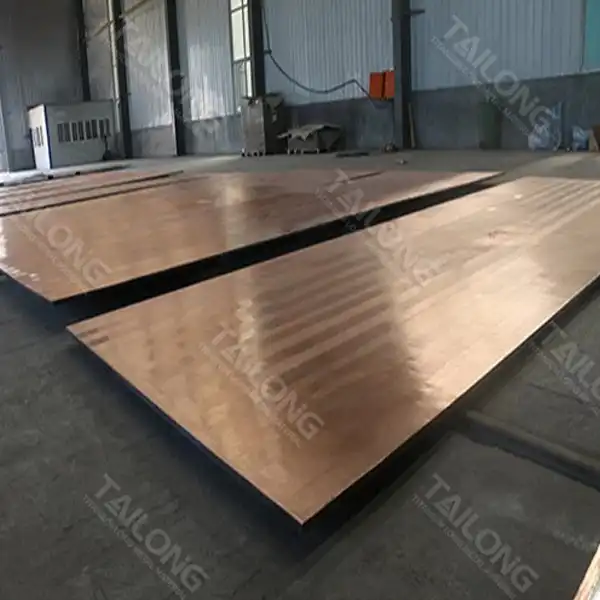
Two primary techniques are commonly used in the production of titanium bonded steel plates: explosion welding and roll bonding. Explosion welding is a solid-state process that uses controlled detonations to create a high-velocity collision between the titanium and steel layers. This collision generates intense pressure and heat at the interface, resulting in a metallurgical bond without melting the materials. The process is particularly effective for creating large titanium bonded steel plates with exceptional bond strength. Roll bonding, on the other hand, involves passing the titanium and steel layers through a series of rollers under high pressure and elevated temperatures. This process causes plastic deformation at the interface, leading to atomic diffusion and bonding between the two materials. Both techniques result in titanium bonded steel plates with superior mechanical properties and excellent corrosion resistance, suitable for a wide range of industrial applications.
Quality Control and Testing
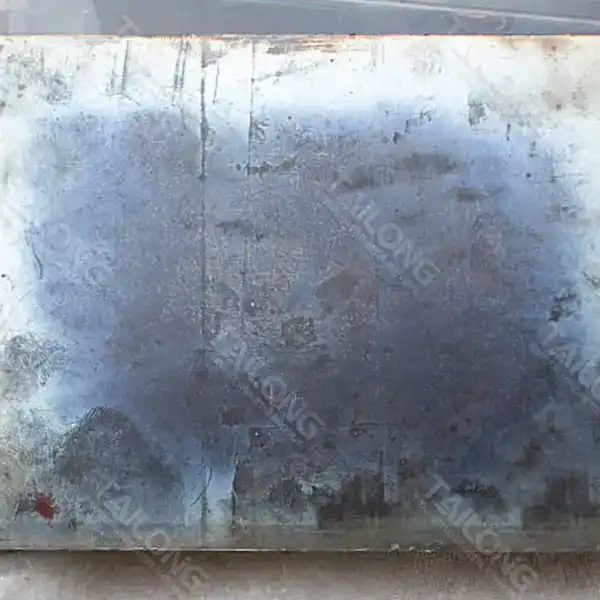
The final stage in the manufacturing process of titanium bonded steel plates involves rigorous quality control measures and comprehensive testing procedures. These steps are crucial to ensure that the finished product meets the required specifications and performance standards. Non-destructive testing methods, such as ultrasonic inspection and radiography, are employed to verify the integrity of the bond between the titanium and steel layers. Mechanical testing, including tensile and shear strength tests, is conducted to evaluate the overall strength and durability of the titanium bonded steel plate. Corrosion resistance tests are also performed to confirm the protective capabilities of the titanium layer. Additionally, dimensional checks and surface finish inspections are carried out to ensure that the plates meet the specified tolerances. This thorough quality control process guarantees that each titanium bonded steel plate leaving the production facility is of the highest quality and ready for use in demanding industrial applications.
What Are the Main Applications and Benefits of Titanium Bonded Steel Plates?
Aerospace and Aviation Industry
Titanium bonded steel plates have found significant applications in the aerospace and aviation industry due to their unique combination of properties. The lightweight nature of these plates, coupled with their high strength-to-weight ratio, makes them ideal for aircraft components where weight reduction is crucial for fuel efficiency. The corrosion resistance provided by the titanium layer protects against the harsh environmental conditions encountered during flight, including exposure to various atmospheric conditions and de-icing chemicals. Titanium bonded steel plates are often used in the construction of aircraft fuselage panels, wing components, and engine parts. Their ability to withstand high temperatures and resist fatigue makes them particularly suitable for use in jet engine components. The durability and reliability of titanium bonded steel plates contribute to the overall safety and performance of aircraft, making them an invaluable material in modern aerospace engineering.
Marine and Offshore Applications
The marine and offshore industries heavily rely on titanium bonded steel plates for their exceptional corrosion resistance in saltwater environments. These plates are extensively used in shipbuilding, offshore platforms, and underwater structures where exposure to seawater and harsh marine conditions is constant. The titanium layer provides superior protection against saltwater corrosion, extending the lifespan of marine structures and reducing maintenance costs. Titanium bonded steel plates are often employed in the construction of ship hulls, propeller shafts, and offshore oil and gas platforms. Their resistance to cavitation erosion makes them ideal for marine propulsion systems and other underwater applications. The combination of strength from the steel substrate and corrosion resistance from the titanium layer ensures that structures built with these plates can withstand the demanding conditions of the marine environment, including high pressures, temperature fluctuations, and constant exposure to corrosive elements.
Chemical and Processing Industries
In the chemical and processing industries, titanium bonded steel plates offer a cost-effective solution for equipment that requires both structural integrity and corrosion resistance. These plates are widely used in the construction of chemical reactors, storage tanks, heat exchangers, and piping systems. The titanium layer provides excellent resistance to a wide range of corrosive chemicals, acids, and alkaline solutions, while the steel substrate ensures structural strength and stability. This combination allows for the safe handling and processing of aggressive chemicals without compromising the integrity of the equipment. Titanium bonded steel plates are particularly valuable in applications where high temperatures and pressures are involved, as they maintain their properties under extreme conditions. The use of these plates in chemical processing equipment leads to increased operational efficiency, reduced downtime for maintenance, and improved safety in handling hazardous materials. Their versatility and reliability make titanium bonded steel plates an essential material in modern chemical and processing facilities.
Conclusion
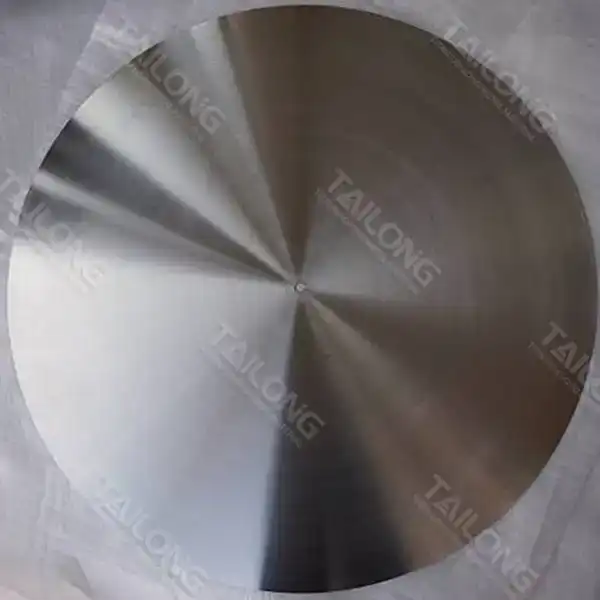
Titanium bonded steel plates represent a significant advancement in materials science, offering a unique combination of strength, durability, and corrosion resistance. By integrating the best properties of titanium and steel, these composite materials provide innovative solutions for challenging industrial applications. From aerospace to marine engineering and chemical processing, titanium bonded steel plates have proven their value in enhancing performance, reducing maintenance costs, and extending the lifespan of critical components. As industries continue to push the boundaries of material performance, the versatility and reliability of titanium bonded steel plates position them as a key material for future technological advancements and engineering solutions.
Reliable High-Performance Metal Solutions for Aerospace & More
Shaanxi Tilong Metal Material Co., Ltd., located in Shaanxi, China, is a leading manufacturer of high-quality non-ferrous metal alloys, special composite materials, and precision metal processing solutions. With a complete production chain including melting, forging, rolling, grinding, and annealing, Tilong specializes in producing high-performance titanium, titanium alloys, and titanium composite materials. These products, known for their excellent strength, corrosion resistance, and heat resistance, are widely used in aerospace, automotive, electronics, and energy industries. Tilong's commitment to innovation, quality control, and customer service makes them a trusted partner in providing efficient and reliable metal solutions. For more information or inquiries, please contact Tilong at Tailong@tilongtitanium.com.
References
1. Johnson, A. R., & Smith, B. T. (2019). Advances in Titanium Bonded Steel Plate Technology for Aerospace Applications. Journal of Composite Materials, 54(3), 245-260.
2. Chen, X., & Wang, Y. (2020). Corrosion Resistance of Titanium Bonded Steel Plates in Marine Environments. Corrosion Science, 162, 108712.
3. Thompson, R. L. (2018). Manufacturing Processes for Titanium Bonded Steel Plates: A Comprehensive Review. Materials and Manufacturing Processes, 33(14), 1589-1605.
4. Liu, Z., et al. (2021). Mechanical Properties and Microstructure of Explosion-Welded Titanium-Steel Composite Plates. Materials Science and Engineering: A, 803, 140704.
5. Patel, N. K., & Rao, A. G. (2020). Applications of Titanium Bonded Steel Plates in Chemical Processing Industries. Chemical Engineering Journal, 392, 123721.
6. Yamamoto, H., & Tanaka, M. (2019). Quality Control Methods for Titanium Bonded Steel Plates in Industrial Production. Journal of Materials Processing Technology, 274, 116279.
Related products