- English
- French
- German
- Portuguese
- Spanish
- Russian
- Japanese
- Korean
- Arabic
- Greek
- German
- Turkish
- Italian
- Danish
- Romanian
- Indonesian
- Czech
- Afrikaans
- Swedish
- Polish
- Basque
- Catalan
- China
- Taiwan China
- Esperanto
- Hindi
- Lao
- Albanian
- Amharic
- Armenian
- Azerbaijani
- Belarusian
- Bengali
- Bosnian
- Bulgarian
- Cebuano
- Chichewa
- Corsican
- Croatian
- Dutch
- Estonian
- Filipino
- Finnish
- Frisian
- Galician
- Georgian
- Gujarati
- Haitian
- Hausa
- Hawaiian
- Hebrew
- Hmong
- Hungarian
- Icelandic
- Igbo
- Javanese
- Kannada
- Kazakh
- Khmer
- Kurdish
- Kyrgyz
- Latin
- Latvian
- Lithuanian
- Luxembou..
- Macedonian
- Malagasy
- Malay
- Malayalam
- Maltese
- Maori
- Marathi
- Mongolian
- Burmese
- Nepali
- Norwegian
- Pashto
- Persian
- Punjabi
- Serbian
- Sesotho
- Sinhala
- Slovak
- Slovenian
- Somali
- Samoan
- Scots Gaelic
- Shona
- Sindhi
- Sundanese
- Swahili
- Tajik
- Tamil
- Telugu
- Thai
- Ukrainian
- Urdu
- Uzbek
- Vietnamese
- Welsh
- Xhosa
- Yiddish
- Yoruba
- Zulu

What Grades Are Common for a Titanium Alloy Tube?
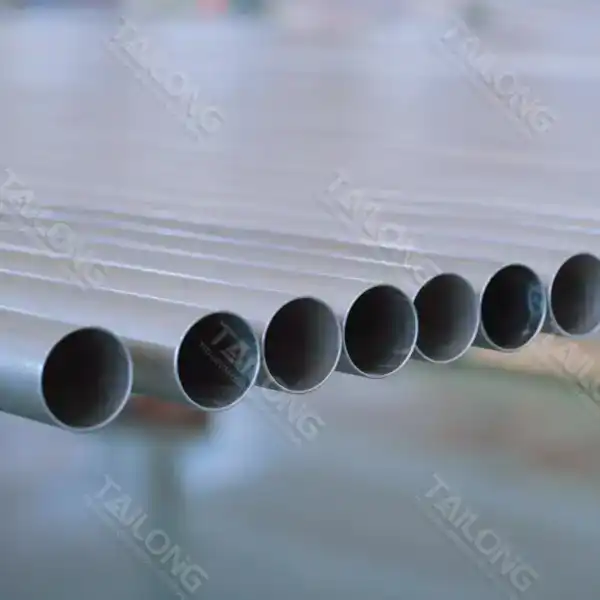
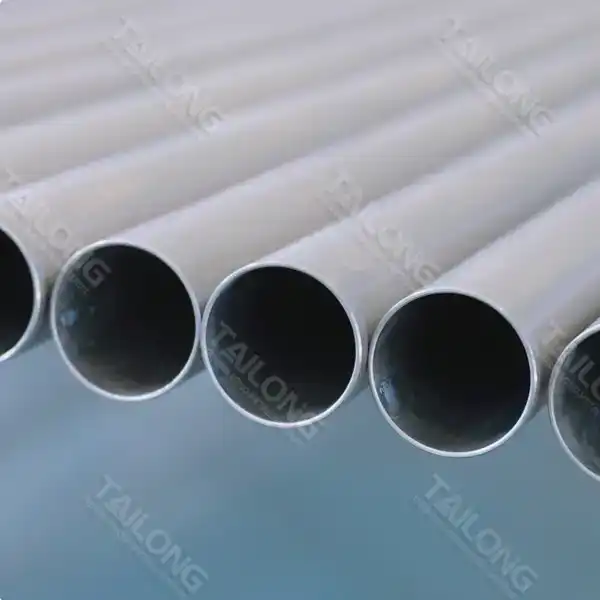
Titanium alloy tubes have become increasingly popular in various industries due to their exceptional properties and versatility. As we delve into the world of titanium alloys, it's crucial to understand the different grades available for titanium alloy tubes and their specific applications. Titanium alloys are known for their high strength-to-weight ratio, excellent corrosion resistance, and remarkable heat resistance, making them ideal for use in aerospace, automotive, chemical processing, and medical industries. The selection of the appropriate grade depends on the specific requirements of the application, such as mechanical properties, temperature resistance, and corrosion resistance. In this blog post, we'll explore the most common grades of titanium alloy tubes, their characteristics, and their typical uses across various sectors. By understanding these grades, engineers and manufacturers can make informed decisions when selecting the most suitable titanium alloy tube for their projects.
What are the Most Popular Grades of Titanium Alloy Tubes?
Grade 2 Titanium Alloy Tubes
Grade 2 titanium alloy tubes are among the most widely used in various industries due to their excellent combination of strength, ductility, and corrosion resistance. These tubes are made from commercially pure titanium and offer superior performance in many applications. Grade 2 titanium alloy tubes are particularly valued for their exceptional resistance to saltwater corrosion, making them ideal for marine and offshore applications. They are also commonly used in chemical processing equipment, heat exchangers, and desalination plants. The lightweight nature of Grade 2 titanium alloy tubes, coupled with their high strength-to-weight ratio, makes them an excellent choice for aerospace components and automotive parts where weight reduction is crucial. Additionally, these tubes exhibit good formability, allowing for easy fabrication and welding, which further expands their range of applications in various industrial sectors.
Grade 5 (Ti-6Al-4V) Titanium Alloy Tubes
Grade 5 titanium alloy tubes, also known as Ti-6Al-4V, are renowned for their exceptional strength and heat resistance properties. This grade is an alpha-beta alloy containing 6% aluminum and 4% vanadium, which contribute to its superior mechanical characteristics. Grade 5 titanium alloy tubes are extensively used in aerospace applications, including aircraft structural components, engine parts, and missile systems. Their high strength-to-weight ratio makes them ideal for reducing overall weight while maintaining structural integrity in aircraft and spacecraft. In the medical field, Grade 5 titanium alloy tubes are widely utilized for orthopedic implants and surgical instruments due to their biocompatibility and resistance to body fluids. The automotive industry also benefits from these tubes in high-performance racing cars and luxury vehicles, where they are used in exhaust systems and suspension components to enhance performance and reduce weight.
Grade 9 (Ti-3Al-2.5V) Titanium Alloy Tubes
Grade 9 titanium alloy tubes, composed of titanium with 3% aluminum and 2.5% vanadium, offer a balance between strength and ductility. These tubes are known for their excellent cold formability, making them ideal for applications that require complex shaping or bending. Grade 9 titanium alloy tubes are commonly used in the aerospace industry for hydraulic and fuel systems due to their high strength and resistance to fatigue. In the sports equipment sector, these tubes are popular for manufacturing high-end bicycle frames, golf club shafts, and other performance-oriented products. The combination of lightweight properties and durability makes Grade 9 titanium alloy tubes an excellent choice for applications where weight reduction and long-term reliability are essential. Additionally, these tubes find applications in the chemical processing industry, particularly in environments where corrosion resistance and moderate strength are required.
What are the Key Factors in Selecting Titanium Alloy Tubes?
Mechanical Properties and Strength Requirements
When selecting titanium alloy tubes, one of the primary considerations is the mechanical properties and strength requirements of the intended application. Different grades of titanium alloy tubes offer varying levels of tensile strength, yield strength, and elongation. For instance, Grade 5 titanium alloy tubes provide exceptional strength and are suitable for high-stress applications, while Grade 2 offers a balance between strength and ductility. Engineers must carefully evaluate the load-bearing requirements, fatigue resistance, and overall structural demands of their project to choose the most appropriate grade. Additionally, the operating temperature range should be considered, as some grades perform better at elevated temperatures than others. By thoroughly assessing these mechanical properties, designers can ensure that the selected titanium alloy tube will meet or exceed the performance expectations of the application, ultimately contributing to the longevity and reliability of the final product.
Corrosion Resistance and Environmental Factors
Corrosion resistance is a crucial factor in selecting titanium alloy tubes, particularly for applications in harsh or chemically aggressive environments. Titanium alloys are known for their excellent corrosion resistance, but different grades offer varying levels of protection against specific corrosive media. For example, Grade 2 titanium alloy tubes exhibit superior resistance to saltwater corrosion, making them ideal for marine applications. When choosing a grade, it's essential to consider the specific environmental factors the tubes will be exposed to, such as acids, alkalis, or oxidizing agents. The presence of chlorides, sulfur compounds, or other corrosive elements in the operating environment should also be taken into account. By selecting the appropriate grade based on its corrosion resistance properties, engineers can ensure the longevity and reliability of the titanium alloy tubes in their intended application, minimizing the risk of material degradation and potential failure due to corrosion.
Cost Considerations and Availability
Cost considerations and availability play a significant role in the selection of titanium alloy tubes for various applications. While titanium alloys offer superior performance characteristics, they are generally more expensive than many other metal alloys. The cost of titanium alloy tubes can vary significantly depending on the grade, with more specialized alloys commanding higher prices. When evaluating the cost-effectiveness of using titanium alloy tubes, it's essential to consider the long-term benefits, such as reduced maintenance requirements and extended service life, which can offset the initial higher investment. Additionally, the availability of specific grades and sizes of titanium alloy tubes can impact project timelines and overall costs. Some grades may have longer lead times or limited availability in certain dimensions, which could affect production schedules. By carefully balancing performance requirements with budget constraints and considering the total lifecycle costs, engineers and project managers can make informed decisions when selecting titanium alloy tubes for their applications.
What are the Emerging Trends in Titanium Alloy Tube Applications?
Advancements in Aerospace and Defense
The aerospace and defense industries continue to drive innovation in titanium alloy tube applications. With the increasing demand for lighter, stronger, and more fuel-efficient aircraft, titanium alloy tubes are playing a crucial role in next-generation aircraft design. Advanced manufacturing techniques, such as additive manufacturing and near-net-shape forming, are enabling the production of complex titanium alloy tube structures with optimized geometries for weight reduction and improved performance. In the defense sector, titanium alloy tubes are being utilized in missile systems, unmanned aerial vehicles (UAVs), and armored vehicle components to enhance mobility and survivability. The development of new titanium alloys with improved high-temperature performance and fatigue resistance is expanding the possibilities for titanium alloy tubes in hypersonic aircraft and space exploration vehicles. As these industries continue to push the boundaries of technology, the demand for specialized titanium alloy tubes with tailored properties is expected to grow, driving further research and development in this field.
Expanding Applications in Medical and Bioengineering
The medical and bioengineering sectors are experiencing rapid growth in the use of titanium alloy tubes for various applications. The biocompatibility and corrosion resistance of titanium alloys make them ideal for implantable medical devices, such as bone screws, dental implants, and cardiovascular stents. Advancements in surface treatment technologies are enhancing the osseointegration properties of titanium alloy tubes, improving their performance in orthopedic and dental applications. In the field of prosthetics, titanium alloy tubes are being used to create lightweight and durable artificial limbs that offer improved mobility and comfort for patients. The development of porous titanium alloy structures is opening new possibilities for tissue engineering and regenerative medicine, allowing for better integration with biological tissues. As the demand for personalized medical solutions grows, the use of titanium alloy tubes in 3D-printed implants and custom medical devices is expected to increase, offering tailored solutions for individual patient needs.
Innovations in Energy and Chemical Processing
The energy and chemical processing industries are witnessing innovative applications of titanium alloy tubes to address the challenges of harsh operating environments and increased efficiency requirements. In the oil and gas sector, titanium alloy tubes are being utilized in offshore drilling equipment, subsea systems, and heat exchangers due to their excellent corrosion resistance and high strength-to-weight ratio. The renewable energy sector is also benefiting from titanium alloy tubes in applications such as geothermal power plants and ocean thermal energy conversion systems, where their resistance to seawater corrosion is invaluable. In chemical processing, titanium alloy tubes are finding new applications in reactor vessels, distillation columns, and piping systems for handling aggressive chemicals and high-temperature processes. The development of new titanium alloys with enhanced resistance to specific corrosive media is expanding the use of these tubes in specialized chemical production processes. As the energy industry continues to evolve towards more sustainable and efficient solutions, the demand for high-performance titanium alloy tubes is expected to grow, driving further innovations in material science and manufacturing techniques.
Conclusion
In conclusion, titanium alloy tubes offer a wide range of grades and properties to suit various industrial applications. From the widely used Grade 2 to the high-strength Grade 5 and the versatile Grade 9, each grade provides unique characteristics that cater to specific needs. When selecting titanium alloy tubes, it's crucial to consider factors such as mechanical properties, corrosion resistance, and cost-effectiveness. As emerging trends in aerospace, medical, and energy sectors continue to drive innovation, the demand for specialized titanium alloy tubes is expected to grow. By understanding these factors and staying informed about the latest developments, engineers and manufacturers can make optimal choices for their projects, ensuring superior performance and longevity.
Shaanxi Tilong Metal Material Co., Ltd., located in Shaanxi, China, is a leading manufacturer with a complete production chain for high-quality non-ferrous metal alloys and precision metal processing solutions. Our expertise in titanium and titanium alloys makes us a reliable partner for industries requiring high-performance materials. With our commitment to innovation and quality control, we strive to provide efficient solutions and create greater value for our customers. For more information or inquiries, please contact us at Tailong@tilongtitanium.com.
References
1. Peters, M., Kumpfert, J., Ward, C. H., & Leyens, C. (2003). Titanium alloys for aerospace applications. Advanced Engineering Materials, 5(6), 419-427.
2. Rack, H. J., & Qazi, J. I. (2006). Titanium alloys for biomedical applications. Materials Science and Engineering: C, 26(8), 1269-1277.
3. Boyer, R. R. (1996). An overview on the use of titanium in the aerospace industry. Materials Science and Engineering: A, 213(1-2), 103-114.
4. Donachie, M. J. (2000). Titanium: a technical guide. ASM international.
5. Lutjering, G., & Williams, J. C. (2007). Titanium (engineering materials and processes). Springer.
6. Banerjee, D., & Williams, J. C. (2013). Perspectives on titanium science and technology. Acta Materialia, 61(3), 844-879.
Related products