- English
- French
- German
- Portuguese
- Spanish
- Russian
- Japanese
- Korean
- Arabic
- Greek
- German
- Turkish
- Italian
- Danish
- Romanian
- Indonesian
- Czech
- Afrikaans
- Swedish
- Polish
- Basque
- Catalan
- China
- Taiwan China
- Esperanto
- Hindi
- Lao
- Albanian
- Amharic
- Armenian
- Azerbaijani
- Belarusian
- Bengali
- Bosnian
- Bulgarian
- Cebuano
- Chichewa
- Corsican
- Croatian
- Dutch
- Estonian
- Filipino
- Finnish
- Frisian
- Galician
- Georgian
- Gujarati
- Haitian
- Hausa
- Hawaiian
- Hebrew
- Hmong
- Hungarian
- Icelandic
- Igbo
- Javanese
- Kannada
- Kazakh
- Khmer
- Kurdish
- Kyrgyz
- Latin
- Latvian
- Lithuanian
- Luxembou..
- Macedonian
- Malagasy
- Malay
- Malayalam
- Maltese
- Maori
- Marathi
- Mongolian
- Burmese
- Nepali
- Norwegian
- Pashto
- Persian
- Punjabi
- Serbian
- Sesotho
- Sinhala
- Slovak
- Slovenian
- Somali
- Samoan
- Scots Gaelic
- Shona
- Sindhi
- Sundanese
- Swahili
- Tajik
- Tamil
- Telugu
- Thai
- Ukrainian
- Urdu
- Uzbek
- Vietnamese
- Welsh
- Xhosa
- Yiddish
- Yoruba
- Zulu
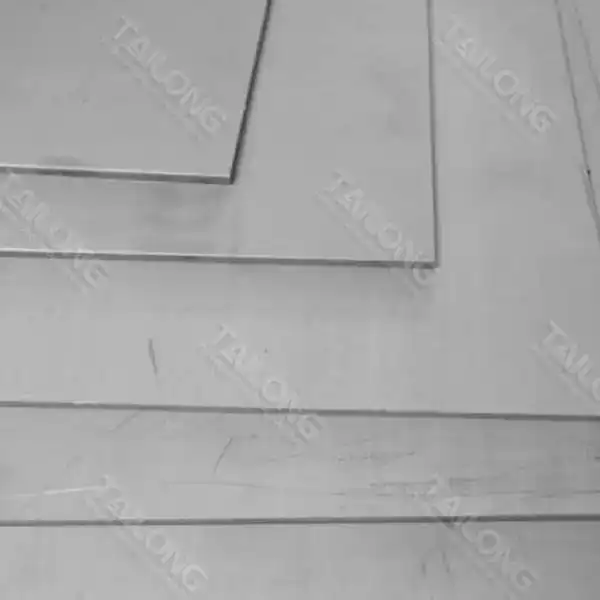
What Standards Govern Steel Reinforced Titanium Plate Quality?
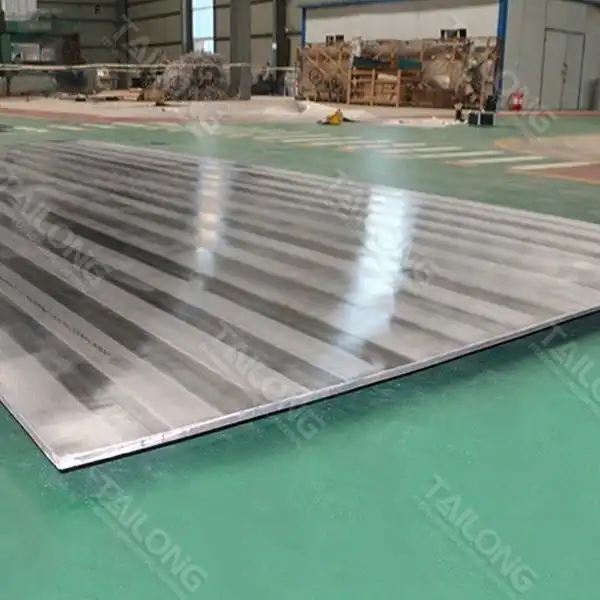
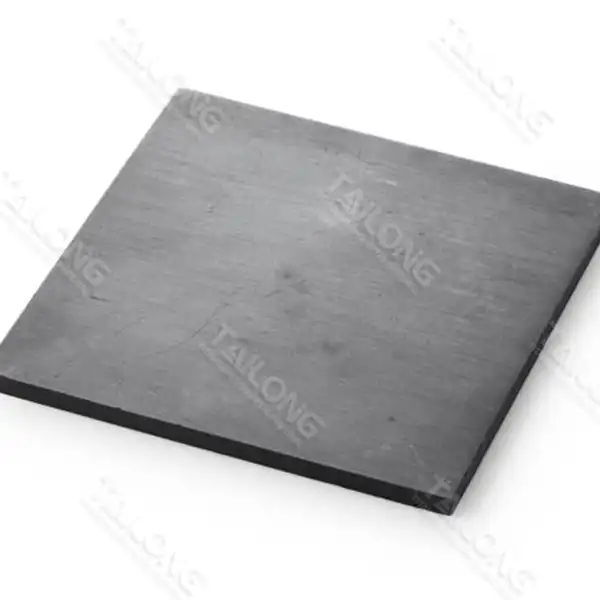
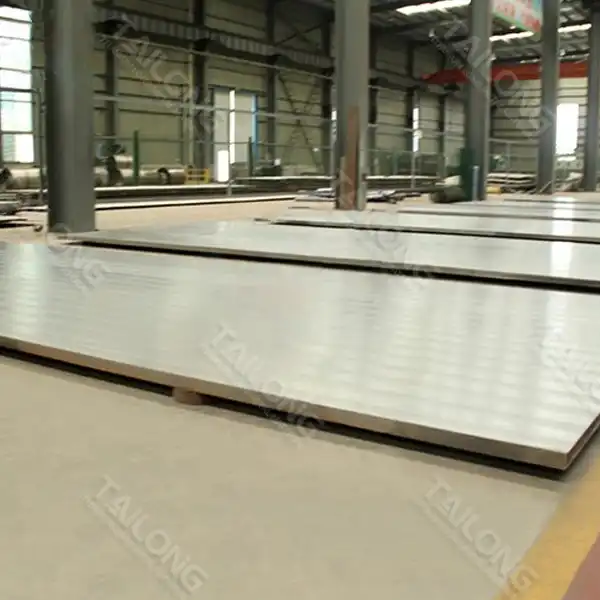
Steel reinforced titanium plates represent a pinnacle of engineering innovation, combining the exceptional properties of titanium with the strength of steel. As industries increasingly demand materials that can withstand extreme conditions while maintaining structural integrity, the importance of quality standards for these composite plates cannot be overstated. This article delves into the various standards that govern the quality of steel reinforced titanium plates, exploring the rigorous testing procedures, material specifications, and performance criteria that ensure these advanced materials meet the highest benchmarks of excellence. From aerospace applications to marine environments, these standards play a crucial role in guaranteeing the reliability and safety of structures and components utilizing steel reinforced titanium plates. By understanding these standards, manufacturers, engineers, and end-users can make informed decisions about material selection and application, ultimately contributing to the advancement of various technological fields.
What Are the Key Material Properties Required for Steel Reinforced Titanium Plates?
Strength-to-Weight Ratio
The strength-to-weight ratio is a critical property of steel reinforced titanium plates, making them ideal for applications where both high strength and low weight are essential. These composite plates leverage the exceptional strength of steel and the lightweight nature of titanium to achieve an optimal balance. In aerospace and automotive industries, steel reinforced titanium plates offer significant weight reduction without compromising structural integrity. This property allows for improved fuel efficiency in vehicles and aircraft, as well as enhanced performance in high-stress environments. The precise combination of steel and titanium in these plates is carefully engineered to maximize strength while minimizing overall weight, resulting in a material that outperforms many traditional options in terms of efficiency and durability.
Corrosion Resistance
Corrosion resistance is another paramount property of steel reinforced titanium plates, crucial for their longevity and performance in harsh environments. The inherent corrosion resistance of titanium is complemented by the steel reinforcement, creating a composite material that can withstand aggressive chemical environments, saltwater exposure, and other corrosive conditions. This property makes steel reinforced titanium plates particularly valuable in marine applications, chemical processing plants, and offshore oil rigs. The enhanced corrosion resistance not only extends the lifespan of components and structures but also reduces maintenance costs and downtime associated with material degradation. Furthermore, the corrosion-resistant nature of these plates ensures consistent performance and safety in critical applications where material failure could have severe consequences.
Temperature Tolerance
Temperature tolerance is a key attribute of steel reinforced titanium plates, enabling their use in extreme thermal conditions. These composite plates maintain their structural integrity and mechanical properties across a wide range of temperatures, from cryogenic applications to high-temperature environments. The combination of titanium's excellent heat resistance and steel's thermal stability results in a material that can withstand thermal cycling and prolonged exposure to elevated temperatures without significant degradation. This property is particularly valuable in aerospace applications, where components may experience rapid temperature fluctuations, and in industrial processes involving high-temperature operations. The ability of steel reinforced titanium plates to perform reliably under diverse thermal conditions expands their applicability and makes them an attractive choice for engineers designing systems that operate in challenging thermal environments.

How Are Steel Reinforced Titanium Plates Tested for Quality Assurance?
Non-Destructive Testing Methods
Non-destructive testing (NDT) methods play a crucial role in ensuring the quality and integrity of steel reinforced titanium plates without compromising their structural integrity. These techniques allow for thorough inspection and evaluation of the plates' internal structure, surface conditions, and overall quality. Common NDT methods applied to steel reinforced titanium plates include ultrasonic testing, which uses high-frequency sound waves to detect internal flaws or delaminations between the steel and titanium layers. Radiographic testing, employing X-rays or gamma rays, is another valuable method for identifying internal defects, voids, or inconsistencies in the material composition. Additionally, eddy current testing is often utilized to detect surface and near-surface flaws, as well as to verify the uniformity of the steel reinforcement within the titanium matrix.
Mechanical Property Testing
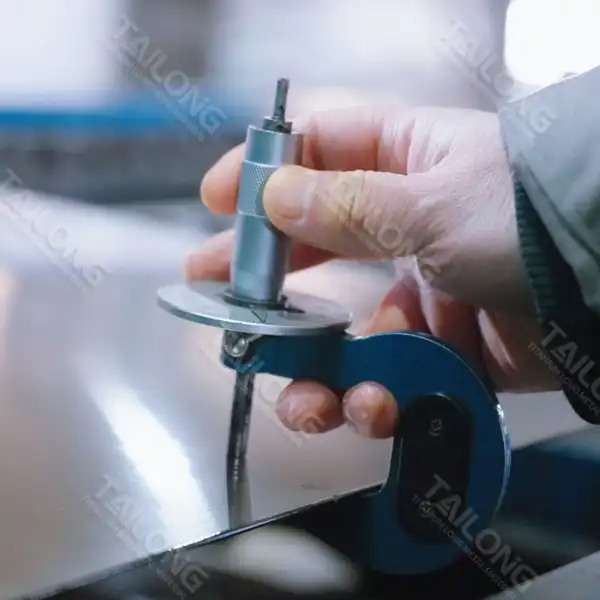
Mechanical property testing is essential for verifying that steel reinforced titanium plates meet the required performance specifications and industry standards. These tests evaluate the material's strength, ductility, and overall mechanical behavior under various loading conditions. Tensile testing is a fundamental method used to determine the plate's ultimate tensile strength, yield strength, and elongation properties. Fatigue testing assesses the material's ability to withstand cyclic loading, which is critical for applications involving repeated stress cycles. Impact testing, such as the Charpy V-notch test, evaluates the toughness and energy absorption capabilities of the composite plates. Furthermore, hardness testing provides insights into the material's resistance to indentation and wear. These comprehensive mechanical tests ensure that steel reinforced titanium plates possess the necessary strength and durability for their intended applications.
Corrosion Resistance Evaluation
Corrosion resistance evaluation is a critical aspect of quality assurance for steel reinforced titanium plates, particularly for applications in corrosive environments. Various testing methods are employed to assess the material's ability to withstand different types of corrosion. Salt spray testing simulates marine or coastal environments, exposing the plates to a saline mist for extended periods to evaluate their resistance to saltwater corrosion. Electrochemical testing, such as potentiodynamic polarization, provides detailed information about the corrosion behavior and rates of the composite material. Immersion tests in specific chemical solutions relevant to the intended application environment help determine the plates' resistance to chemical attack. Additionally, stress corrosion cracking tests evaluate the material's susceptibility to this particularly insidious form of corrosion under combined stress and corrosive conditions.
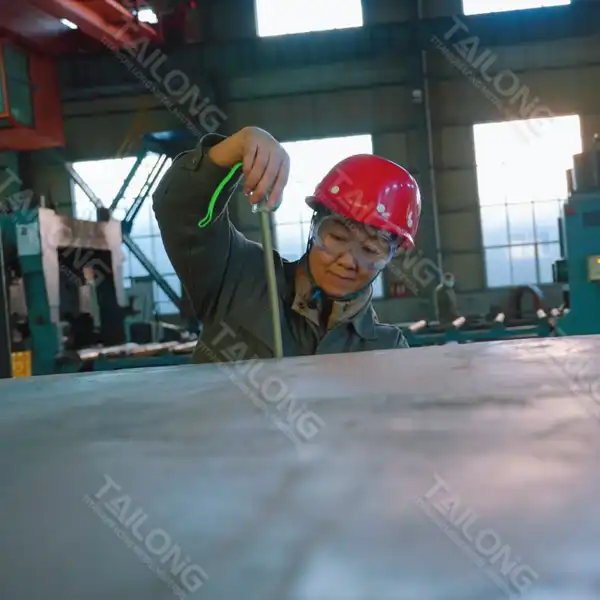
What Industry Standards Apply to the Manufacturing of Steel Reinforced Titanium Plates?
ASTM Standards
ASTM International, formerly known as the American Society for Testing and Materials, provides several key standards applicable to the manufacturing and testing of steel reinforced titanium plates. These standards ensure consistency, reliability, and quality across the industry. ASTM B265 is a fundamental standard that covers titanium and titanium alloy sheet, strip, and plate, providing specifications for chemical composition, mechanical properties, and dimensional tolerances. While not specifically for steel reinforced titanium plates, this standard forms the basis for titanium component quality. ASTM E8 outlines the standard test methods for tension testing of metallic materials, which is crucial for evaluating the mechanical properties of steel reinforced titanium plates. Additionally, ASTM G48 provides standard test methods for pitting and crevice corrosion resistance of stainless steels and related alloys, which can be adapted for testing the corrosion resistance of steel reinforced titanium plates.
ISO Standards
The International Organization for Standardization (ISO) provides global standards that are widely recognized and adopted in the manufacturing of steel reinforced titanium plates. ISO 9001 is a foundational standard that outlines the requirements for a quality management system, ensuring that manufacturers consistently produce products that meet customer and regulatory requirements. For steel reinforced titanium plates, this standard is crucial in establishing quality control processes throughout the manufacturing lifecycle. ISO 6892-1 specifies the method for tensile testing of metallic materials at room temperature, which is essential for verifying the mechanical properties of steel reinforced titanium plates. ISO 4287 defines the terms, definitions, and parameters for the determination of surface texture, which is important for assessing the surface quality and finish of these composite plates. Furthermore, ISO 15614-5 provides specifications and qualification for welding procedures for titanium and its alloys, which may be relevant in the fabrication and joining of steel reinforced titanium plates.
Military Specifications
Military specifications play a significant role in setting standards for steel reinforced titanium plates, particularly for applications in defense and aerospace industries. MIL-DTL-46077 is a detailed specification for titanium and titanium alloy plate, sheet, strip, and foil, which, while not specific to steel reinforced titanium, provides essential guidelines for the titanium component of these composite plates. MIL-STD-1946 outlines the standard for welding and heat treatment of titanium and titanium alloys, which is crucial for maintaining the integrity of steel reinforced titanium plates during fabrication processes. Additionally, MIL-STD-810G provides environmental engineering considerations and laboratory tests, which can be applied to assess the performance of steel reinforced titanium plates under various environmental conditions they may encounter in military applications. These military specifications ensure that steel reinforced titanium plates used in critical defense and aerospace systems meet the stringent requirements for reliability, durability, and performance under extreme conditions.
Conclusion
The quality standards governing steel reinforced titanium plates are comprehensive and rigorous, encompassing material properties, testing methodologies, and manufacturing processes. These standards ensure that the exceptional strength, corrosion resistance, and temperature tolerance of these composite materials are consistently achieved and verified. As industries continue to push the boundaries of material performance, adherence to these standards becomes increasingly critical. By maintaining high-quality benchmarks, manufacturers like Shaanxi Tilong Metal Material Co., Ltd. can provide reliable and innovative solutions to meet the evolving needs of various sectors, from aerospace to energy production. The ongoing development and refinement of these standards will undoubtedly play a crucial role in shaping the future of advanced materials and their applications.
Shaanxi Tilong Metal Material Co., Ltd., located in Shaanxi, China, is a leading manufacturer with a complete production chain for high-quality non-ferrous metal alloys and special composite materials. With expertise in titanium and titanium alloy products, Tilong provides innovative solutions for various industries, including aerospace, automotive, and energy sectors. The company's commitment to quality control and international standards ensures the reliability and performance of their products. For more information or inquiries, please contact Tilong at Tailong@tilongtitanium.com.
References
1. ASTM International. (2020). ASTM B265-20: Standard Specification for Titanium and Titanium Alloy Strip, Sheet, and Plate. West Conshohocken, PA: ASTM International.
2. International Organization for Standardization. (2015). ISO 9001:2015: Quality management systems — Requirements. Geneva, Switzerland: ISO.
3. Department of Defense. (2008). MIL-DTL-46077: Titanium and Titanium Alloy, Strip, Sheet, Plate and Plate, Annealed. Washington, D.C.: U.S. Department of Defense.
4. American Welding Society. (2017). AWS D1.9/D1.9M:2017: Structural Welding Code—Titanium. Miami, FL: American Welding Society.
5. Leyens, C., & Peters, M. (Eds.). (2003). Titanium and Titanium Alloys: Fundamentals and Applications. Weinheim, Germany: Wiley-VCH.
6. Boyer, R., Welsch, G., & Collings, E. W. (Eds.). (1994). Materials Properties Handbook: Titanium Alloys. Materials Park, OH: ASM International.
Related products