- English
- French
- German
- Portuguese
- Spanish
- Russian
- Japanese
- Korean
- Arabic
- Greek
- German
- Turkish
- Italian
- Danish
- Romanian
- Indonesian
- Czech
- Afrikaans
- Swedish
- Polish
- Basque
- Catalan
- China
- Taiwan China
- Esperanto
- Hindi
- Lao
- Albanian
- Amharic
- Armenian
- Azerbaijani
- Belarusian
- Bengali
- Bosnian
- Bulgarian
- Cebuano
- Chichewa
- Corsican
- Croatian
- Dutch
- Estonian
- Filipino
- Finnish
- Frisian
- Galician
- Georgian
- Gujarati
- Haitian
- Hausa
- Hawaiian
- Hebrew
- Hmong
- Hungarian
- Icelandic
- Igbo
- Javanese
- Kannada
- Kazakh
- Khmer
- Kurdish
- Kyrgyz
- Latin
- Latvian
- Lithuanian
- Luxembou..
- Macedonian
- Malagasy
- Malay
- Malayalam
- Maltese
- Maori
- Marathi
- Mongolian
- Burmese
- Nepali
- Norwegian
- Pashto
- Persian
- Punjabi
- Serbian
- Sesotho
- Sinhala
- Slovak
- Slovenian
- Somali
- Samoan
- Scots Gaelic
- Shona
- Sindhi
- Sundanese
- Swahili
- Tajik
- Tamil
- Telugu
- Thai
- Ukrainian
- Urdu
- Uzbek
- Vietnamese
- Welsh
- Xhosa
- Yiddish
- Yoruba
- Zulu
Composite Copper Titanium Plate
Applicable Standards:ASTM B898, ASTM B265, GB/T 8547
Plate Size:1000 mm × 6000 mm (Customizable)
Cladding Thickness:1.0 mm – 10.0 mm
Base Thickness: 3.0 mm – 50.0 mm
Composite Copper Titanium Plate – High-Performance Material for Diverse Industries
Product Introduction
The Composite Copper Titanium Plate is a premium material created by combining the strength of copper and the corrosion resistance, heat resistance, and lightweight properties of titanium. This unique blend offers a reliable and cost-effective solution for industries requiring high-performance materials under extreme conditions. The versatility of this composite plate makes it a top choice for engineers and manufacturers who need materials that can withstand high pressure, high temperatures, and corrosive environments.
Technical Specifications
| Item | Specification |
| Product Name | Composite Copper Titanium Plate |
| Cladding Structure | Titanium as Cladding + Copper as Base |
| Manufacturing Process | Explosive Bonding / Roll Bonding / Combined Process |
| Applicable Standards | ASTM B898, ASTM B265, GB/T 8547 |
| Titanium Grade | Gr1, Gr2, Gr5, Gr7 (ASTM B265) |
| Copper Grade | T2, C11000, C12200 |
| Plate Size | 1000 mm × 6000 mm (Customizable) |
| Cladding Thickness (Titanium) | 1.0 mm – 10.0 mm |
| Base Thickness (Copper) | 3.0 mm – 50.0 mm |
| Bonding Strength | ≥ 120 MPa (Shear Strength) |
| Conductivity | Up to 90% IACS (depending on copper grade and thickness) |
| Surface Condition | Pickled, Brushed, Polished or as required |
| Dimensional Tolerance | ±10% thickness, Width & Length as per standard |
| Delivery State | As Clad, Annealed, Flattened |
| Inspection Methods | Ultrasonic Testing, Visual, Conductivity, Shear Test |
| Certificate | EN 10204 3.1 / 3.2, Third-party inspection available |
| Applications | Electroplating, PCB Equipment, Power, Petrochemical |
| Packing | Seaworthy packing: plastic film + wooden case + steel straps |
Custom sizes and specifications are available upon request.
 |
 |
 |
 |
 |
 |
Product Features
-
Superior Strength-to-Weight Ratio: The composite copper-titanium plate delivers incredible strength while remaining lightweight, making it ideal for aerospace and automotive applications where every gram counts.
-
Exceptional Corrosion Resistance: With titanium’s outstanding resistance to corrosion and copper’s thermal conductivity, this plate can withstand harsh environments, including high-temperature and saltwater conditions.
-
Heat Resistance: The material can operate in extreme heat, retaining its mechanical properties even at high temperatures, which is crucial for industries like energy production and aerospace.
-
Versatility: Whether used in structural components, engine parts, or electronic housing, the composite copper-titanium plate adapts to a wide variety of demanding applications.
-
Thermal Conductivity: The copper component ensures excellent heat dissipation, vital for electronics and high-performance vehicle components.
Core Performance Advantages
1. Combined Corrosion Resistance and Biofouling Prevention: The titanium coating exhibits a corrosion rate below 0.01 mm/year in highly corrosive environments like seawater and wet chlorine gas, offering a service life 5–10 times longer than copper. Copper ions released from the copper layer effectively inhibit marine organism attachment, reducing fouling by 90% compared to pure titanium plates in practical applications—making it particularly suited for marine environments.
2. Balanced electrical and thermal conductivity: Its overall electrical conductivity reaches 60–80% of pure copper, far exceeding the mere 2% IACS of titanium alloys. Thermal conductivity can attain 54 W/m·K—three times that of titanium-steel composite plates—effortlessly meeting demands in high-heat-load scenarios like electrolytic cells and condensers.
3. High Strength with Lightweight Design: Interface shear bond strength exceeds 85 MPa, far surpassing the national standard requirement of 40 MPa, ensuring resilience under complex operating conditions. With a density only 60% that of pure copper and 40% lighter weight, it significantly reduces transportation and installation challenges and costs.
4. Outstanding Cost-Effectiveness: Initial procurement costs are reduced by 40-60% compared to pure titanium plates.
5. Extended Service Life: For example, titanium-copper composite electrodes used in chlor-alkali plants achieve a lifespan of up to 15 years, reducing annual maintenance costs by 60% and delivering clear long-term economic advantages.
Parameters
|
Parameters |
Specific Parameters |
Details |
|
Material Combination |
Cladding Material (Titanium Layer) |
TA1, TA2, TA9, TA10, etc. TA1 is basic commercial pure titanium; TA2 has better corrosion resistance; TA10 features excellent chloride corrosion resistance |
|
Base Material (Copper Layer) |
T2 copper, TUP deoxidized copper, T1, T3, etc. T2 has electrical conductivity ≥99.9%; TUP has good hydrogen embrittlement resistance |
|
|
Dimension Specifications |
Cladding Material Thickness |
1 - 10mm (standard), up to 20mm (customized) |
|
Base Material Thickness |
3 - 50mm (standard), up to 100mm in some scenarios |
|
|
Plate Size |
Width usually < 2000mm, length usually < 4000mm; special sizes can be customized on demand |
|
|
Mechanical Properties |
Interface Bond Strength |
1.Standard GB13238 should be 40MPa ; |
|
Shear Strength |
1. 170 - 203MPa (average after annealing); |
|
|
Tensile Strength |
Up to about 250MPa. |
|
|
Execution Standards |
Domestic Standards |
GB13238 - 91, Q/XB1506 - 94 |
|
International Standards |
ASTM B898 |
Main Production Processes
1. Explosive Bonding Method: Utilizes the energy from explosive detonation to achieve high-speed collision between titanium and copper plates. During impact, oxide films and impurities on both metal surfaces are removed, enabling instantaneous metallurgical bonding. This process yields high interfacial bond strengths exceeding 150 MPa, suitable for producing thick plates over 20 mm total thickness.
2. Rolling Composite Method: Through hot rolling (at 800–900°C) or cold rolling (with 60–70% deformation rate), the surfaces of titanium and copper plates undergo plastic deformation, exposing fresh metal surfaces that bond together. This process is suitable for producing thin plates with total thickness ≤10mm. Cold rolling additionally prevents metal phase transformations, ensuring stable product performance.
3. Explosion-Rolling Composite: First creates a composite slab via explosion technology, then processes it to target thickness through hot or cold rolling as required. This method combines the high bonding strength of explosion bonding with the high dimensional accuracy of rolling, accommodating diverse specification demands.
Typical Application Scenarios:Because of the Composite Copper Titanium Plates have titanium's exceptional corrosion resistance with copper's superior electrical and thermal conductivity, while also offering lightweight properties and cost-effectiveness. These plates find extensive applications across multiple high-end industrial sectors.
1. Marine Engineering and Shipbuilding:
For example, commonly used for seawater cooling pipes, propeller shaft sleeves, and corrosion-resistant components in offshore platforms.
2. Power and New Energy:
For example, It is used for making bus-bars in coastal substations and submarine cable joints.
3. Chemical and Electrolytic Industries:
Such as Titanium-copper composite anodes in chlor-alkali production.
4. Precision Electronics Manufacturing:
For example, used for dissipation substrates for 5G base station RF chips.
Why Choose Us?
At Shaanxi Tilong Metal Material Co., Ltd., we are committed to providing high-quality, precision-engineered products. With over a decade of experience, we specialize in delivering advanced solutions for industries like aerospace, automotive, electronics, and energy. Here’s why you should choose us:
-
Quality Assurance: We follow strict international quality standards to ensure that our composite copper titanium plates meet the highest performance requirements.
-
Innovative Solutions: We provide customized solutions tailored to your specific application needs, ensuring optimal performance and reliability.
-
Efficient Supply Chain: Our state-of-the-art ERP system ensures timely deliveries and transparent production progress, minimizing delays and maximizing operational efficiency.
-
Experienced Team: Our team of engineers and experts are available to support you throughout the production process, from material selection to post-sales services.
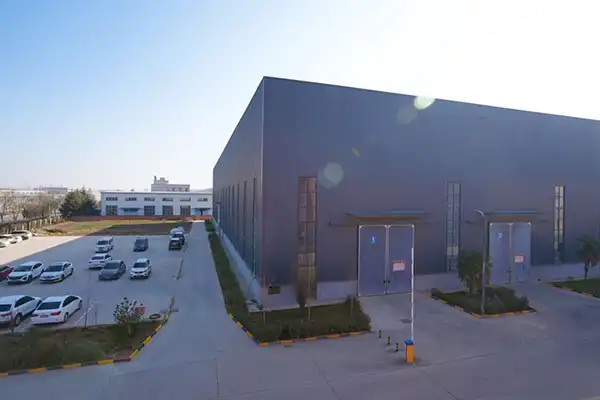
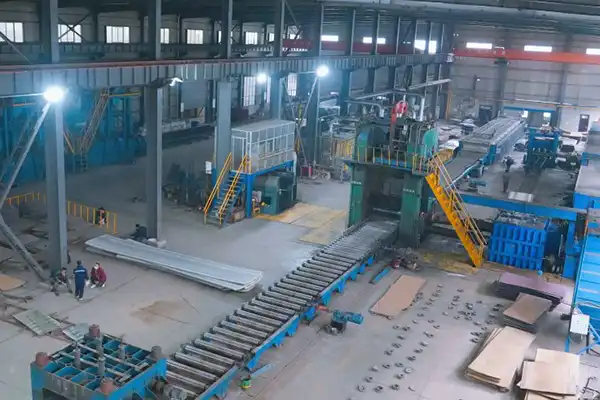
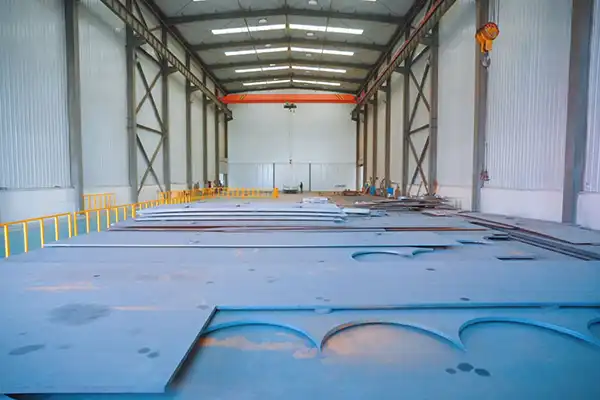
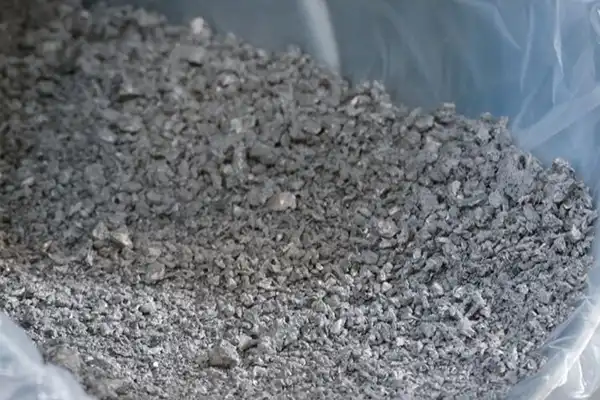
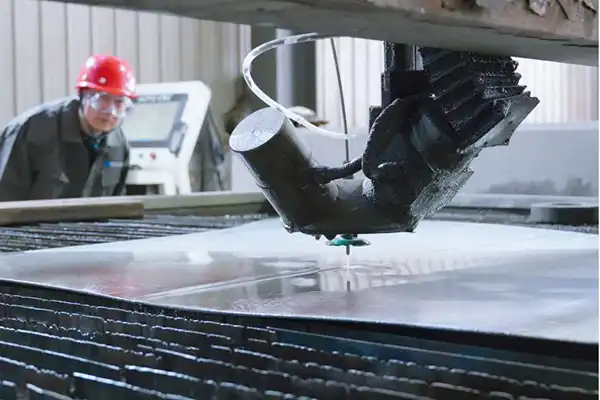
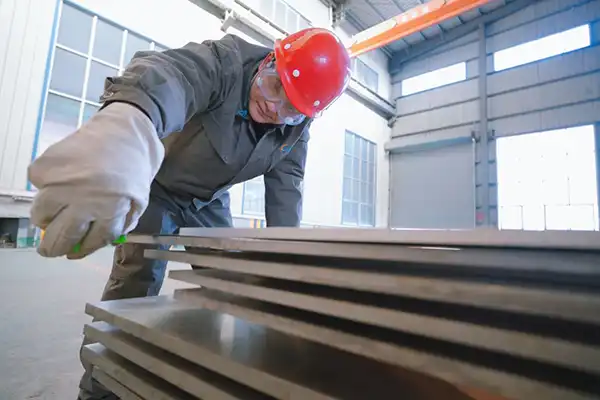
Factory Show
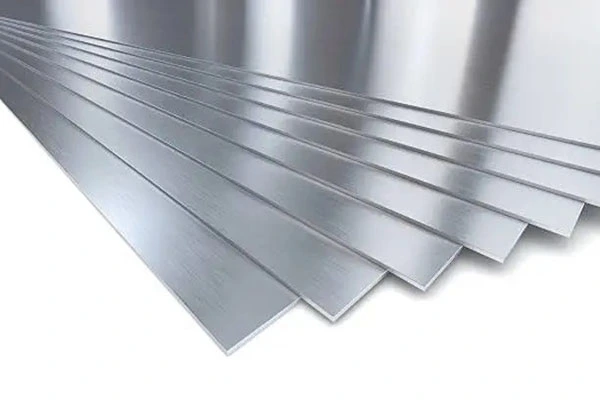
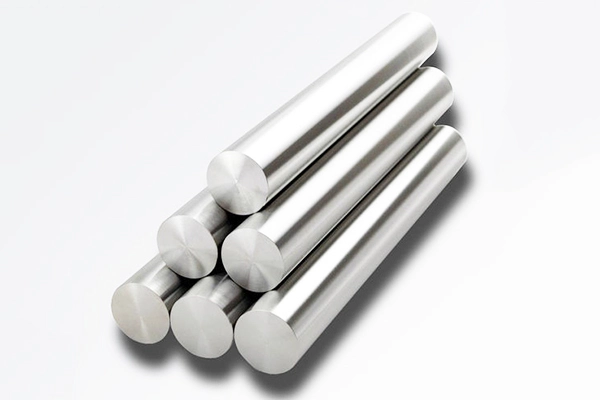
Main Products
Application Areas


OEM Services
At Shaanxi Tilong Metal Material Co., Ltd., we offer OEM services to provide tailored products that meet your specific requirements. Whether you need custom dimensions, alloy compositions, or surface treatments, we work closely with you to create a solution that fits your exact needs. We pride ourselves on our flexibility, delivering high-quality products with precise specifications, when you need them.
Frequently Asked Questions (FAQs)
1. What industries can benefit from the Composite Copper Titanium Plate?
-
This material is ideal for aerospace, automotive, electronics, and energy industries, where high strength, corrosion resistance, and heat tolerance are crucial.
2. Can the Composite Copper Titanium Plate be customized?
-
Yes, we offer tailored solutions based on your specific needs, including custom thicknesses, alloy compositions, and surface finishes.
3. How does the Composite Copper Titanium Plate perform in extreme temperatures?
-
The material can withstand temperatures up to 600°C, making it suitable for high-temperature applications like engine parts and power plant components.
4. What are the advantages of using Composite Copper Titanium Plates over traditional materials?
-
The combination of copper and titanium offers superior strength, corrosion resistance, and heat resistance, as well as lightweight properties that traditional metals cannot match.
5. Do you offer bulk purchase discounts?
-
Yes, we offer competitive pricing for bulk orders. Contact us for a customized quote based on your purchasing requirements.