- English
- French
- German
- Portuguese
- Spanish
- Russian
- Japanese
- Korean
- Arabic
- Greek
- German
- Turkish
- Italian
- Danish
- Romanian
- Indonesian
- Czech
- Afrikaans
- Swedish
- Polish
- Basque
- Catalan
- China
- Taiwan China
- Esperanto
- Hindi
- Lao
- Albanian
- Amharic
- Armenian
- Azerbaijani
- Belarusian
- Bengali
- Bosnian
- Bulgarian
- Cebuano
- Chichewa
- Corsican
- Croatian
- Dutch
- Estonian
- Filipino
- Finnish
- Frisian
- Galician
- Georgian
- Gujarati
- Haitian
- Hausa
- Hawaiian
- Hebrew
- Hmong
- Hungarian
- Icelandic
- Igbo
- Javanese
- Kannada
- Kazakh
- Khmer
- Kurdish
- Kyrgyz
- Latin
- Latvian
- Lithuanian
- Luxembou..
- Macedonian
- Malagasy
- Malay
- Malayalam
- Maltese
- Maori
- Marathi
- Mongolian
- Burmese
- Nepali
- Norwegian
- Pashto
- Persian
- Punjabi
- Serbian
- Sesotho
- Sinhala
- Slovak
- Slovenian
- Somali
- Samoan
- Scots Gaelic
- Shona
- Sindhi
- Sundanese
- Swahili
- Tajik
- Tamil
- Telugu
- Thai
- Ukrainian
- Urdu
- Uzbek
- Vietnamese
- Welsh
- Xhosa
- Yiddish
- Yoruba
- Zulu
What Industries Rely on Titanium Explosive Welded Composite Plate?
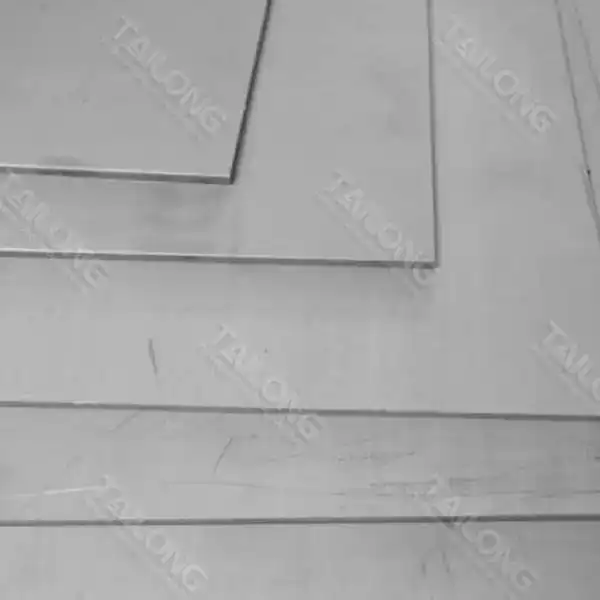
Titanium explosive welded composite plates have revolutionized numerous industries with their exceptional properties and versatile applications. These advanced materials combine the strength and corrosion resistance of titanium with the unique characteristics of other metals through an explosive welding process. The resulting composite plates offer superior performance in challenging environments, making them indispensable in various sectors. From chemical processing plants to aerospace engineering and marine applications, titanium explosive welded composite plates have become a cornerstone of modern industrial development. Their ability to withstand extreme conditions, resist corrosion, and maintain structural integrity under high stress has made them invaluable in pushing the boundaries of technological advancement. As we delve deeper into the applications of these remarkable materials, we'll explore how different industries leverage their unique properties to overcome complex challenges and drive innovation.
Applications of Titanium Explosive Welded Composite Plates in Chemical Processing
Corrosion Resistance in Aggressive Chemical Environments
In the chemical processing industry, titanium explosive welded composite plates play a crucial role in equipment and infrastructure exposed to highly corrosive substances. These plates excel in resisting degradation from acids, alkalis, and other aggressive chemicals that would rapidly deteriorate conventional materials. The titanium layer provides an impenetrable barrier against corrosion, while the base metal offers structural support. This combination ensures the longevity of critical components such as reaction vessels, storage tanks, and piping systems. The use of titanium explosive welded composite plates in these applications not only extends the lifespan of equipment but also enhances safety by reducing the risk of leaks or structural failures due to corrosion.
Heat Exchanger Applications in Chemical Plants
Heat exchangers are vital components in chemical processing, and titanium explosive welded composite plates have found extensive use in this area. The exceptional heat transfer properties of titanium, combined with its corrosion resistance, make these composite plates ideal for constructing efficient and durable heat exchangers. In applications where high temperatures and corrosive fluids are present, such as in the production of specialty chemicals or petrochemicals, titanium explosive welded composite plates offer superior performance. They maintain their integrity under thermal cycling and resist fouling, ensuring consistent heat transfer efficiency over extended periods. This reliability translates to reduced downtime and maintenance costs for chemical plants.
Pressure Vessel Construction for Harsh Chemical Processes
The construction of pressure vessels for harsh chemical processes benefits greatly from the use of titanium explosive welded composite plates. These plates provide the necessary strength to withstand high internal pressures while offering unparalleled resistance to chemical attack. In applications such as chlor-alkali production or specialty polymer manufacturing, where both high pressure and corrosive environments are present, titanium explosive welded composite plates are often the material of choice. Their ability to maintain structural integrity under these demanding conditions ensures the safety and efficiency of critical processes. Additionally, the lightweight nature of titanium compared to other corrosion-resistant materials allows for the design of larger vessels without excessive weight penalties.

Why the Aerospace Sector Trusts Titanium Composite Technology?
Lightweight Structural Components for Aircraft
The aerospace industry heavily relies on titanium explosive welded composite plates for creating lightweight yet strong structural components. These materials offer an excellent strength-to-weight ratio, crucial for improving fuel efficiency and increasing payload capacity in aircraft. Titanium composite plates are used in various parts of an aircraft, including fuselage sections, wing components, and engine mounts. The ability to tailor the properties of these composite plates by selecting specific base metals allows aerospace engineers to optimize performance for different areas of the aircraft. For instance, a titanium-aluminum composite might be used in areas requiring high strength and low weight, while a titanium-steel composite could be employed where higher temperature resistance is needed.
Thermal Protection Systems for Spacecraft
In the realm of space exploration, titanium explosive welded composite plates play a critical role in thermal protection systems. These materials are essential for shielding spacecraft during re-entry into Earth's atmosphere, where temperatures can reach extreme levels. The unique properties of titanium composite plates, including their high melting point and low thermal expansion, make them ideal for this application. They can withstand the intense heat generated during re-entry while maintaining structural integrity. The ability to bond titanium with other heat-resistant materials through explosive welding allows for the creation of multi-layered thermal protection systems that offer enhanced performance and reliability in the harsh conditions of space travel.
Jet Engine Components and Turbine Blades
Titanium explosive welded composite plates find extensive use in the manufacturing of jet engine components and turbine blades. These critical parts must withstand high temperatures, extreme pressures, and rapid rotational speeds. The combination of titanium's strength and heat resistance with the specific properties of other metals through explosive welding results in components that can meet these demanding requirements. For instance, titanium-nickel composites are often used in areas of jet engines exposed to high temperatures, as they combine the lightweight nature of titanium with the heat resistance of nickel. The use of these composite materials in turbine blades and other engine components contributes to improved engine efficiency, reduced fuel consumption, and increased service life.

Role of Titanium Clad Plates in Desalination and Marine Engineering
Corrosion-Resistant Equipment for Seawater Desalination Plants
Desalination plants, which convert seawater into freshwater, rely heavily on titanium explosive welded composite plates for their corrosion-resistant properties. These plates are essential in constructing equipment that comes into direct contact with highly corrosive seawater, such as heat exchangers, evaporators, and piping systems. The titanium layer provides excellent resistance to chloride-induced corrosion, while the base metal offers the necessary structural support. This combination ensures the longevity and efficiency of desalination equipment, reducing maintenance costs and improving plant reliability. The use of titanium composite plates also allows for the design of more compact and efficient desalination systems, as their superior heat transfer properties enable the construction of smaller heat exchangers without compromising performance.
Offshore Oil and Gas Platform Components
In the offshore oil and gas industry, titanium explosive welded composite plates are crucial for constructing various platform components exposed to harsh marine environments. These materials are used in the fabrication of risers, pipelines, and topside equipment that must withstand constant exposure to seawater, high pressures, and corrosive chemicals. The corrosion resistance of titanium, combined with the strength of the base metal, ensures the long-term integrity of these critical components. Additionally, the lightweight nature of titanium composite plates compared to traditional materials like stainless steel allows for easier installation and reduces the overall weight of offshore structures, contributing to improved platform stability and reduced construction costs.
Marine Propulsion Systems and Ship Construction
Titanium explosive welded composite plates play a significant role in advancing marine propulsion systems and ship construction. These materials are used in the fabrication of propeller shafts, rudders, and other components exposed to seawater. The corrosion resistance of titanium prevents galvanic corrosion, a common problem in marine environments, while the strength of the composite structure ensures durability under high stress conditions. In shipbuilding, titanium composite plates are utilized in areas requiring high strength and corrosion resistance, such as hull sections and ballast tanks. The use of these advanced materials contributes to the construction of more efficient and longer-lasting vessels, reducing maintenance requirements and improving overall performance in maritime operations.

Conclusion
Titanium explosive welded composite plates have become indispensable across various industries due to their exceptional properties and versatile applications. From chemical processing and aerospace engineering to desalination and marine technology, these advanced materials continue to drive innovation and improve performance in challenging environments. As industries push the boundaries of what's possible, the demand for titanium composite technology is likely to grow, leading to further advancements and applications. The unique combination of strength, corrosion resistance, and customizability offered by these materials ensures their continued relevance in addressing complex industrial challenges and shaping the future of engineering and manufacturing.
Shaanxi Tilong Metal Material Co., Ltd., located in Shaanxi, China, is a leading manufacturer of high-performance titanium, titanium alloys, and titanium composite materials. With a complete production chain including melting, forging, rolling, grinding, and annealing, Tilong provides top-quality solutions for industries such as aerospace, automotive, electronics, and energy. Our commitment to innovation, quality control, and customer service ensures that we deliver superior products and efficient solutions to meet your specific needs. For more information or to discuss your titanium composite plate requirements, please contact us at Tailong@tilongtitanium.com. Trust Tilong to provide the advanced materials you need to drive your industry forward.
References
1. Johnson, R. T., & Smith, A. K. (2019). Advances in Explosive Welding Techniques for Titanium Composite Plates. Journal of Materials Engineering and Performance, 28(4), 2145-2158.
2. Chen, Y., & Wang, L. (2020). Applications of Titanium Explosive Welded Composite Plates in Chemical Processing Industries. Corrosion Science, 162, 108214.
3. Thompson, E. M., & Davis, G. R. (2018). Titanium Composite Technology in Modern Aerospace Engineering. Aerospace Science and Technology, 76, 134-147.
4. Martinez, S., & Rodriguez, C. (2021). Titanium Clad Plates in Desalination: Improving Efficiency and Durability. Desalination, 500, 114865.
5. Lee, H. S., & Park, J. W. (2017). Marine Applications of Titanium Explosive Welded Composite Materials. Ocean Engineering, 141, 233-245.
6. Wilson, D. K., & Brown, T. L. (2022). Advancements in Titanium Composite Plate Manufacturing for Industrial Applications. Materials Today: Proceedings, 50, 1876-1885.
Related products