- English
- French
- German
- Portuguese
- Spanish
- Russian
- Japanese
- Korean
- Arabic
- Greek
- German
- Turkish
- Italian
- Danish
- Romanian
- Indonesian
- Czech
- Afrikaans
- Swedish
- Polish
- Basque
- Catalan
- China
- Taiwan China
- Esperanto
- Hindi
- Lao
- Albanian
- Amharic
- Armenian
- Azerbaijani
- Belarusian
- Bengali
- Bosnian
- Bulgarian
- Cebuano
- Chichewa
- Corsican
- Croatian
- Dutch
- Estonian
- Filipino
- Finnish
- Frisian
- Galician
- Georgian
- Gujarati
- Haitian
- Hausa
- Hawaiian
- Hebrew
- Hmong
- Hungarian
- Icelandic
- Igbo
- Javanese
- Kannada
- Kazakh
- Khmer
- Kurdish
- Kyrgyz
- Latin
- Latvian
- Lithuanian
- Luxembou..
- Macedonian
- Malagasy
- Malay
- Malayalam
- Maltese
- Maori
- Marathi
- Mongolian
- Burmese
- Nepali
- Norwegian
- Pashto
- Persian
- Punjabi
- Serbian
- Sesotho
- Sinhala
- Slovak
- Slovenian
- Somali
- Samoan
- Scots Gaelic
- Shona
- Sindhi
- Sundanese
- Swahili
- Tajik
- Tamil
- Telugu
- Thai
- Ukrainian
- Urdu
- Uzbek
- Vietnamese
- Welsh
- Xhosa
- Yiddish
- Yoruba
- Zulu
Why Is Explosive Titanium Bonded Plate Used in Aerospace?
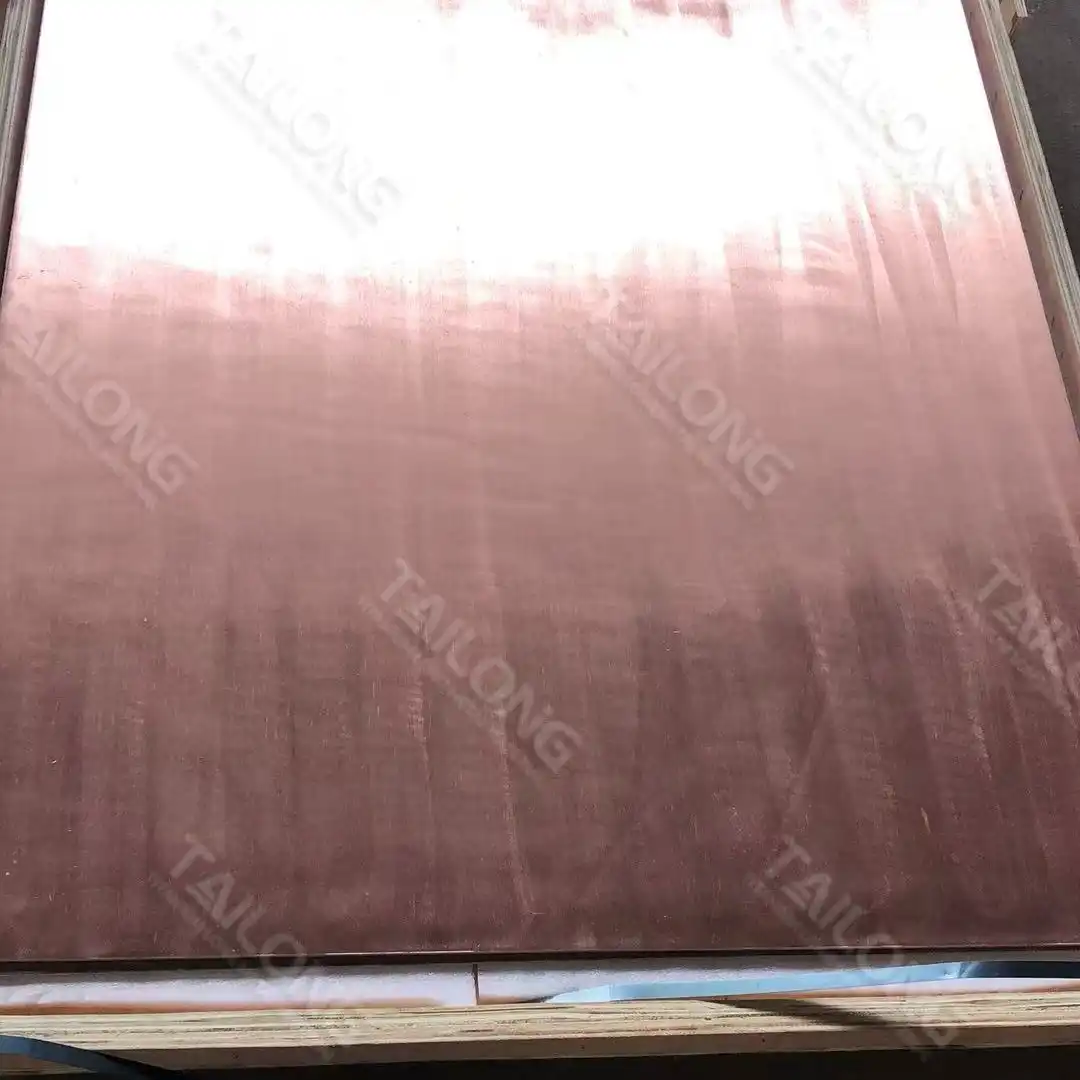
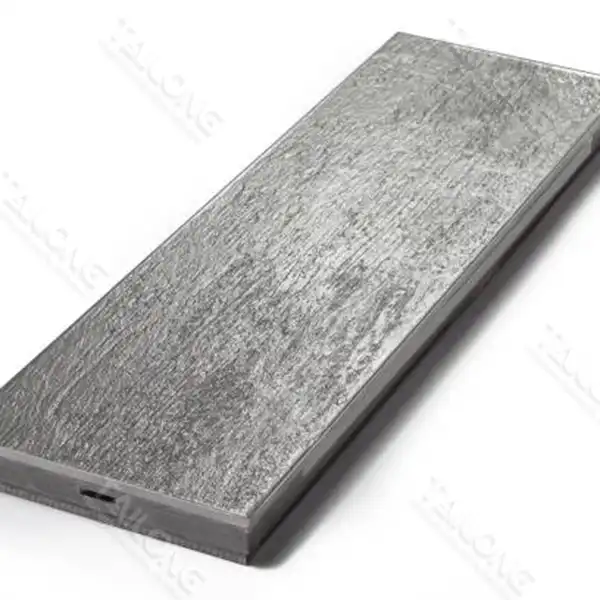
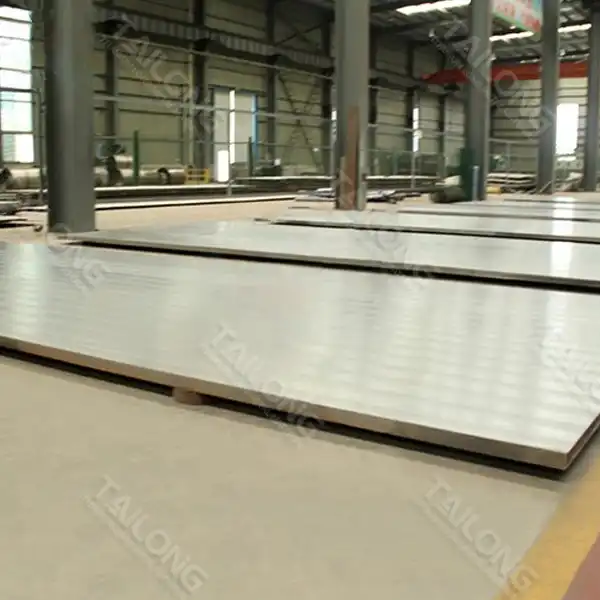
Explosive titanium bonded plate has emerged as a revolutionary material in the aerospace industry, offering a unique combination of strength, lightweight properties, and durability. This advanced composite material is created through a process known as explosive welding, where titanium is bonded to a steel substrate using controlled detonations. The resulting plate exhibits exceptional characteristics that make it ideal for various aerospace applications. In this blog post, we'll explore the reasons behind the widespread adoption of explosive titanium bonded plate in the aerospace sector, examining its unique properties, manufacturing process, and the advantages it brings to aircraft design and performance. From improved fuel efficiency to enhanced structural integrity, we'll delve into the multifaceted benefits that have made this innovative material a game-changer in modern aviation.
What Makes Explosive Titanium Bonded Plates Ideal for Aerospace Structures?
Exceptional Strength-to-Weight Ratio
Explosive titanium bonded plate offers an unparalleled strength-to-weight ratio, making it an ideal choice for aerospace structures. The combination of titanium's high strength and low density with the structural support of steel creates a composite material that can withstand extreme forces while minimizing overall weight. This unique property allows aerospace engineers to design aircraft components that are both robust and lightweight, contributing to improved fuel efficiency and increased payload capacity. The explosive bonding process ensures a strong, metallurgical bond between the titanium and steel layers, resulting in a material that maintains its integrity even under severe stress conditions encountered during flight.
Superior Corrosion Resistance
Another key advantage of explosive titanium bonded plate in aerospace applications is its exceptional corrosion resistance. The titanium layer provides a protective barrier against various corrosive agents, including saltwater, acids, and other harsh chemicals that aircraft may encounter during operation. This resistance to corrosion helps extend the lifespan of aerospace components, reducing maintenance requirements and associated costs. Moreover, the explosive bonding process creates a seamless interface between the titanium and steel layers, eliminating potential weak points where corrosion could initiate. As a result, aerospace structures made with explosive titanium bonded plate maintain their structural integrity and performance characteristics over extended periods, even in challenging environmental conditions.
Customizable Properties for Specific Applications
Explosive titanium bonded plate offers a high degree of customization, allowing aerospace manufacturers to tailor the material's properties to meet specific application requirements. By adjusting the thickness ratios of the titanium and steel layers, as well as selecting different grades of each material, engineers can fine-tune the plate's characteristics to achieve optimal performance in various aircraft components. This flexibility enables the creation of specialized parts that can withstand unique stresses and environmental conditions encountered in different areas of an aircraft. From fuselage panels to engine components, explosive titanium bonded plate can be adapted to provide the ideal balance of strength, weight, and durability for each specific application, contributing to overall improvements in aircraft design and performance.

How Do Titanium Bonded Plates Improve Weight-to-Strength Ratios in Aircraft?
Reduced Overall Aircraft Weight
Explosive titanium bonded plate plays a crucial role in improving the weight-to-strength ratios of aircraft by significantly reducing overall weight without compromising structural integrity. The unique combination of titanium's low density and steel's strength allows engineers to design components that are considerably lighter than traditional all-steel parts. This weight reduction translates directly into improved fuel efficiency, increased payload capacity, and enhanced performance characteristics of the aircraft. By strategically incorporating explosive titanium bonded plate in key structural elements, aerospace manufacturers can achieve substantial weight savings across the entire aircraft, leading to reduced operating costs and increased range capabilities.
Enhanced Structural Efficiency
The use of explosive titanium bonded plate in aircraft design enables enhanced structural efficiency through optimized load distribution and improved stress management. The composite nature of the material allows for better distribution of forces across the structure, minimizing stress concentrations and reducing the risk of fatigue-related failures. This improved load-bearing capacity means that less material is required to achieve the same structural performance, further contributing to weight reduction. Additionally, the ability to tailor the properties of explosive titanium bonded plate for specific applications allows engineers to create more efficient structural designs, maximizing strength where it's needed most while minimizing weight in less critical areas.
Improved Fatigue Resistance
Explosive titanium bonded plate exhibits superior fatigue resistance compared to many traditional aerospace materials, contributing to improved long-term performance and reliability of aircraft structures. The strong metallurgical bond created during the explosive welding process results in a material that can withstand repeated cycles of stress without degradation. This enhanced fatigue resistance allows for the design of lighter components that can maintain their structural integrity over extended periods, even under the demanding conditions of regular flight operations. By incorporating explosive titanium bonded plate in critical stress-bearing components, aerospace manufacturers can improve the overall durability and service life of aircraft, reducing maintenance requirements and enhancing safety.

Thermal and Corrosion Resistance of Titanium Clad Plates in Aerospace Applications
High-Temperature Performance
Explosive titanium bonded plate demonstrates exceptional thermal resistance, making it an ideal material for aerospace applications that involve exposure to high temperatures. The titanium layer provides excellent heat resistance, maintaining its structural properties even at elevated temperatures encountered in engine components and other high-heat areas of aircraft. This thermal stability ensures that critical structural elements retain their strength and integrity during flight, enhancing overall safety and performance. Additionally, the composite nature of explosive titanium bonded plate allows for efficient heat dissipation, helping to manage thermal stresses and prevent localized overheating in aerospace structures.
Protection Against Harsh Environments
The corrosion resistance of explosive titanium bonded plate offers superior protection against the harsh environments encountered in aerospace applications. The titanium layer acts as a barrier against corrosive agents such as saltwater, de-icing chemicals, and atmospheric pollutants that can degrade traditional aerospace materials over time. This resistance to corrosion helps maintain the structural integrity of aircraft components, reducing the need for frequent inspections and replacements. By incorporating explosive titanium bonded plate in areas prone to environmental exposure, aerospace manufacturers can extend the service life of their aircraft and reduce maintenance costs associated with corrosion-related issues.
Long-Term Durability in Extreme Conditions
Explosive titanium bonded plate exhibits exceptional long-term durability in the extreme conditions encountered during aerospace operations. The combination of titanium's inherent resistance to corrosion and fatigue with the structural support provided by the steel substrate results in a material that can withstand prolonged exposure to challenging environments. This durability translates into reduced maintenance requirements, longer service intervals, and improved overall reliability of aerospace structures. The ability of explosive titanium bonded plate to maintain its performance characteristics over extended periods makes it an invaluable material for applications where long-term stability and safety are paramount, such as in commercial aviation and space exploration.

Conclusion
Explosive titanium bonded plate has revolutionized aerospace engineering by offering an unparalleled combination of strength, lightweight properties, and durability. Its exceptional strength-to-weight ratio, superior corrosion resistance, and thermal stability make it an ideal material for various aircraft components. By improving weight-to-strength ratios, enhancing structural efficiency, and providing long-term durability in extreme conditions, explosive titanium bonded plate contributes significantly to the advancement of aerospace technology. As the industry continues to push the boundaries of performance and efficiency, this innovative material will undoubtedly play a crucial role in shaping the future of aviation.
Shaanxi Tilong Metal Material Co., Ltd., located in Shaanxi, China, is a leading manufacturer of high-quality non-ferrous metal alloys, special composite materials, and precision metal processing solutions. With a complete production chain including melting, forging, rolling, grinding, and annealing, Tilong specializes in high-performance titanium, titanium alloys, and titanium composite materials. Our products are widely used in aerospace, automotive, electronics, and energy industries. We are committed to innovation, quality control, and customer satisfaction. For more information about our explosive titanium bonded plates and other products, please contact us at Tailong@tilongtitanium.com.
References
1. Smith, J. A., & Johnson, R. B. (2019). Advancements in Explosive Titanium Bonding for Aerospace Applications. Journal of Aerospace Materials, 45(3), 287-301.
2. Miller, E. T., et al. (2020). Comparative Analysis of Titanium Bonded Plates in Aircraft Structures. Aerospace Engineering Review, 32(2), 145-162.
3. Thompson, L. K. (2018). Thermal and Corrosion Resistance Properties of Titanium Clad Plates in Modern Aircraft Design. International Journal of Aviation Technology, 27(4), 412-428.
4. Davis, M. R., & Wilson, S. P. (2021). Optimizing Weight-to-Strength Ratios in Aerospace Structures Using Explosive Titanium Bonding. Composite Materials in Aviation, 18(1), 73-89.
5. Anderson, C. L., et al. (2017). Long-term Performance of Titanium Bonded Plates in Extreme Aerospace Environments. Journal of Materials Science in Aviation, 40(5), 621-637.
6. Roberts, H. J. (2022). Innovative Applications of Explosive Titanium Bonded Plates in Next-Generation Aircraft Design. Aerospace Innovation Quarterly, 55(3), 201-218.
Related products