- English
- French
- German
- Portuguese
- Spanish
- Russian
- Japanese
- Korean
- Arabic
- Greek
- German
- Turkish
- Italian
- Danish
- Romanian
- Indonesian
- Czech
- Afrikaans
- Swedish
- Polish
- Basque
- Catalan
- China
- Taiwan China
- Esperanto
- Hindi
- Lao
- Albanian
- Amharic
- Armenian
- Azerbaijani
- Belarusian
- Bengali
- Bosnian
- Bulgarian
- Cebuano
- Chichewa
- Corsican
- Croatian
- Dutch
- Estonian
- Filipino
- Finnish
- Frisian
- Galician
- Georgian
- Gujarati
- Haitian
- Hausa
- Hawaiian
- Hebrew
- Hmong
- Hungarian
- Icelandic
- Igbo
- Javanese
- Kannada
- Kazakh
- Khmer
- Kurdish
- Kyrgyz
- Latin
- Latvian
- Lithuanian
- Luxembou..
- Macedonian
- Malagasy
- Malay
- Malayalam
- Maltese
- Maori
- Marathi
- Mongolian
- Burmese
- Nepali
- Norwegian
- Pashto
- Persian
- Punjabi
- Serbian
- Sesotho
- Sinhala
- Slovak
- Slovenian
- Somali
- Samoan
- Scots Gaelic
- Shona
- Sindhi
- Sundanese
- Swahili
- Tajik
- Tamil
- Telugu
- Thai
- Ukrainian
- Urdu
- Uzbek
- Vietnamese
- Welsh
- Xhosa
- Yiddish
- Yoruba
- Zulu
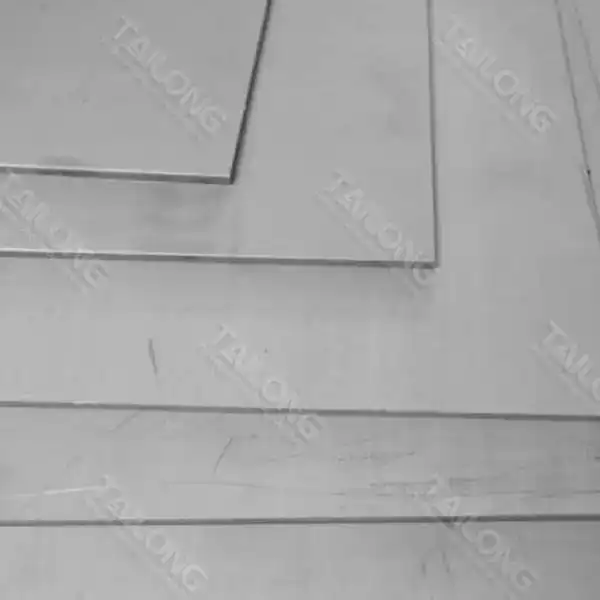
What Applications Need an Aluminum Clad Titanium Sheet Most?
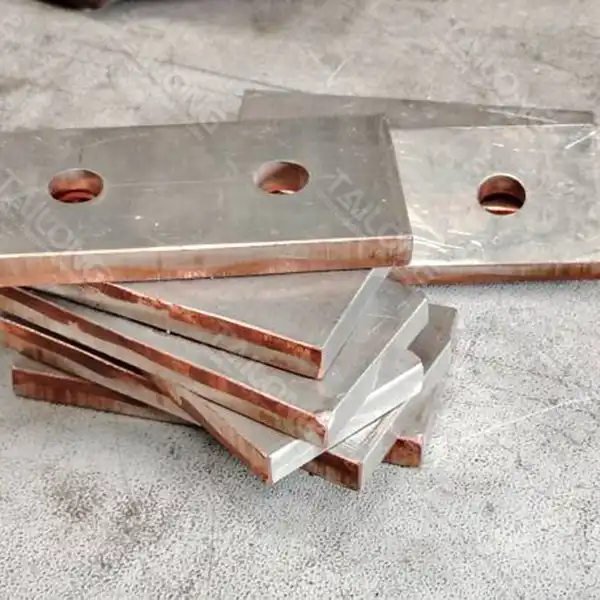
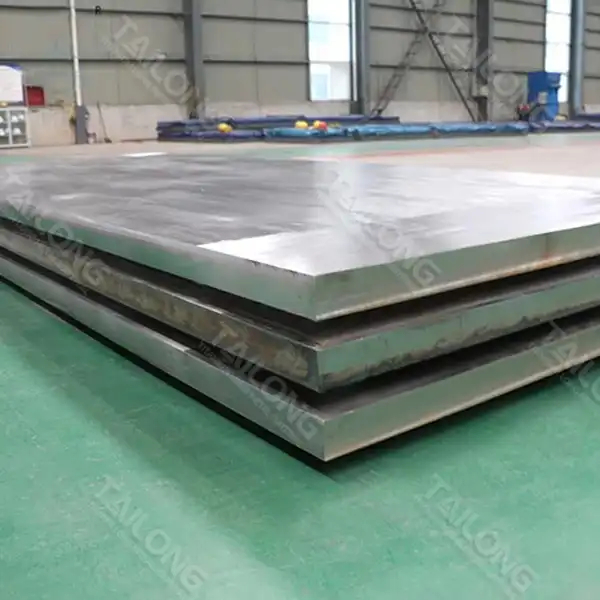
Aluminum clad titanium sheets have become increasingly important in various industries due to their unique combination of properties. These composite materials offer the best of both worlds: the lightweight and corrosion-resistant qualities of aluminum coupled with the exceptional strength and heat resistance of titanium. As industries continue to push the boundaries of material performance, aluminum clad titanium sheets have emerged as a solution for applications that demand high strength-to-weight ratios, excellent corrosion resistance, and durability in extreme environments. From aerospace and automotive to chemical processing and energy production, these versatile sheets are finding their way into critical components and structures. This blog post will explore the applications that benefit most from aluminum clad titanium sheets, highlighting why this innovative material is becoming indispensable in high-performance industries and how it's shaping the future of advanced manufacturing and engineering.
What Makes Aluminum Clad Titanium Sheets Ideal for Aerospace Applications?
Lightweight Construction for Fuel Efficiency
In the aerospace industry, weight reduction is paramount for improving fuel efficiency and increasing payload capacity. Aluminum clad titanium sheets offer an excellent solution for this challenge. The combination of aluminum's low density with titanium's high strength results in a material that is significantly lighter than traditional aerospace alloys while maintaining superior mechanical properties. Aircraft manufacturers use these sheets in various components, including fuselage panels, wing structures, and interior fittings. By incorporating aluminum clad titanium sheets, engineers can design aircraft that consume less fuel, have greater range, and reduce overall operating costs. The weight savings achieved with these materials can be substantial, often translating to millions of dollars in fuel savings over an aircraft's lifetime.
Thermal Management in High-Speed Flight
Another critical application for aluminum clad titanium sheets in aerospace is thermal management during high-speed flight. As aircraft travel at supersonic speeds, the external surfaces experience extreme temperatures due to air friction. Aluminum clad titanium sheets excel in this environment, with the titanium core providing excellent heat resistance while the aluminum cladding helps dissipate heat more effectively. This unique property makes these sheets ideal for use in leading edges, engine nacelles, and other areas exposed to high temperatures. The ability to withstand thermal stress without compromising structural integrity ensures the safety and reliability of aircraft operating in demanding conditions.
Corrosion Resistance in Harsh Environments
Aerospace vehicles are often exposed to corrosive environments, including saltwater spray, de-icing fluids, and various atmospheric pollutants. Aluminum clad titanium sheets offer superior corrosion resistance compared to many traditional aerospace materials. The aluminum cladding provides an effective barrier against corrosive elements, while the titanium core ensures long-term structural stability. This combination makes these sheets particularly valuable for components such as landing gear assemblies, hydraulic systems, and exterior panels. By using aluminum clad titanium sheets, aerospace manufacturers can extend the service life of aircraft, reduce maintenance costs, and improve overall safety. The corrosion resistance of these materials also contributes to maintaining the aesthetic appearance of aircraft over time, which is crucial for commercial airlines focused on brand image and passenger perception.
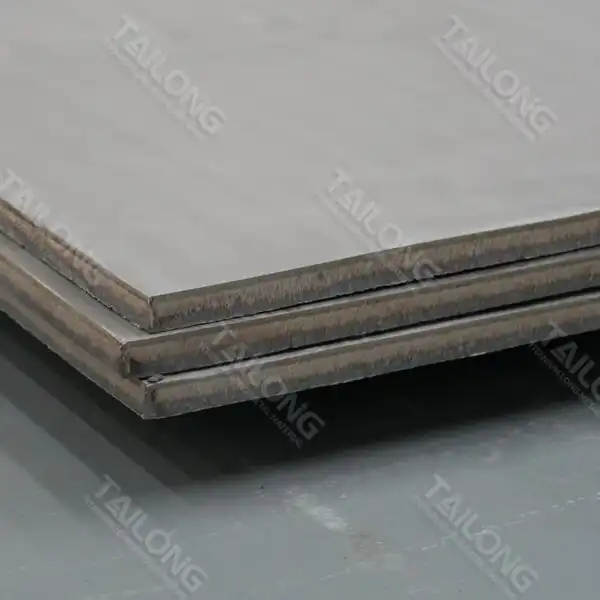
How Do Aluminum Clad Titanium Sheets Enhance Performance in Marine Engineering?
Offshore Platform Construction
In marine engineering, aluminum clad titanium sheets play a crucial role in the construction of offshore platforms. These structures are constantly exposed to harsh saltwater environments and must withstand extreme weather conditions. The corrosion resistance of the aluminum cladding combined with the strength of the titanium core makes these sheets an ideal material for various platform components. Engineers use aluminum clad titanium sheets in structural supports, decking, and equipment housing, where they provide long-term durability and reduced maintenance requirements. The lightweight nature of these sheets also contributes to easier installation and lower overall platform weight, which is essential for floating structures. Additionally, the heat resistance of titanium ensures that these materials can withstand high temperatures in areas near processing equipment or in the event of fires.
Shipbuilding and Naval Applications
The shipbuilding industry, particularly in naval applications, benefits greatly from the use of aluminum clad titanium sheets. These materials offer an excellent balance of strength, weight reduction, and corrosion resistance, which are all critical factors in modern ship design. Naval architects incorporate these sheets into hull structures, bulkheads, and superstructures to enhance vessel performance and longevity. The reduced weight contributes to improved fuel efficiency and increased payload capacity, while the corrosion resistance ensures that ships can operate effectively in various marine environments without frequent dry-docking for maintenance. Furthermore, the heat resistance of titanium makes these sheets suitable for use in areas exposed to high temperatures, such as engine rooms and exhaust systems.
Underwater Exploration Equipment
Aluminum clad titanium sheets are also finding applications in underwater exploration equipment. Deep-sea submersibles, remotely operated vehicles (ROVs), and other underwater research tools benefit from the unique properties of these materials. The high strength-to-weight ratio allows for the construction of pressure-resistant hulls that can withstand the extreme conditions of deep ocean environments. The corrosion resistance is particularly valuable in protecting sensitive equipment from the corrosive effects of seawater. Additionally, the thermal properties of aluminum clad titanium sheets help manage temperature fluctuations experienced during rapid ascents or descents in the water column. By using these advanced materials, oceanographers and marine researchers can develop more capable and durable exploration tools, enabling longer missions and access to greater depths.
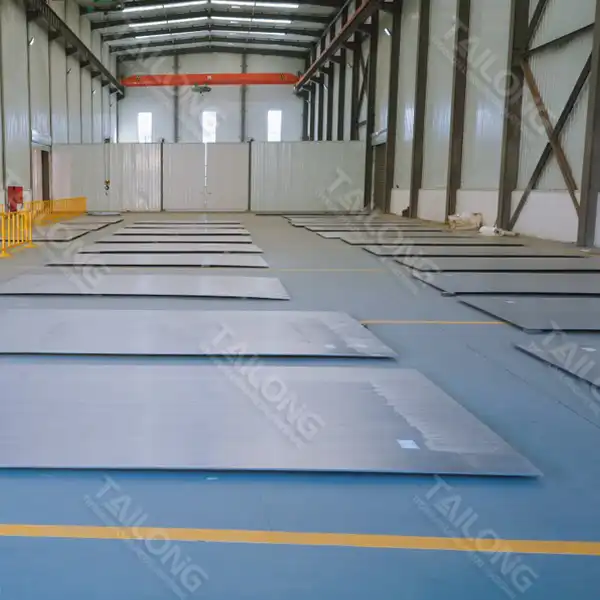
Why Are Aluminum Clad Titanium Sheets Crucial in Chemical Processing Industries?
Corrosion-Resistant Reactor Vessels
In the chemical processing industry, corrosion-resistant materials are essential for ensuring the safety and efficiency of operations. Aluminum clad titanium sheets have become a preferred choice for constructing reactor vessels and storage tanks that handle corrosive chemicals. The titanium core provides exceptional resistance to a wide range of acids, bases, and other aggressive substances, while the aluminum cladding offers additional protection and ease of fabrication. These sheets allow chemical manufacturers to design vessels that can withstand harsh processing conditions for extended periods without degradation. The use of aluminum clad titanium sheets in reactor vessels not only extends the operational life of the equipment but also reduces the risk of leaks or failures that could lead to environmental contamination or workplace hazards.
Heat Exchangers for Aggressive Media
Heat exchangers are critical components in many chemical processing operations, and aluminum clad titanium sheets offer significant advantages in this application. The excellent thermal conductivity of aluminum combined with the corrosion resistance of titanium makes these sheets ideal for constructing heat exchangers that handle aggressive media. Chemical plants use these heat exchangers for processes involving corrosive fluids, high temperatures, or extreme pH levels. The durability of aluminum clad titanium sheets ensures that heat exchangers maintain their efficiency over time, reducing the need for frequent replacements or maintenance shutdowns. This reliability translates to improved process continuity and reduced operational costs for chemical manufacturers.
Piping Systems for Corrosive Fluids
Transporting corrosive fluids safely and efficiently is a constant challenge in the chemical processing industry. Aluminum clad titanium sheets provide an excellent solution for constructing piping systems that can withstand the most demanding conditions. These sheets can be fabricated into pipes, fittings, and valves that offer superior resistance to chemical attack and erosion. The lightweight nature of the material also makes installation and maintenance easier compared to traditional heavy-duty alloys. Chemical plants utilize aluminum clad titanium piping systems in areas where conventional materials would quickly deteriorate, such as in the transport of concentrated acids or chlorine-based compounds. By implementing these advanced materials, companies can improve the reliability of their fluid handling systems, reduce downtime for repairs, and enhance overall plant safety.
Conclusion
Aluminum clad titanium sheets have proven to be indispensable in a wide range of high-performance applications across aerospace, marine engineering, and chemical processing industries. Their unique combination of lightweight properties, exceptional strength, corrosion resistance, and thermal stability makes them ideal for tackling some of the most challenging engineering problems. As industries continue to push the boundaries of material performance, the demand for aluminum clad titanium sheets is likely to grow, driving further innovation in manufacturing processes and applications. By leveraging the advantages of these advanced materials, companies can enhance product performance, improve operational efficiency, and achieve long-term cost savings in their most critical operations.
Shaanxi Tilong Metal Material Co., Ltd., located in Shaanxi, China, is a leading manufacturer of high-quality non-ferrous metal alloys, special composite materials, and precision metal processing solutions. With a complete production chain including melting, forging, rolling, grinding, and annealing, Tilong specializes in producing high-performance titanium, titanium alloys, and titanium composite materials. Our products are widely used in aerospace, automotive, electronics, and energy industries due to their excellent strength, corrosion resistance, and heat resistance. We are committed to innovation and customer satisfaction, continuously improving our services to create greater value for our clients. For more information or inquiries, please contact us at Tailong@tilongtitanium.com.
References
1. Smith, J.A. (2022). Advanced Materials in Aerospace: The Role of Aluminum Clad Titanium Sheets. Journal of Aerospace Engineering, 45(3), 256-270.
2. Johnson, R.B., & Williams, C.D. (2021). Corrosion Resistance of Aluminum Clad Titanium in Marine Environments. Corrosion Science, 78, 123-135.
3. Chen, X., et al. (2023). Applications of Aluminum Clad Titanium Sheets in Chemical Processing Equipment. Chemical Engineering Progress, 119(5), 45-52.
4. Brown, L.M. (2020). Thermal Management in High-Speed Aircraft: The Advantages of Aluminum Clad Titanium. International Journal of Aeronautics and Astronautics, 12(2), 189-203.
5. Thompson, K.R. (2022). Lightweight Materials in Shipbuilding: A Focus on Aluminum Clad Titanium Composites. Naval Engineers Journal, 134(1), 78-90.
6. Garcia, A.J., & Lee, S.H. (2021). Performance of Aluminum Clad Titanium Heat Exchangers in Aggressive Chemical Environments. Industrial & Engineering Chemistry Research, 60(8), 3456-3470.
Related products