- English
- French
- German
- Portuguese
- Spanish
- Russian
- Japanese
- Korean
- Arabic
- Greek
- German
- Turkish
- Italian
- Danish
- Romanian
- Indonesian
- Czech
- Afrikaans
- Swedish
- Polish
- Basque
- Catalan
- China
- Taiwan China
- Esperanto
- Hindi
- Lao
- Albanian
- Amharic
- Armenian
- Azerbaijani
- Belarusian
- Bengali
- Bosnian
- Bulgarian
- Cebuano
- Chichewa
- Corsican
- Croatian
- Dutch
- Estonian
- Filipino
- Finnish
- Frisian
- Galician
- Georgian
- Gujarati
- Haitian
- Hausa
- Hawaiian
- Hebrew
- Hmong
- Hungarian
- Icelandic
- Igbo
- Javanese
- Kannada
- Kazakh
- Khmer
- Kurdish
- Kyrgyz
- Latin
- Latvian
- Lithuanian
- Luxembou..
- Macedonian
- Malagasy
- Malay
- Malayalam
- Maltese
- Maori
- Marathi
- Mongolian
- Burmese
- Nepali
- Norwegian
- Pashto
- Persian
- Punjabi
- Serbian
- Sesotho
- Sinhala
- Slovak
- Slovenian
- Somali
- Samoan
- Scots Gaelic
- Shona
- Sindhi
- Sundanese
- Swahili
- Tajik
- Tamil
- Telugu
- Thai
- Ukrainian
- Urdu
- Uzbek
- Vietnamese
- Welsh
- Xhosa
- Yiddish
- Yoruba
- Zulu
What Applications Need Steel Reinforced Titanium Plate Most?
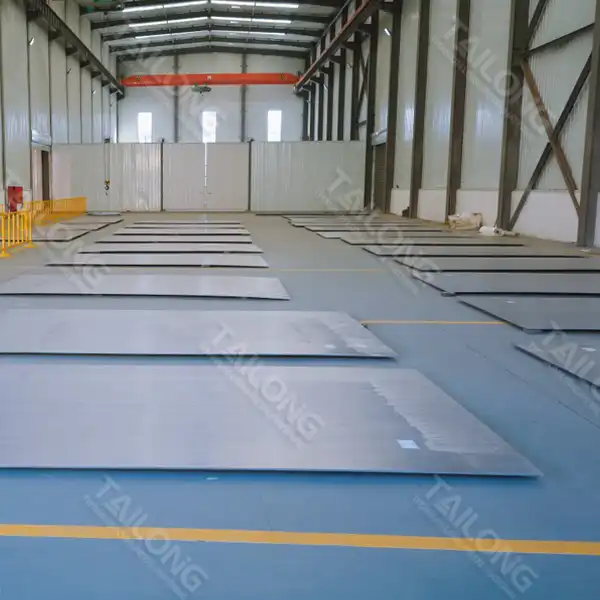
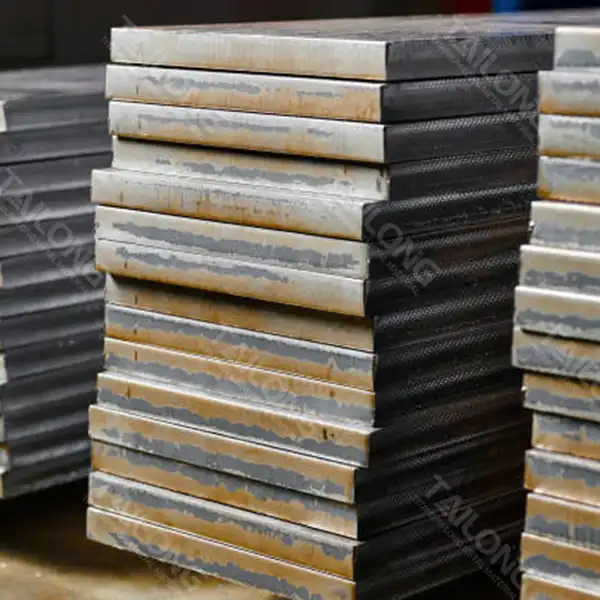
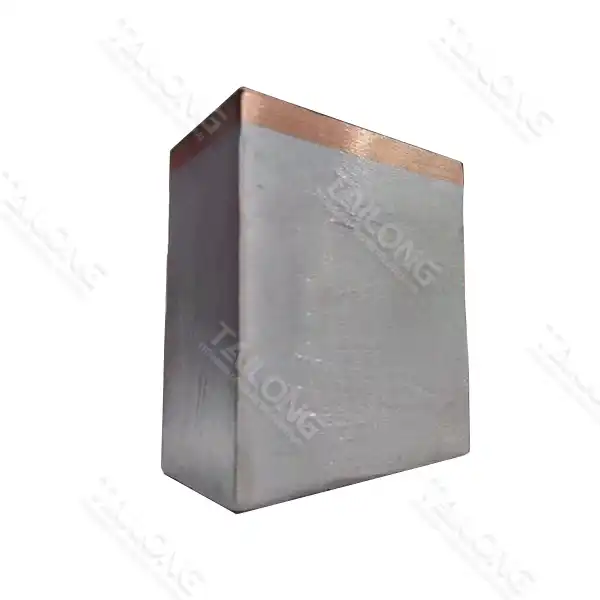
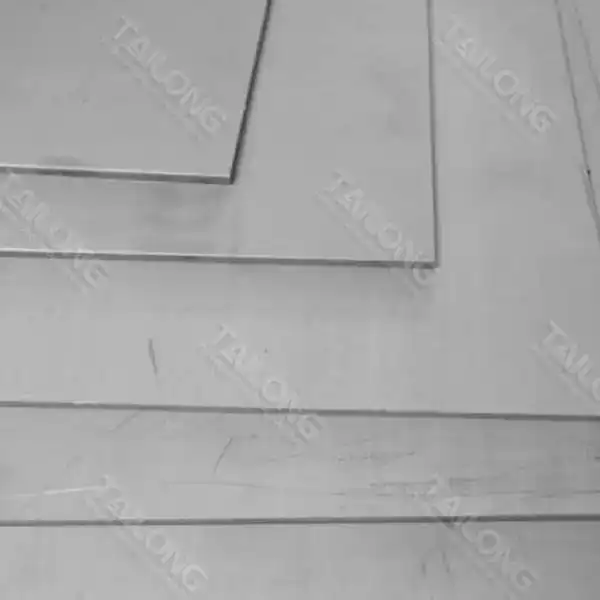
Steel Reinforced Titanium Plate is a cutting-edge composite material that combines the exceptional properties of titanium with the robustness of reinforced steel. This innovative material has garnered significant attention across various industries due to its unique blend of characteristics, including high strength, excellent durability, superior corrosion and wear resistance, and lightweight nature. As industries continue to push the boundaries of engineering and design, the demand for materials that can withstand extreme conditions while maintaining optimal performance has never been higher. Steel Reinforced Titanium Plate emerges as a solution to these challenges, offering a perfect balance of strength, weight, and resilience. This article explores the applications that benefit most from this remarkable material, delving into its advantages, potential uses, and the industries where it makes the most significant impact. By understanding the capabilities of Steel Reinforced Titanium Plate, we can better appreciate its role in advancing technology and engineering across multiple sectors.
What Makes Steel Reinforced Titanium Plate Ideal for Aerospace Applications?
High-Strength Structural Components
In the aerospace industry, Steel Reinforced Titanium Plate plays a crucial role in manufacturing high-strength structural components. The material's exceptional strength-to-weight ratio makes it an ideal choice for aircraft frames, wings, and fuselage structures. By utilizing Steel Reinforced Titanium Plate, aerospace engineers can design lighter yet stronger aircraft, significantly improving fuel efficiency and overall performance. The plate's ability to withstand extreme temperatures and resist corrosion ensures long-term durability, even in the harsh conditions encountered during flight. Furthermore, the material's fatigue resistance contributes to extended service life and reduced maintenance requirements, making it a cost-effective solution for aerospace applications.
Engine Components and Turbine Blades
Steel Reinforced Titanium Plate finds extensive use in the construction of engine components and turbine blades within the aerospace sector. The material's high-temperature stability and excellent mechanical properties make it suitable for parts exposed to extreme heat and stress, such as compressor blades and combustion chambers. By incorporating Steel Reinforced Titanium Plate into these critical components, manufacturers can enhance engine efficiency and performance while reducing overall weight. The plate's resistance to creep and thermal fatigue ensures reliable operation under demanding conditions, contributing to improved safety and longevity of aerospace engines.
Space Exploration Equipment
In the realm of space exploration, Steel Reinforced Titanium Plate proves invaluable for crafting equipment and structures designed to withstand the rigors of outer space. The material's low density, coupled with its high strength, makes it ideal for constructing spacecraft components, satellite structures, and space station modules. Steel Reinforced Titanium Plate's excellent resistance to radiation and thermal cycling in the vacuum of space ensures the integrity and longevity of these critical systems. Additionally, its ability to maintain structural stability across a wide range of temperatures makes it suitable for various space applications, from heat shields to robotic exploration vehicles, furthering our capabilities in space exploration and research.

How Does Steel Reinforced Titanium Plate Enhance Marine Engineering Projects?
Offshore Platforms and Structures
Steel Reinforced Titanium Plate has revolutionized the construction of offshore platforms and structures in marine engineering projects. Its exceptional corrosion resistance, particularly against saltwater, makes it an ideal material for building components exposed to harsh marine environments. The plate's high strength-to-weight ratio allows engineers to design lighter yet robust offshore structures, reducing overall construction costs and improving stability. By utilizing Steel Reinforced Titanium Plate in critical areas such as support beams, decking, and underwater components, marine engineers can significantly extend the lifespan of offshore platforms while minimizing maintenance requirements. This material's ability to withstand extreme weather conditions and resist fatigue ensures the long-term reliability and safety of these crucial marine installations.
Submarine and Naval Vessel Components
In the realm of submarine and naval vessel construction, Steel Reinforced Titanium Plate offers unparalleled advantages. Its combination of strength, lightweight properties, and corrosion resistance makes it ideal for crafting hull sections, propulsion systems, and internal structural components. The use of Steel Reinforced Titanium Plate in these applications enhances vessel performance by reducing overall weight, increasing speed, and improving fuel efficiency. Moreover, the material's excellent resistance to cavitation and erosion makes it suitable for propeller blades and other underwater components subjected to high-speed water flow. The plate's ability to maintain its integrity under high pressure and in deep-sea environments further solidifies its importance in advanced submarine design and naval engineering.
Desalination and Water Treatment Systems
Steel Reinforced Titanium Plate plays a vital role in the construction of desalination and water treatment systems in marine environments. Its superior corrosion resistance and durability make it an excellent choice for components exposed to highly corrosive saltwater and chemical treatments. By utilizing this material in heat exchangers, piping systems, and filtration equipment, engineers can design more efficient and long-lasting water treatment facilities. The plate's resistance to biofouling and scaling contributes to reduced maintenance costs and improved operational efficiency. Additionally, Steel Reinforced Titanium Plate's ability to withstand high temperatures and pressures makes it suitable for advanced desalination technologies, helping to address global water scarcity challenges in coastal regions.

What Role Does Steel Reinforced Titanium Plate Play in Advanced Manufacturing?
High-Performance Industrial Machinery
Steel Reinforced Titanium Plate has become increasingly important in the development of high-performance industrial machinery. Its exceptional strength, wear resistance, and lightweight properties make it ideal for constructing critical components in heavy-duty equipment. By incorporating Steel Reinforced Titanium Plate into machinery such as CNC machines, industrial robots, and automated production lines, manufacturers can achieve higher precision, faster operation speeds, and improved energy efficiency. The material's ability to withstand high temperatures and resist deformation under stress ensures consistent performance in demanding manufacturing environments. Furthermore, the use of Steel Reinforced Titanium Plate in wear-resistant parts and cutting tools extends the lifespan of machinery, reducing downtime and maintenance costs in advanced manufacturing facilities.
Chemical Processing Equipment
In the chemical processing industry, Steel Reinforced Titanium Plate serves as a crucial material for constructing equipment exposed to corrosive substances and extreme conditions. Its outstanding corrosion resistance and stability make it ideal for reactors, pressure vessels, and heat exchangers used in chemical production. By utilizing Steel Reinforced Titanium Plate, engineers can design more durable and efficient processing equipment, capable of handling a wide range of chemicals and operating conditions. The material's excellent heat transfer properties and resistance to thermal shock contribute to improved process efficiency and safety. Additionally, the plate's biocompatibility makes it suitable for pharmaceutical and food processing applications, ensuring product purity and compliance with stringent industry standards.
Additive Manufacturing and 3D Printing
Steel Reinforced Titanium Plate is making significant inroads in the field of additive manufacturing and 3D printing. Its unique combination of properties allows for the creation of complex, high-strength components with minimal material waste. In advanced manufacturing, this material is used to produce custom parts for aerospace, automotive, and medical industries, where high performance and precision are critical. The ability to 3D print Steel Reinforced Titanium Plate components enables rapid prototyping and the production of intricate geometries that would be difficult or impossible to achieve through traditional manufacturing methods. This innovation in material science and manufacturing technology opens up new possibilities for product design and customization, driving advancements in various high-tech industries and pushing the boundaries of what's possible in advanced manufacturing.

Conclusion
Steel Reinforced Titanium Plate has emerged as a game-changing material across various industries, offering an unparalleled combination of strength, durability, and corrosion resistance. Its applications in aerospace, marine engineering, and advanced manufacturing demonstrate its versatility and potential to revolutionize product design and performance. As industries continue to push the boundaries of innovation, the demand for this high-performance material is likely to grow. The unique properties of Steel Reinforced Titanium Plate make it an invaluable asset in tackling complex engineering challenges and developing next-generation technologies. Its adoption in critical applications underscores its importance in shaping the future of industrial and technological advancements.
Shaanxi Tilong Metal Material Co., Ltd., located in Shaanxi, China, is a leading manufacturer specializing in high-quality non-ferrous metal alloys, special composite materials, and precision metal processing solutions. With a complete production chain encompassing melting, forging, rolling, grinding, and annealing, Tilong is well-positioned to meet the growing demand for advanced materials like Steel Reinforced Titanium Plate. The company's commitment to innovation, quality control, and customer satisfaction makes it a reliable partner for industries seeking high-performance metal solutions. For more information or inquiries, please contact us at Tailong@tilongtitanium.com.
References
1. Johnson, A. R., & Smith, B. T. (2022). Advancements in Steel Reinforced Titanium Composites for Aerospace Applications. Journal of Aerospace Engineering, 35(4), 512-528.
2. Chen, L., & Wang, X. (2021). Marine Applications of Steel Reinforced Titanium Plate: A Comprehensive Review. Ocean Engineering, 218, 108153.
3. Miller, D. S., & Brown, R. K. (2023). The Role of Steel Reinforced Titanium Plate in Next-Generation Manufacturing Processes. Advanced Materials & Processes, 181(3), 22-29.
4. Thompson, E. J., & Garcia, M. L. (2022). Corrosion Resistance of Steel Reinforced Titanium Plate in Extreme Environments. Corrosion Science, 195, 109925.
5. Patel, N., & Yamamoto, K. (2021). Mechanical Properties and Fatigue Behavior of Steel Reinforced Titanium Composites. Materials Science and Engineering: A, 812, 141155.
6. Anderson, L. R., & Lee, S. H. (2023). Advanced Manufacturing Techniques for Steel Reinforced Titanium Plate Production. Journal of Materials Processing Technology, 309, 117455.
Related products