- English
- French
- German
- Portuguese
- Spanish
- Russian
- Japanese
- Korean
- Arabic
- Greek
- German
- Turkish
- Italian
- Danish
- Romanian
- Indonesian
- Czech
- Afrikaans
- Swedish
- Polish
- Basque
- Catalan
- China
- Taiwan China
- Esperanto
- Hindi
- Lao
- Albanian
- Amharic
- Armenian
- Azerbaijani
- Belarusian
- Bengali
- Bosnian
- Bulgarian
- Cebuano
- Chichewa
- Corsican
- Croatian
- Dutch
- Estonian
- Filipino
- Finnish
- Frisian
- Galician
- Georgian
- Gujarati
- Haitian
- Hausa
- Hawaiian
- Hebrew
- Hmong
- Hungarian
- Icelandic
- Igbo
- Javanese
- Kannada
- Kazakh
- Khmer
- Kurdish
- Kyrgyz
- Latin
- Latvian
- Lithuanian
- Luxembou..
- Macedonian
- Malagasy
- Malay
- Malayalam
- Maltese
- Maori
- Marathi
- Mongolian
- Burmese
- Nepali
- Norwegian
- Pashto
- Persian
- Punjabi
- Serbian
- Sesotho
- Sinhala
- Slovak
- Slovenian
- Somali
- Samoan
- Scots Gaelic
- Shona
- Sindhi
- Sundanese
- Swahili
- Tajik
- Tamil
- Telugu
- Thai
- Ukrainian
- Urdu
- Uzbek
- Vietnamese
- Welsh
- Xhosa
- Yiddish
- Yoruba
- Zulu
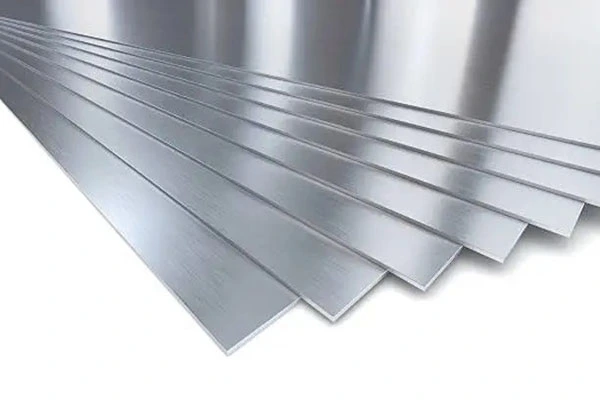
Copper Reinforced Titanium Plate
Cladding Material: Gr1, Gr2, Gr7, Gr5 (ASTM B265)
Base Material: T2,H62,C11000,c12200 etc
Applicable Standards:ASTM B898, ASTM B265, GB/T 8547v
Plate Size:1000 mm × 6000 mm (Customizable)
Cladding Thickness:1.0 mm – 10.0 mm
Base Thickness:3.0 mm – 50.0 mm
Copper Reinforced Titanium Plate: The Perfect Alloy for High-Performance Industries
Product Introduction
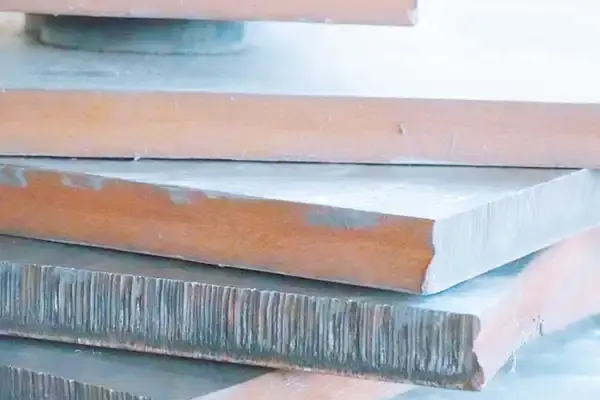
Copper-reinforced titanium alloy plates are a new type of functional composite material that achieves atomic-level metallurgical bonding at the interface between high-conductivity and high-thermal conductivity copper or copper alloys and high-strength and corrosion-resistant titanium alloys through precise solid-state composite technologies (such as explosive composite and rolled composite). It perfectly combines the "surface properties of titanium" and the "internal properties of copper", and is specially designed to solve high-demand electrical, heat transfer and special environmental applications.
The components with outstanding electrical conductivity, thermal conductivity or electromagnetic shielding performance without sacrificing titanium's corrosion resistance, strength and lightweight advantages.
Key technologies:
1. Structure: Typically, it is a double-layer composite (titanium/copper) or a symmetrical three-layer composite (copper/titanium/copper), and the main titanium layer or the main copper layer can be adjusted according to the primary function.
2. Precision Explosive Bonding: Achieves large-area titanium-copper bonding under instantaneous high pressure, resulting in a clean interface and high strength.
3. Diffusion Bonding/Hot Rolling Bonding: Under vacuum or protective atmosphere, precisely controls temperature, pressure, and time to enable limited interdiffusion of interface elements, forming a robust bond.
4. Interface Barrier Layer Technology (Optional): A very thin layer of tantalum, niobium and other metals is added between titanium and copper as a barrier layer to completely suppress the formation of brittle phases and ensure interface stability at long-term high temperatures.
Technical Specifications:
1. Specifications:
| Item | Specification |
| Conductivity | Up to 90% IACS (depending on copper grade and thickness) |
| Surface Condition | Pickled, Brushed, Polished or as required |
| Dimensional Tolerance | ±10% thickness, Width & Length as per standard |
| Delivery Condition | As Clad, Annealed, Flattened |
| Inspection Methods | Ultrasonic Testing, Visual, Conductivity, Shear Test |
| Certificate | EN 10204 3.1 / 3.2, Third-party inspection available |
| Applications | Electroplating, PCB Equipment, Power, Petrochemical |
| Packing | Seaworthy packing: plastic film + wooden case + steel stra |
Custom sizes and specifications are available upon request.
2. Core Mechanical Properties:
|
Performance Specifications |
Typical Value Range |
Test Standard |
Notes |
|
Density |
6.5-8.0g/cm³ |
ASTM B962 |
Depended on the ratio of copper to titanium |
|
Tensile Strength |
300-5500MPa |
ASTM E8 |
Depended on the combination of Ti and Cu. |
|
Yield Strength |
200-480MPa |
ASTM E8 |
Depended on the combination of Ti and Cu. |
|
Elongation |
15%~35% |
ASTM E8 |
Influenced by composite interface and titanium layer plasticity. |
|
Shear Strength |
≥140 MPa |
ASTM B898 |
“A key indicator reflecting the bonding quality at the titanium-copper interface. Industrial-grade products,require≥140MPa, Premium products require ≥180 MPa.” |
|
Interlaminar Shear Strength |
≥500 N/mm² |
ASTM D1781 |
Evaluates resistance to delamination. |
|
Modulus of Elasticity |
110-130 GPa |
ASTM E111 |
Higher than titanium (110GPa), slightly lower than steel (210GPa). |
|
Specific Strength |
High (calculated specific value) |
|
Core advantage, significantly superior to single-material steel and aluminum alloys. |
|
Impact Resistance |
Excellent |
ASTM E23 |
The titanium-copper interface usually has good toughness |
 |
 |
 |
 |
 |
 |
Product Features:
1. Outstanding electrical and thermal conductivity: Due to copper's strong electrical conductivity, this product is an ideal choice for applications requiring both electrical conduction and heat dissipation, as well as corrosion resistance.
2. Superior corrosion resistance and surface properties: The strong corrosion resistance of titanium makes this product suitable for harsh environments such as chemical and marine industries. The titanium surface also has biocompatibility and high decorative properties.
3. High specific strength and lightweight: Combining the advantages of copper and titanium, the weight can be reduced by approximately 40%, while significantly enhancing structural strength and rigidity.
4. Excellent electromagnetic compatibility: The copper layer provides superior electromagnetic shielding performance, while the titanium layer serves as a protective shell, making the sheet suitable for precision electronic equipment that requires both shielding and environmental resistance.
5. Reliable vacuum tightness: Titanium-copper composite sheets are key materials for manufacturing inner linings and connectors of ultra-high vacuum equipment. Their bonding interface can maintain a seal even in extreme environments.
6. Superior brazing and connection performance: The copper layer provides an ideal base for standard brazing processes (such as silver-based brazing), solving the problem of difficult brazing of pure titanium and facilitating integration with copper systems.
Core application fields:Combining the advantages of copper and titanium, this product has been widely applied in multiple fields.
1. High-end power and electrochemistry:
a. Electrolytic electrodes (such as copper-clad titanium cathode plates): The titanium surface is corrosion-resistant, and the copper core conducts electricity efficiently, making it the industry standard material.
b. Bipolar plates for fuel cells: The titanium surface is corrosion-resistant, and the copper layer conducts electricity and collects current.
c. High-voltage electrical equipment corrosion-resistant grounding electrode.
2. Vacuum and Semiconductor Industries:
Internal components of vacuum chambers, backing plates for sputtering targets: Utilizing their high thermal conductivity, vacuum tightness and compatibility with silicon wafer processes; components of particle accelerators.
3.Specialized heat exchange field:
Corrosion-resistant and highly efficient condenser tube sheets; base plates for heaters/coolers in strongly corrosive media.
4. National Defense and Aerospace: Lightweight shielding enclosures and heat dissipation base plates for radar/electronic warfare systems, and composite heat sinks for high-power electronic equipment on ships.
5. High-end decoration and architecture: Anti-corrosion building curtain walls with conductive heating function (ice can be removed by passing electricity through the copper layer), and structures in art installations that require a combination of conductivity and durability.
Why Choose Us?
At Shaanxi Tilong Metal Material Co., Ltd., we prioritize quality, innovation, and customer satisfaction. Here’s why our Copper Reinforced Titanium Plates stand out:
-
Superior Quality: Our products are manufactured using state-of-the-art technology and undergo rigorous quality control processes to meet international standards.
-
Tailored Solutions: We work closely with our clients to provide customized solutions, ensuring that each product meets their specific requirements.
-
Reliable Delivery: With our advanced ERP system, we ensure timely delivery and maintain inventory to meet your production schedules.
-
Global Reach: We serve a wide range of industries, including aerospace, automotive, electronics, and energy, and are equipped to meet international quality certifications.
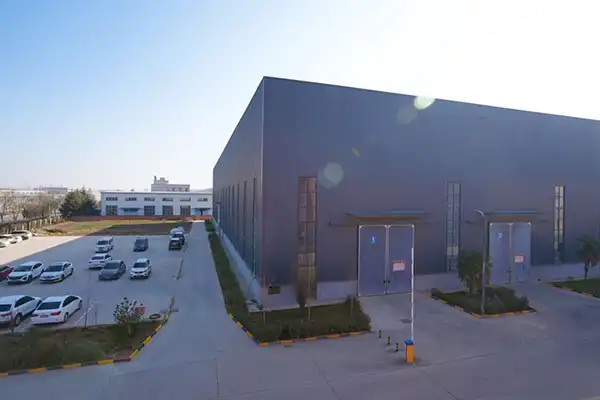
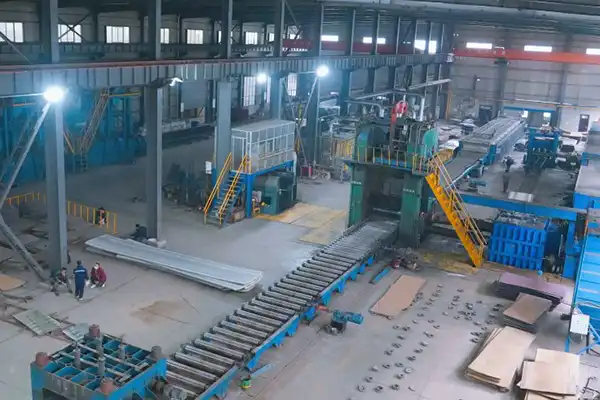
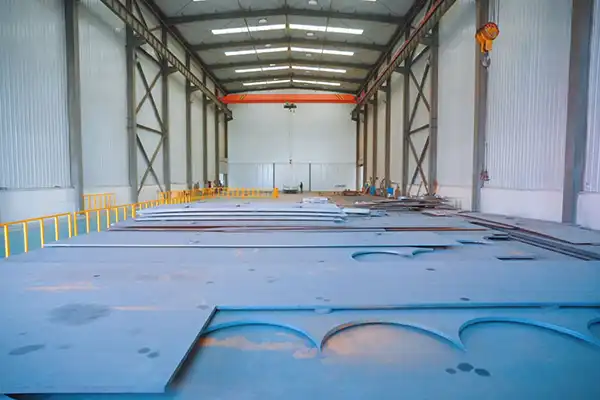
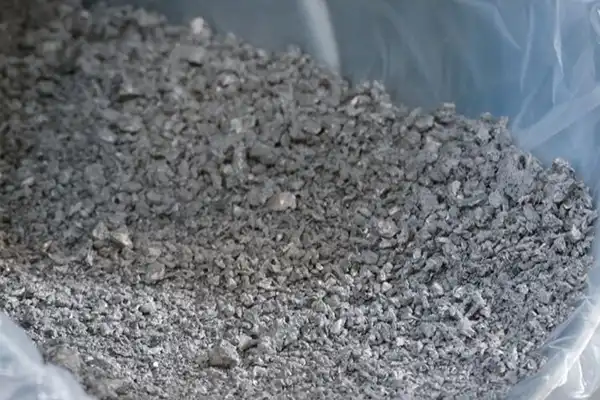
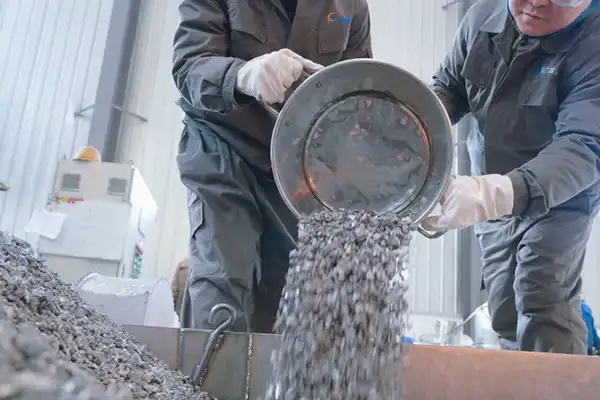
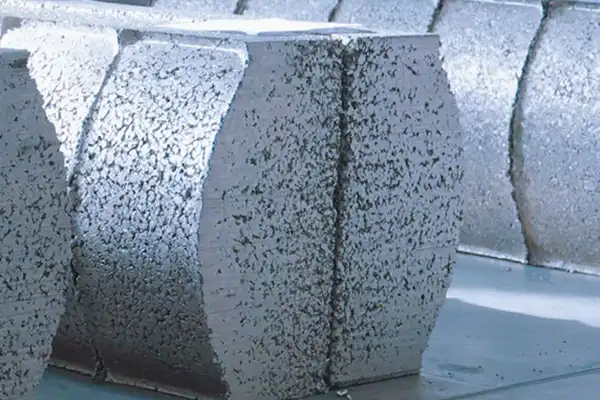
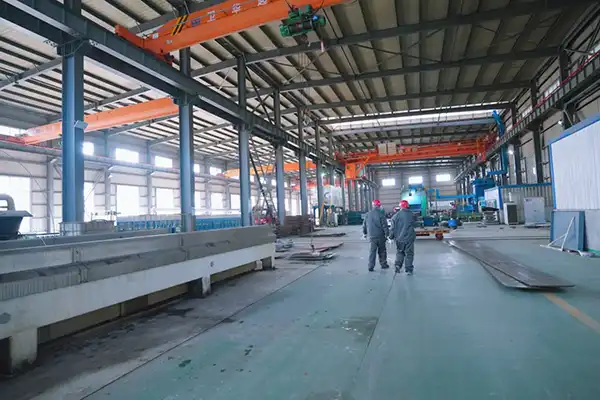
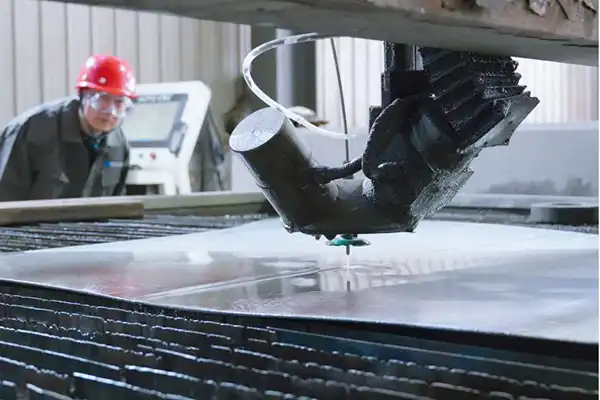
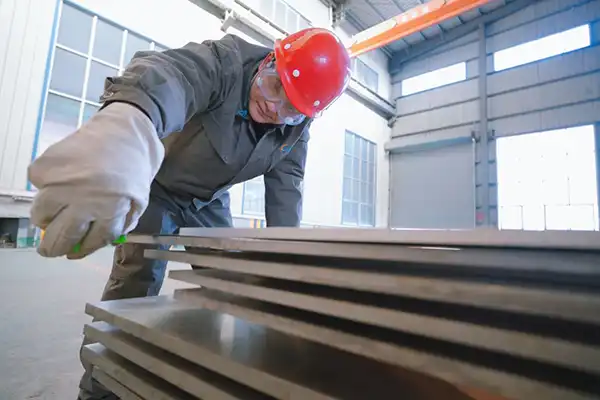
Factory Show

Main Products
Application Areas



OEM Services
We understand the importance of providing tailored solutions. Our OEM services include:
-
Custom sizes and shapes of Copper Reinforced Titanium Plates.
-
Specific alloy compositions to meet unique client requirements.
-
Precision machining services for product finishing and part fabrication.
-
Technical consulting and design assistance to optimize material performance.
Frequently Asked Questions (FAQs)
-
What industries can benefit from Copper Reinforced Titanium Plates?
-
Aerospace, automotive, electronics, and energy industries all rely on Copper Reinforced Titanium for its strength, conductivity, and resistance to harsh conditions.
-
-
Can I get customized sizes for my project?
-
Yes, we offer customization for both the size and shape of the plates to suit your specific needs.
-
-
What is the maximum temperature the Copper Reinforced Titanium Plate can handle?
-
The material is designed to perform well in temperatures ranging from -200°C to 600°C, making it suitable for both high and low-temperature applications.
-
-
How do I place an order or get a quote?
-
You can easily contact us through our website or reach out directly to our sales team to discuss your needs and receive a tailored quote.
-