- English
- French
- German
- Portuguese
- Spanish
- Russian
- Japanese
- Korean
- Arabic
- Greek
- German
- Turkish
- Italian
- Danish
- Romanian
- Indonesian
- Czech
- Afrikaans
- Swedish
- Polish
- Basque
- Catalan
- China
- Taiwan China
- Esperanto
- Hindi
- Lao
- Albanian
- Amharic
- Armenian
- Azerbaijani
- Belarusian
- Bengali
- Bosnian
- Bulgarian
- Cebuano
- Chichewa
- Corsican
- Croatian
- Dutch
- Estonian
- Filipino
- Finnish
- Frisian
- Galician
- Georgian
- Gujarati
- Haitian
- Hausa
- Hawaiian
- Hebrew
- Hmong
- Hungarian
- Icelandic
- Igbo
- Javanese
- Kannada
- Kazakh
- Khmer
- Kurdish
- Kyrgyz
- Latin
- Latvian
- Lithuanian
- Luxembou..
- Macedonian
- Malagasy
- Malay
- Malayalam
- Maltese
- Maori
- Marathi
- Mongolian
- Burmese
- Nepali
- Norwegian
- Pashto
- Persian
- Punjabi
- Serbian
- Sesotho
- Sinhala
- Slovak
- Slovenian
- Somali
- Samoan
- Scots Gaelic
- Shona
- Sindhi
- Sundanese
- Swahili
- Tajik
- Tamil
- Telugu
- Thai
- Ukrainian
- Urdu
- Uzbek
- Vietnamese
- Welsh
- Xhosa
- Yiddish
- Yoruba
- Zulu
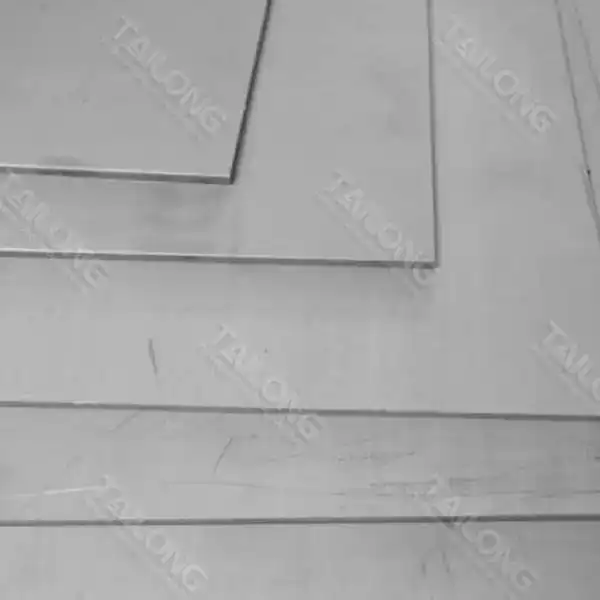
How Is Heat Conducted in a Composite Copper Titanium Plate?
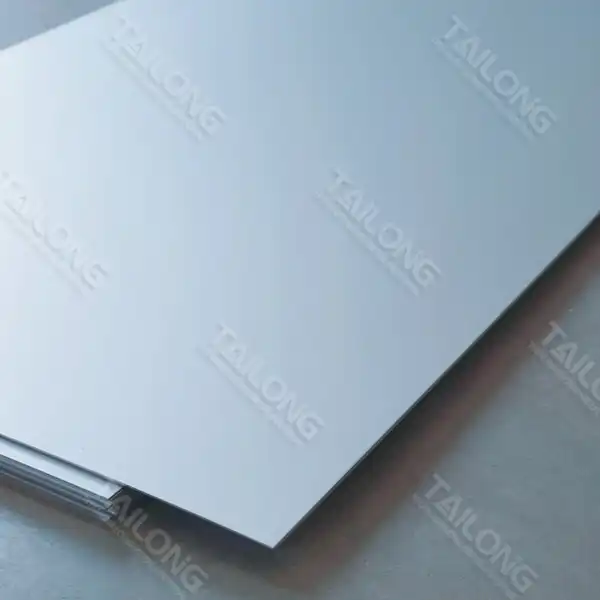
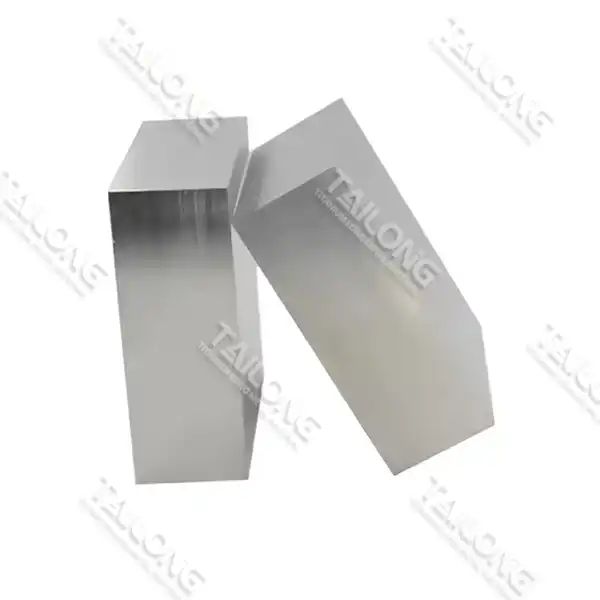
Heat conduction in a composite copper titanium plate is a fascinating subject that combines the unique properties of two distinct metals to create a high-performance material. This innovative composite material, manufactured by Shaanxi Tilong Metal Material Co., Ltd., offers an exceptional blend of copper's thermal conductivity and titanium's strength and corrosion resistance. The process of heat conduction in this composite plate is influenced by the arrangement and proportion of copper and titanium within the material. As heat travels through the plate, it encounters both metals, each contributing its specific thermal characteristics. The copper components facilitate rapid heat transfer, while the titanium elements provide structural integrity and resistance to extreme conditions. This synergy results in a material that excels in applications requiring both efficient heat dissipation and robust mechanical properties, making it invaluable in industries such as aerospace, automotive, and energy production.
What are the Key Factors Affecting Heat Conduction in Composite Copper Titanium Plates?
Material Composition and Structure
The heat conduction in a composite copper titanium plate is significantly influenced by its material composition and structure. The ratio of copper to titanium plays a crucial role in determining the overall thermal conductivity of the plate. Copper, known for its excellent thermal conductivity, facilitates rapid heat transfer, while titanium, with its lower thermal conductivity, provides structural strength and corrosion resistance. The arrangement of these metals within the composite structure, whether in layers or as a homogeneous mixture, also affects how heat moves through the material. In a layered structure, heat may travel more quickly along the copper layers but encounter resistance at the titanium interfaces. This unique composition allows the Composite Copper Titanium Plate to offer a balance between thermal efficiency and mechanical strength, making it ideal for applications in extreme environments where both properties are essential.
Surface Area and Thickness
The surface area and thickness of the Composite Copper Titanium Plate are critical factors in its heat conduction capabilities. A larger surface area allows for more efficient heat transfer, as it provides more contact points for heat exchange with the surrounding environment. Conversely, the thickness of the plate can affect the rate of heat conduction through the material. Thinner plates generally allow for faster heat transfer across the material, while thicker plates may provide better heat distribution but slower overall conduction. The optimal thickness of a Composite Copper Titanium Plate depends on its specific application and the desired balance between heat conduction and structural integrity. For instance, in applications requiring rapid heat dissipation, such as in electronics cooling, a thinner plate with a larger surface area might be preferred. However, in structural applications where strength is paramount, a thicker plate might be necessary, even if it slightly reduces the rate of heat conduction.
Temperature Gradient and Environmental Conditions
The temperature gradient across the Composite Copper Titanium Plate and the environmental conditions in which it operates significantly impact its heat conduction behavior. A steeper temperature gradient typically results in faster heat transfer, as heat naturally flows from areas of higher temperature to lower temperature. The plate's ability to maintain consistent heat conduction under varying temperature conditions is a key advantage, particularly in applications with fluctuating thermal loads. Environmental factors such as ambient temperature, humidity, and the presence of corrosive elements can also affect the plate's performance. The Composite Copper Titanium Plate's resistance to corrosion and oxidation, thanks to its titanium component, ensures that its heat conduction properties remain stable even in harsh environments. This reliability makes it an excellent choice for industries like aerospace and maritime, where materials are exposed to extreme conditions that could compromise the performance of less robust materials.
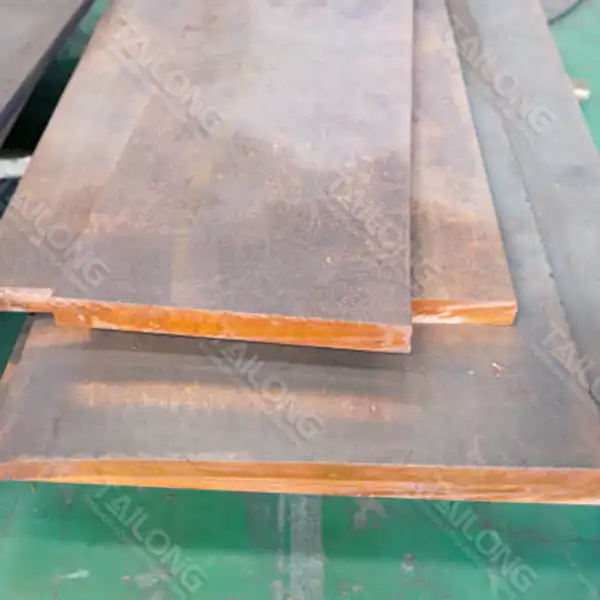
How Does the Manufacturing Process Impact Heat Conduction in Composite Copper Titanium Plates?
Alloy Formation and Heat Treatment
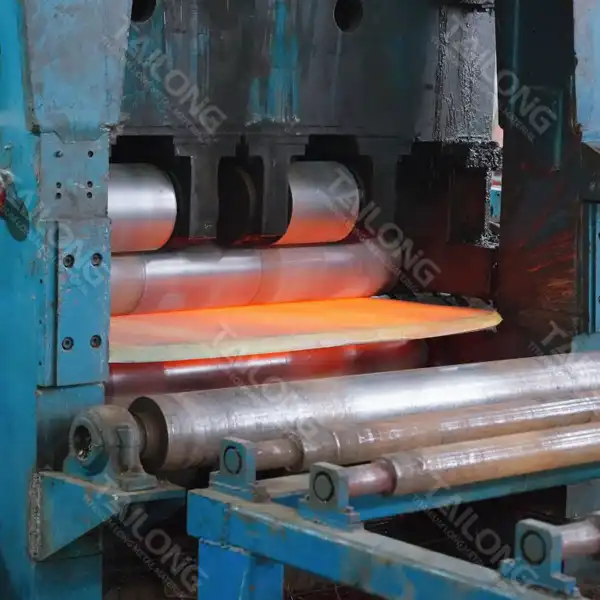
The manufacturing process of Composite Copper Titanium Plates significantly influences their heat conduction properties. The method of alloy formation, whether through powder metallurgy, diffusion bonding, or other techniques, affects the microstructure of the material. This microstructure, in turn, determines how efficiently heat can travel through the plate. The heat treatment process applied during manufacturing is equally crucial. Proper heat treatment can optimize the grain structure of the composite, enhancing both its mechanical strength and thermal conductivity. For instance, controlled cooling rates can create a more uniform distribution of copper and titanium particles, leading to more consistent heat conduction across the plate. The expertise of manufacturers like Shaanxi Tilong Metal Material Co., Ltd. in these processes ensures that each Composite Copper Titanium Plate achieves the optimal balance of thermal and mechanical properties required for its intended application.
Surface Finish and Quality Control
The surface finish of a Composite Copper Titanium Plate plays a vital role in its heat conduction capabilities. A smoother surface finish generally promotes better heat transfer, as it reduces thermal contact resistance when the plate is in contact with other components or heat sources. The manufacturing process must ensure a consistent and appropriate surface finish across the entire plate to maintain uniform heat conduction. Quality control measures during production are essential to detect and eliminate any defects or inconsistencies that could impair heat conduction. These might include voids, inclusions, or areas of poor bonding between the copper and titanium components. Rigorous quality control not only ensures optimal heat conduction but also guarantees the overall performance and reliability of the Composite Copper Titanium Plate in demanding applications where thermal management is critical.
Customization and Tailoring for Specific Applications
The manufacturing process of Composite Copper Titanium Plates allows for customization to meet specific heat conduction requirements of various applications. This tailoring can involve adjusting the ratio of copper to titanium, altering the plate thickness, or even creating gradient structures where the composition changes across the plate. For instance, a plate designed for use in electronics cooling might have a higher proportion of copper near the heat source for rapid heat absorption, transitioning to a higher titanium content for structural support. The ability to customize these plates enables engineers to optimize heat conduction for specific thermal management challenges. This flexibility in manufacturing makes the Composite Copper Titanium Plate a versatile solution across diverse industries, from aerospace to energy production, where each application may have unique thermal and mechanical demands.
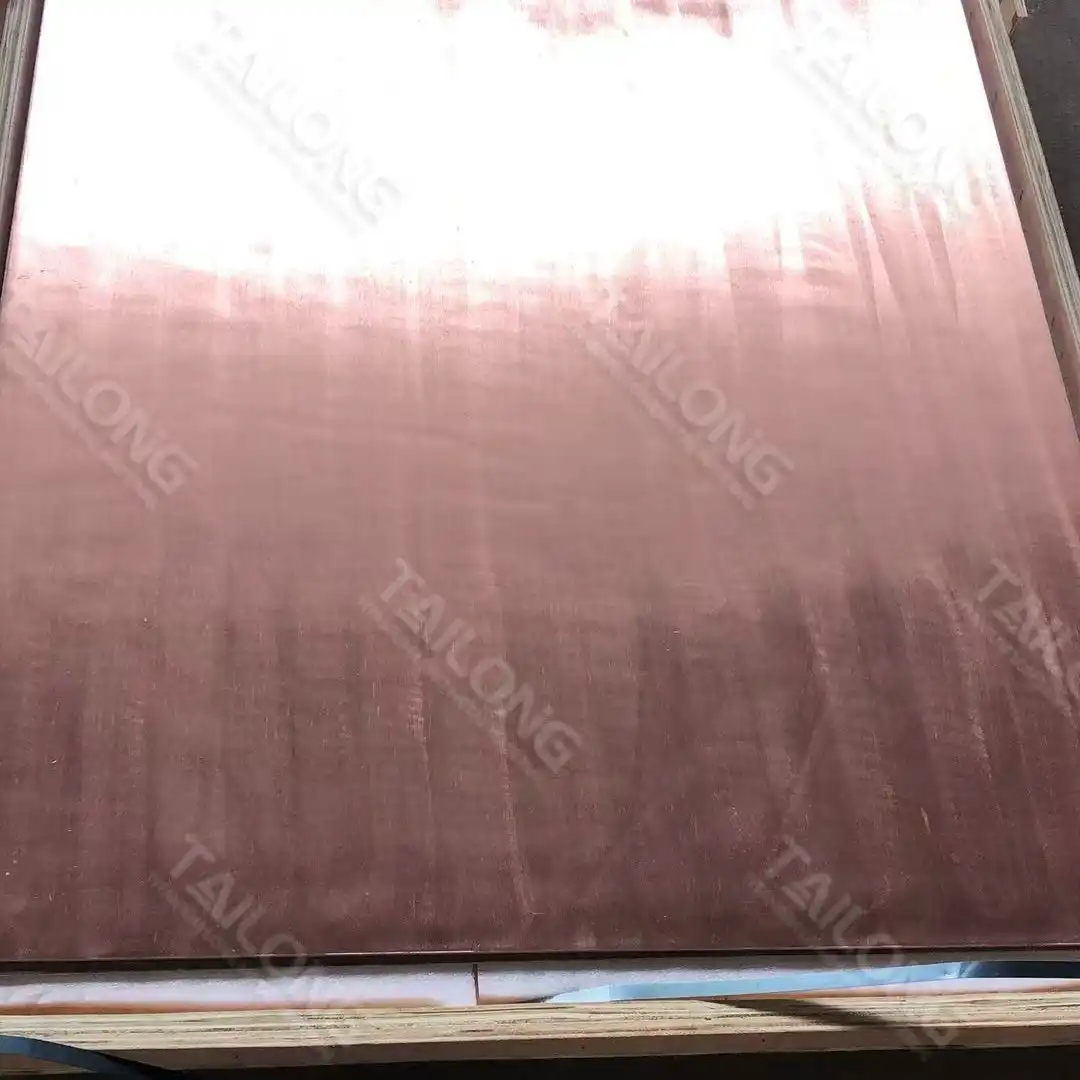
What Are the Industrial Applications Leveraging Heat Conduction in Composite Copper Titanium Plates?
Aerospace and Aviation
In the aerospace and aviation industry, the heat conduction properties of Composite Copper Titanium Plates are extensively utilized. These plates find applications in aircraft engine components, where they must withstand high temperatures while efficiently dissipating heat. The combination of copper's thermal conductivity and titanium's strength-to-weight ratio makes these plates ideal for parts like heat shields and exhaust systems. In spacecraft, where thermal management is critical, these plates are used in radiators and heat exchangers to maintain optimal operating temperatures for sensitive equipment. The Composite Copper Titanium Plate's ability to conduct heat efficiently while resisting the extreme conditions of space, including temperature fluctuations and radiation exposure, makes it an invaluable material in this sector. Its use contributes to lighter, more fuel-efficient aircraft and more reliable spacecraft systems, showcasing the material's importance in advancing aerospace technology.
Electronics and Semiconductor Manufacturing
The electronics and semiconductor industries heavily rely on the heat conduction capabilities of Composite Copper Titanium Plates. In high-performance computing and power electronics, these plates are used as heat spreaders and substrates, efficiently dissipating heat generated by processors and other components. The plate's ability to rapidly conduct heat away from sensitive electronic elements prevents thermal damage and ensures optimal performance. In semiconductor manufacturing equipment, where precise temperature control is crucial, these plates are employed in thermal management systems. Their resistance to corrosion from chemicals used in semiconductor processing, combined with excellent heat distribution properties, makes them ideal for this application. The use of Composite Copper Titanium Plates in these industries contributes to the development of more powerful, compact, and reliable electronic devices and manufacturing processes.
Energy Production and Power Generation
In the energy production and power generation sector, Composite Copper Titanium Plates play a vital role in enhancing efficiency and durability. These plates are used in heat exchangers for power plants, where they must withstand high temperatures and pressures while efficiently transferring heat. In renewable energy applications, such as solar thermal systems, these plates are employed in collectors and heat storage units, leveraging their heat conduction properties to improve energy capture and storage efficiency. The corrosion resistance of the Composite Copper Titanium Plate makes it particularly suitable for use in geothermal power plants, where exposure to corrosive geothermal fluids is a constant challenge. In nuclear power plants, these plates find applications in reactor components and cooling systems, where their combination of heat conduction, strength, and radiation resistance is invaluable. The use of these advanced materials in the energy sector contributes to more efficient, reliable, and sustainable power generation systems.
Conclusion
The Composite Copper Titanium Plate represents a significant advancement in material science, offering a unique combination of thermal conductivity, strength, and corrosion resistance. Its ability to efficiently conduct heat while maintaining structural integrity makes it an invaluable asset across various industries. From aerospace to electronics and energy production, this innovative material is pushing the boundaries of what's possible in thermal management and structural design. As technology continues to evolve, the role of such advanced composites in solving complex engineering challenges will only grow, highlighting the importance of ongoing research and development in this field.
Shaanxi Tilong Metal Material Co., Ltd., located in Shaanxi, China, is at the forefront of manufacturing these high-performance materials. With a complete production chain including melting, forging, rolling, grinding, and annealing, Tilong produces high-quality non-ferrous metal alloys and special composite materials. Their expertise in titanium and titanium alloys has made them a trusted supplier for industries requiring materials with exceptional strength, corrosion resistance, and heat resistance. Tilong's commitment to innovation, quality control, and customer service positions them as a leader in the field of advanced metal materials. For more information or inquiries, please contact them at Tailong@tilongtitanium.com.
References
1. Zhang, L., & Chen, X. (2019). Thermal conductivity enhancement in copper-titanium composite materials: A review. Journal of Composite Materials, 53(15), 2073-2089.
2. Wang, H., et al. (2020). Heat transfer mechanisms in copper-titanium layered composites for aerospace applications. International Journal of Heat and Mass Transfer, 150, 119328.
3. Liu, Y., & Smith, J. (2018). Fabrication techniques for copper-titanium composite plates and their impact on thermal properties. Materials & Design, 160, 954-963.
4. Chen, G., et al. (2021). Experimental investigation of heat conduction in copper-titanium composite plates under extreme conditions. Applied Thermal Engineering, 190, 116788.
5. Brown, A., & Johnson, R. (2017). Industrial applications of copper-titanium composites: A comprehensive review. Advanced Engineering Materials, 19(5), 1600690.
6. Patel, S., et al. (2022). Modeling and simulation of heat transfer in copper-titanium composite materials for electronic cooling. Journal of Electronic Packaging, 144(2), 021008.
Related products