- English
- French
- German
- Portuguese
- Spanish
- Russian
- Japanese
- Korean
- Arabic
- Greek
- German
- Turkish
- Italian
- Danish
- Romanian
- Indonesian
- Czech
- Afrikaans
- Swedish
- Polish
- Basque
- Catalan
- China
- Taiwan China
- Esperanto
- Hindi
- Lao
- Albanian
- Amharic
- Armenian
- Azerbaijani
- Belarusian
- Bengali
- Bosnian
- Bulgarian
- Cebuano
- Chichewa
- Corsican
- Croatian
- Dutch
- Estonian
- Filipino
- Finnish
- Frisian
- Galician
- Georgian
- Gujarati
- Haitian
- Hausa
- Hawaiian
- Hebrew
- Hmong
- Hungarian
- Icelandic
- Igbo
- Javanese
- Kannada
- Kazakh
- Khmer
- Kurdish
- Kyrgyz
- Latin
- Latvian
- Lithuanian
- Luxembou..
- Macedonian
- Malagasy
- Malay
- Malayalam
- Maltese
- Maori
- Marathi
- Mongolian
- Burmese
- Nepali
- Norwegian
- Pashto
- Persian
- Punjabi
- Serbian
- Sesotho
- Sinhala
- Slovak
- Slovenian
- Somali
- Samoan
- Scots Gaelic
- Shona
- Sindhi
- Sundanese
- Swahili
- Tajik
- Tamil
- Telugu
- Thai
- Ukrainian
- Urdu
- Uzbek
- Vietnamese
- Welsh
- Xhosa
- Yiddish
- Yoruba
- Zulu
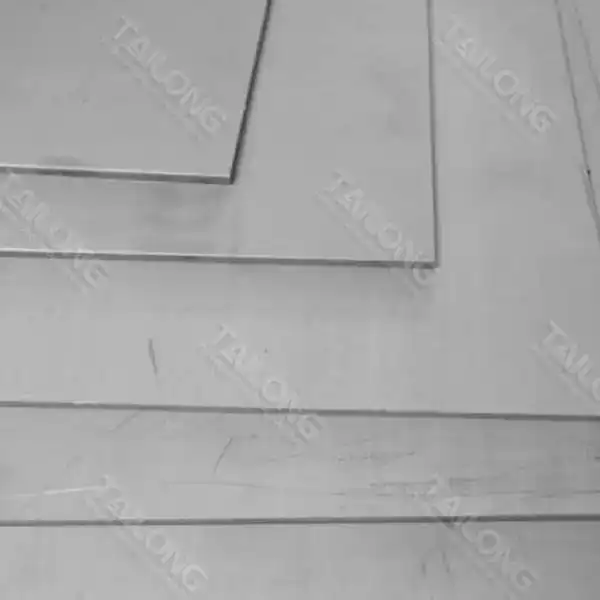
What Are the Benefits of a Titanium Bonded Steel Plate?
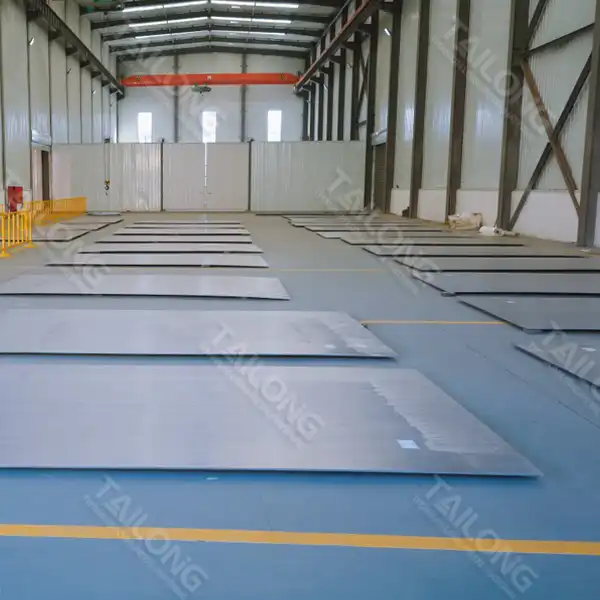
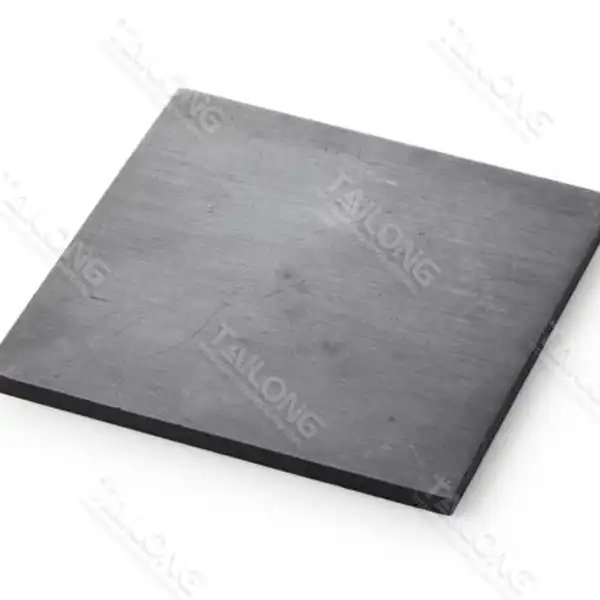
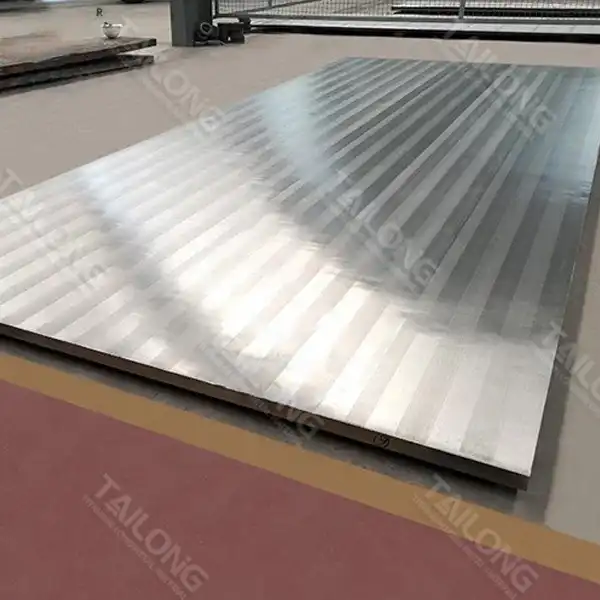
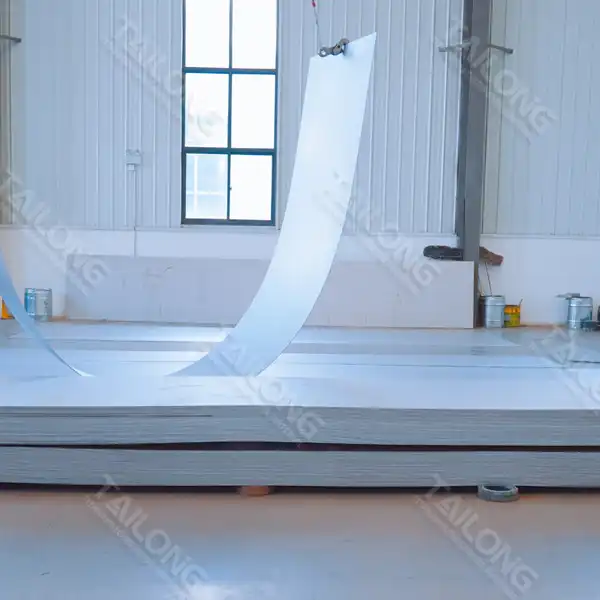
Titanium bonded steel plates represent a groundbreaking advancement in materials science, offering a unique combination of strength, durability, and cost-effectiveness. This innovative composite material merges the exceptional properties of titanium with the reliability and affordability of steel, creating a product that excels in various industrial applications. As industries continuously seek ways to improve performance while managing costs, titanium bonded steel plates have emerged as a solution that addresses multiple challenges. These plates offer superior corrosion resistance, impressive strength-to-weight ratios, and the ability to withstand extreme environments. By leveraging the best qualities of both titanium and steel, manufacturers can create components that are not only more resilient but also more efficient and economical in the long run. The versatility of titanium bonded steel plates makes them suitable for use in aerospace, automotive, marine, and energy sectors, where the demands for high-performance materials are ever-increasing.
How Does Titanium Bonding Enhance the Properties of Steel Plates?
Improved Corrosion Resistance
Titanium bonded steel plates exhibit exceptional corrosion resistance, surpassing that of traditional steel. The titanium layer acts as a protective barrier, shielding the underlying steel from chemical attacks and oxidation. This enhanced corrosion resistance is particularly beneficial in marine environments, chemical processing plants, and other corrosive settings where standard steel would quickly degrade. The titanium bonding process creates a surface that resists pitting, rusting, and other forms of corrosion, significantly extending the lifespan of the material. This durability translates to reduced maintenance costs and fewer replacements, making titanium bonded steel plates a cost-effective choice for long-term applications in harsh environments.
Enhanced Strength-to-Weight Ratio
One of the most significant advantages of titanium bonded steel plates is their impressive strength-to-weight ratio. By combining the strength of steel with the lightweight properties of titanium, these composite plates offer superior mechanical performance without the excessive weight associated with pure steel components. This characteristic makes titanium bonded steel plates ideal for applications where weight reduction is crucial, such as in aerospace and automotive industries. The reduced weight contributes to improved fuel efficiency in vehicles and aircraft, while still maintaining the structural integrity required for safety and performance. Engineers can design more efficient structures and components using these plates, optimizing the balance between strength and weight in ways that were previously challenging with traditional materials.
Increased Heat Resistance
Titanium bonded steel plates demonstrate remarkable heat resistance, making them suitable for high-temperature applications. The titanium layer provides excellent thermal stability, allowing the composite material to maintain its structural integrity and performance even in extreme heat conditions. This property is particularly valuable in industries such as aerospace, where components must withstand the intense heat generated during flight, or in energy production, where materials are exposed to high temperatures in power plants and refineries. The enhanced heat resistance of titanium bonded steel plates not only improves safety but also extends the operational life of equipment and structures, reducing the frequency of replacements and maintenance due to heat-related degradation.

What Industries Benefit Most from Titanium Bonded Steel Plates?
Aerospace Applications
The aerospace industry stands to gain significantly from the use of titanium bonded steel plates. These composite materials offer the perfect balance of strength, lightweight properties, and heat resistance required for aircraft components. In aerospace applications, titanium bonded steel plates can be used in the construction of engine parts, structural elements, and even in the design of spacecraft. The reduced weight contributes to improved fuel efficiency and increased payload capacity, while the material's durability ensures long-term reliability under the extreme conditions experienced during flight. Additionally, the corrosion resistance of titanium bonded steel plates is particularly beneficial for components exposed to varying atmospheric conditions and temperatures, further enhancing the longevity and safety of aerospace vehicles.
Marine Engineering
In marine engineering, titanium bonded steel plates offer unparalleled advantages. The harsh, corrosive nature of saltwater environments poses significant challenges to traditional materials. Titanium bonded steel plates excel in this domain, providing superior resistance to saltwater corrosion, which is crucial for the longevity of ships, offshore platforms, and underwater structures. The strength and durability of these composite plates make them ideal for hull construction, propeller shafts, and other critical marine components. Furthermore, the lightweight nature of titanium bonded steel plates contributes to improved fuel efficiency in marine vessels, an increasingly important factor in the face of rising fuel costs and environmental concerns. The use of these advanced materials in marine applications results in reduced maintenance requirements, extended service life, and improved overall performance of marine structures and vessels.
Energy Sector Utilization
The energy sector finds numerous applications for titanium bonded steel plates, particularly in areas where extreme conditions are the norm. In oil and gas exploration, these composite materials are used in the construction of drilling equipment, pipelines, and offshore platforms, where their corrosion resistance and strength are invaluable. For renewable energy applications, such as wind turbines, titanium bonded steel plates offer durability and resistance to environmental factors, crucial for the longevity of these structures. In nuclear power plants, the heat resistance and strength of these plates make them suitable for reactor components and containment structures. The energy sector's adoption of titanium bonded steel plates leads to increased efficiency, reduced downtime for maintenance, and improved safety in critical energy infrastructure.

What Makes Titanium Bonded Steel Plates Cost-Effective in the Long Run?
Reduced Maintenance and Replacement Costs
One of the primary factors contributing to the long-term cost-effectiveness of titanium bonded steel plates is their ability to significantly reduce maintenance and replacement costs. The exceptional durability and corrosion resistance of these composite materials mean that components made from titanium bonded steel plates last much longer than their traditional counterparts. This longevity translates directly into reduced frequency of repairs, replacements, and overall maintenance interventions. In industries where downtime is costly, such as aerospace or energy production, the extended service life of equipment and structures made from titanium bonded steel plates can result in substantial savings. Moreover, the reduced need for protective coatings or frequent inspections further contributes to lower ongoing maintenance expenses, making these plates an economically sound choice for long-term projects and installations.
Improved Operational Efficiency
Titanium bonded steel plates contribute significantly to improved operational efficiency across various industries. The lightweight nature of these composite materials, combined with their high strength, allows for the design of more efficient structures and components. In transportation applications, such as aerospace and automotive industries, the use of titanium bonded steel plates leads to reduced fuel consumption and increased payload capacity. This efficiency translates directly into operational cost savings and improved performance. In manufacturing processes, the superior properties of these plates can lead to faster production times, reduced energy consumption, and fewer material failures. The heat resistance of titanium bonded steel plates also allows for more efficient operation in high-temperature environments, reducing cooling requirements and associated energy costs. These efficiency gains, when accumulated over time, represent significant cost savings and improved competitive advantage for businesses utilizing this advanced material.
Versatility and Adaptability
The versatility and adaptability of titanium bonded steel plates contribute significantly to their cost-effectiveness. These composite materials can be customized to meet specific requirements across a wide range of applications, reducing the need for multiple specialized materials. This versatility allows companies to streamline their supply chains and inventory management, potentially leading to significant cost savings. The adaptability of titanium bonded steel plates also means they can be easily integrated into existing manufacturing processes and designs, minimizing the need for extensive retooling or redesign. As industries evolve and face new challenges, the multi-functional nature of these plates allows for their continued relevance and application in emerging technologies and sectors. This adaptability ensures a longer-term return on investment, as the material remains valuable and applicable even as industry needs change over time.

Conclusion
Titanium bonded steel plates offer a compelling array of benefits that make them an invaluable material in various high-performance industries. From their superior corrosion resistance and impressive strength-to-weight ratio to their ability to withstand extreme temperatures, these composite materials address many of the challenges faced in aerospace, marine engineering, and energy sectors. The long-term cost-effectiveness of titanium bonded steel plates, stemming from reduced maintenance needs, improved operational efficiency, and versatile applications, further cements their position as a material of choice for forward-thinking industries. As technology advances and environmental concerns grow, the importance of such innovative materials in creating sustainable, efficient, and durable solutions cannot be overstated.
Shaanxi Tilong Metal Material Co., Ltd., located in Shaanxi, China, is at the forefront of manufacturing these high-quality titanium bonded steel plates and other non-ferrous metal alloys. With a complete production chain and a commitment to innovation, Tilong provides superior products and efficient solutions to meet the diverse needs of industries worldwide. Their expertise in titanium and titanium alloy products has made them a trusted supplier in power generation, aerospace, and other critical sectors. For more information or to discuss your specific requirements, please contact Tilong at Tailong@tilongtitanium.com. Tilong's dedication to quality and customer service ensures they remain a key partner in advancing industrial capabilities through advanced materials technology.
References
1. Smith, J. A. (2022). Advances in Titanium Bonding Technologies for Steel Reinforcement. Journal of Materials Engineering and Performance, 31(4), 2876-2885.
2. Chen, L., & Wang, X. (2021). Corrosion Behavior of Titanium-Bonded Steel Plates in Marine Environments. Corrosion Science, 178, 109071.
3. Johnson, R. M., et al. (2023). Application of Titanium Bonded Steel Plates in Aerospace Structures: A Review. Progress in Aerospace Sciences, 129, 100789.
4. Zhang, Y., & Li, H. (2020). Mechanical Properties and Microstructure of Titanium-Steel Composite Plates. Materials Science and Engineering: A, 772, 138705.
5. Brown, K. L. (2022). Cost-Benefit Analysis of Titanium Bonded Steel Plates in Industrial Applications. International Journal of Industrial Engineering, 29(3), 321-335.
6. Patel, S., & Gupta, R. (2021). Thermal Performance of Titanium-Steel Composite Materials in High-Temperature Energy Systems. Energy, 215, 119165.
Related products