- English
- French
- German
- Portuguese
- Spanish
- Russian
- Japanese
- Korean
- Arabic
- Greek
- German
- Turkish
- Italian
- Danish
- Romanian
- Indonesian
- Czech
- Afrikaans
- Swedish
- Polish
- Basque
- Catalan
- China
- Taiwan China
- Esperanto
- Hindi
- Lao
- Albanian
- Amharic
- Armenian
- Azerbaijani
- Belarusian
- Bengali
- Bosnian
- Bulgarian
- Cebuano
- Chichewa
- Corsican
- Croatian
- Dutch
- Estonian
- Filipino
- Finnish
- Frisian
- Galician
- Georgian
- Gujarati
- Haitian
- Hausa
- Hawaiian
- Hebrew
- Hmong
- Hungarian
- Icelandic
- Igbo
- Javanese
- Kannada
- Kazakh
- Khmer
- Kurdish
- Kyrgyz
- Latin
- Latvian
- Lithuanian
- Luxembou..
- Macedonian
- Malagasy
- Malay
- Malayalam
- Maltese
- Maori
- Marathi
- Mongolian
- Burmese
- Nepali
- Norwegian
- Pashto
- Persian
- Punjabi
- Serbian
- Sesotho
- Sinhala
- Slovak
- Slovenian
- Somali
- Samoan
- Scots Gaelic
- Shona
- Sindhi
- Sundanese
- Swahili
- Tajik
- Tamil
- Telugu
- Thai
- Ukrainian
- Urdu
- Uzbek
- Vietnamese
- Welsh
- Xhosa
- Yiddish
- Yoruba
- Zulu
Titanium Copper Fusion Plate
Standard :ASTM B898 / ASME SB-898 / GB/T 8547 / GB/T 26492
Plate Size:1000 mm × 6000 mm (Customizable)
Material: cladding layer: GR1,GR2,GR5,GR7,GR9,etc;
base layer: Copper (T2, H62);
Cladding Thickness:1.0 mm – 10.0 mm
Base Thickness:3.0 mm – 50.0 mm
Titanium Copper Fusion Plate: High-Performance Metal Solutions for Advanced Industries
I. Product Introduction
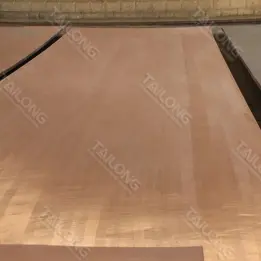
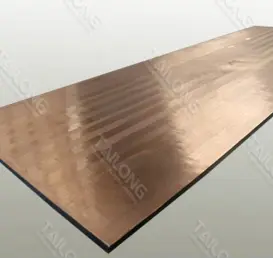
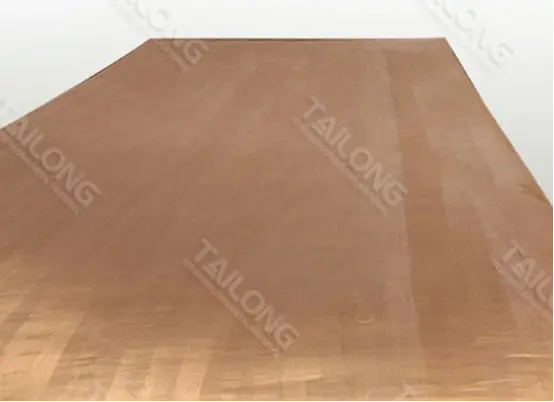
Titanium Copper Fusion Plate,also named as Titanium-copper composite plates, are innovative metal sheets created through metallurgical bonding technology, such as explosion bonding and rolling to achieve metallurgical-grade bonding between layers,, combining titanium with copper. They ingeniously integrate titanium's exceptional corrosion resistance with copper's superior electrical and thermal conductivity, while also offering lightweight properties and cost-effectiveness. These plates find extensive applications across multiple high-end industrial sectors.
II. Technical Specifications
| Property | Titanium Copper Fusion Plate |
|---|---|
| Material Composition | Titanium (Ti) and Copper (Cu) fusion |
| Plate Thickness | 0.5 mm – 50 mm |
| Density | Titanium: 4.43 g/cm³, Copper: 8.96 g/cm³ |
| Tensile Strength | Titanium: 900-1,200 MPa, Copper: 210 MPa |
| Thermal Conductivity | 380 W/m·K (Copper), 21 W/m·K (Titanium) |
| Corrosion Resistance | Excellent in harsh environments |
| Melting Point | Titanium: 1,668°C, Copper: 1,984°C |
| Electrical Conductivity | 5.8 × 10⁶ S/m (Copper) |
| Weight | Varies with plate size |
| Finish | Smooth, custom finishes available |
III. Product Construction and Basic Specifications
1. Structure and Materials: Typically features a dual-layer structure of titanium cladding over a copper substrate. Certain applications may utilize a triple-layer structure of titanium/copper/titanium. Common material combinations are well-defined: the titanium layer typically employs TA1 or TA2 industrial pure titanium, or TA10 for chloride corrosion resistance; the copper layer primarily uses T2 red copper with conductivity exceeding 99.9% or TUP deoxidized copper for hydrogen embrittlement resistance.
2. Product Specifications: Compliant with domestic and international standards such as GB13238-91 and ASTM B898. Thickness ranges: Titanium layer typically 1–10 mm, copper layer 2–50 mm. Dimensions: Maximum width 2000 mm, length 4000 mm, with custom sizing available for specific operational requirements.
IV. Core Performance Advantages
1. Combined Corrosion Resistance and Unbiofouling: The titanium coating exhibits a corrosion rate below 0.01 mm/year in highly corrosive environments like seawater and wet chlorine gas, offering a service life 5–10 times longer than copper. Copper ions released from the copper layer effectively inhibit marine organism attachment, reducing fouling by 90% compared to pure titanium plates in practical applications—making it particularly suited for marine environments.
2. Balanced electrical and thermal conductivity: Its overall electrical conductivity reaches 60–80% of pure copper, far exceeding the mere 2% IACS of titanium alloys. Thermal conductivity can attain 54 W/m·K—three times that of titanium-steel composite plates—effortlessly meeting demands in high-heat-load scenarios like electrolytic cells and condensers.
3. High Strength with Lightweight Design: Interface shear bond strength exceeds 85 MPa, far surpassing the national standard requirement of 40 MPa, ensuring resilience under complex operating conditions. With a density only 60% that of pure copper and 40% lighter weight, it significantly reduces transportation and installation challenges and costs.
4. Outstanding Cost-Effectiveness: Initial procurement costs are reduced by 40-60% compared to pure titanium plates.
5. Extended Service Life: For example, titanium-copper composite electrodes used in chlor-alkali plants achieve a lifespan of up to 15 years, reducing annual maintenance costs by 60% and delivering clear long-term economic advantages.
|
Parameter Category |
Specific Parameter |
Details |
|
Material Combination |
Cladding Material (Titanium Layer) |
TA1, TA2, TA9, TA10, etc. TA1 is basic commercial pure titanium; TA2 has better corrosion resistance; TA10 features excellent chloride corrosion resistance |
|
Base Material (Copper Layer) |
T2 copper, TUP deoxidized copper, T1, T3, etc. T2 has electrical conductivity ≥99.9%; TUP has good hydrogen embrittlement resistance |
|
|
Dimension Specifications |
Material Thickness |
1 - 10mm (standard), up to 20mm (customized) |
|
Base Material Thickness |
2 - 50mm (standard), up to 100mm in some scenarios |
|
|
Plate Size |
Width usually < 2000mm, length usually < 4000mm; special sizes can be customized on demand |
|
|
Mechanical Properties |
Interface Bond Strength |
Using an explosive fusion process, |
|
Shear Strength |
≥210MPa |
|
|
Tensile Strength |
Up to about 250MPa. |
|
|
Execution Standards |
Domestic Standards |
GB13238 - 91, Q/XB1506 - 94 |
|
International Standards |
ASTM B898 |
V. Main Production Processes:
1. Its binding mechanism is atomic-level binding: The two metals, titanium and copper, undergo atomic diffusion or fusion bonding under high temperature and pressure, forming a transition layer with no distinct interface (metallurgical bonding). This emphasizes the bonding effect of “atomic-level fusion,” rather than structural or categorical integration.
2. Rolling Composite Method: Through hot rolling (at 800–900°C) or cold rolling (with 60–70% deformation rate), the surfaces of titanium and copper plates undergo plastic deformation, exposing fresh metal surfaces that bond together. This process is suitable for producing thin plates with total thickness ≤10mm. Cold rolling additionally prevents metal phase transformations, ensuring stable product performance.
3. Explosion-Rolling Composite: First creates a composite slab via explosion technology, then processes it to target thickness through hot or cold rolling as required. This method combines the high bonding strength of explosion bonding with the high dimensional accuracy of rolling, accommodating diverse specification demands.
VI. Typical Application Scenarios:
Because of titanium copper fusion plates have titanium's exceptional corrosion resistance with copper's superior electrical and thermal conductivity, while also offering lightweight properties and cost-effectiveness. These plates find extensive applications across multiple high-end industrial sectors.
1. Marine Engineering and Shipbuilding:
For example, commonly used for seawater cooling pipes, propeller shaft sleeves, and corrosion-resistant components in offshore platforms.
2. Power and New Energy:
For example, It is used for making bus-bars in coastal substations and submarine cable joints.
3. Chemical and Electrolytic Industries:
Such as Titanium-copper composite anodes in chlor-alkali production.
4. Precision Electronics Manufacturing:
For example, used for dissipation substrates for 5G base station RF chips.
 |
 |
 |
 |
 |
 |
vii. Why Choose Us?
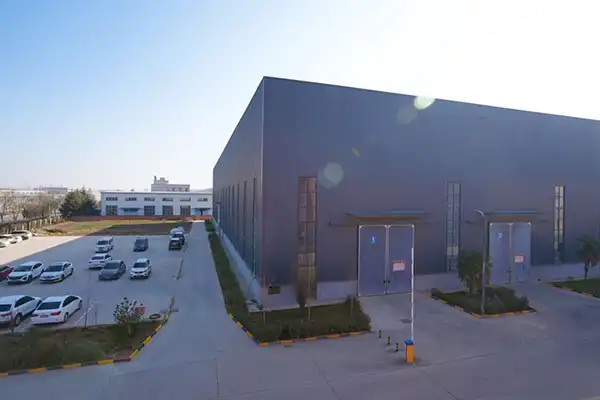
At Shaanxi Tilong Metal Material Co., Ltd., we specialize in manufacturing high-quality, performance-driven materials that meet the needs of various industries, including aerospace, automotive, electronics, and energy. Our Titanium Copper Fusion Plate combines the best of both metals, offering unmatched strength, conductivity, and durability.
-
Unmatched Quality Control: We strictly adhere to international quality standards to ensure our products perform reliably in demanding environments.
-
Cutting-Edge Technology: Our advanced production processes, including melting, forging, and annealing, ensure precision and consistency.
-
Customer-Centric Approach: We focus on long-term relationships, providing tailored solutions to meet the specific needs of our clients.
-
Global Reach: We serve clients worldwide, ensuring that our materials meet the highest industry standards.
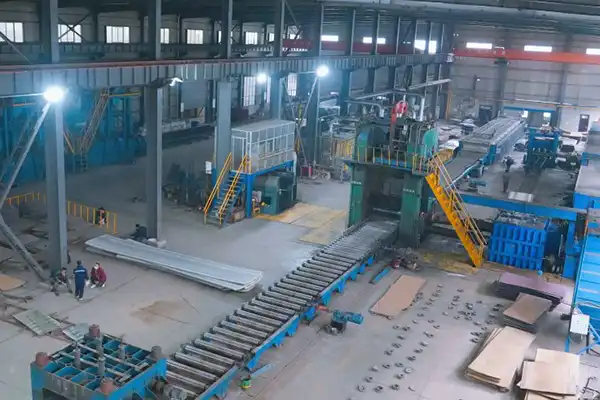
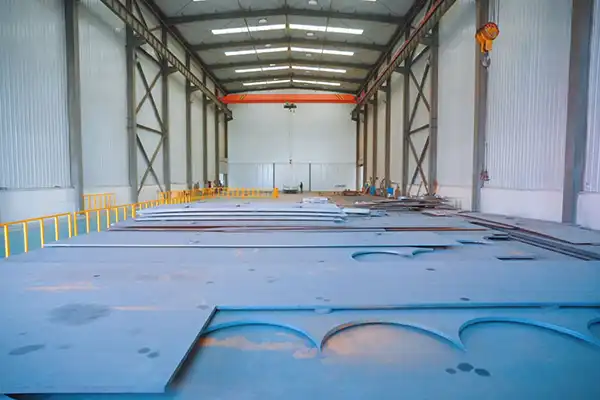
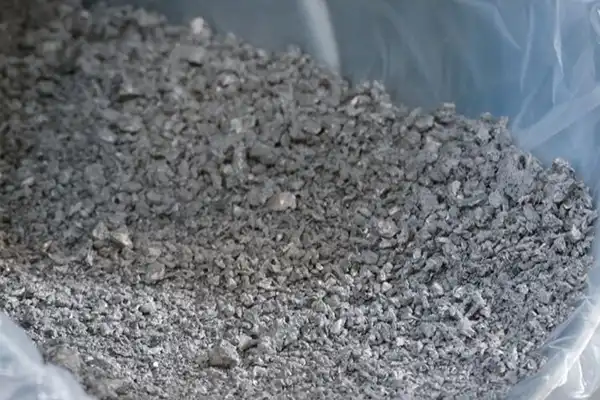
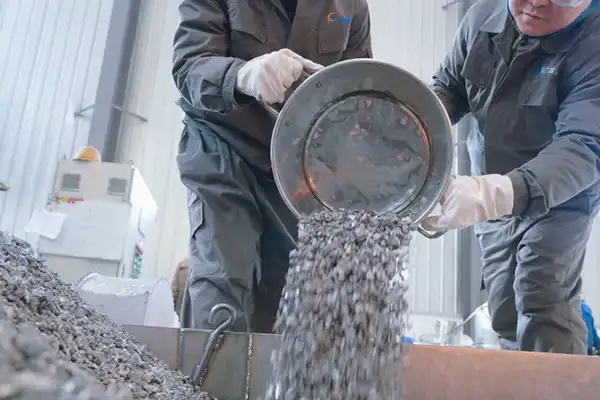
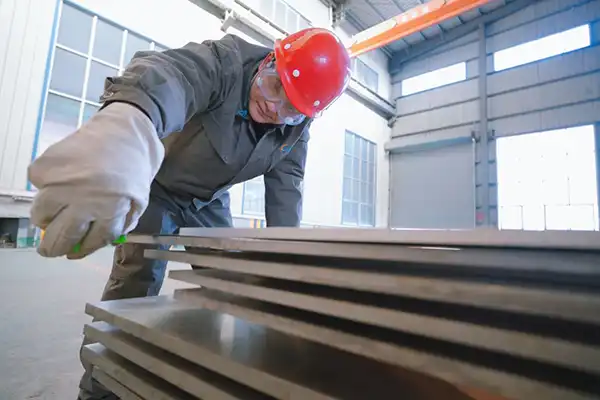
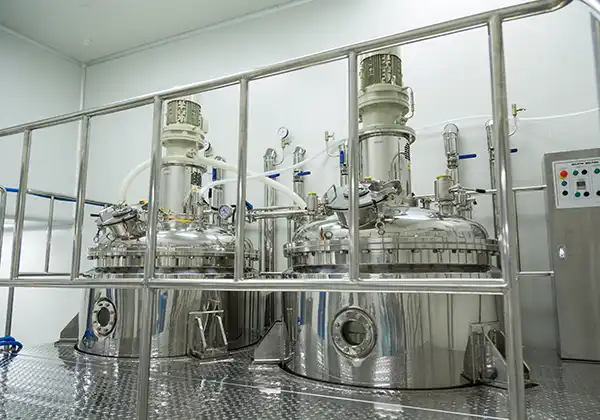
Factory Show
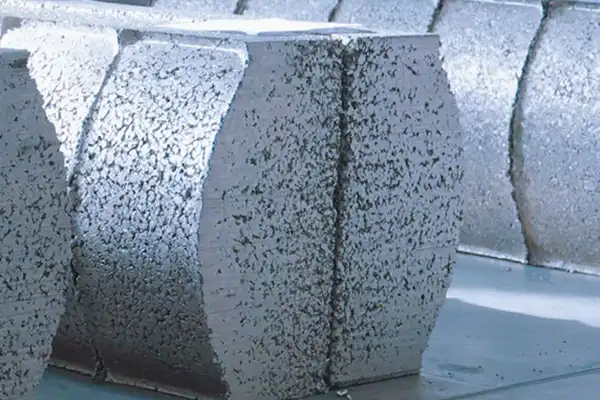
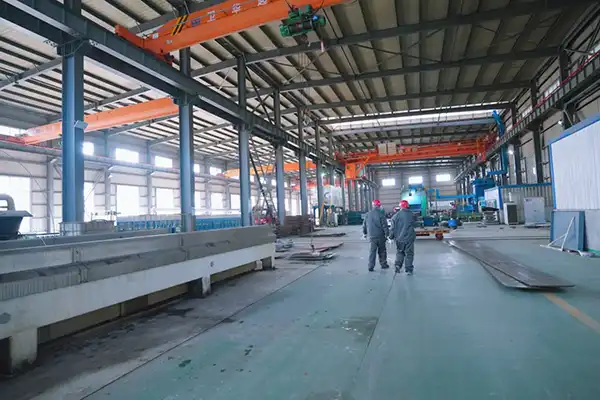
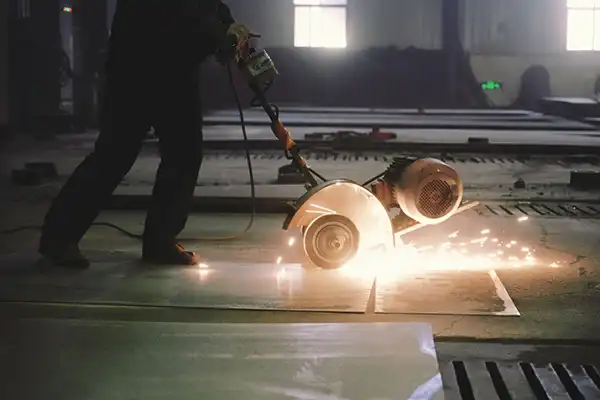
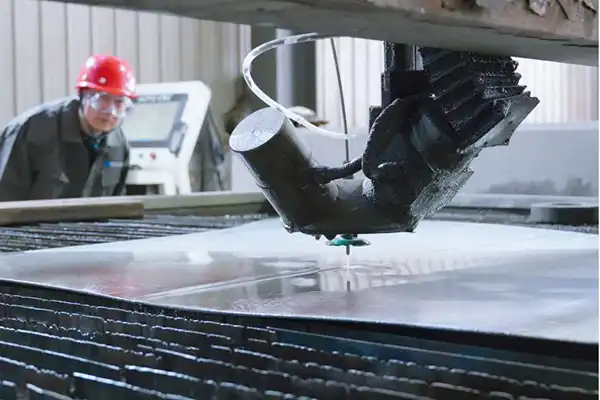
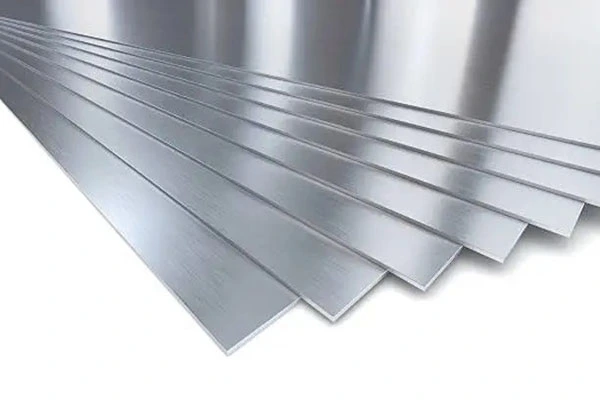
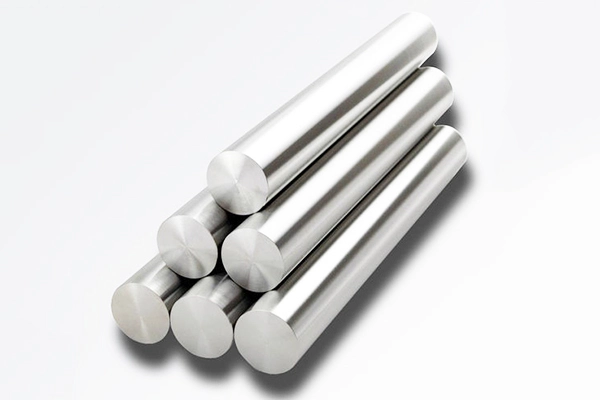
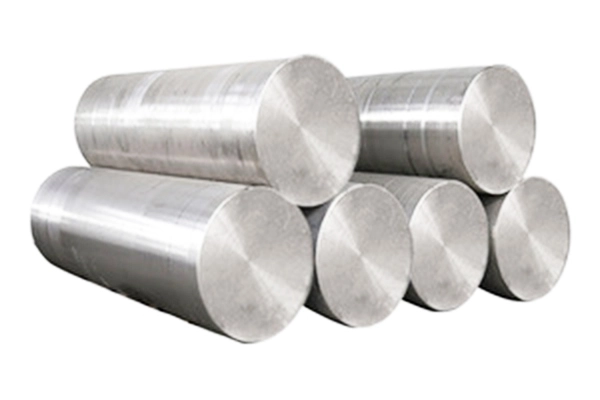
Main Products of Tilong
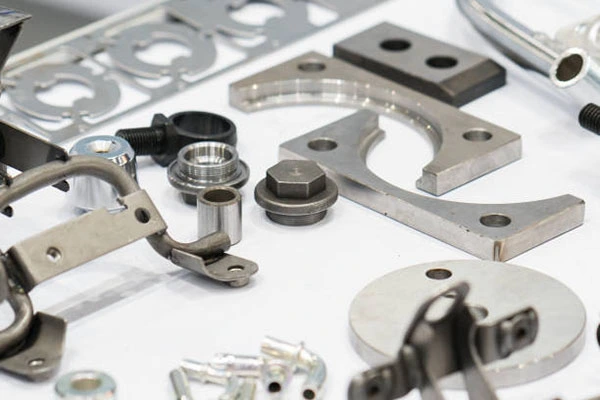
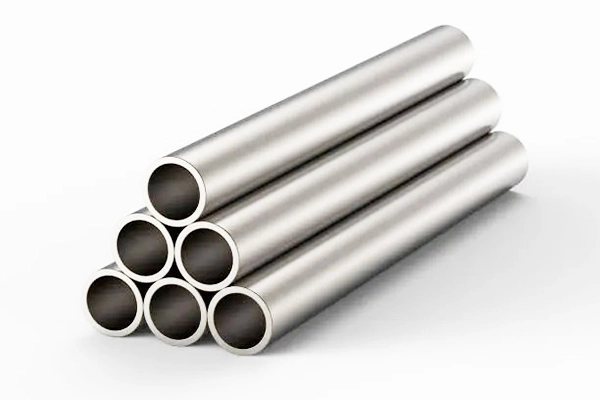
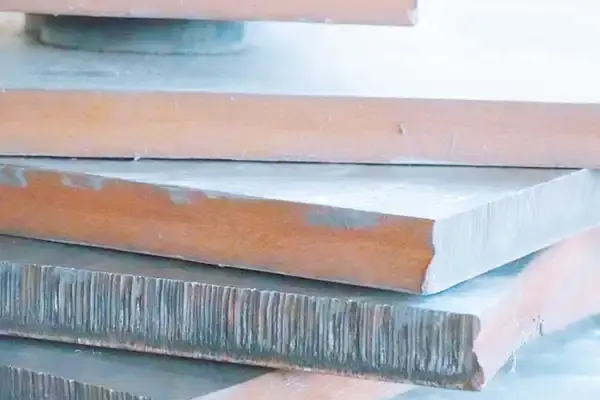
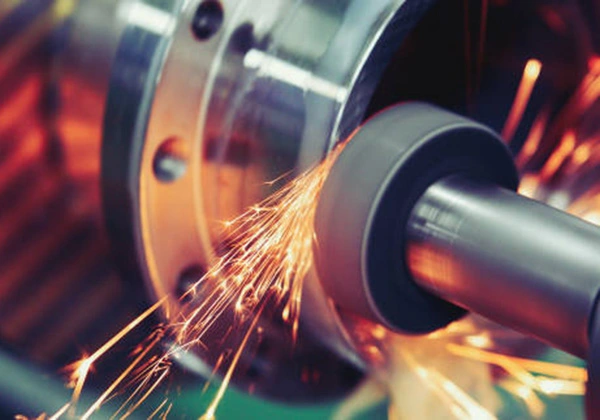
Application Areas


OEM Services
We offer OEM (Original Equipment Manufacturer) services for custom-made Titanium Copper Fusion Plates, allowing clients to modify the plate size, thickness, and finish based on their project’s specifications. Our expert team works closely with you to develop bespoke solutions for your unique requirements, ensuring optimal performance and efficiency.
Frequently Asked Questions (FAQs)
Q: What industries can benefit from Titanium Copper Fusion Plates? A: The Titanium Copper Fusion Plate is ideal for aerospace, automotive, electronics, and energy industries. It is particularly valuable in high-performance applications requiring a combination of strength, corrosion resistance, and thermal management.
Q: Can I get custom sizes or specifications? A: Yes! We offer customizable solutions to meet your project’s needs. Whether you require specific dimensions, thicknesses, or finishes, we can tailor our products to suit your requirements.
Q: How does the Titanium Copper Fusion Plate compare to other materials? A: Compared to pure titanium or copper, our fusion plate combines the best of both materials: the strength and corrosion resistance of titanium with the thermal conductivity and electrical properties of copper.
Q: Is this material suitable for high-temperature environments? A: Absolutely! The Titanium Copper Fusion Plate can withstand high temperatures, making it perfect for aerospace, automotive, and energy sector applications.
Q: Do you offer delivery and supply chain support? A: Yes! We provide reliable, on-time delivery and support through our advanced supply chain management system. Our ERP system ensures transparency, inventory management, and on-schedule shipments.