- English
- French
- German
- Portuguese
- Spanish
- Russian
- Japanese
- Korean
- Arabic
- Greek
- German
- Turkish
- Italian
- Danish
- Romanian
- Indonesian
- Czech
- Afrikaans
- Swedish
- Polish
- Basque
- Catalan
- China
- Taiwan China
- Esperanto
- Hindi
- Lao
- Albanian
- Amharic
- Armenian
- Azerbaijani
- Belarusian
- Bengali
- Bosnian
- Bulgarian
- Cebuano
- Chichewa
- Corsican
- Croatian
- Dutch
- Estonian
- Filipino
- Finnish
- Frisian
- Galician
- Georgian
- Gujarati
- Haitian
- Hausa
- Hawaiian
- Hebrew
- Hmong
- Hungarian
- Icelandic
- Igbo
- Javanese
- Kannada
- Kazakh
- Khmer
- Kurdish
- Kyrgyz
- Latin
- Latvian
- Lithuanian
- Luxembou..
- Macedonian
- Malagasy
- Malay
- Malayalam
- Maltese
- Maori
- Marathi
- Mongolian
- Burmese
- Nepali
- Norwegian
- Pashto
- Persian
- Punjabi
- Serbian
- Sesotho
- Sinhala
- Slovak
- Slovenian
- Somali
- Samoan
- Scots Gaelic
- Shona
- Sindhi
- Sundanese
- Swahili
- Tajik
- Tamil
- Telugu
- Thai
- Ukrainian
- Urdu
- Uzbek
- Vietnamese
- Welsh
- Xhosa
- Yiddish
- Yoruba
- Zulu
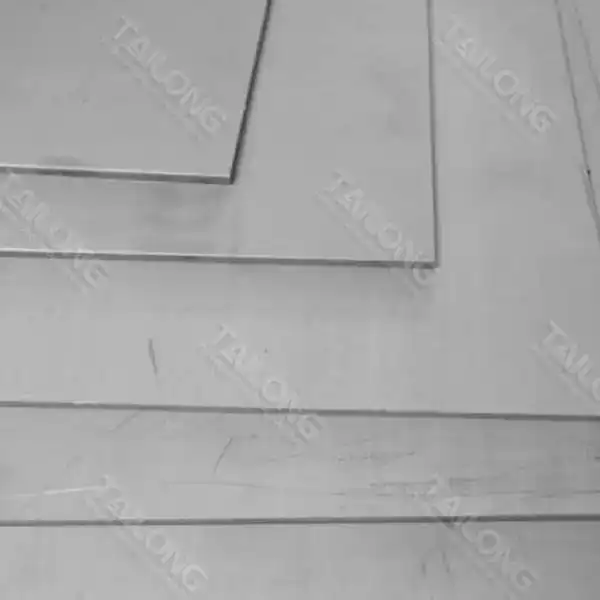
Why choose ASTM B265 Grade 2 Titanium Plate for chemical processing?
In the realm of chemical processing, selecting the right material for equipment and infrastructure is crucial for ensuring safety, efficiency, and longevity. Among the various options available, ASTM B265 Grade 2 Titanium Plate has emerged as a superior choice for numerous applications within the chemical industry. This versatile material offers an exceptional combination of properties that make it ideal for handling corrosive substances, withstanding extreme temperatures, and maintaining structural integrity in demanding environments. As industries continue to seek innovative solutions to improve their processes and reduce maintenance costs, the adoption of ASTM B265 Grade 2 Titanium Plate has become increasingly prevalent. This blog will explore the compelling reasons behind choosing this remarkable material for chemical processing applications, delving into its unique characteristics, performance benefits, and cost-effectiveness compared to alternative options.
What Corrosion Resistance Benefits Does Grade 2 Titanium Offer in Acidic Environments?
Superior Resistance to Various Acids
ASTM B265 Grade 2 Titanium Plate exhibits exceptional corrosion resistance in a wide range of acidic environments, making it an ideal choice for chemical processing equipment. This material forms a stable, protective oxide layer when exposed to oxygen, which provides a natural barrier against corrosive attacks. In sulfuric acid solutions, for instance, ASTM B265 Grade 2 Titanium Plate demonstrates remarkable resistance, even at elevated temperatures and concentrations. This property allows it to maintain its structural integrity and performance in applications involving sulfuric acid production or handling, where other materials might rapidly degrade. Furthermore, the plate's resistance extends to other common acids used in chemical processing, such as hydrochloric acid and nitric acid, ensuring long-term reliability and reduced maintenance requirements in a variety of acidic environments.
Passive Film Formation and Self-Healing Properties
One of the most significant advantages of ASTM B265 Grade 2 Titanium Plate in acidic environments is its ability to form a passive film. This naturally occurring titanium dioxide layer acts as a protective barrier, preventing further corrosion of the underlying metal. What sets this material apart is its self-healing capability – if the passive film is damaged or scratched, it rapidly reforms in the presence of oxygen or water, ensuring continuous protection. This self-healing property of ASTM B265 Grade 2 Titanium Plate is particularly valuable in chemical processing applications where equipment may be subjected to mechanical stress or abrasion, as it helps maintain the material's corrosion resistance over extended periods, even under challenging conditions.
Long-Term Performance in Oxidizing Acids
ASTM B265 Grade 2 Titanium Plate demonstrates exceptional long-term performance when exposed to oxidizing acids, a common challenge in many chemical processing operations. Unlike some other materials that may deteriorate rapidly in such environments, this titanium grade maintains its structural and functional properties over extended periods. For example, in nitric acid applications, ASTM B265 Grade 2 Titanium Plate exhibits excellent resistance across a wide range of concentrations and temperatures. This durability translates to reduced downtime, lower maintenance costs, and improved overall efficiency in chemical processing plants. The material's ability to withstand oxidizing acids also makes it suitable for use in equipment handling other corrosive substances like ferric chloride or chromic acid, further expanding its applicability in the chemical industry.

How Does ASTM B265 Grade 2 Titanium Plate Perform in Chloride-Rich Applications?
Resistance to Pitting and Crevice Corrosion
ASTM B265 Grade 2 Titanium Plate exhibits outstanding resistance to pitting and crevice corrosion in chloride-rich environments, making it an excellent choice for chemical processing applications involving seawater, brine solutions, or other chloride-containing media. Unlike many stainless steel grades that are susceptible to localized corrosion in the presence of chlorides, this titanium grade maintains its integrity even under prolonged exposure. The plate's resistance to pitting corrosion is particularly noteworthy, as it prevents the formation of small, deep holes that can compromise the material's structural integrity. Additionally, ASTM B265 Grade 2 Titanium Plate's resistance to crevice corrosion ensures that it remains stable in tight spaces or under deposits where other materials might fail due to localized attacks.
Performance in High-Temperature Chloride Environments
One of the key advantages of ASTM B265 Grade 2 Titanium Plate is its ability to maintain excellent corrosion resistance in chloride-rich environments at elevated temperatures. This property is crucial for chemical processing applications that involve hot brine solutions or seawater at high temperatures. While many materials experience accelerated corrosion rates as temperature increases, ASTM B265 Grade 2 Titanium Plate retains its protective oxide layer and structural integrity. This resistance to high-temperature chloride attack makes it suitable for use in heat exchangers, condensers, and other equipment in coastal or marine-based chemical processing facilities. The material's performance in these conditions contributes to extended equipment life, reduced maintenance requirements, and improved overall process efficiency.
Compatibility with Chlorine-Based Chemicals
ASTM B265 Grade 2 Titanium Plate demonstrates exceptional compatibility with various chlorine-based chemicals commonly used in the chemical processing industry. This includes resistance to chlorine gas, sodium hypochlorite, and other chlorinated compounds that can be highly corrosive to many metals. The plate's ability to withstand these aggressive chemicals makes it an ideal choice for equipment used in chlor-alkali production, water treatment processes, and other applications involving chlorine-based substances. Furthermore, ASTM B265 Grade 2 Titanium Plate's resistance to stress corrosion cracking in chloride environments enhances its reliability in pressure vessels and piping systems handling chlorinated media. This combination of properties ensures that equipment made from this material can operate safely and efficiently in a wide range of chloride-rich chemical processing applications. Is ASTM B265 Grade 2 Cost-Effective Compared to Other Titanium Grades for Processing Equipment?
Initial Cost vs. Long-Term Value
When considering the cost-effectiveness of ASTM B265 Grade 2 Titanium Plate for chemical processing equipment, it's essential to look beyond the initial purchase price and evaluate the long-term value it offers. While the upfront cost of this material may be higher compared to some other grades of titanium or alternative metals, its exceptional durability and corrosion resistance often result in significant cost savings over the equipment's lifetime. The extended service life of ASTM B265 Grade 2 Titanium Plate means fewer replacements are needed, reducing both material costs and downtime associated with equipment changes. Additionally, its resistance to a wide range of corrosive environments minimizes the need for protective coatings or frequent maintenance, further contributing to its cost-effectiveness in the long run. When factoring in these benefits, ASTM B265 Grade 2 Titanium Plate often proves to be a more economical choice for chemical processing applications compared to lower-grade titanium or other materials that may require more frequent replacement or maintenance.
Reduced Maintenance and Downtime Costs
One of the most significant factors contributing to the cost-effectiveness of ASTM B265 Grade 2 Titanium Plate in chemical processing equipment is its ability to drastically reduce maintenance and downtime costs. The material's superior corrosion resistance and mechanical properties mean that equipment made from this grade of titanium requires less frequent inspection, repair, and replacement compared to alternatives. This translates to fewer production interruptions, lower labor costs for maintenance activities, and reduced expenses associated with spare parts and materials. For instance, heat exchangers or reactors constructed from ASTM B265 Grade 2 Titanium Plate can operate for extended periods without the need for descaling or cleaning, which is often necessary for equipment made from less resistant materials. The reduction in maintenance-related downtime not only saves direct costs but also contributes to improved overall productivity and efficiency in chemical processing operations.
Versatility and Multi-Purpose Applications
The versatility of ASTM B265 Grade 2 Titanium Plate adds to its cost-effectiveness in chemical processing applications. This material's combination of corrosion resistance, strength, and formability allows it to be used in a wide range of equipment and components within a single facility. From storage tanks and piping systems to heat exchangers and reaction vessels, ASTM B265 Grade 2 Titanium Plate can often serve multiple purposes, reducing the need for different materials for various applications. This versatility can lead to simplified inventory management, streamlined procurement processes, and potentially lower overall material costs when considering the entire range of equipment needs in a chemical processing plant. Furthermore, the material's excellent weldability and fabrication characteristics mean that custom components can be easily manufactured, potentially reducing the need for specialized or pre-fabricated parts and contributing to cost savings in equipment design and construction.

Conclusion
ASTM B265 Grade 2 Titanium Plate stands out as an exceptional choice for chemical processing applications due to its superior corrosion resistance, versatility, and long-term cost-effectiveness. Its ability to withstand acidic and chloride-rich environments, coupled with excellent mechanical properties, makes it ideal for a wide range of equipment in the chemical industry. While the initial investment may be higher, the reduced maintenance, extended service life, and improved operational efficiency it offers make it a compelling option for businesses seeking reliable and durable solutions. As the chemical processing industry continues to evolve, ASTM B265 Grade 2 Titanium Plate remains a trusted material for ensuring safety, performance, and longevity in demanding environments.
For high-quality ASTM B265 Grade 2 Titanium Plate and expert guidance on its applications, look no further than Shaanxi Tilong Metal Material Co., Ltd. As a leading manufacturer with a complete production chain, we offer comprehensive solutions for your chemical processing needs. Our commitment to innovation, quality, and customer service ensures that you receive the best products and support for your projects. Contact us today at Tailong@tilongtitanium.com to learn more about how our titanium solutions can benefit your operations.
References
1. ASTM International. (2020). ASTM B265: Standard Specification for Titanium and Titanium Alloy Strip, Sheet, and Plate.
2. Schutz, R. W., & Thomas, D. E. (1987). Corrosion of titanium and titanium alloys. ASM Handbook, 13, 669-706.
3. Donachie, M. J. (2000). Titanium: A Technical Guide. ASM International.
4. Titanium Information Group. (2019). Titanium for Chemical Processing Applications.
5. Revie, R. W., & Uhlig, H. H. (2008). Corrosion and Corrosion Control: An Introduction to Corrosion Science and Engineering. John Wiley & Sons.
6. Craig, B. D., & Anderson, D. S. (1995). Handbook of Corrosion Data. ASM International.
Related products