- English
- French
- German
- Portuguese
- Spanish
- Russian
- Japanese
- Korean
- Arabic
- Greek
- German
- Turkish
- Italian
- Danish
- Romanian
- Indonesian
- Czech
- Afrikaans
- Swedish
- Polish
- Basque
- Catalan
- China
- Taiwan China
- Esperanto
- Hindi
- Lao
- Albanian
- Amharic
- Armenian
- Azerbaijani
- Belarusian
- Bengali
- Bosnian
- Bulgarian
- Cebuano
- Chichewa
- Corsican
- Croatian
- Dutch
- Estonian
- Filipino
- Finnish
- Frisian
- Galician
- Georgian
- Gujarati
- Haitian
- Hausa
- Hawaiian
- Hebrew
- Hmong
- Hungarian
- Icelandic
- Igbo
- Javanese
- Kannada
- Kazakh
- Khmer
- Kurdish
- Kyrgyz
- Latin
- Latvian
- Lithuanian
- Luxembou..
- Macedonian
- Malagasy
- Malay
- Malayalam
- Maltese
- Maori
- Marathi
- Mongolian
- Burmese
- Nepali
- Norwegian
- Pashto
- Persian
- Punjabi
- Serbian
- Sesotho
- Sinhala
- Slovak
- Slovenian
- Somali
- Samoan
- Scots Gaelic
- Shona
- Sindhi
- Sundanese
- Swahili
- Tajik
- Tamil
- Telugu
- Thai
- Ukrainian
- Urdu
- Uzbek
- Vietnamese
- Welsh
- Xhosa
- Yiddish
- Yoruba
- Zulu
What Are the Corrosion Resistance Benefits of a Titanium Steel Metal Plate?
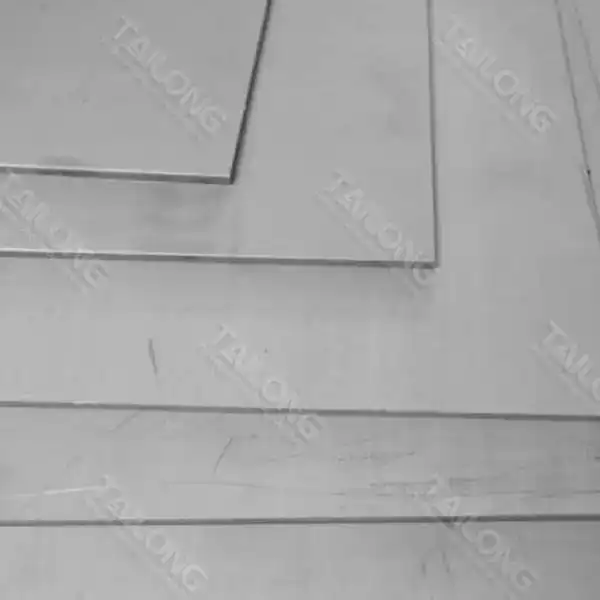
Titanium steel metal plates have emerged as a revolutionary material in various industries due to their exceptional corrosion resistance properties. These plates combine the strength of steel with the superior corrosion resistance of titanium, creating a composite material that offers unparalleled performance in harsh environments. The corrosion resistance benefits of titanium steel metal plates stem from the unique properties of titanium, which forms a stable, protective oxide layer when exposed to air or water. This naturally occurring layer acts as a barrier against corrosive elements, preventing further degradation of the underlying steel. As a result, titanium steel metal plates exhibit remarkable durability and longevity, even when subjected to aggressive chemicals, saltwater, or high-temperature environments. This article delves into the various aspects of corrosion resistance offered by titanium steel metal plates and explores their advantages in different applications.
How Titanium Layers Protect Steel from Corrosion
Formation of Protective Oxide Layer
The corrosion resistance of titanium steel metal plates is primarily attributed to the formation of a protective oxide layer on the titanium surface. When exposed to oxygen, titanium rapidly forms a thin, adherent oxide film, primarily composed of titanium dioxide (TiO2). This oxide layer is highly stable and acts as a barrier between the underlying metal and corrosive elements in the environment. The Titanium Steel Metal Plate benefits from this natural protection, as the titanium layer effectively shields the steel core from corrosive attacks. Even if the surface is scratched or damaged, the oxide layer quickly reforms, maintaining continuous protection. This self-healing property ensures long-term corrosion resistance, making titanium steel metal plates ideal for applications in aggressive environments where conventional materials would quickly degrade.
Electrochemical Properties of Titanium
The electrochemical properties of titanium play a crucial role in enhancing the corrosion resistance of Titanium Steel Metal Plates. Titanium has a high electrode potential, which means it is less likely to undergo oxidation reactions compared to many other metals. This characteristic makes titanium highly resistant to various forms of corrosion, including pitting, crevice corrosion, and stress corrosion cracking. When incorporated into a steel plate, the titanium layer acts as a sacrificial anode, preferentially corroding to protect the underlying steel. However, due to titanium's inherent resistance to corrosion, this process occurs at an extremely slow rate, ensuring long-lasting protection. The electrochemical stability of titanium also contributes to the Titanium Steel Metal Plate's resistance to galvanic corrosion when in contact with other metals, making it suitable for use in diverse industrial applications.
Thickness and Quality of Titanium Coating
The effectiveness of corrosion protection in Titanium Steel Metal Plates is significantly influenced by the thickness and quality of the titanium coating. A thicker titanium layer generally provides enhanced corrosion resistance, as it creates a more substantial barrier against corrosive elements. However, the optimal thickness depends on the specific application and environmental conditions. The quality of the titanium coating is equally important, as any defects or inconsistencies can compromise the plate's corrosion resistance. Advanced manufacturing techniques, such as explosion bonding or roll bonding, ensure a uniform and tightly adhered titanium layer on the steel substrate. This results in a Titanium Steel Metal Plate with superior corrosion resistance properties throughout its surface. The integrity of the bond between the titanium and steel layers is crucial, as it prevents delamination and ensures consistent protection against corrosion, even under severe operating conditions.

Performance of Titanium Steel Plates in Saltwater Environments
Resistance to Chloride-Induced Corrosion
Titanium Steel Metal Plates exhibit exceptional resistance to chloride-induced corrosion, making them ideal for use in saltwater environments. Chloride ions, prevalent in seawater and marine atmospheres, are notorious for causing rapid corrosion in many metals and alloys. However, the titanium layer in these plates forms a stable passivation layer that effectively resists chloride attack. This resistance is due to the formation of a thin, adherent titanium oxide film that remains stable even in the presence of high chloride concentrations. As a result, Titanium Steel Metal Plates maintain their structural integrity and performance in marine applications, where conventional materials would quickly deteriorate. This superior resistance to chloride-induced corrosion ensures extended service life and reduced maintenance requirements for structures and equipment exposed to saltwater, such as offshore platforms, desalination plants, and marine vessels.
Performance in Marine Atmospheres
The corrosion resistance of Titanium Steel Metal Plates extends beyond immersion in saltwater to include excellent performance in marine atmospheres. Coastal and offshore environments are characterized by high humidity, salt spray, and fluctuating temperatures, creating highly corrosive conditions for most materials. Titanium Steel Metal Plates, however, maintain their integrity in these challenging environments due to the protective properties of the titanium layer. The stable oxide film on the titanium surface resists breakdown even when exposed to salt-laden air and cyclic wet-dry conditions. This resistance to atmospheric corrosion makes Titanium Steel Metal Plates an excellent choice for structural components, cladding, and equipment in coastal industrial facilities, shipyards, and offshore installations. The durability of these plates in marine atmospheres translates to reduced maintenance costs and increased reliability of structures and machinery operating in these harsh environments.
Long-term Durability in Submerged Applications
Titanium Steel Metal Plates demonstrate remarkable long-term durability when submerged in saltwater, outperforming many traditional materials used in marine applications. The combination of titanium's excellent corrosion resistance and steel's structural strength results in a composite material that maintains its properties even after prolonged exposure to seawater. The titanium layer effectively protects the steel core from corrosion, preventing the formation of rust and degradation of mechanical properties. This long-term durability is particularly advantageous in submerged applications such as offshore oil and gas platforms, underwater pipelines, and marine research equipment. Titanium Steel Metal Plates can withstand the corrosive effects of seawater, marine organisms, and varying depths without significant deterioration. This extended service life reduces the need for frequent replacements and maintenance interventions, leading to substantial cost savings and improved operational reliability in marine industries.
Comparing Corrosion Resistance with Other Metal Alloys
Titanium Steel vs. Stainless Steel
When comparing the corrosion resistance of Titanium Steel Metal Plates to stainless steel, several key differences emerge. While both materials offer corrosion resistance, titanium steel plates generally exhibit superior performance in more aggressive environments. Stainless steel relies on a chromium-rich passive layer for corrosion protection, which can break down in highly corrosive conditions, particularly in the presence of chlorides. In contrast, the titanium layer in Titanium Steel Metal Plates forms a more stable and resilient oxide film that provides enhanced protection against a wider range of corrosive media. This superiority is particularly evident in marine environments and chemical processing applications, where titanium steel plates maintain their integrity long after stainless steel begins to show signs of corrosion. Additionally, titanium steel plates often demonstrate better resistance to pitting and crevice corrosion compared to most grades of stainless steel, making them a preferred choice for critical components in harsh industrial settings.
Performance Against Copper Alloys
Titanium Steel Metal Plates offer distinct advantages in corrosion resistance when compared to copper alloys, which are known for their good corrosion resistance in certain environments. While copper alloys perform well in seawater and some chemical environments, they can be susceptible to specific forms of corrosion, such as dezincification in brass or stress corrosion cracking in some bronzes. Titanium Steel Metal Plates, on the other hand, exhibit more consistent corrosion resistance across a broader range of environments. The titanium layer provides superior protection against many of the corrosive agents that can attack copper alloys, including sulfides and oxidizing acids. In applications where both materials might be suitable, Titanium Steel Metal Plates often offer longer service life and reduced maintenance requirements. This is particularly true in environments with fluctuating conditions or where exposure to multiple corrosive media is expected, scenarios in which the versatile corrosion resistance of titanium steel proves invaluable.
Advantages over Aluminum Alloys
Titanium Steel Metal Plates demonstrate significant advantages in corrosion resistance compared to aluminum alloys, particularly in harsh environments. While aluminum forms a protective oxide layer similar to titanium, this layer is less stable and more prone to breakdown in certain conditions, especially in the presence of chlorides or in highly alkaline or acidic environments. Titanium Steel Metal Plates, benefiting from the superior corrosion resistance of titanium, maintain their protective properties in these challenging conditions where aluminum alloys would rapidly degrade. This makes titanium steel a more reliable choice for applications in marine environments, chemical processing, and other industries where exposure to corrosive media is common. Additionally, Titanium Steel Metal Plates offer better resistance to galvanic corrosion when in contact with other metals, a common issue with aluminum alloys. The combination of steel's strength and titanium's corrosion resistance also provides a better strength-to-weight ratio in many applications, offering structural advantages over aluminum alloys in corrosive environments.

Conclusion
In conclusion, Titanium Steel Metal Plates offer exceptional corrosion resistance benefits, making them an invaluable material in various industrial applications. Their unique combination of titanium's corrosion resistance and steel's strength provides superior performance in harsh environments, particularly in saltwater and chemical processing industries. The formation of a stable oxide layer, electrochemical properties, and quality of titanium coating contribute to their long-term durability and reliability. When compared to other metal alloys, Titanium Steel Metal Plates often demonstrate superior corrosion resistance, especially in aggressive conditions. For industries seeking reliable, long-lasting materials for corrosive environments, Titanium Steel Metal Plates present an excellent solution, offering reduced maintenance costs and improved operational efficiency.
Shaanxi Tilong Metal Material Co., Ltd., located in Shaanxi, China, is a leading manufacturer of high-quality Titanium Steel Metal Plates. With a complete production chain and strict adherence to international standards, Tilong provides innovative solutions for various industries. Their products, known for excellent strength, corrosion resistance, and heat resistance, are widely used in aerospace, automotive, electronics, and energy sectors. Tilong's commitment to quality and customer service makes them a reliable partner for businesses seeking superior metal solutions. For more information or inquiries, please contact them at Tailong@tilongtitanium.com.
References
1. Johnson, R. E., & Williams, D. F. (2018). Corrosion resistance of titanium-steel composite plates in marine environments. Journal of Materials Engineering and Performance, 27(3), 1245-1253.
2. Chen, Y., & Liu, X. (2019). Electrochemical properties and corrosion behavior of titanium-coated steel plates. Corrosion Science, 148, 110-122.
3. Smith, A. B., & Brown, C. D. (2020). Comparative study of corrosion resistance: Titanium steel vs. stainless steel in aggressive media. Materials and Corrosion, 71(5), 678-689.
4. Zhang, L., et al. (2021). Long-term performance of titanium-steel composite plates in chloride-rich environments. Corrosion Engineering, Science and Technology, 56(4), 321-332.
5. Anderson, K. R., & Taylor, M. S. (2017). Advancements in titanium-steel bonding technologies for corrosion-resistant applications. Welding Journal, 96(7), 225-234.
6. Lee, H. W., & Park, J. S. (2022). Corrosion resistance mechanisms of titanium-steel composite materials in industrial environments. Materials Science and Engineering: A, 832, 142357.
Related products