- English
- French
- German
- Portuguese
- Spanish
- Russian
- Japanese
- Korean
- Arabic
- Greek
- German
- Turkish
- Italian
- Danish
- Romanian
- Indonesian
- Czech
- Afrikaans
- Swedish
- Polish
- Basque
- Catalan
- China
- Taiwan China
- Esperanto
- Hindi
- Lao
- Albanian
- Amharic
- Armenian
- Azerbaijani
- Belarusian
- Bengali
- Bosnian
- Bulgarian
- Cebuano
- Chichewa
- Corsican
- Croatian
- Dutch
- Estonian
- Filipino
- Finnish
- Frisian
- Galician
- Georgian
- Gujarati
- Haitian
- Hausa
- Hawaiian
- Hebrew
- Hmong
- Hungarian
- Icelandic
- Igbo
- Javanese
- Kannada
- Kazakh
- Khmer
- Kurdish
- Kyrgyz
- Latin
- Latvian
- Lithuanian
- Luxembou..
- Macedonian
- Malagasy
- Malay
- Malayalam
- Maltese
- Maori
- Marathi
- Mongolian
- Burmese
- Nepali
- Norwegian
- Pashto
- Persian
- Punjabi
- Serbian
- Sesotho
- Sinhala
- Slovak
- Slovenian
- Somali
- Samoan
- Scots Gaelic
- Shona
- Sindhi
- Sundanese
- Swahili
- Tajik
- Tamil
- Telugu
- Thai
- Ukrainian
- Urdu
- Uzbek
- Vietnamese
- Welsh
- Xhosa
- Yiddish
- Yoruba
- Zulu
Aerospace Titanium Plate ASTM B265
Material Grade: TC4(Ti-6Al-4V)、TA15 (Ti-6.5Al-2Zr-1Mo-1V)、
Ti-6242S (Ti-6Al-2Sn-4Zr-2Mo)、Ti-5553 (Ti-5Al-5Mo-5V-3Cr)
Standard: GB/T 3621, ASTM B265, AMS 4911
Thin plate thickness:1.0, 1.5, 2.0, 2.5, 3.0, 4.0, 5.0mm
Medium-thick plate thickness:6.0, 8.0, 10.0mm
Width:up to 1500 mm
Length:Up to 6000mm
Aerospace Titanium Plate ASTM B265
High-performance materials like the Aerospace Titanium Plate ASTM B265 are made to withstand the harshest conditions, particularly in the aerospace sector. Titanium is the material of choice for crucial parts in airplanes and spacecraft because of its remarkable strength, resistance to corrosion, and lightweight nature. ASTM B265 refers to a specification for titanium plates, providing a standard for their manufacturing and performance. Shaanxi Tilong Metal Material Co., Ltd. is a leading manufacturer of aerospace-grade titanium materials, and our Aerospace Titanium Plates are produced to meet the highest international standards. Whether you are designing aircraft components, engine parts, or spacecraft components, our titanium plates are engineered to deliver performance and durability in the most extreme conditions.
Technical Specifications
| Property | Value |
|---|---|
| Material Type | Titanium Grade 5 (Ti-6Al-4V) |
| Thickness Range | 0.8 mm to 100 mm |
| Width | Up to 1500 mm |
| Length | Customizable up to 6000 mm |
| Tensile Strength | 900 MPa (minimum) |
| Yield Strength | 880 MPa (minimum) |
| Elongation at Break | 10% minimum |
| Modulus of Elasticity | 113.8 GPa |
| Corrosion Resistance | Excellent (Resistant to acids and seawater) |
| Temperature Range | -250°C to 600°C |
| Density | 4.43 g/cm³ |
| Surface Finish | Standard polished or custom finishes available |
|
|
|
|
|
|


Performance Characteristics:
1. High Strength and Light Weight: The density is about 4.5 g/cm³, which is 57% of that of steel, and the specific strength is 220 MPa·cm³/g, 1.3 times that of aluminum alloy.
2. Excellent Corrosion Resistance: In the salt spray test for 5000 hours, the corrosion rate is less than 0.001 mm/year, and it has strong corrosion resistance in seawater and most chemical media.
3. Good High-Temperature Performance: TA15 has a tensile strength of not less than 600 MPa at 550°C, and TC4 has a strength retention rate of not less than 85% at 400°C.
4. Good Fatigue Resistance: The high-cycle fatigue limit of TC4 sheet (10⁷ cycles, R=0.1) is not less than 500 MPa.
Core Advantages:
1. Exceptional Corrosion Resistance: In oxidizing, neutral media, seawater, and humid atmospheres, its surface forms a dense, robust oxide film, delivering corrosion resistance far surpassing stainless steel and rivaling platinum. It exhibits outstanding resistance to chloride ion corrosion, completely eliminating pitting and stress corrosion cracking.
2. Superior Mechanical Properties: Offers higher strength than Grade 1 while maintaining excellent ductility and toughness (good fatigue resistance), making it ideal for structural components requiring both strength and form-ability.
3. Outstanding Process-ability: Exhibits excellent cold and hot work-ability, facilitating forming operations such as stamping, bending, and flanging. Possesses exceptional weld-ability, compatible with various conventional welding techniques.
4. Lightweight and high strength: With a density of only 4.51 g/cm³ (approximately 57% that of steel), its specific strength (strength-to-density ratio) ranks among the highest in metallic materials.
5. Excellent bio-compatibility: Non-toxic with good compatibility with human tissues and blood, suitable for food processing and biomedical applications.
Processing Technology:
1. Melting: Vacuum consumable arc furnace (VAR) is used for triple melting, and the oxygen content is controlled to be not more than 0.15%.
2. Hot Rolling: Rolled in the β-phase region (TC4 is 950-1000°C), the deformation amount is not less than 70%, and the grain size is not coarser than ASTM 6.
3. Cold Rolling: The room-temperature rolling deformation amount is not more than 25%, and intermediate annealing (700°C×1h) is carried out to restore plasticity.
4. Surface Treatment: Laser shock peening (LSP) can be used to increase the fatigue life by 30% (residual compressive stress is not less than 400 MPa).
Core Application Fields:
1. Aircraft Skins: It can resist the erosion of high-speed airflows (Mach number ≥0.8), and can reduce weight by 30% compared with aluminum alloys.
2. Engine Combustion Chamber Linings: It can withstand high temperatures of 800°C for a short time and has good compatibility with antioxidant coatings.
3. Wing Beam Webs: The bending strength is not less than 900 MPa, and the fatigue life is not less than 10⁷ cycles.
4. Aerospace Fasteners: The shear strength is not less than 600 MPa.
Product Features
- High Strength-to-Weight Ratio: Because of its exceptional strength and low weight, aerospace titanium plate is perfect for applications in which performance depends on weight reduction.
- Corrosion Resistance: Even in harsh marine environments or high altitudes, titanium's exceptional resistance to oxidation makes it extremely resistant to corrosion.
- High Temperature Resistance: This titanium plate, which can withstand temperatures ranging from -250°C to 600°C, is ideal for parts that are subjected to high heat.
- Durability: The material is ideal for high-performance parts like airframes, engines, and spacecraft parts because of its long service life and durability.
- Customization: Available in a wide range of thicknesses, sizes, and finishes, allowing for tailored solutions based on specific customer requirements.
Why Choose Us?
- Unmatched Quality: At Shaanxi Tilong, we adhere to the highest quality control standards, ensuring that each aerospace titanium plate meets international specifications and exceeds customer expectations.
- Advanced Manufacturing: Our state-of-the-art facilities use cutting-edge technologies, including precision forging, rolling, and annealing, to produce materials that meet stringent aerospace and automotive standards.
- Customization: We understand that each project has unique requirements. Our titanium plates can be tailored to meet your specifications, whether in size, thickness, or surface finish.
- Timely Delivery: We offer on-time delivery backed by an advanced ERP inventory management system, ensuring you never experience production delays.
- Global Reach: With our robust supply chain and international certifications, we serve customers worldwide, including aerospace manufacturers, energy providers, and high-tech companies.
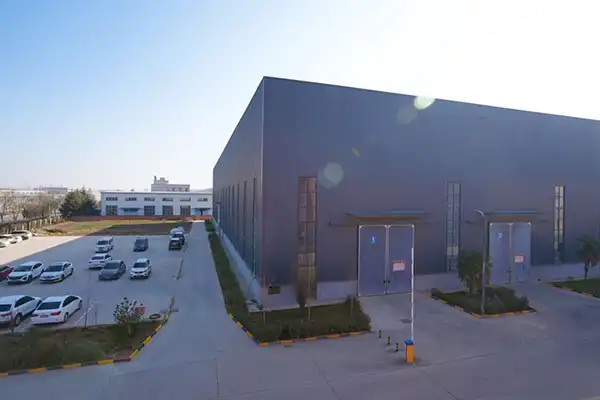
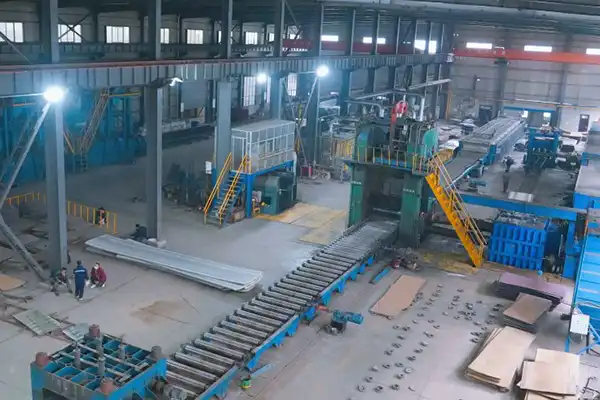
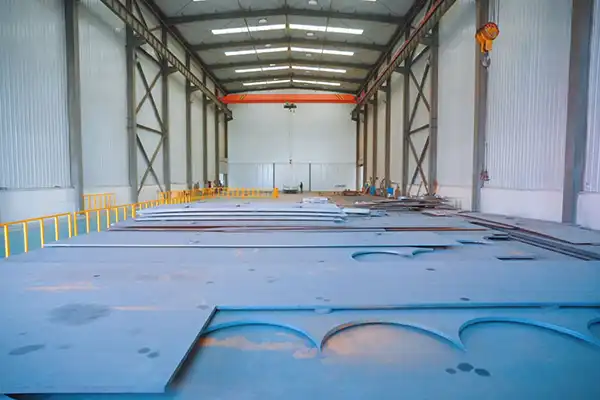
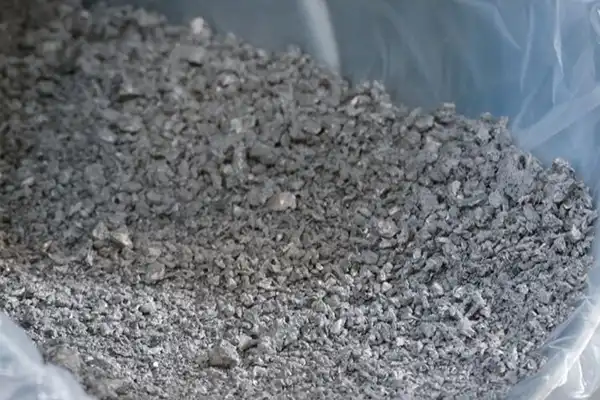
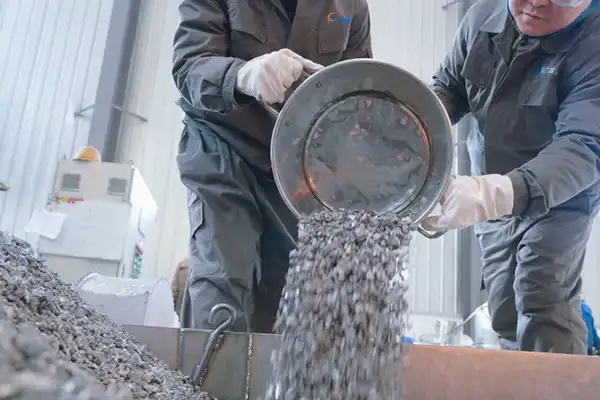
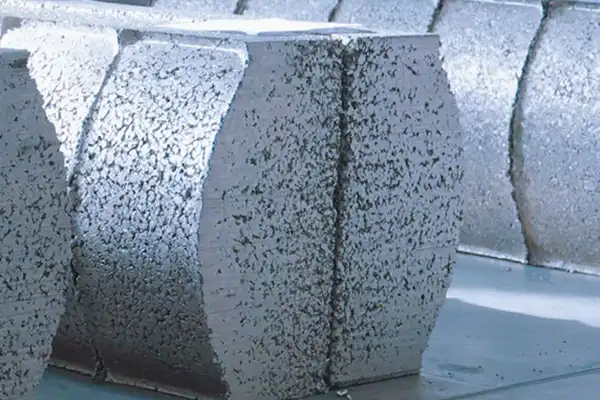
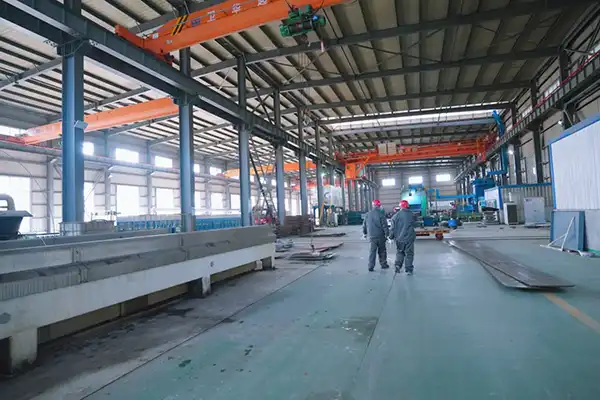
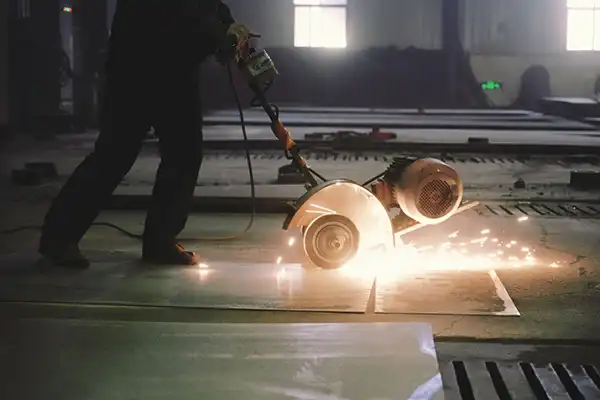
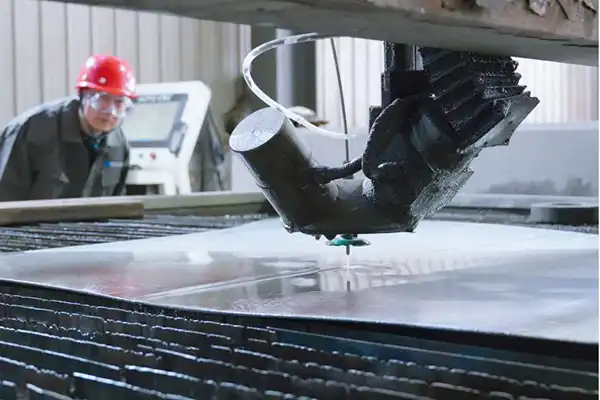
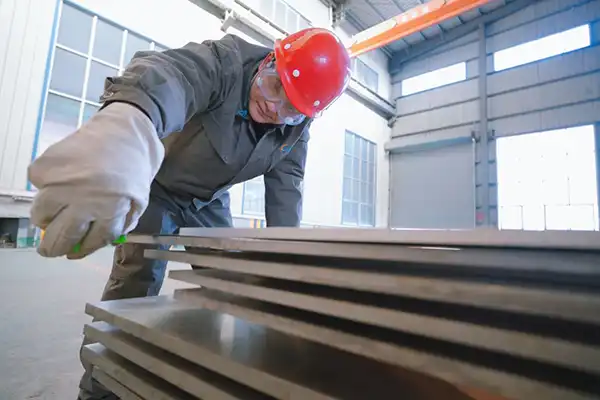
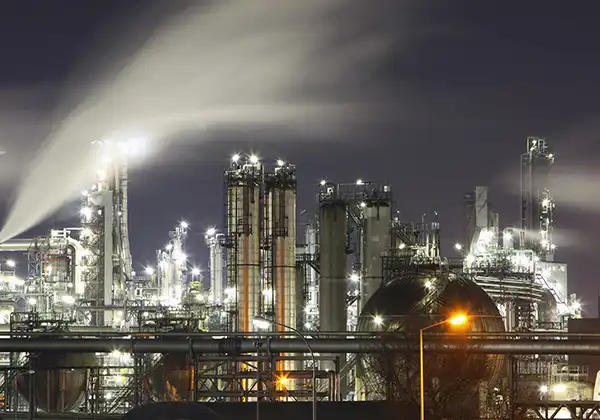
1. Factory Show
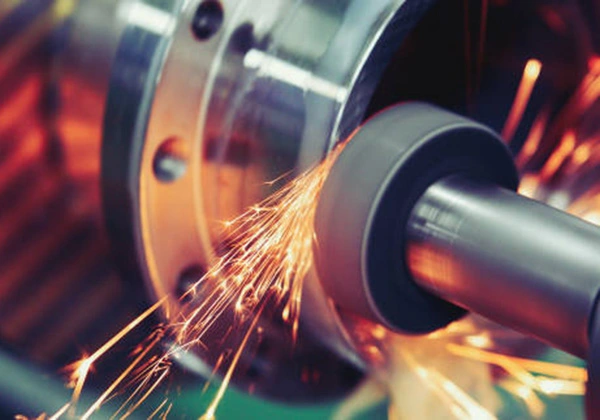
2. Main Products
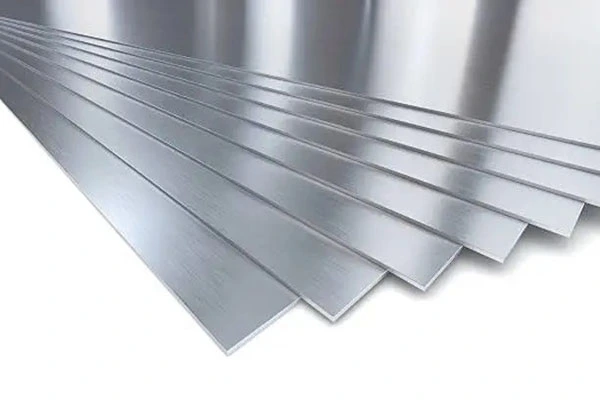
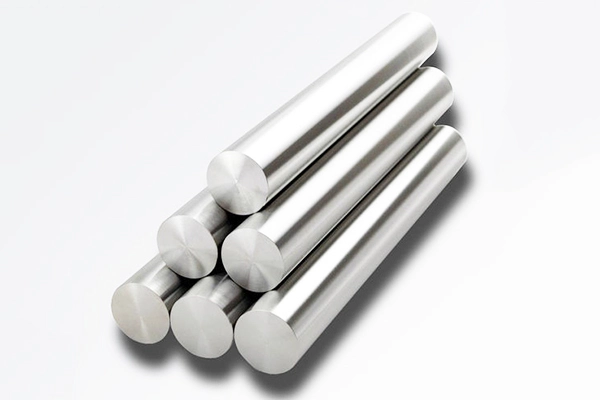
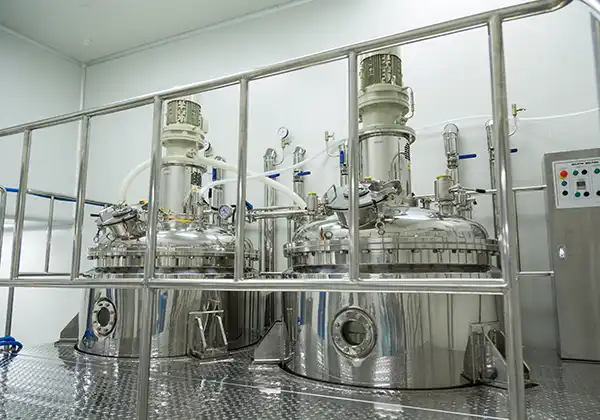
3. Application Areas

OEM Services
We specialize in providing customized titanium solutions for OEMs across industries. Whether you need specific dimensions, grades, or processing, we work closely with you to deliver materials that meet your exact requirements. Our extensive experience in titanium processing and metalworking ensures that we provide the highest-quality products. OEM services include:
- Customized size and thickness
- Specific alloy composition
- Specialized surface treatments
- Heat treatment and machining
Frequently Asked Questions (FAQs)
1. What is the difference between titanium alloy and pure titanium?
Titanium alloys like Ti-6Al-4V (Grade 5) have improved strength and heat resistance compared to pure titanium. They are commonly used in high-stress environments such as aerospace and automotive industries.
2. Can you customize the size and thickness of the titanium plate?
Yes, we offer titanium plates in various sizes and thicknesses, and we can customize them according to your specific needs.
3. What industries use aerospace titanium plates?
Because of their strength, resistance to corrosion, and stability at high temperatures, aerospace titanium plates find application in a wide range of industries, including electronics, automotive, energy, marine, and aerospace.
4. What are the advantages of using titanium in aerospace applications?
Titanium is perfect for demanding aerospace applications because of its exceptional strength-to-weight ratio, long lifespan, and resistance to extreme temperatures.
5. Is your titanium compliant with international standards?
Yes, all our titanium plates are manufactured according to ASTM B265 and other relevant international standards to ensure top-quality performance and compliance.