- English
- French
- German
- Portuguese
- Spanish
- Russian
- Japanese
- Korean
- Arabic
- Greek
- German
- Turkish
- Italian
- Danish
- Romanian
- Indonesian
- Czech
- Afrikaans
- Swedish
- Polish
- Basque
- Catalan
- China
- Taiwan China
- Esperanto
- Hindi
- Lao
- Albanian
- Amharic
- Armenian
- Azerbaijani
- Belarusian
- Bengali
- Bosnian
- Bulgarian
- Cebuano
- Chichewa
- Corsican
- Croatian
- Dutch
- Estonian
- Filipino
- Finnish
- Frisian
- Galician
- Georgian
- Gujarati
- Haitian
- Hausa
- Hawaiian
- Hebrew
- Hmong
- Hungarian
- Icelandic
- Igbo
- Javanese
- Kannada
- Kazakh
- Khmer
- Kurdish
- Kyrgyz
- Latin
- Latvian
- Lithuanian
- Luxembou..
- Macedonian
- Malagasy
- Malay
- Malayalam
- Maltese
- Maori
- Marathi
- Mongolian
- Burmese
- Nepali
- Norwegian
- Pashto
- Persian
- Punjabi
- Serbian
- Sesotho
- Sinhala
- Slovak
- Slovenian
- Somali
- Samoan
- Scots Gaelic
- Shona
- Sindhi
- Sundanese
- Swahili
- Tajik
- Tamil
- Telugu
- Thai
- Ukrainian
- Urdu
- Uzbek
- Vietnamese
- Welsh
- Xhosa
- Yiddish
- Yoruba
- Zulu

How Does a Titanium Pipe Flange Resist Corrosion?
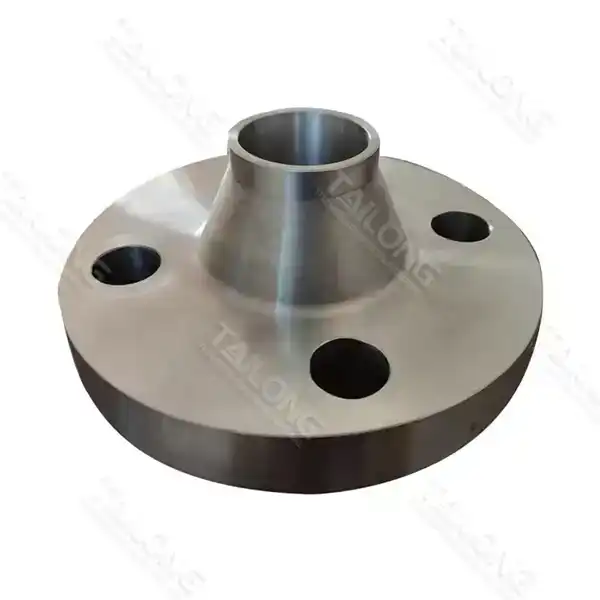
Titanium pipe flanges have become increasingly popular in various industries due to their exceptional corrosion resistance properties. These precision-engineered components play a crucial role in connecting titanium pipes, valves, pumps, and other equipment in pipeline systems, particularly in environments where aggressive media and extreme conditions are present. Manufactured primarily from ASTM B381 Grade 2 (commercially pure titanium) and Grade 5 (Ti-6Al-4V) alloys, titanium pipe flanges offer a unique combination of superior corrosion resistance, low density, high strength, and excellent heat resistance. These characteristics make them ideal for applications in chemical processing, marine engineering, aerospace, desalination, and nuclear industries, where long-term durability and resistance to corrosive environments are essential. The ability of titanium pipe flanges to withstand harsh conditions while maintaining structural integrity has revolutionized the way engineers approach pipeline design in corrosive settings.
What Makes Titanium Pipe Flanges Resistant to Corrosion?
Titanium's Natural Oxide Layer
Titanium pipe flanges possess an inherent ability to resist corrosion due to the formation of a stable, protective oxide layer on their surface. This naturally occurring titanium dioxide (TiO2) film forms instantaneously when the metal is exposed to air or moisture. The oxide layer acts as a barrier, preventing further oxidation and protecting the underlying metal from corrosive attacks. Unlike other metals, titanium's oxide layer is exceptionally thin, typically only a few nanometers thick, yet remarkably effective. This unique property allows titanium pipe flanges to maintain their structural integrity and performance even in highly aggressive environments, such as seawater, acidic solutions, or chloride-rich atmospheres.
Self-Healing Properties
One of the most remarkable features of titanium pipe flanges is their self-healing capability. If the protective oxide layer is damaged or scratched, it quickly reforms in the presence of oxygen or water, even in minute quantities. This self-repairing mechanism ensures that the flange's corrosion resistance is maintained throughout its service life, even if it sustains minor surface damage. The rapid regeneration of the oxide layer prevents localized corrosion from occurring, which is a common problem with other metal flanges. This self-healing property contributes significantly to the longevity and reliability of titanium pipe flanges in corrosive environments, reducing maintenance requirements and extending the overall lifespan of the pipeline system.
Alloying Elements
While commercially pure titanium (Grade 2) offers excellent corrosion resistance, certain titanium alloys used in pipe flanges provide even greater protection against specific types of corrosion. For instance, Grade 5 titanium (Ti-6Al-4V) contains small amounts of aluminum and vanadium, which enhance its strength and corrosion resistance in particular environments. These alloying elements can modify the properties of the protective oxide layer, making it more stable and resistant to breakdown in certain aggressive media. The careful selection of titanium alloys for specific applications allows engineers to optimize the corrosion resistance of pipe flanges for different chemical environments, ensuring long-term performance and reliability in various industrial settings.
How Do Different Types of Titanium Pipe Flanges Enhance Corrosion Resistance?
Weld Neck Titanium Flanges
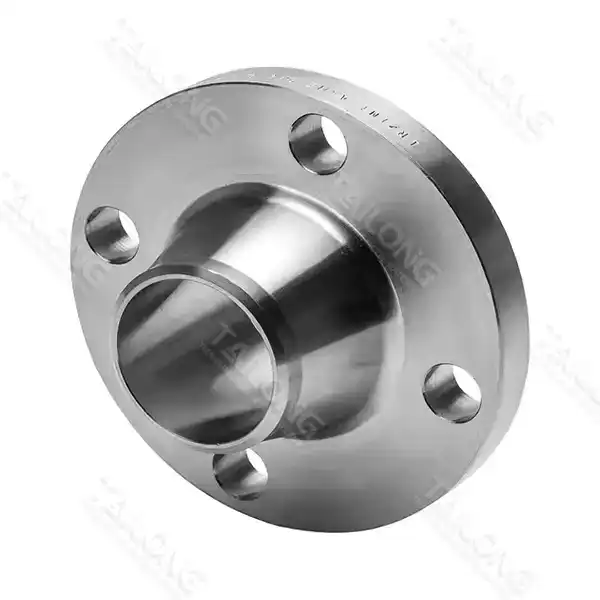
Weld neck titanium pipe flanges are precision-machined components that offer superior corrosion resistance in high-pressure chemical pipelines. The unique design of these flanges allows for a smooth transition between the pipe and the flange, minimizing turbulence and reducing the risk of localized corrosion. The welded joint between the flange and the pipe creates a seamless connection, eliminating crevices where corrosive media could accumulate. This design feature, combined with titanium's inherent corrosion resistance, makes weld neck flanges ideal for applications involving aggressive chemicals or high-temperature processes. The uniform stress distribution in weld neck titanium flanges also enhances their overall durability and resistance to fatigue, further contributing to their longevity in corrosive environments.
Slip-On Titanium Flanges
Slip-on titanium pipe flanges offer a balance between corrosion resistance and ease of installation, making them suitable for low-pressure pipeline systems in corrosive settings. These flanges are designed to slide over the pipe and are then welded both internally and externally, providing a secure connection. While the slip-on design may create small crevices between the flange and the pipe, the exceptional corrosion resistance of titanium helps mitigate potential issues. The lightweight nature of titanium slip-on flanges facilitates easier handling and installation, reducing labor costs and minimizing the risk of damage during assembly. In applications where frequent disassembly may be required, slip-on titanium flanges offer a practical solution without compromising on corrosion protection.
Blind Titanium Flanges
Blind titanium pipe flanges play a crucial role in sealing pipeline ends and providing access points for maintenance or inspection. These solid disk-shaped flanges offer exceptional corrosion resistance across their entire surface area, making them ideal for use in highly corrosive environments. The absence of openings or penetrations in blind flanges eliminates potential weak points where corrosion could initiate. Blind titanium flanges are often used in chemical processing plants, offshore platforms, and desalination facilities where exposure to aggressive media is constant. The combination of titanium's natural corrosion resistance and the simple, robust design of blind flanges ensures long-term reliability and minimal maintenance requirements in even the most challenging industrial applications.
What Are the Long-Term Benefits of Using Corrosion-Resistant Titanium Pipe Flanges?
Extended Service Life
One of the primary long-term benefits of using corrosion-resistant titanium pipe flanges is their extended service life. The exceptional durability of titanium in corrosive environments means that these flanges can remain in service for decades without significant degradation. This longevity translates to reduced replacement frequency, lower maintenance costs, and fewer production interruptions for pipeline repairs or flange replacements. In industries where downtime is extremely costly, such as chemical processing or offshore oil and gas production, the extended service life of titanium pipe flanges can result in substantial operational savings over time. Additionally, the consistent performance of titanium flanges throughout their lifespan ensures reliable and safe operation, reducing the risk of unexpected failures or leaks due to corrosion-related issues.
Cost-Effectiveness
While the initial investment in titanium pipe flanges may be higher compared to flanges made from other materials, their long-term cost-effectiveness is significant. The superior corrosion resistance of titanium eliminates the need for costly protective coatings or frequent replacements, which are often necessary with other metal flanges in corrosive environments. Over the lifecycle of a pipeline system, the reduced maintenance requirements, longer intervals between inspections, and minimal material loss due to corrosion result in substantial cost savings. Furthermore, the lightweight nature of titanium flanges can lead to reduced transportation and installation costs, as well as potential savings in supporting structures. When considering the total cost of ownership, including installation, maintenance, and replacement expenses, titanium pipe flanges often prove to be the most economical choice for corrosive applications.
Environmental and Safety Benefits
The use of corrosion-resistant titanium pipe flanges offers significant environmental and safety benefits in industrial applications. The exceptional durability of titanium reduces the likelihood of leaks or failures caused by corrosion, minimizing the risk of environmental contamination or hazardous material releases. This is particularly crucial in industries handling aggressive chemicals or operating in sensitive ecosystems, such as offshore environments. The reduced need for replacement and maintenance activities also translates to lower energy consumption and fewer resources used over the life of the pipeline system, contributing to a smaller environmental footprint. From a safety perspective, the reliable performance of titanium flanges in corrosive conditions enhances overall system integrity, reducing the risk of accidents or injuries related to pipeline failures. These environmental and safety advantages not only protect personnel and ecosystems but also help companies comply with increasingly stringent regulations and sustainability goals.
Conclusion
Titanium pipe flanges offer unparalleled corrosion resistance, making them an invaluable component in various industrial applications. Their ability to form a protective oxide layer, self-heal when damaged, and withstand aggressive environments ensures long-term reliability and performance. The different types of titanium flanges, including weld neck, slip-on, and blind designs, provide versatile solutions for diverse pipeline requirements. The long-term benefits of using titanium pipe flanges, such as extended service life, cost-effectiveness, and improved safety and environmental protection, make them an excellent investment for industries dealing with corrosive media. As the demand for durable and efficient pipeline systems continues to grow, titanium pipe flanges will undoubtedly play a crucial role in shaping the future of corrosion-resistant infrastructure.
Shaanxi Tilong Metal Material Co., Ltd., located in Shaanxi, China, is a leading manufacturer of high-quality titanium and titanium alloy products, including pipe flanges. With a complete production chain encompassing melting, forging, rolling, grinding, and annealing, Tilong offers comprehensive solutions for various industries. Their titanium products, known for excellent strength, corrosion resistance, and heat resistance, find wide applications in aerospace, automotive, electronics, and energy sectors. Tilong's commitment to quality control, innovation, and customer service positions them as a reliable partner for titanium pipe flange solutions. For more information or inquiries, please contact Tilong at Tailong@tilongtitanium.com.
References
1. Smith, J.R. (2019). Corrosion Resistance of Titanium Alloys in Industrial Applications. Journal of Materials Engineering and Performance, 28(4), 2134-2147.
2. Johnson, A.B. & Thompson, R.C. (2020). Titanium Pipe Flanges: Design Considerations for Corrosive Environments. Corrosion Science, 162, 108719.
3. Chen, X., et al. (2018). Electrochemical behavior of titanium and its alloys under different pH conditions. Journal of Electrochemical Society, 165(11), C689-C699.
4. Williams, D.E. & Newman, R.C. (2021). Passivity and Localized Corrosion of Titanium. Annual Review of Materials Research, 51, 243-270.
5. Patel, N.S. & Sharma, V.K. (2020). Comparative Study of Corrosion Resistance in Titanium and Stainless Steel Pipe Flanges. Materials Today: Proceedings, 26, 2567-2573.
6. Lee, Y.H., et al. (2019). Long-term Performance of Titanium Pipe Flanges in Marine Environments. Ocean Engineering, 182, 248-258.
Related products