- English
- French
- German
- Portuguese
- Spanish
- Russian
- Japanese
- Korean
- Arabic
- Greek
- German
- Turkish
- Italian
- Danish
- Romanian
- Indonesian
- Czech
- Afrikaans
- Swedish
- Polish
- Basque
- Catalan
- China
- Taiwan China
- Esperanto
- Hindi
- Lao
- Albanian
- Amharic
- Armenian
- Azerbaijani
- Belarusian
- Bengali
- Bosnian
- Bulgarian
- Cebuano
- Chichewa
- Corsican
- Croatian
- Dutch
- Estonian
- Filipino
- Finnish
- Frisian
- Galician
- Georgian
- Gujarati
- Haitian
- Hausa
- Hawaiian
- Hebrew
- Hmong
- Hungarian
- Icelandic
- Igbo
- Javanese
- Kannada
- Kazakh
- Khmer
- Kurdish
- Kyrgyz
- Latin
- Latvian
- Lithuanian
- Luxembou..
- Macedonian
- Malagasy
- Malay
- Malayalam
- Maltese
- Maori
- Marathi
- Mongolian
- Burmese
- Nepali
- Norwegian
- Pashto
- Persian
- Punjabi
- Serbian
- Sesotho
- Sinhala
- Slovak
- Slovenian
- Somali
- Samoan
- Scots Gaelic
- Shona
- Sindhi
- Sundanese
- Swahili
- Tajik
- Tamil
- Telugu
- Thai
- Ukrainian
- Urdu
- Uzbek
- Vietnamese
- Welsh
- Xhosa
- Yiddish
- Yoruba
- Zulu
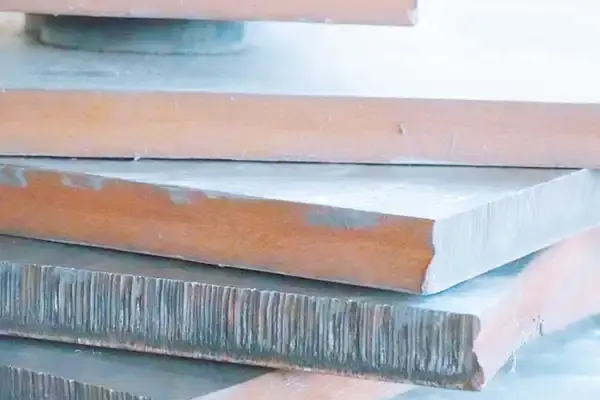
Titanium Aluminum Bimetallic Plate
Product Name:Titanium-Aluminum Bimetallic Plate
Applicable Standards:ASTM E527, GB/T 5121
Plate Size:Cold-rolled : Width: 300mm - 600mm, Length: 1000mm - 2000mm,
Hot-rolled: Width :1200mm - 1500mm, Length: 1000mm -3000mm (Customizing acceptable)
Material: The mainstream type is QTi3.2 (corresponding to the international code C19900), which is made of copper as the base material adding about 3.2% of titanium .
Processing technology: Melting → Forging and shaping → Rolling and finishing → Subsequent treatments →Inspection
Titanium Aluminum Bimetallic Plate: High-Performance Materials for Demanding Industries
Welcome to our detailed product page for Titanium Aluminum Bimetallic Plate, a state-of-the-art material designed to meet the high-performance demands of industries such as aerospace, automotive, electronics, and energy. At Shaanxi Tilong Metal Material Co., Ltd., we are focus on providing premium materials with superior strength, corrosion resistance, and heat resistance. Our Titanium Aluminum Bimetallic Plate is engineered to deliver exceptional performance in even the most extreme environments.
Product Introduction
Titanium-Aluminum Bimetallic Plate is a layered bimetallic material created through specialized composite processes that bond titanium/titanium alloy layers with aluminum/aluminum alloy layers. It ingeniously overcomes the drawbacks of pure titanium's high cost and pure aluminum's low strength while combining the core advantages of both metals. Widely applied in aerospace, electronics, chemical engineering, and other fields.
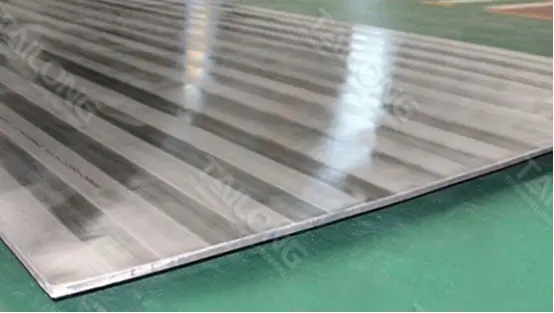
Core Characters and Advantages:
The characters are also the advantages for the titanium bimetallic plates. its detailed characteristics are as follows:
1. Complementary Performance Advantages: It possesses the titanium layer's outstanding corrosion resistance, good high-temperature tolerance, and toughness, enabling it to withstand corrosion from most chemical media and operate in medium-to-high temperature conditions. Simultaneously, it retains the aluminum layer's lightweight properties and high thermal conductivity, significantly reducing overall material weight while meeting heat dissipation requirements.
2. High cost performance: low cost and high performance, Compared to pure titanium plates, Using aluminum substantially reduce the material costs and balance economy with practicality.
3. Robust Interface Bonding: Mainstream manufacturing processes produce plates with defect-free interfaces—free of voids or cracks—ensuring tight bonding. For instance, explosion-welded TA1/2A12 composite plates exhibit curved interface distribution with shear strengths reaching 99.4 MPa. This structure withstands stresses during forming processes like stamping and bulging, preventing interlayer separation.
4. Superior Surface Protection: The titanium layer readily forms a dense titanium oxide film. For single-sided aluminum composites, the opposite side may also develop an aluminum oxide film (typically 0.002–0.005 mm thick). This dual-layer protection further enhances overall corrosion resistance and extends product lifespan.
Key Technical Specifications:
1. Our Titanium Aluminum Bimetallic Plates come with precise specifications to suit your application needs. Below are the detailed technical parameters:
| Property | Titanium Aluminum Bimetallic Plate |
|---|---|
| Thickness | 2mm - 50mm |
| Width | Up to 1500mm |
| Length | Customizable (max 4000mm) |
| Titanium Layer Thickness | 0.5mm - 5mm |
| Aluminum Layer Thickness | 1mm - 20mm |
| Tensile Strength | 950 - 1100 MPa |
| Yield Strength | 850 - 1000 MPa |
| Elongation | ≥ 10% |
| Corrosion Resistance | Excellent (Suitable for seawater, acids, and alkalis) |
| Heat Resistance | Up to 600°C |
| Density | 4.0 - 4.5 g/cm³ |
| Surface Finish | Polished, Brushed, or Customized |
2. Key specification parameters:
|
Parameters |
Descriptiona |
|
Common Material Combinations |
Titanium layers typically use pure titanium grades such as TA1 or TA2, or TC4 titanium alloy; |
|
Thickness Specifications |
Titanium layer thickness: 0.2mm~ 6 mm,total plate thickness: 0.8~50 mm(customizable as needed). |
|
Customization Options |
The thickness ratio of TI and AL layers can be adjusted based on application requirements. Supports structures such as single-sided titanium composite and double-sided titanium composite. |
 |
 |
 |
 |
 |
 |
Product Features
Our Titanium Aluminum Bimetallic Plate offers several advantages:
Superior Strength-to-Weight Ratio: The combination of titanium’s strength and aluminum’s lightweight properties makes this material ideal for high-performance applications where weight and strength are critical.
Excellent Corrosion Resistance: Titanium’s corrosion resistance, combined with aluminum’s lightness, ensures long-lasting performance even in the most aggressive environments.
High-Temperature Performance: This material is engineered to withstand temperatures up to 600°C, making it perfect for use in high-heat applications.
Customizable Thickness: With adjustable layer thicknesses, we can tailor the plates to suit your specific requirements.
Enhanced Durability: Designed for extreme environments, these plates provide long-term reliability, reducing maintenance costs and downtime.
Mainstream Production Processes:
1. Explosive Bonding: A core process commonly used in industry, leveraging the instantaneous high temperature and pressure generated by explosions to induce plastic deformation in the titanium and aluminum layers and achieve atomic diffusion bonding. This process produces sheets with high interfacial bonding strength, suitable for most industrial applications. For instance, TA1/2A12 composite plates are often manufactured using this method.
2. Hot-Rolled Cladding: Achieves metallurgical bonding between titanium and aluminum layers through high-temperature heating and rolling pressure. This scalable process is suitable for mass production of standard-sized titanium-aluminum bimetallic sheets. Some products utilize this method to form an integral structure between the titanium cladding and aluminum substrate.
3. Casting Composite: The titanium alloy frame undergoes acid pickling followed by hot-dip aluminum plating to form an intermetallic compound ring. Aluminum alloy solution is then poured into the frame, pressurized, and cooled to form the composite. This method is suitable for producing composite plates with titanium alloy frames, applicable to components like mid-frames in electronic products.
Typical Application Fields:
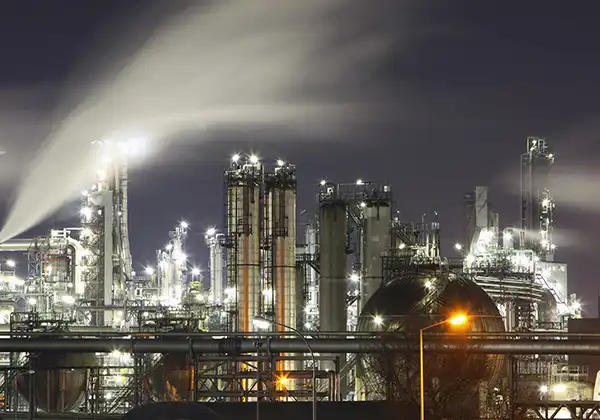
1. Aerospace: Used for lightweight structural components that meet spacecraft demands for material strength and corrosion resistance while reducing overall equipment weight through aluminum's lightweight properties, aligning with aerospace weight reduction requirements.
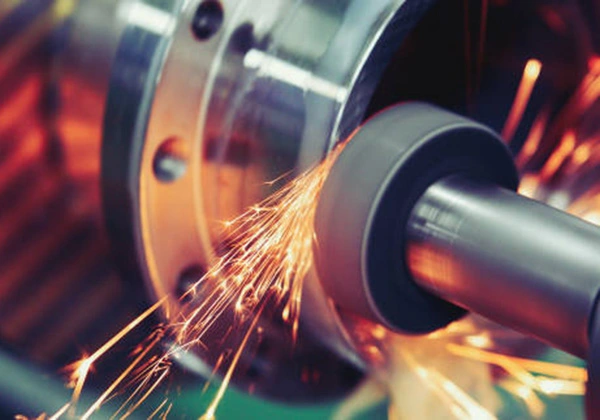
2. Electronics Industry: Processed into electronic product frames, its excellent heat dissipation aids component cooling while its toughness protects internal parts. Also suitable for transition components like lithium battery connectors.
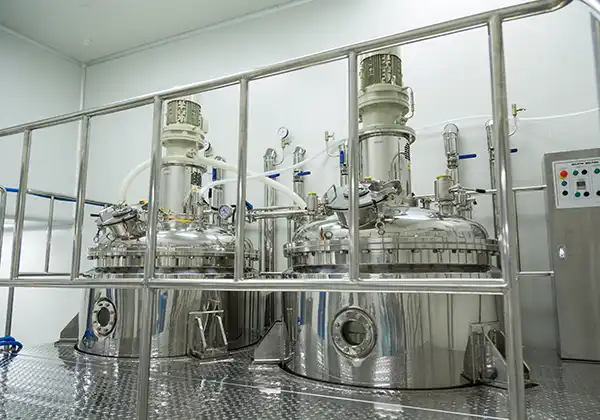
3. Other Fields: Applicable for small-to-medium corrosion-resistant + thermally conductive parts in chemical engineering; serves as a substrate for university material testing.
Why Choose Us?
Shaanxi Tilong Metal Material Co., Ltd. stands out as a leading manufacturer of high-performance materials, providing superior products and services to industries worldwide. Here’s why you should choose us:
-
Quality Assurance: We adhere to international quality standards, ensuring the best performance and reliability.
-
Customization: We offer customized solutions tailored to meet the specific requirements of your industry, from thickness adjustments to specialized processing.
-
Efficient Delivery: With our advanced ERP system and strict supply chain management, we guarantee timely and reliable delivery to meet your production schedules.
-
Technical Expertise: Our experienced engineers and R&D team are dedicated to providing continuous innovation and technical support for all our products.
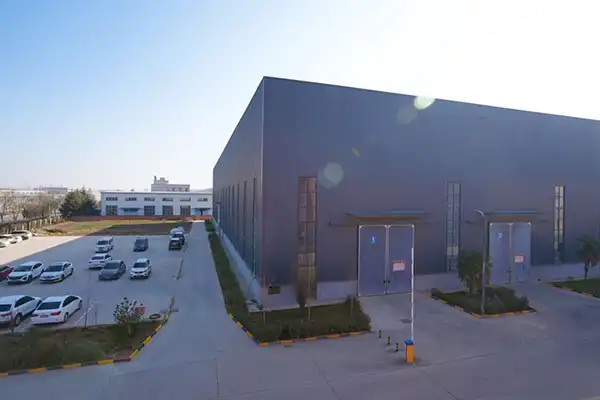
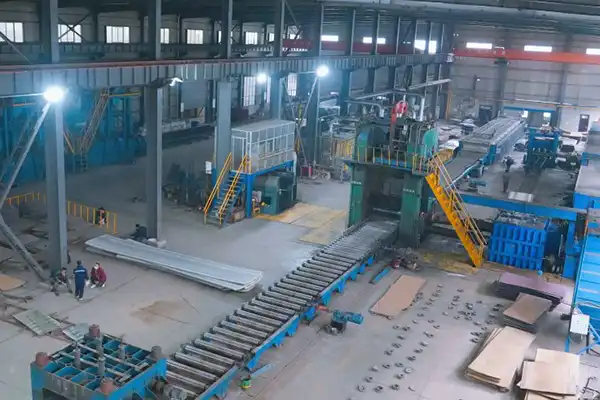
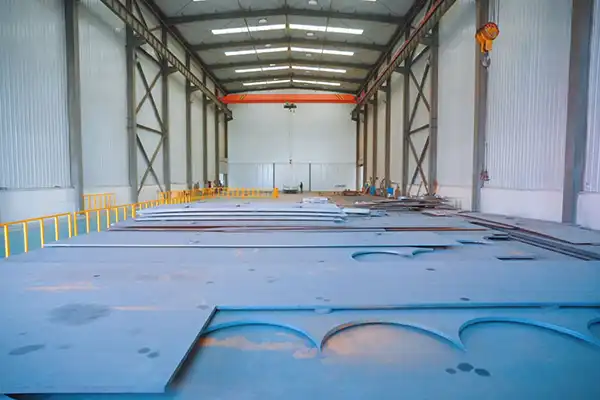
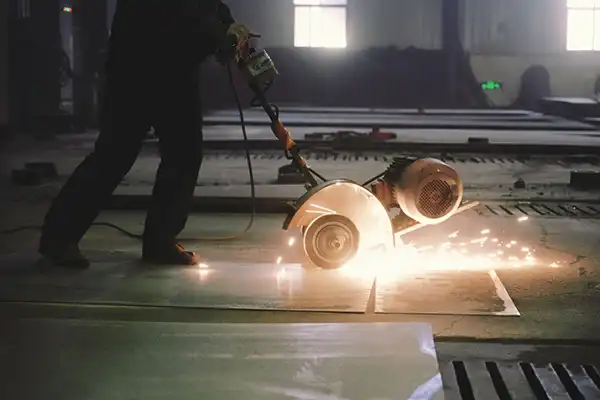
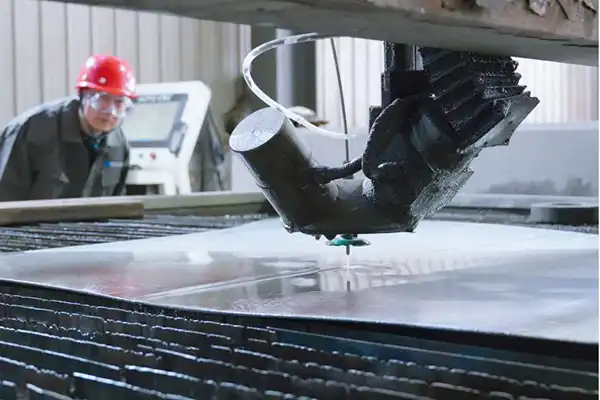
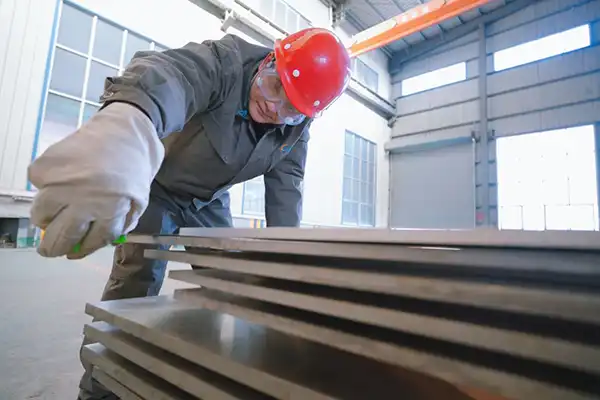
Factory Show
Main Products
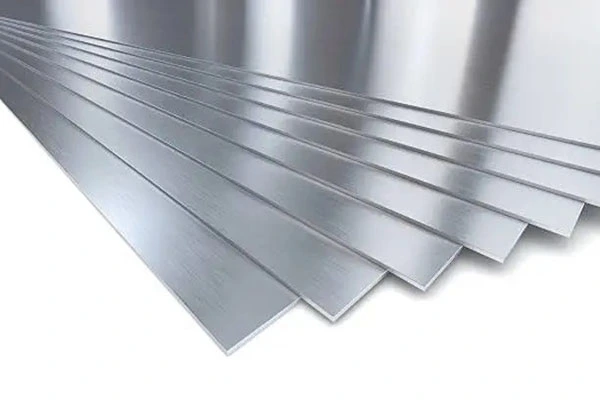
Application Areas

OEM Services
At Shaanxi Tilong Metal Material Co., Ltd., we offer comprehensive OEM services, ensuring that our Titanium Aluminum Bimetallic Plates meet your exact specifications. Whether you need specific sizes, coatings, or other customizations, we work closely with you to deliver tailored solutions that align with your unique needs.
Frequently Asked Questions (FAQs)
Q1: What industries use Titanium Aluminum Bimetallic Plates?
A1: These plates are used in aerospace, automotive, electronics, and energy industries for applications requiring high strength, low weight, and resistance to heat and corrosion.
Q2: Can I get customized sizes for my project?
A2: Yes! We offer customized thicknesses, widths, and lengths to meet your specific needs. Please contact us for tailored specifications.
Q3: What is the typical lead time for delivery?
A3: Our standard lead time is 4-6 weeks, depending on order size and customization requirements. We strive to ensure on-time delivery for all projects.
Q4: What is the maximum temperature resistance of this material?
A4: Our Titanium Aluminum Bimetallic Plates can withstand temperatures up to 600°C, making them suitable for high-temperature applications.