- English
- French
- German
- Portuguese
- Spanish
- Russian
- Japanese
- Korean
- Arabic
- Greek
- German
- Turkish
- Italian
- Danish
- Romanian
- Indonesian
- Czech
- Afrikaans
- Swedish
- Polish
- Basque
- Catalan
- China
- Taiwan China
- Esperanto
- Hindi
- Lao
- Albanian
- Amharic
- Armenian
- Azerbaijani
- Belarusian
- Bengali
- Bosnian
- Bulgarian
- Cebuano
- Chichewa
- Corsican
- Croatian
- Dutch
- Estonian
- Filipino
- Finnish
- Frisian
- Galician
- Georgian
- Gujarati
- Haitian
- Hausa
- Hawaiian
- Hebrew
- Hmong
- Hungarian
- Icelandic
- Igbo
- Javanese
- Kannada
- Kazakh
- Khmer
- Kurdish
- Kyrgyz
- Latin
- Latvian
- Lithuanian
- Luxembou..
- Macedonian
- Malagasy
- Malay
- Malayalam
- Maltese
- Maori
- Marathi
- Mongolian
- Burmese
- Nepali
- Norwegian
- Pashto
- Persian
- Punjabi
- Serbian
- Sesotho
- Sinhala
- Slovak
- Slovenian
- Somali
- Samoan
- Scots Gaelic
- Shona
- Sindhi
- Sundanese
- Swahili
- Tajik
- Tamil
- Telugu
- Thai
- Ukrainian
- Urdu
- Uzbek
- Vietnamese
- Welsh
- Xhosa
- Yiddish
- Yoruba
- Zulu
Pure Titanium Plate for Industry
Material:Gr1, Gr2, Gr3, Gr4
Standard: ASTM B265/EN 10204 3.1
Thin plate thickness:1.0, 1.5, 2.0, 2.5, 3.0, 4.0, 5.0mm
Medium-thick plate thickness:6.0, 8.0, 10.0, 12.0, 15.0, 20.0mm
Standard Size:1200mm x 2400mm& 1000mm*2000mm
Thickness:≥ 0.2 mm
Width:up to 1500 mm
Length:Up to 6000mm
Product overview:
Pure Titanium Plate for Industry is the most representative and widely used grade in the industrial pure titanium series (CP titanium). It strikes an ideal balance among the strength, ductility, weld-ability, and corrosion resistance, and gets the reputation as the “industrial universal titanium.” At the same time as a superior yet cost-effective choice, Grade 2 titanium plate stands as the material of choice for addressing numerous industrial corrosion and light-weighting challenges.
Technical Specifications:
Our pure titanium plates meet the highest international standards. and please see the belowe detailed specification table for your reference:
| Item | Specification |
| Product Name | Pure Titanium Plate for Industry |
| Standard | ASTM B265 / ASME SB265 / EN 10204 3.1 |
| Available Grades | Gr1, Gr2, Gr3, Gr4 |
| Thickness Range | ≥ 0.2 mm |
| Width | Up to 1500 mm |
| Length | Up to 6000 mm |
| Density | 4.51 g/cm³ (Gr1–Gr4) |
| Chemical Composition | According to ASTM B265; e.g., Gr2: O ≤ 0.25%, C ≤ 0.08%, Fe ≤ 0.30%, N ≤ 0.03%, H ≤ 0.015%, balance Ti |
| Delivery Condition | Hot Rolled (R), Cold Rolled (Y), Annealed (M) |
| Yield Strength | ≥ 275 MPa (Gr2) |
| Tensile Strength | ≥ 345 MPa (Gr2) |
| Elongation | ≥ 20% (Gr2) |
| Young's Modulus | Approx. 104 GPa |
| Hardness | Approx. HRB 80 (Gr2) |
| Thermal Conductivity | Approx. 21.8 W/m·K (Gr2) |
| Coefficient of Thermal Expansion | Approx. 8.6 ×10⁻⁶ /°C (20–100°C) |
| Max Service Temperature | Continuous ≤ 425°C, Intermittent ≤ 540°C |
| Corrosion Resistance | Excellent resistance to seawater, acids, alkalis, and chlorides |
| Surface Finish | Pickled, Polished, Sandblasted, or Machined |
| NDT | Ultrasonic Testing (UT), Eddy Current Testing (ET) available upon request |
| Certificates | EN 10204 3.1, ASME reports, third-party inspection available |
| QA Items | Impurity Elements (O, N, H), Grain Size, Hardness, Ultrasonic Testing |
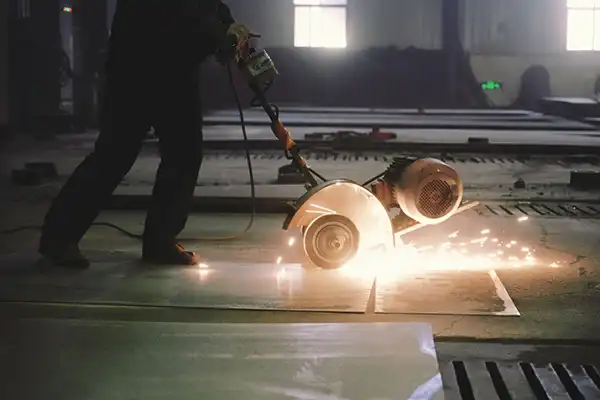
| Processing Options | Custom cutting, surface treatment, drilling, chamfering, etc. |
| Applications | Chemical processing, marine, heat exchangers, pressure vessels, aerospace, medical devices |
|
|
|
|
|
|


Key Features and Advantages:
1. Exceptional Corrosion Resistance: In oxidizing, neutral media, seawater, and humid atmospheres, its surface forms a dense, robust oxide film, delivering corrosion resistance far surpassing stainless steel and rivaling platinum. It exhibits outstanding resistance to chloride ion corrosion, completely eliminating pitting and stress corrosion cracking.
2. Superior Mechanical Properties: Offers higher strength than Grade 1 while maintaining excellent ductility and toughness (good fatigue resistance), making it ideal for structural components requiring both strength and form-ability.
3. Outstanding Process-ability: Exhibits excellent cold and hot work-ability, facilitating forming operations such as stamping, bending, and flanging. Possesses exceptional weld-ability, compatible with various conventional welding techniques.
4. Lightweight and high strength: With a density of only 4.51 g/cm³ (approximately 57% that of steel), its specific strength (strength-to-density ratio) ranks among the highest in metallic materials.
5. Excellent bio-compatibility: Non-toxic with good compatibility with human tissues and blood, suitable for food processing and biomedical applications.
6. Customizable Specifications: Tailored to meet specific requirements for dimensions, grades, and finishes.
Core Application Fields:
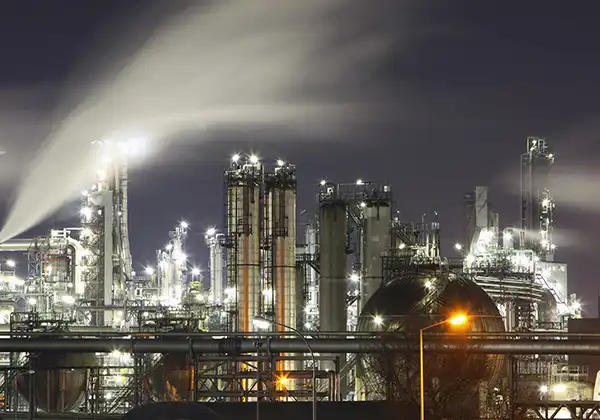
1. Chemical & Petrochemical: Manufacturing heat exchangers, reactors, towers, piping, pumps, valves, etc., for handling highly corrosive media like chlorides, organic acids, and wet chlorine gas.
2. Offshore & Marine Engineering: Desalination units, ship components, submarine piping, offshore platform heat exchange systems, and specialized naval vessel parts.
3. Power Generation and Environmental Protection: Flue Gas Desulfurization (FGD) systems, nuclear power condensers, waste heat recovery units, wastewater treatment equipment.
4. Aerospace: Though not primary load-bearing structures, used for secondary load-bearing components like fire barriers, ducts, brackets, and engine-surrounding environmental parts.
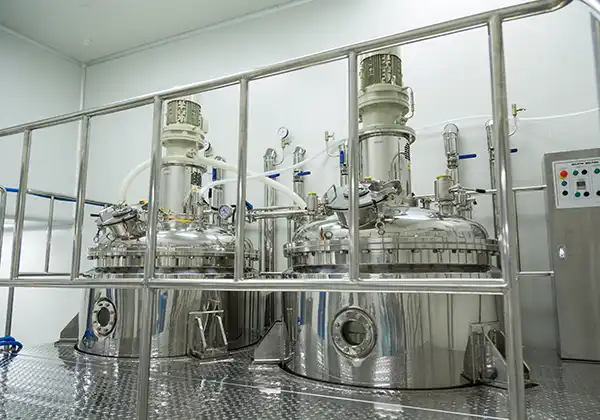
5. Medical and Food Processing: Food processing equipment, brewing tanks, pharmaceutical reactors, and raw materials for medical implants.
6. Sports & Consumer Goods: High-end bicycle frames, golf club heads, premium outdoor gear, etc.
Selection Recommendations:
Grade 2 vs. Grade 1 (TA1): Grade 2 offers higher strength and is preferred for structural applications. Grade 1 is softer with superior ductility, suitable for deep-drawn components requiring exceptional form-ability.
Grade 2 vs. Grade 5 (TC4): Grade 5 (Ti-6Al-4V) is a titanium alloy with significantly higher strength than Grade 2. However, it offers slightly inferior corrosion resistance (especially stress corrosion resistance) and form-ability/weld-ability, along with higher cost. Unless extreme strength is required, Grade 2 typically provides a more economical corrosion-resistant solution.
Why Choose Us?
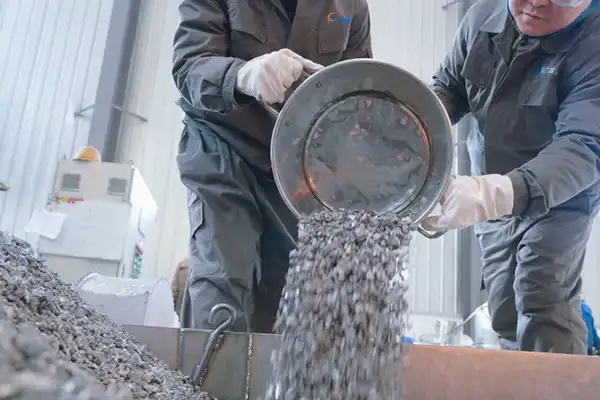
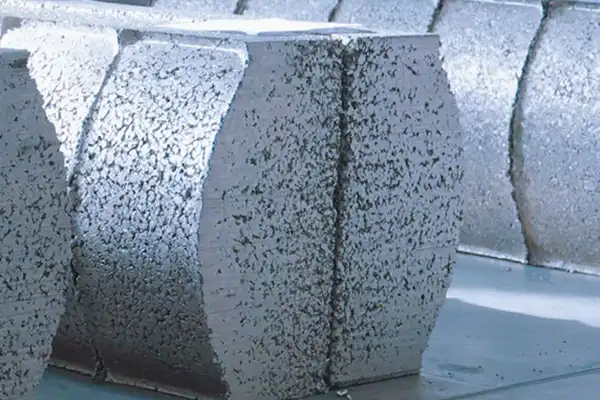
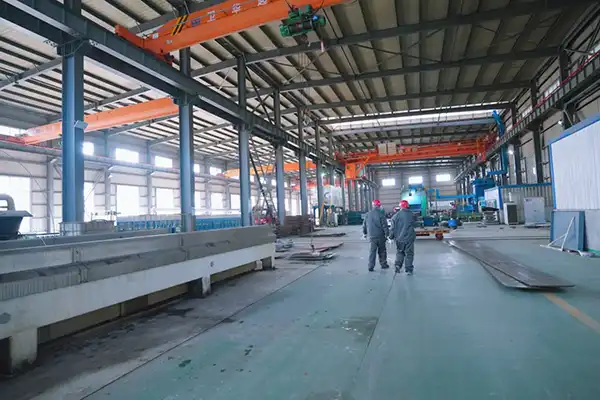
- Comprehensive Production Chain: From melting to annealing, our in-house facilities ensure quality at every step.
- Global Standards Compliance: We meet international certifications like ASTM and ISO 9001, ensuring top-tier quality.
- Customer-Centric Customization: Solutions tailored to specific industrial needs, including unique dimensions and processing.
- Stable Supply Chain: Our $3M ERP inventory ensures reliable availability and efficient order management.
- Expert Technical Support: Our team provides guidance on material selection, processing, and design optimization.
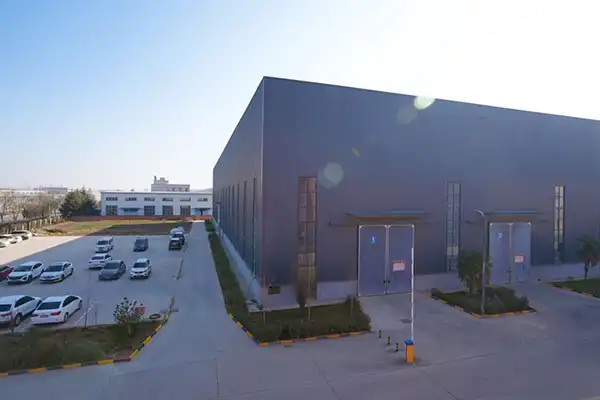
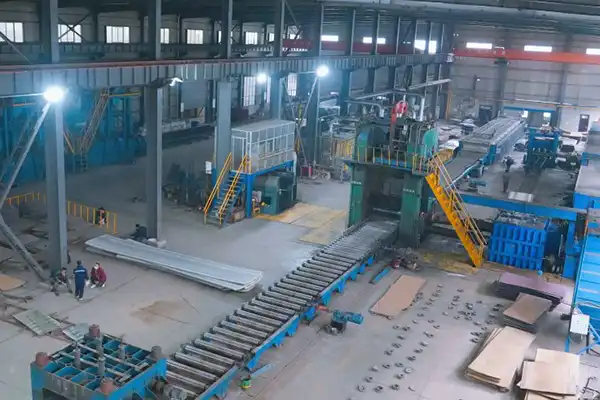
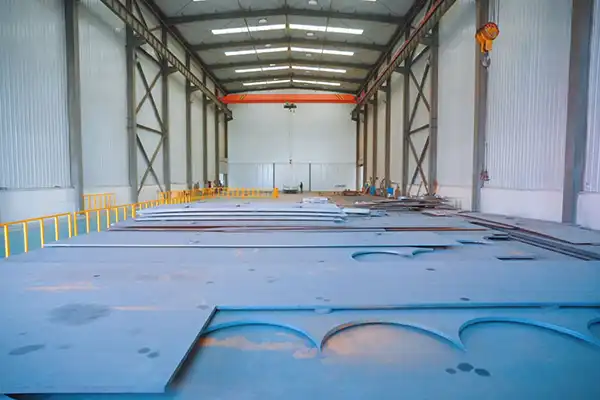
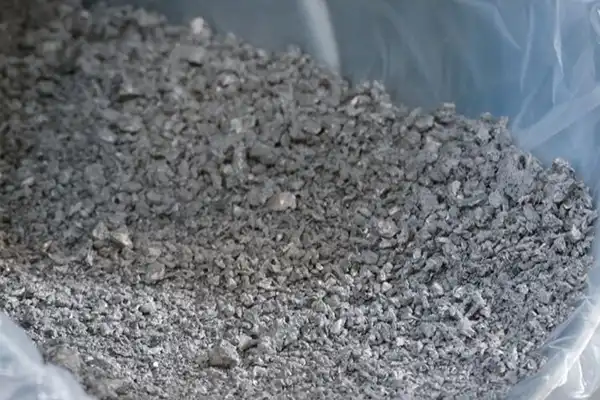
1. Factory and Work Show:
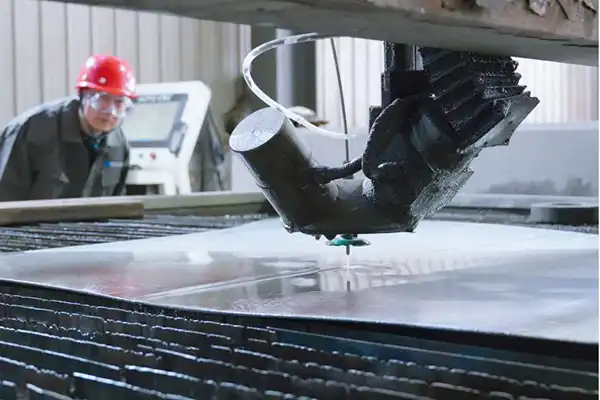
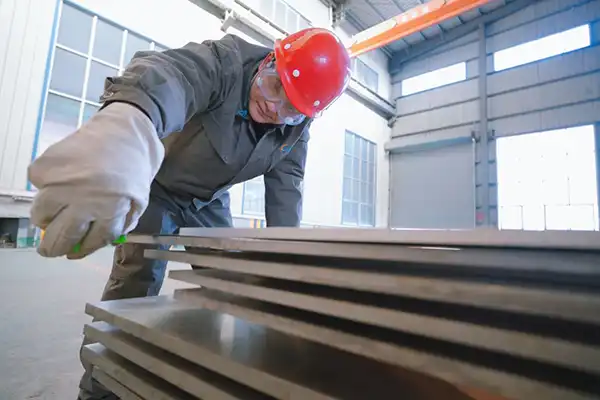
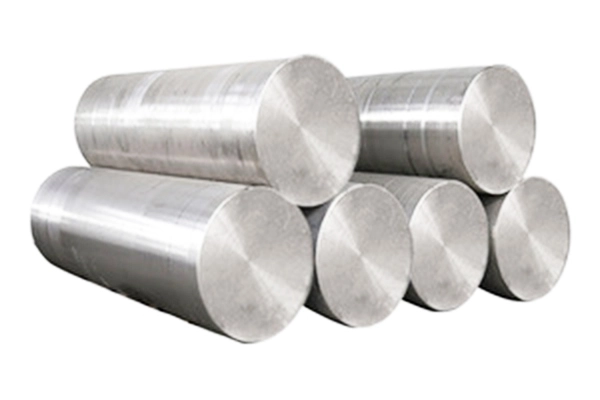
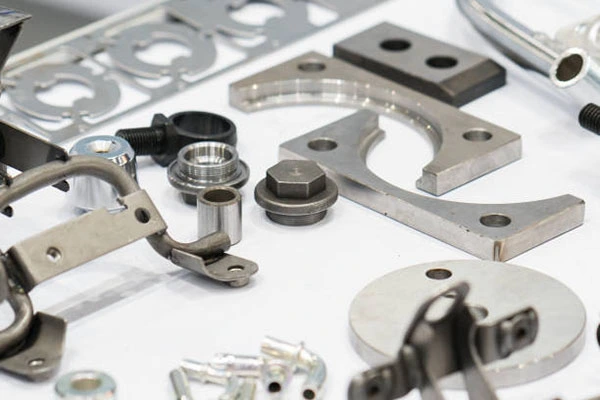
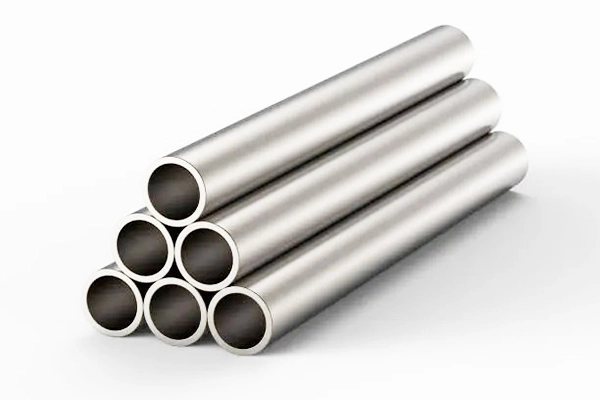
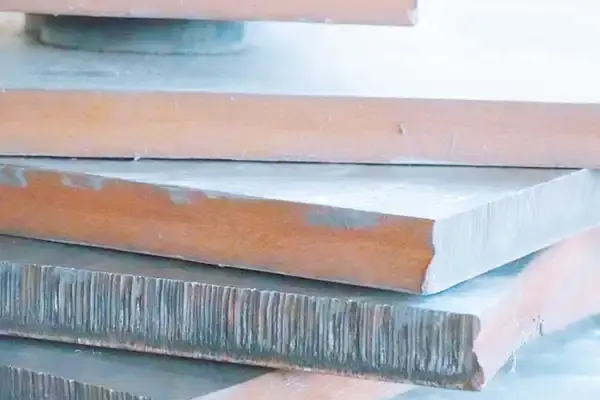
2. Main Products:
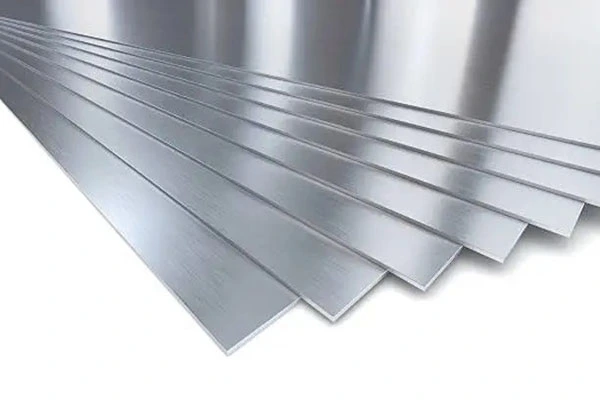
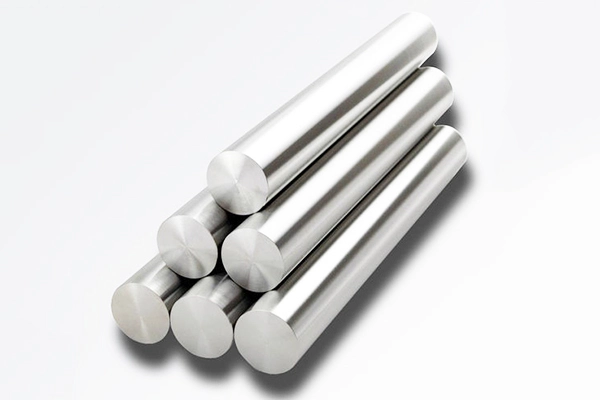
3. Application Areas


OEM Services
Looking for a supplier that understands your unique requirements? We provide:
- Customized cutting, shaping, and surface finishing services.
- Private labeling and packaging options for seamless integration into your supply chain.
- Dedicated support for prototyping and small-batch orders.
Frequently Asked Questions (FAQs)
1. What grades of titanium do you offer?
We provide Gr.1, Gr.2, and Gr.4 titanium plates, suitable for various industrial applications.
2. Can you produce plates with specific dimensions?
Yes, we offer customization to meet your exact specifications.
3. What is the lead time for bulk orders?
Lead times vary based on order size and customization. Typically, it ranges from 15 to 30 days.
4. Are your products certified?
All our titanium plates comply with ASTM B265 and ISO 9001 standards.
5. How do you ensure product quality?
Our strict quality control processes include material testing, dimensional checks, and surface inspections at every stage.