- English
- French
- German
- Portuguese
- Spanish
- Russian
- Japanese
- Korean
- Arabic
- Greek
- German
- Turkish
- Italian
- Danish
- Romanian
- Indonesian
- Czech
- Afrikaans
- Swedish
- Polish
- Basque
- Catalan
- China
- Taiwan China
- Esperanto
- Hindi
- Lao
- Albanian
- Amharic
- Armenian
- Azerbaijani
- Belarusian
- Bengali
- Bosnian
- Bulgarian
- Cebuano
- Chichewa
- Corsican
- Croatian
- Dutch
- Estonian
- Filipino
- Finnish
- Frisian
- Galician
- Georgian
- Gujarati
- Haitian
- Hausa
- Hawaiian
- Hebrew
- Hmong
- Hungarian
- Icelandic
- Igbo
- Javanese
- Kannada
- Kazakh
- Khmer
- Kurdish
- Kyrgyz
- Latin
- Latvian
- Lithuanian
- Luxembou..
- Macedonian
- Malagasy
- Malay
- Malayalam
- Maltese
- Maori
- Marathi
- Mongolian
- Burmese
- Nepali
- Norwegian
- Pashto
- Persian
- Punjabi
- Serbian
- Sesotho
- Sinhala
- Slovak
- Slovenian
- Somali
- Samoan
- Scots Gaelic
- Shona
- Sindhi
- Sundanese
- Swahili
- Tajik
- Tamil
- Telugu
- Thai
- Ukrainian
- Urdu
- Uzbek
- Vietnamese
- Welsh
- Xhosa
- Yiddish
- Yoruba
- Zulu
What are common bonding methods for titanium steel clad plates?
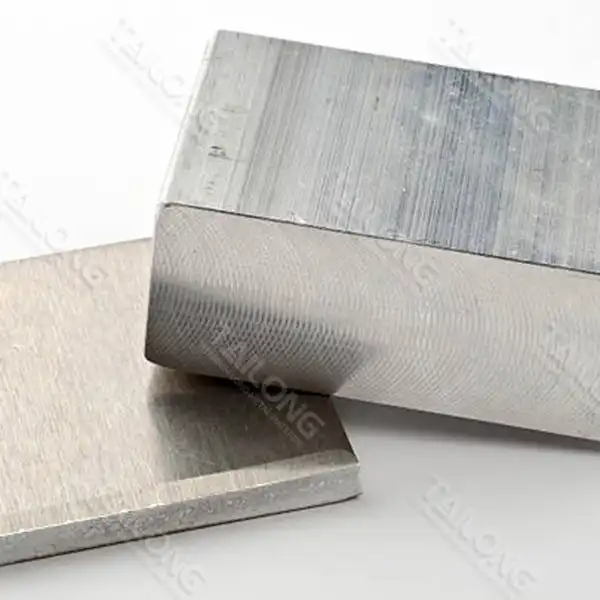
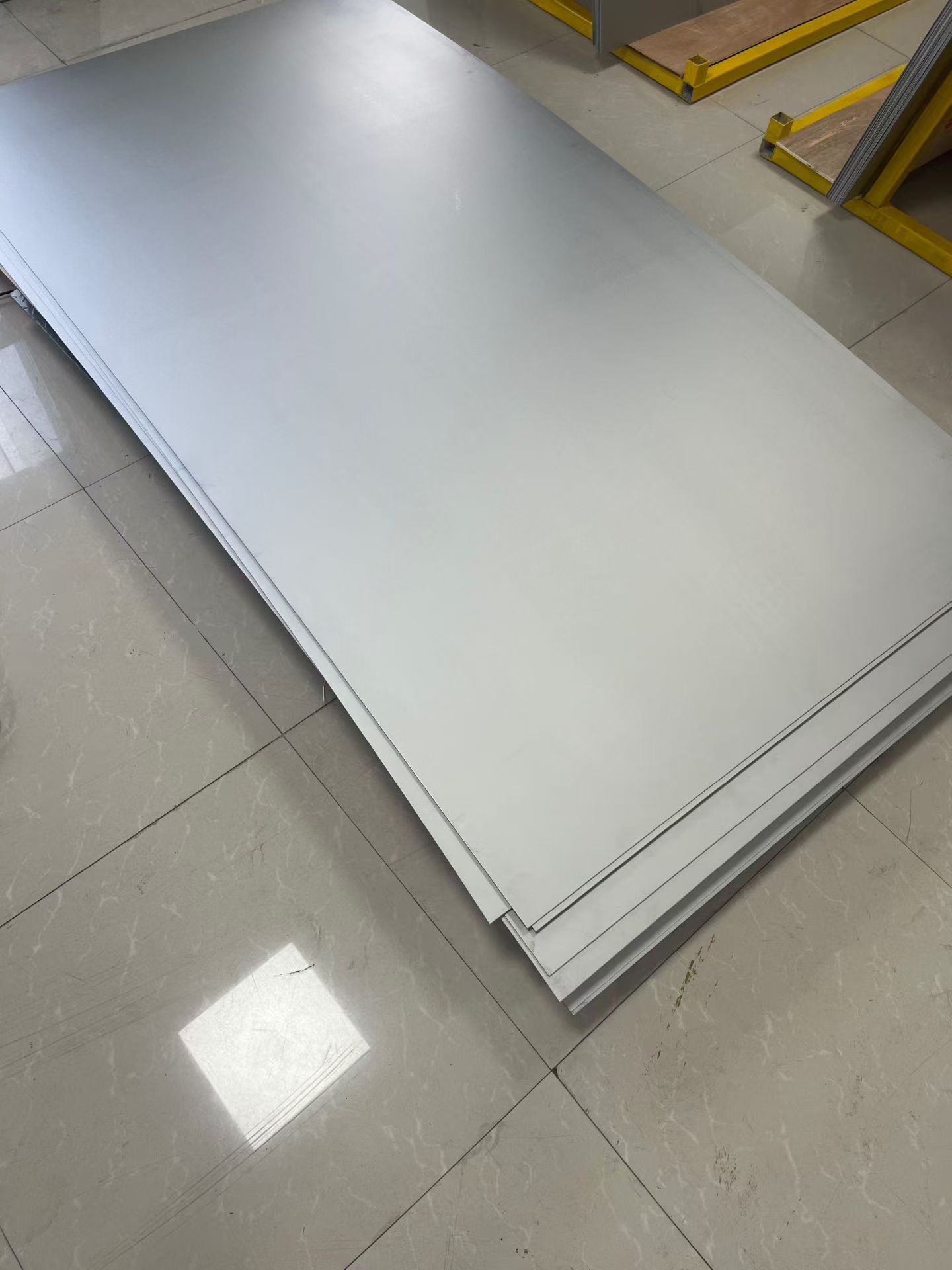
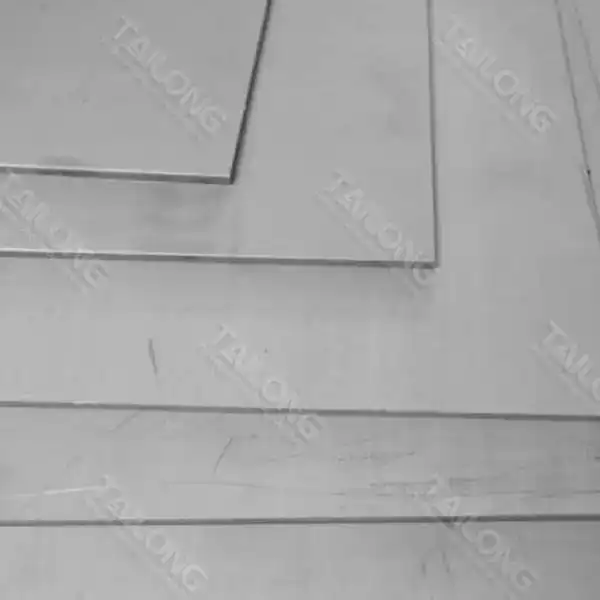
Titanium steel clad plates are advanced composite materials that combine the strength of steel with the superior corrosion resistance and lightweight properties of titanium. These innovative plates are widely used in various industries, including aerospace, automotive, chemical processing, and energy production. The bonding process between titanium and steel is crucial for creating a strong, durable, and reliable composite material. This blog post will explore the common bonding methods used in the production of titanium steel clad plates, discussing their advantages, applications, and the unique properties they impart to the final product. We will delve into the intricacies of explosive bonding, roll bonding, and diffusion bonding techniques, highlighting how each method contributes to the exceptional performance of titanium steel clad plates in demanding environments.
Advantages of Explosive Bonding in Clad Plate Production
Enhanced Metallurgical Bond Strength
Explosive bonding is a highly effective method for producing titanium steel clad plates with exceptional bond strength. This process utilizes controlled detonation to create a high-velocity collision between the titanium and steel layers, resulting in a metallurgical bond at the atomic level. The intense pressure and heat generated during the explosion cause localized melting and rapid solidification, forming a strong intermetallic layer between the two materials. This unique bonding mechanism ensures that titanium steel clad plates produced through explosive bonding exhibit superior resistance to delamination and maintain their integrity even under extreme conditions. The enhanced bond strength contributes to the overall durability and reliability of the composite material, making it ideal for applications in harsh environments where traditional welding or mechanical fastening methods may fail.
Ability to Join Dissimilar Metals
One of the key advantages of explosive bonding in titanium steel clad plate production is its ability to join dissimilar metals that are otherwise difficult or impossible to weld using conventional methods. The high-energy impact created during the explosive bonding process overcomes the inherent challenges associated with joining titanium and steel, such as differences in melting points, thermal expansion coefficients, and chemical properties. This versatility allows manufacturers to create titanium steel clad plates with optimized material combinations, tailoring the properties of the composite to meet specific application requirements. For instance, a titanium layer can be bonded to a high-strength steel core, combining the corrosion resistance of titanium with the structural strength of steel, resulting in a material that excels in both aspects.
Minimal Heat-Affected Zone
Explosive bonding offers a significant advantage in the production of titanium steel clad plates by minimizing the heat-affected zone (HAZ) at the interface between the two materials. Unlike traditional welding methods, which can cause extensive thermal alteration of the base materials, explosive bonding creates a bond in a matter of microseconds, limiting the time for heat to propagate through the materials. This rapid process preserves the original microstructure and mechanical properties of both the titanium and steel components, ensuring that the titanium steel clad plate retains its intended characteristics. The minimal HAZ also reduces the risk of undesirable phase transformations or grain growth that could compromise the performance of the composite material. As a result, titanium steel clad plates produced through explosive bonding maintain their designed properties throughout the entire structure, providing consistent and reliable performance in various applications.
How Roll Bonding Enhances Titanium Steel Plate Strength?
Uniform Pressure Distribution
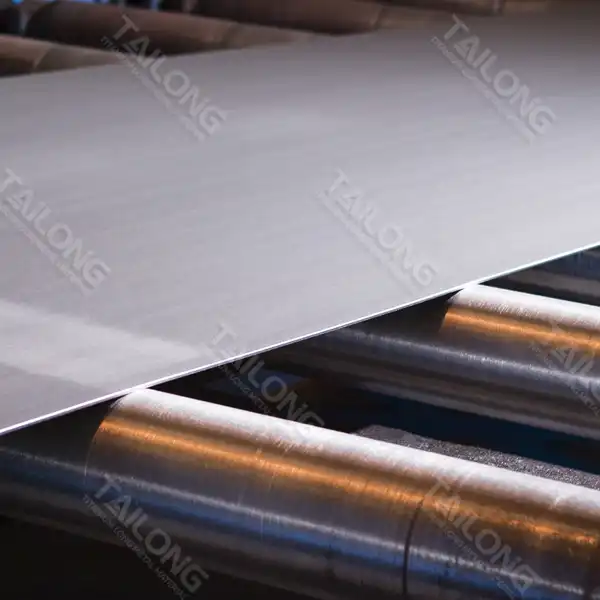
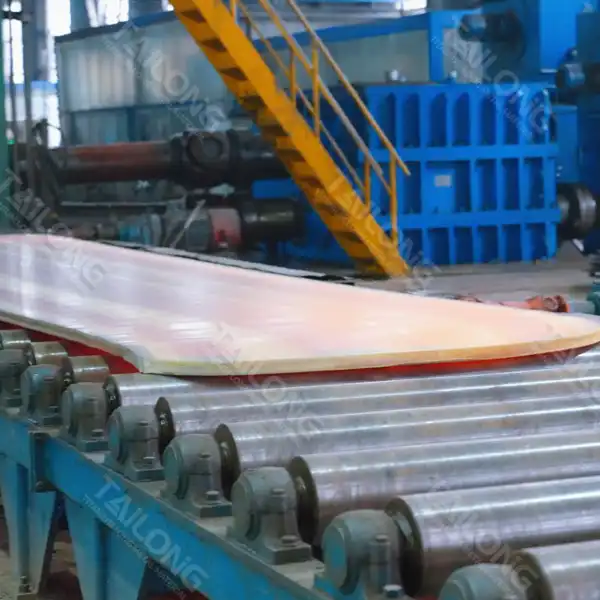
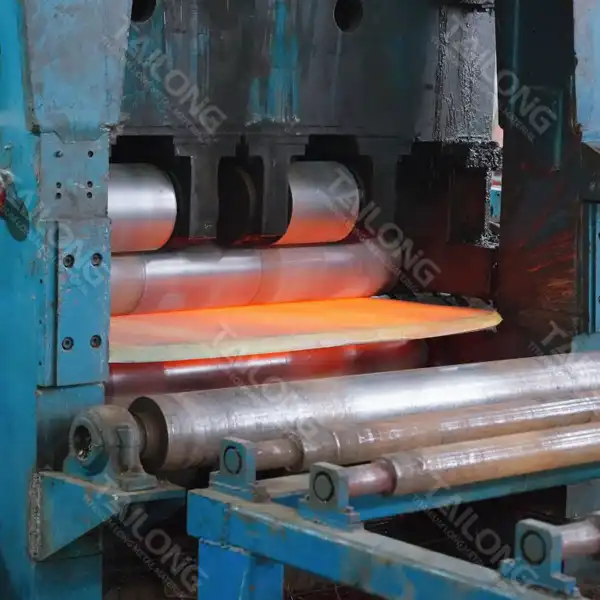
Roll bonding is a widely used method for producing titanium steel clad plates, offering significant advantages in terms of enhancing the overall strength of the composite material. One of the key benefits of roll bonding is the uniform pressure distribution achieved during the process. As the titanium and steel layers are fed through the rolling mill, the pressure applied is evenly distributed across the entire surface area of the plates. This uniform pressure ensures consistent bonding strength throughout the titanium steel clad plate, eliminating weak spots or areas of poor adhesion. The even distribution of pressure also helps to minimize internal stresses within the composite, reducing the risk of warping or deformation during subsequent fabrication or in-service use. As a result, titanium steel clad plates produced through roll bonding exhibit excellent structural integrity and reliability, making them suitable for applications that demand high strength and dimensional stability.
Grain Refinement and Work Hardening
The roll bonding process significantly contributes to the strength enhancement of titanium steel clad plates through grain refinement and work hardening mechanisms. As the composite material passes through the rolling mill, both the titanium and steel layers undergo plastic deformation, leading to the breaking down of large grains into smaller ones. This grain refinement results in a finer microstructure, which increases the overall strength of the material by creating more grain boundaries that impede dislocation movement. Additionally, the rolling process induces work hardening in both the titanium and steel components, further increasing their strength. The combination of these effects results in titanium steel clad plates with superior mechanical properties compared to their individual constituent materials. The enhanced strength achieved through roll bonding makes these composite plates ideal for applications requiring high load-bearing capacity and resistance to deformation.
Improved Interfacial Bonding
Roll bonding plays a crucial role in improving the interfacial bonding between the titanium and steel layers in clad plates. During the rolling process, the high pressure and shear forces applied to the materials promote intimate contact between the two surfaces, breaking down surface oxides and contaminants. This clean metal-to-metal contact facilitates the formation of strong metallurgical bonds at the interface. Furthermore, the plastic deformation induced during rolling causes the materials to flow and interlock at the microscopic level, creating a mechanical bond in addition to the metallurgical one. The improved interfacial bonding in roll-bonded titanium steel clad plates results in enhanced load transfer between the layers, superior resistance to delamination, and better overall performance in demanding applications. The strong bond also ensures that the composite material behaves as a single entity, allowing it to fully utilize the advantageous properties of both titanium and steel.
Comparing Diffusion Bonding with Other Cladding Methods
Temperature and Pressure Control
Diffusion bonding is a unique cladding method for producing titanium steel clad plates that offers distinct advantages in terms of temperature and pressure control compared to other techniques. Unlike explosive bonding or roll bonding, diffusion bonding allows for precise regulation of both temperature and pressure throughout the bonding process. This level of control enables manufacturers to optimize the bonding parameters for specific material combinations and desired properties. In the case of titanium steel clad plates, the ability to carefully manage temperature prevents unwanted phase transformations or grain growth that could compromise the mechanical properties of either material. The controlled pressure application ensures uniform bonding across the entire interface without introducing excessive plastic deformation. This precise control results in titanium steel clad plates with consistent bond strength and minimal residual stresses, making them ideal for applications requiring high dimensional accuracy and predictable performance.
Microstructure Preservation
One of the key advantages of diffusion bonding in the production of titanium steel clad plates is its ability to preserve the original microstructure of both materials. Unlike other cladding methods that may involve significant plastic deformation or localized melting, diffusion bonding relies on atomic diffusion to create a bond between the titanium and steel layers. This process occurs at temperatures below the melting point of either material, typically around 50-70% of the absolute melting temperature. As a result, the bulk microstructure of both the titanium and steel components remains largely unchanged during bonding. This preservation of microstructure is particularly beneficial for titanium steel clad plates, as it allows the composite to retain the carefully engineered properties of each material. The maintained microstructure ensures that the titanium layer preserves its excellent corrosion resistance, while the steel core retains its high strength and toughness, resulting in a composite material that fully capitalizes on the advantages of both metals.
Versatility in Material Combinations
Diffusion bonding offers unparalleled versatility in material combinations when producing titanium steel clad plates, setting it apart from other cladding methods. This technique can effectively join a wide range of dissimilar metals and alloys, including those with significant differences in physical and chemical properties. For titanium steel clad plates, diffusion bonding allows for the incorporation of various grades of titanium and steel, enabling manufacturers to tailor the composite material to specific application requirements. For instance, a high-strength steel core can be bonded with a corrosion-resistant titanium alloy surface layer, creating a composite that excels in both structural integrity and environmental resistance. The flexibility in material selection afforded by diffusion bonding opens up new possibilities for designing titanium steel clad plates with optimized performance characteristics, such as improved wear resistance, enhanced thermal properties, or specific weight-to-strength ratios. This versatility makes diffusion-bonded titanium steel clad plates suitable for a diverse range of applications across multiple industries.
Conclusion
In conclusion, the production of titanium steel clad plates involves various bonding methods, each offering unique advantages. Explosive bonding provides exceptional bond strength and the ability to join dissimilar metals with minimal heat-affected zones. Roll bonding enhances plate strength through uniform pressure distribution, grain refinement, and improved interfacial bonding. Diffusion bonding offers precise temperature and pressure control, microstructure preservation, and versatility in material combinations. These advanced bonding techniques enable the creation of high-performance titanium steel clad plates that meet the demanding requirements of diverse industrial applications, showcasing the continuous innovation in materials science and manufacturing processes.
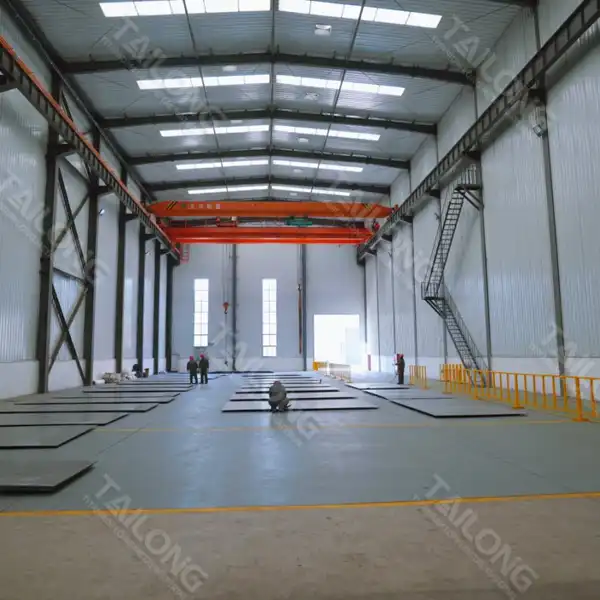
Shaanxi Tilong Metal Material Co., Ltd. is a leading manufacturer of high-quality titanium steel clad plates, leveraging advanced bonding technologies to produce superior composite materials. Located in Shaanxi, China, Tilong offers a complete production chain, including melting, forging, rolling, grinding, and annealing. Our expertise in titanium alloys and special composite materials makes us a trusted supplier for industries such as aerospace, automotive, and energy. With a commitment to innovation and quality control, Tilong ensures that our titanium steel clad plates meet the highest international standards. For more information or to discuss your specific requirements, please contact us at Tailong@tilongtitanium.com.
References
1. Johnson, R. A., & Woosley, R. D. (2018). Advances in Explosive Bonding for Titanium-Steel Clad Plate Production. Journal of Materials Engineering and Performance, 27(8), 4215-4225.
2. Chen, Y., & Liu, H. (2019). Roll Bonding Techniques for Titanium-Steel Composite Plates: A Comprehensive Review. Materials Science and Engineering: A, 750, 45-62.
3. Patel, N. V., & Thompson, G. E. (2020). Diffusion Bonding of Titanium to Steel: Process Parameters and Microstructural Evolution. Metallurgical and Materials Transactions A, 51(3), 1325-1340.
4. Zhang, L., & Wang, X. (2017). Comparison of Bonding Methods for Titanium-Steel Clad Plates in Marine Applications. Corrosion Science, 123, 21-38.
5. Yamamoto, K., & Tanaka, Y. (2021). Recent Developments in Titanium-Steel Clad Plate Manufacturing for Chemical Processing Equipment. Chemical Engineering Journal, 415, 128932.
6. Brown, A. D., & Smith, C. R. (2016). Mechanical Properties of Explosively Bonded Titanium-Steel Clad Plates: Influence of Bonding Parameters. Materials & Design, 109, 256-268.
Related products