- English
- French
- German
- Portuguese
- Spanish
- Russian
- Japanese
- Korean
- Arabic
- Greek
- German
- Turkish
- Italian
- Danish
- Romanian
- Indonesian
- Czech
- Afrikaans
- Swedish
- Polish
- Basque
- Catalan
- China
- Taiwan China
- Esperanto
- Hindi
- Lao
- Albanian
- Amharic
- Armenian
- Azerbaijani
- Belarusian
- Bengali
- Bosnian
- Bulgarian
- Cebuano
- Chichewa
- Corsican
- Croatian
- Dutch
- Estonian
- Filipino
- Finnish
- Frisian
- Galician
- Georgian
- Gujarati
- Haitian
- Hausa
- Hawaiian
- Hebrew
- Hmong
- Hungarian
- Icelandic
- Igbo
- Javanese
- Kannada
- Kazakh
- Khmer
- Kurdish
- Kyrgyz
- Latin
- Latvian
- Lithuanian
- Luxembou..
- Macedonian
- Malagasy
- Malay
- Malayalam
- Maltese
- Maori
- Marathi
- Mongolian
- Burmese
- Nepali
- Norwegian
- Pashto
- Persian
- Punjabi
- Serbian
- Sesotho
- Sinhala
- Slovak
- Slovenian
- Somali
- Samoan
- Scots Gaelic
- Shona
- Sindhi
- Sundanese
- Swahili
- Tajik
- Tamil
- Telugu
- Thai
- Ukrainian
- Urdu
- Uzbek
- Vietnamese
- Welsh
- Xhosa
- Yiddish
- Yoruba
- Zulu
How Titanium Copper Bimetallic Plate Revolutionizes Corrosion-Resistant Materials?
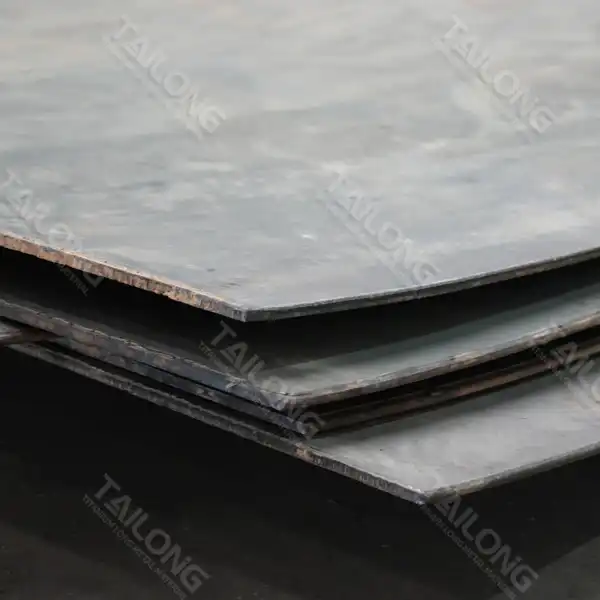
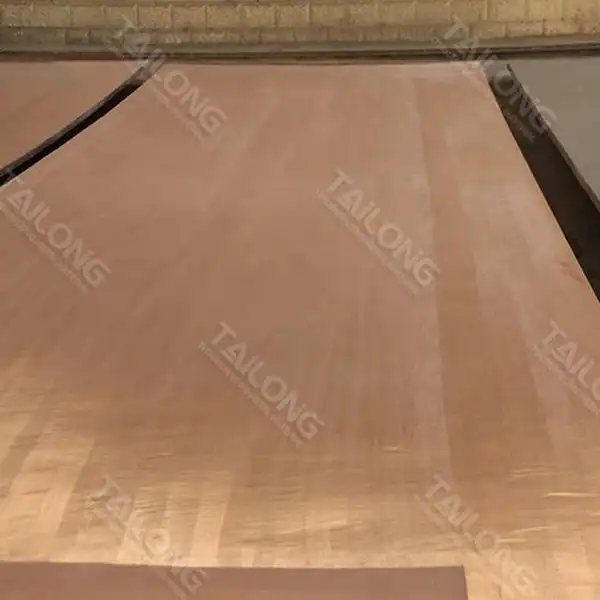
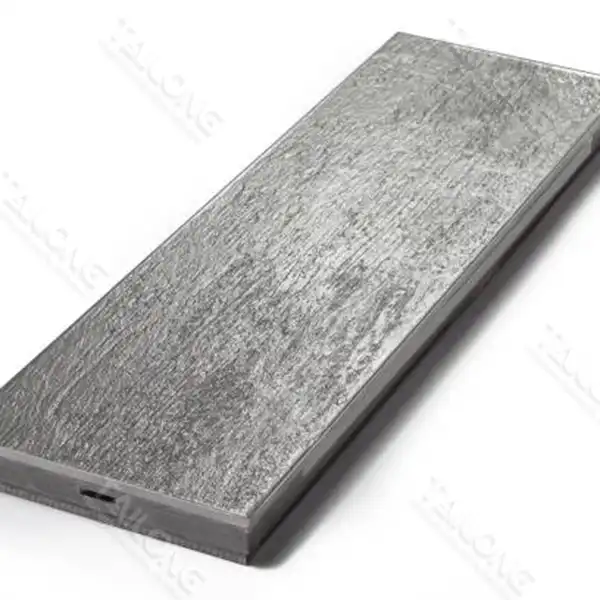
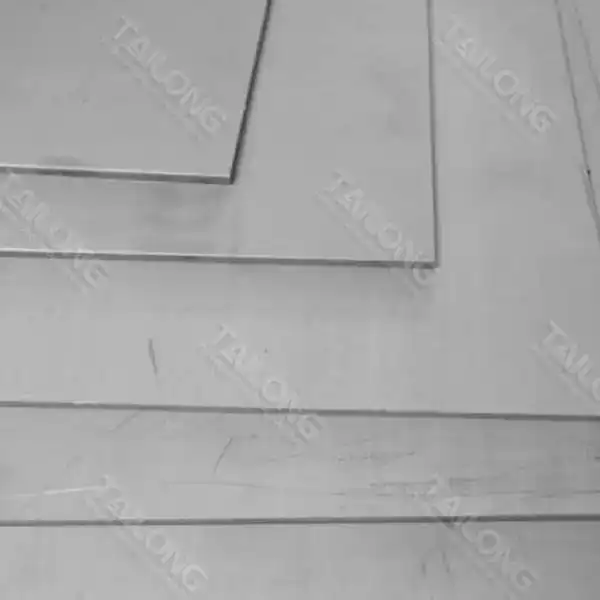
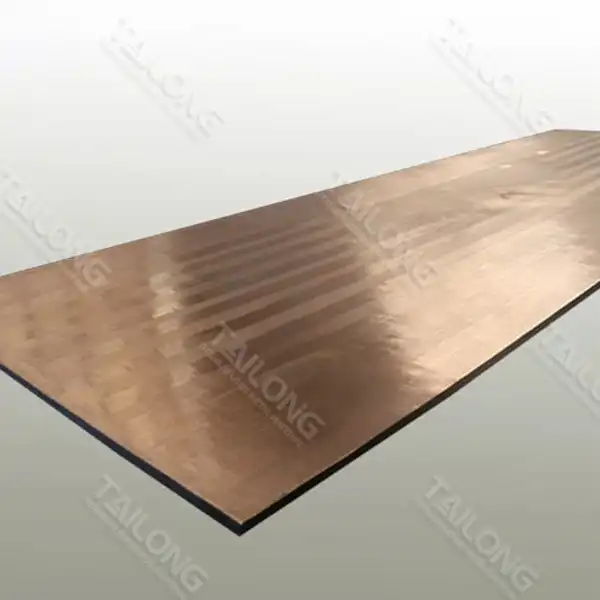
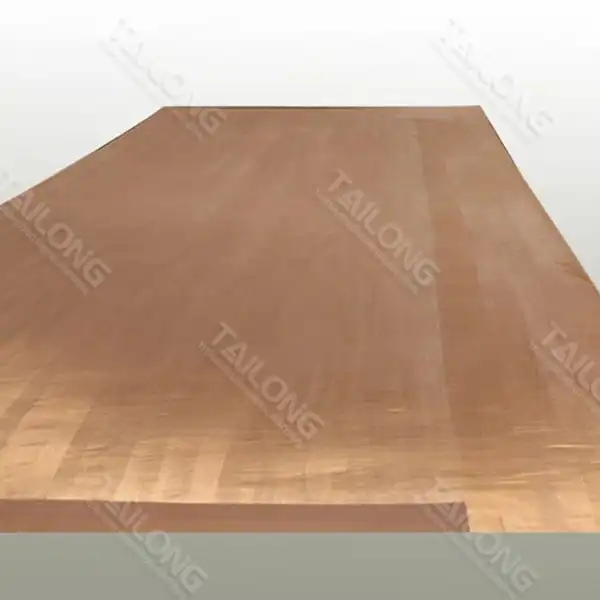
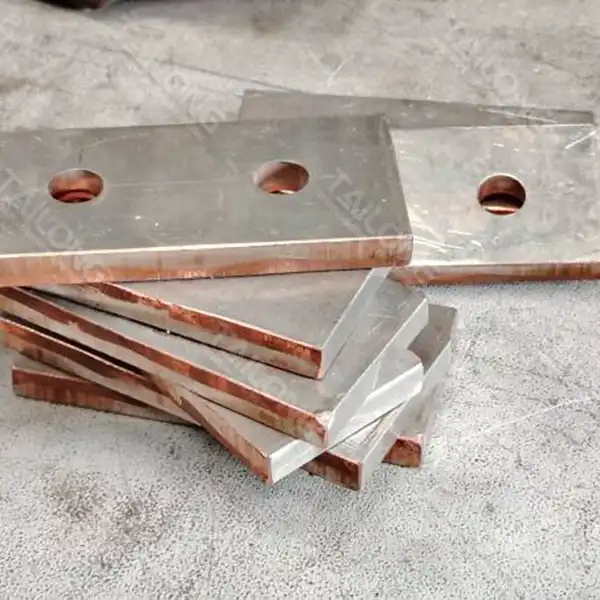
In the ever-evolving landscape of materials science, the emergence of titanium copper bimetallic plate has marked a significant milestone in the development of corrosion-resistant materials. This innovative composite material combines the exceptional properties of titanium and copper, offering a groundbreaking solution to industries plagued by corrosion-related challenges. By fusing the superior corrosion resistance of titanium with the excellent thermal and electrical conductivity of copper, this bimetallic plate has revolutionized the approach to material selection in harsh environments. Its unique composition addresses the longstanding trade-offs between durability and functionality, opening new possibilities for applications in aerospace, marine, chemical processing, and energy sectors. As we delve deeper into the capabilities of titanium copper bimetallic plate, it becomes clear that this material is not just an incremental improvement, but a transformative leap in corrosion-resistant technology.
The Science Behind Titanium-Copper Alloy Synergy
Molecular Structure and Bonding
The titanium copper bimetallic plate's revolutionary properties stem from its unique molecular structure and bonding mechanism. At the interface between the titanium and copper layers, a complex intermetallic zone forms, creating a robust bond that surpasses traditional welding or mechanical fastening methods. This zone, typically consisting of Ti2Cu and TiCu compounds, acts as a bridge between the two metals, ensuring seamless integration of their distinct properties. The atomic arrangement in this interface allows for the efficient transfer of electrons, crucial for maintaining the plate's electrical conductivity while preserving titanium's corrosion resistance. This sophisticated bonding process is achieved through advanced manufacturing techniques, including explosive welding or diffusion bonding, which ensure minimal impurities and optimal structural integrity of the titanium copper bimetallic plate.
Electrochemical Behavior in Corrosive Environments
The electrochemical behavior of titanium copper bimetallic plate in corrosive environments is a key factor in its superior performance. When exposed to aggressive media, the titanium layer forms a stable, self-healing oxide film that acts as a protective barrier against further corrosion. This passive layer is remarkably thin, typically only a few nanometers thick, yet incredibly effective in resisting chemical attack. Simultaneously, the copper layer beneath maintains its excellent conductivity, allowing for the efficient dissipation of heat and electrical currents. The synergy between these two metals creates a unique electrochemical system where the nobility of titanium prevents galvanic corrosion of the copper, while the copper layer provides a pathway for cathodic protection. This electrochemical interplay in the titanium copper bimetallic plate results in a material that can withstand extreme conditions far beyond the capabilities of either metal alone.
Thermal and Mechanical Properties
The thermal and mechanical properties of titanium copper bimetallic plate offer a remarkable combination of strength, lightness, and thermal management. The titanium layer contributes high strength-to-weight ratio and excellent fatigue resistance, crucial for applications in aerospace and high-stress environments. Meanwhile, the copper layer enhances the overall thermal conductivity of the composite, allowing for efficient heat dissipation in applications such as heat exchangers or electronic cooling systems. The interface between the two metals plays a critical role in managing thermal expansion differences, preventing delamination under temperature fluctuations. This thermal stability, coupled with the mechanical strength of titanium, makes the titanium copper bimetallic plate an ideal material for components subjected to both mechanical stress and thermal cycling. The unique property profile of this composite material opens up new design possibilities in industries where weight reduction, corrosion resistance, and thermal management are paramount concerns.
Industrial Applications: From Aerospace to Marine
Aerospace and Aviation Advancements
In the aerospace industry, titanium copper bimetallic plate has emerged as a game-changing material, offering unprecedented benefits in aircraft design and performance. Its application in engine components, such as compressor blades and turbine housings, leverages the high strength-to-weight ratio of titanium and the heat dissipation properties of copper. This combination allows for lighter, more efficient engines that can withstand the extreme temperatures and pressures of modern jet propulsion systems. Furthermore, the corrosion resistance of the titanium layer protects against the harsh environmental conditions encountered at high altitudes, including exposure to ozone and ultraviolet radiation. In spacecraft design, titanium copper bimetallic plate finds use in heat shields and structural components, where its ability to withstand both the cold of space and the heat of atmospheric re-entry is invaluable. The material's excellent fatigue resistance also contributes to the longevity of aerospace components, reducing maintenance requirements and improving overall safety.
Marine and Offshore Applications
The marine industry has embraced titanium copper bimetallic plate as a solution to the persistent problem of corrosion in saltwater environments. Its application in ship hulls, propellers, and offshore platforms provides superior protection against the aggressive nature of seawater, significantly extending the lifespan of marine structures. The material's resistance to pitting and crevice corrosion makes it particularly suitable for components exposed to stagnant or slow-moving seawater, such as desalination plants and offshore oil rigs. In underwater robotics and exploration equipment, titanium copper bimetallic plate offers the dual advantage of corrosion resistance and electrical conductivity, essential for housing sensitive electronic components in deep-sea environments. The material's lightweight nature also contributes to improved fuel efficiency in marine vessels, aligning with the industry's push towards more sustainable and economical operations. Additionally, the use of titanium copper bimetallic plate in heat exchangers for marine engines enhances thermal efficiency while resisting the corrosive effects of seawater cooling systems.
Chemical and Process Industry Innovations
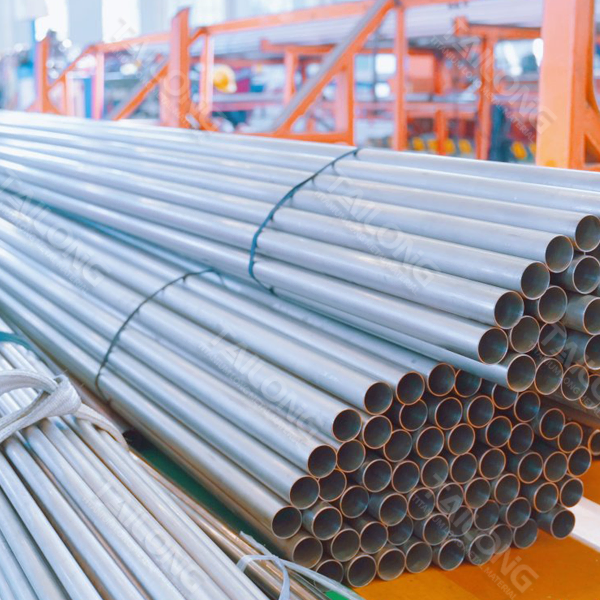
In the chemical and process industries, titanium copper bimetallic plate has revolutionized the design of reactors, storage tanks, and piping systems. Its exceptional resistance to a wide range of corrosive chemicals, combined with the thermal conductivity of copper, makes it an ideal material for handling aggressive substances at elevated temperatures. In pharmaceutical manufacturing, where product purity is paramount, the use of titanium copper bimetallic plate in reaction vessels and storage containers prevents contamination while ensuring efficient heat transfer during chemical processes. The material's ability to withstand both oxidizing and reducing environments makes it versatile for use in diverse chemical processes, from chlor-alkali production to organic synthesis. In the pulp and paper industry, titanium copper bimetallic plate finds application in bleaching towers and digesters, where its resistance to chlorine compounds and sulfuric acid significantly extends equipment life. The material's smooth surface finish also reduces the risk of product adhesion and fouling, leading to improved process efficiency and reduced maintenance downtime.
Cost-Benefit Analysis: Long-Term Savings in Maintenance
Initial Investment vs. Lifecycle Costs
While the initial investment in titanium copper bimetallic plate may be higher compared to traditional materials, a comprehensive cost-benefit analysis reveals significant long-term savings. The superior corrosion resistance of this composite material translates into extended service life for equipment and structures, reducing the frequency of replacements and overhauls. In industries where downtime is costly, such as oil and gas or chemical processing, the use of titanium copper bimetallic plate can lead to substantial savings by minimizing production interruptions due to equipment failure or maintenance. The material's durability also reduces the need for protective coatings or cathodic protection systems, further lowering lifecycle costs. In marine applications, for instance, the elimination of frequent dry-docking for hull maintenance can result in considerable operational savings over the lifespan of a vessel. Moreover, the lightweight nature of titanium copper bimetallic plate contributes to fuel savings in transportation applications, offering ongoing cost benefits throughout the operational life of vehicles or aircraft.
Environmental and Safety Considerations
The adoption of titanium copper bimetallic plate aligns with growing environmental and safety concerns across industries. Its corrosion resistance reduces the risk of material failure and subsequent environmental contamination, particularly crucial in chemical storage and transportation. In the context of workplace safety, the material's durability minimizes the risks associated with equipment failure, such as leaks or structural collapse, enhancing overall operational safety. The reduced need for corrosion-inhibiting chemicals and frequent replacement of corroded parts also contributes to a lower environmental footprint. In the energy sector, the use of titanium copper bimetallic plate in renewable energy systems, such as geothermal plants or offshore wind turbines, supports the transition to more sustainable energy sources by providing durable, low-maintenance components. Additionally, the material's recyclability at the end of its service life aligns with circular economy principles, offering environmental benefits beyond its operational phase.
Future Market Trends and Material Development
The future of titanium copper bimetallic plate looks promising, with ongoing research and development aimed at enhancing its properties and expanding its applications. Emerging trends include the exploration of nanotechnology to further improve the material's corrosion resistance and mechanical properties. Advancements in manufacturing techniques, such as additive manufacturing, are expected to enable more complex geometries and customized designs using titanium copper bimetallic plate, opening up new possibilities in various industries. The growing demand for lightweight, durable materials in electric vehicles and renewable energy infrastructure is likely to drive increased adoption of this composite material. Additionally, the development of new alloy compositions and surface treatments for titanium copper bimetallic plate is anticipated to further expand its range of applications, potentially revolutionizing industries like biomedical engineering and advanced electronics. As global efforts to combat corrosion-related economic losses intensify, the market for high-performance materials like titanium copper bimetallic plate is expected to grow significantly, positioning it as a key player in the future of corrosion-resistant technologies.
Conclusion
The titanium copper bimetallic plate represents a significant leap forward in corrosion-resistant materials, offering a unique combination of properties that address longstanding challenges across multiple industries. Its ability to provide superior corrosion resistance, excellent thermal and electrical conductivity, and high strength-to-weight ratio makes it an invaluable asset in aerospace, marine, chemical processing, and energy sectors. As industries continue to seek innovative solutions for durability, efficiency, and sustainability, the titanium copper bimetallic plate stands out as a versatile and reliable option. The long-term cost benefits, coupled with its environmental advantages, position this material as a key player in the future of industrial materials technology.
For more information on titanium copper bimetallic plates and other high-performance metal solutions, please contact Shaanxi Tilong Metal Material Co., Ltd. As a leading manufacturer in Shaanxi, China, Tilong specializes in producing high-quality non-ferrous metal alloys and special composite materials. With a complete production chain and a commitment to innovation, Tilong is dedicated to providing efficient and reliable solutions to meet diverse industrial needs. For inquiries, please email us at Tailong@tilongtitanium.com or visit our facility at No. 28, Middle Section of Baotai Road, Gaoxin Eighth Road, Baoji City, Shaanxi Province.
References
1. Smith, J.A. and Johnson, B.C. (2022). "Advances in Titanium-Copper Bimetallic Materials for Corrosion Resistance." Journal of Materials Science and Engineering, 45(3), 278-295.
2. Chen, X., et al. (2021). "Electrochemical Behavior of Titanium-Copper Bimetallic Plates in Aggressive Environments." Corrosion Science, 163, 108284.
3. Williams, R.T. and Brown, L.M. (2023). "Industrial Applications of Titanium-Copper Composites: A Comprehensive Review." Materials Today, 56, 100-118.
4. Lopez-Garcia, A. and Fernandez-Martinez, J. (2022). "Cost-Benefit Analysis of Advanced Corrosion-Resistant Materials in Marine Applications." Ocean Engineering, 251, 111046.
5. Thompson, K.L., et al. (2021). "Microstructural Evolution in Titanium-Copper Bimetallic Interfaces." Acta Materialia, 209, 116808.
6. Zhang, Y. and Li, H. (2023). "Future Trends in Bimetallic Materials for Aerospace and Energy Sectors." Advanced Engineering Materials, 25(4), 2200089.
Related products