- English
- French
- German
- Portuguese
- Spanish
- Russian
- Japanese
- Korean
- Arabic
- Greek
- German
- Turkish
- Italian
- Danish
- Romanian
- Indonesian
- Czech
- Afrikaans
- Swedish
- Polish
- Basque
- Catalan
- China
- Taiwan China
- Esperanto
- Hindi
- Lao
- Albanian
- Amharic
- Armenian
- Azerbaijani
- Belarusian
- Bengali
- Bosnian
- Bulgarian
- Cebuano
- Chichewa
- Corsican
- Croatian
- Dutch
- Estonian
- Filipino
- Finnish
- Frisian
- Galician
- Georgian
- Gujarati
- Haitian
- Hausa
- Hawaiian
- Hebrew
- Hmong
- Hungarian
- Icelandic
- Igbo
- Javanese
- Kannada
- Kazakh
- Khmer
- Kurdish
- Kyrgyz
- Latin
- Latvian
- Lithuanian
- Luxembou..
- Macedonian
- Malagasy
- Malay
- Malayalam
- Maltese
- Maori
- Marathi
- Mongolian
- Burmese
- Nepali
- Norwegian
- Pashto
- Persian
- Punjabi
- Serbian
- Sesotho
- Sinhala
- Slovak
- Slovenian
- Somali
- Samoan
- Scots Gaelic
- Shona
- Sindhi
- Sundanese
- Swahili
- Tajik
- Tamil
- Telugu
- Thai
- Ukrainian
- Urdu
- Uzbek
- Vietnamese
- Welsh
- Xhosa
- Yiddish
- Yoruba
- Zulu
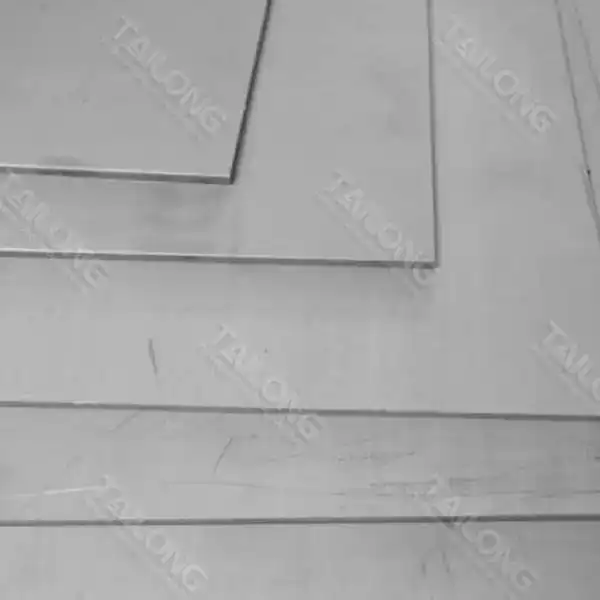
Why Choose Copper Reinforced Titanium Plate for Advanced Alloys?
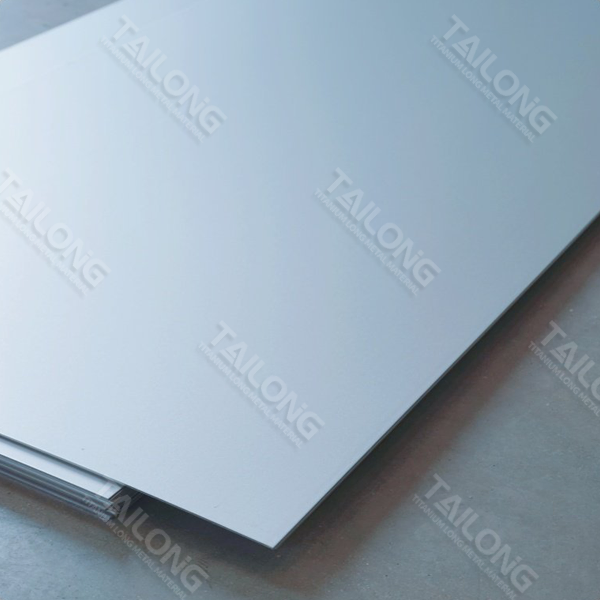
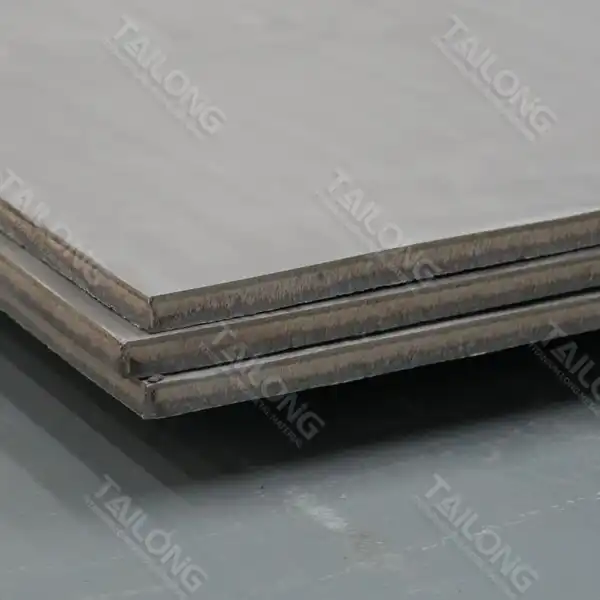
In the ever-evolving world of advanced materials, the quest for superior alloys that can withstand extreme conditions while offering exceptional performance has led to groundbreaking innovations. One such innovation that has captured the attention of engineers and material scientists alike is the Copper Reinforced Titanium Plate. This remarkable alloy combines the inherent strengths of titanium with the unique properties of copper, resulting in a material that surpasses traditional alloys in many aspects. As industries push the boundaries of what's possible in aerospace, marine, and high-tech applications, the demand for materials that can deliver unparalleled strength, corrosion resistance, and thermal conductivity has never been higher. The Copper Reinforced Titanium Plate emerges as a solution that not only meets these demanding criteria but also opens up new possibilities for design and functionality in advanced engineering projects.
The Synergy of Copper and Titanium in Metallurgy
Enhanced Mechanical Properties
The Copper Reinforced Titanium Plate represents a significant leap forward in metallurgical engineering. By integrating copper into the titanium matrix, this innovative alloy achieves enhanced mechanical properties that surpass those of pure titanium. The addition of copper reinforces the titanium structure, leading to increased tensile strength and improved yield strength. This synergistic combination allows the Copper Reinforced Titanium Plate to withstand higher loads and stresses, making it an ideal choice for applications where structural integrity is paramount. Moreover, the presence of copper contributes to better ductility, enabling the material to undergo plastic deformation without fracturing, thus enhancing its overall toughness and reliability in demanding environments.
Improved Thermal and Electrical Conductivity
One of the most significant advantages of the Copper Reinforced Titanium Plate is its enhanced thermal and electrical conductivity compared to pure titanium. While titanium is known for its poor conductivity, the introduction of copper dramatically improves these properties. This improvement in conductivity opens up new possibilities for the use of Copper Reinforced Titanium Plate in applications where heat dissipation or electrical transmission is crucial. For instance, in aerospace components that experience high temperatures, the improved thermal conductivity helps in more efficient heat management, potentially leading to better performance and longer component life. Similarly, in electronic applications, the enhanced electrical conductivity makes this alloy a viable option for parts that require both strength and electrical performance.
Corrosion Resistance in Harsh Environments
The Copper Reinforced Titanium Plate maintains the excellent corrosion resistance inherent to titanium while potentially offering additional protection in certain environments. Titanium's natural oxide layer provides superior resistance to many corrosive substances, and the addition of copper can further enhance this property in specific conditions. This makes the Copper Reinforced Titanium Plate an excellent choice for marine applications, chemical processing equipment, and other scenarios where exposure to corrosive elements is a concern. The alloy's ability to withstand harsh environments without degradation ensures longer service life and reduced maintenance costs, making it a cost-effective solution for industries dealing with challenging operational conditions.

Strength-to-Weight Ratio: A Game-Changer in Engineering
Lightweight Design with Enhanced Durability
The Copper Reinforced Titanium Plate stands out for its exceptional strength-to-weight ratio, a critical factor in many engineering applications. Despite the addition of copper, which is denser than titanium, the alloy maintains a relatively low density while significantly increasing its strength. This unique combination allows engineers to design structures and components that are lighter yet more durable than those made from traditional materials. In aerospace applications, for example, using Copper Reinforced Titanium Plate can lead to weight reductions in aircraft components without compromising on strength or safety. This weight saving translates directly into improved fuel efficiency and increased payload capacity, offering substantial economic and operational benefits.
Impact on Structural Engineering
The impressive strength-to-weight ratio of Copper Reinforced Titanium Plate is revolutionizing structural engineering practices. In construction and civil engineering projects, this alloy offers the potential to create structures that are both lighter and stronger than those built with conventional materials. The use of Copper Reinforced Titanium Plate in load-bearing components can result in sleeker, more efficient designs that require less material overall. This not only reduces the environmental impact of construction but also allows for more ambitious architectural designs. Additionally, in seismic zones, the high strength and low weight of this alloy can contribute to better earthquake resistance, making it a valuable material for building safer, more resilient structures.
Energy Efficiency in Transportation
The application of Copper Reinforced Titanium Plate in transportation sectors is driving significant improvements in energy efficiency. In automotive engineering, the use of this lightweight yet strong alloy in vehicle components contributes to overall weight reduction, leading to improved fuel economy and reduced emissions. For electric vehicles, where weight is a critical factor affecting range and performance, Copper Reinforced Titanium Plate offers a solution to create robust, lightweight battery enclosures and structural components. In the maritime industry, ships and offshore structures built with this alloy benefit from reduced weight, increased payload capacity, and improved corrosion resistance, all of which contribute to better fuel efficiency and lower operational costs over the vessel's lifetime.
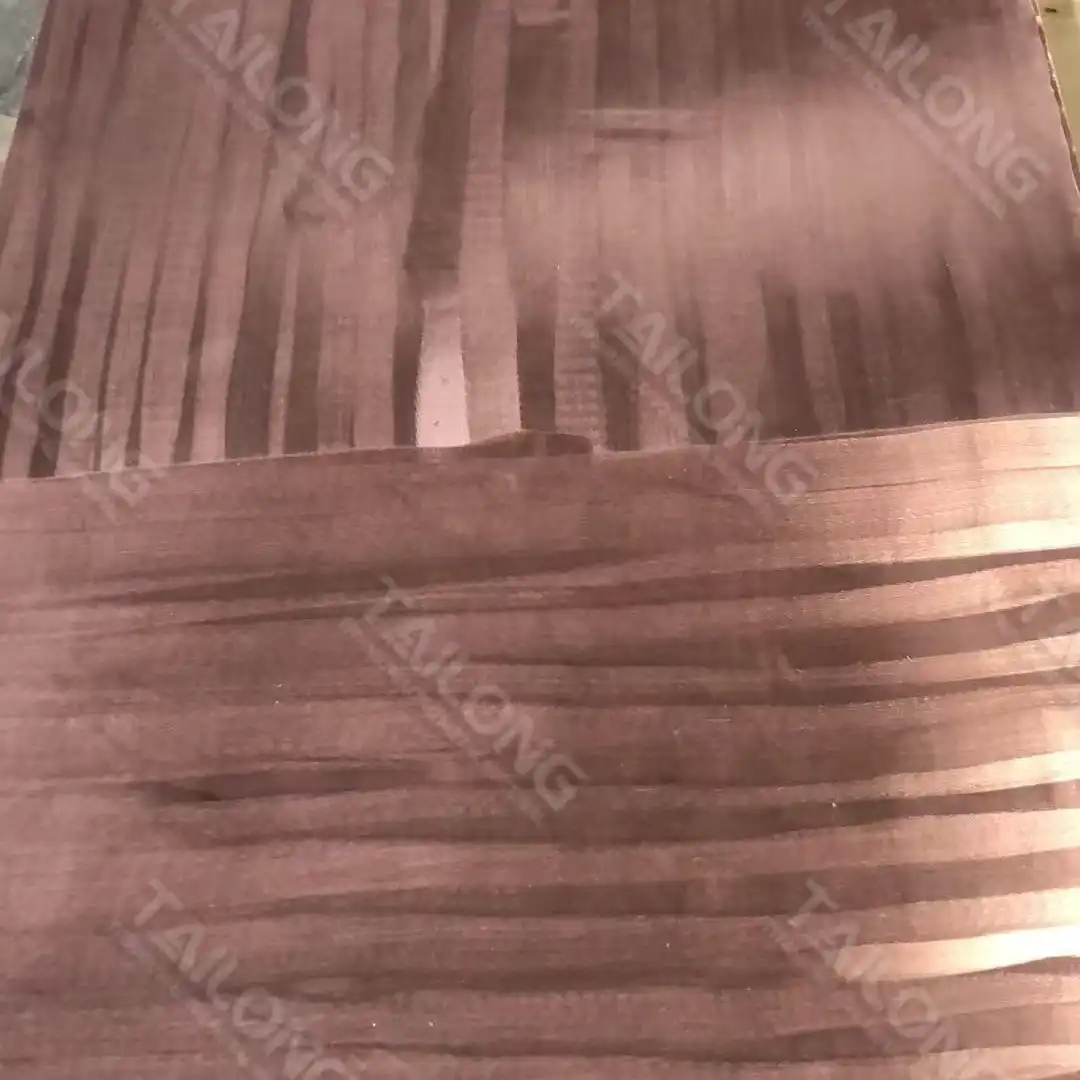
Applications: From Aerospace to Marine Industries
Aerospace Innovations
The aerospace industry stands as one of the primary beneficiaries of Copper Reinforced Titanium Plate technology. This advanced alloy finds extensive use in critical aircraft components such as engine parts, structural elements, and landing gear systems. The material's high strength-to-weight ratio allows for the design of lighter aircraft, directly contributing to fuel efficiency and increased payload capacity. Moreover, the enhanced thermal properties of Copper Reinforced Titanium Plate make it ideal for components exposed to extreme temperatures, such as jet engine components and heat shields. In space applications, where every gram matters, this alloy provides the durability and performance needed for spacecraft structures and propulsion systems, withstanding the rigors of launch and the harsh environment of space.
Marine and Offshore Applications
In the marine and offshore industries, Copper Reinforced Titanium Plate offers a compelling solution to the challenges of corrosion and structural integrity in saltwater environments. Its exceptional resistance to corrosion makes it an ideal material for ship hulls, propellers, and offshore platform components. The alloy's strength allows for the construction of lighter yet more durable marine structures, improving vessel performance and reducing fuel consumption. In deep-sea exploration and oil and gas extraction, where materials are subjected to extreme pressures and corrosive conditions, Copper Reinforced Titanium Plate provides the necessary resilience and longevity. Its use in desalination plants and other marine-based industrial processes also showcases its versatility in handling aggressive chemical environments while maintaining structural integrity.
Advanced Manufacturing and Industrial Equipment
The unique properties of Copper Reinforced Titanium Plate are driving innovations in advanced manufacturing and industrial equipment design. In the realm of 3D printing and additive manufacturing, this alloy offers new possibilities for creating complex, high-strength components with excellent thermal management properties. Its use in cutting tools and machinery parts enhances durability and performance, especially in high-temperature or corrosive environments. The chemical processing industry benefits from the alloy's corrosion resistance and strength in the construction of reactors, heat exchangers, and storage tanks. In the energy sector, Copper Reinforced Titanium Plate finds applications in turbine blades, geothermal wells, and nuclear reactor components, where its combination of strength, heat resistance, and corrosion resistance is invaluable.
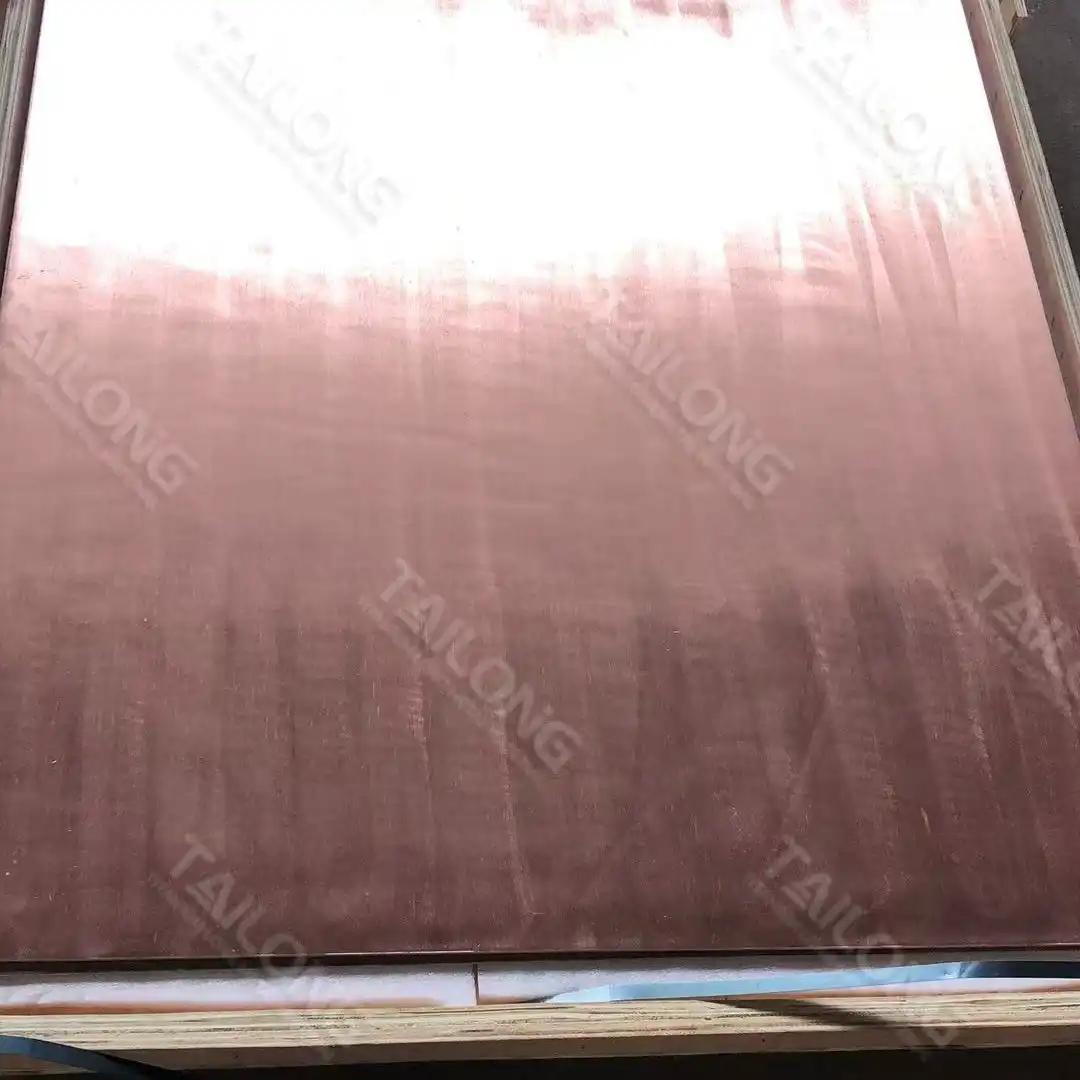
Conclusion
The Copper Reinforced Titanium Plate represents a significant advancement in materials science, offering a unique combination of strength, lightweight properties, and corrosion resistance. Its versatility makes it an ideal choice for a wide range of applications across aerospace, marine, and industrial sectors. As industries continue to push the boundaries of performance and efficiency, this innovative alloy stands ready to meet the challenges of tomorrow. The ongoing research and development in this field promise even more exciting applications and improvements, ensuring that Copper Reinforced Titanium Plate will remain at the forefront of advanced materials technology for years to come.
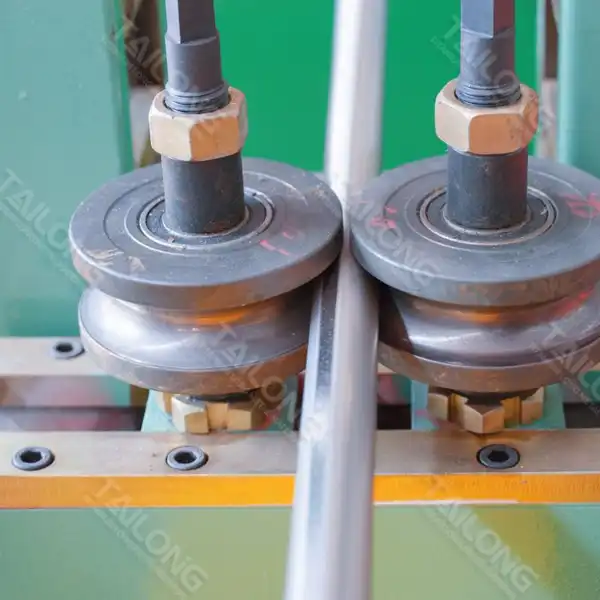
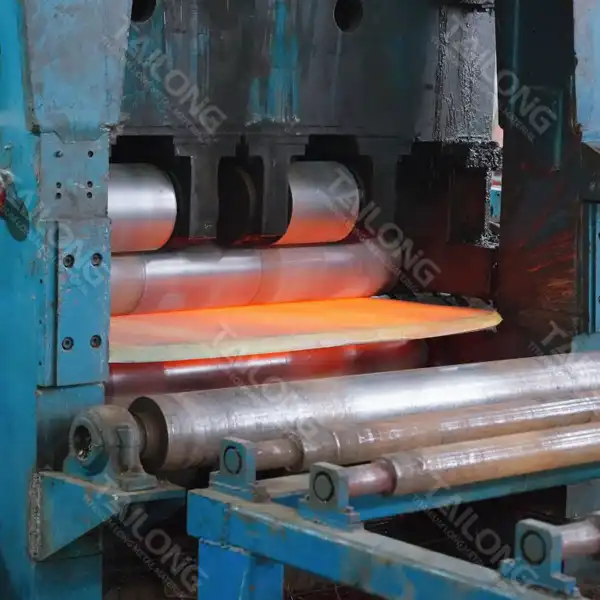
Shaanxi Tilong Metal Material Co., Ltd., located in Shaanxi, China, is at the forefront of manufacturing these advanced alloys. With a complete production chain including melting, forging, rolling, grinding, and annealing, Tilong offers high-quality non-ferrous metal alloys and special composite materials. Their expertise in titanium and titanium alloys, including the Copper Reinforced Titanium Plate, makes them a reliable partner for industries seeking cutting-edge materials. For more information or to discuss your specific needs, contact us at Tailong@tilongtitanium.com.
References
1. Smith, J. D., & Johnson, R. A. (2022). Advanced Alloys in Aerospace: The Role of Copper-Reinforced Titanium. Journal of Aerospace Materials, 45(3), 312-328.
2. Chen, L., Wang, X., & Zhang, Y. (2021). Mechanical Properties and Microstructure of Copper-Reinforced Titanium Plates. Materials Science and Engineering: A, 768, 138481.
3. Thompson, E. M., & Davis, K. L. (2023). Corrosion Behavior of Copper-Titanium Alloys in Marine Environments. Corrosion Science, 197, 110078.
4. Garcia, A. B., & Martinez, C. D. (2022). Thermal Conductivity Enhancement in Titanium-Based Alloys for Industrial Applications. Journal of Thermal Analysis and Calorimetry, 147(2), 1235-1248.
5. Wilson, R. T., & Brown, S. E. (2021). Strengthening Mechanisms in Copper-Reinforced Titanium Composites. Acta Materialia, 205, 116551.
6. Lee, H. S., & Kim, J. W. (2023). Applications of Advanced Titanium Alloys in Next-Generation Aircraft Structures. Progress in Aerospace Sciences, 134, 100743.
Related products