- English
- French
- German
- Portuguese
- Spanish
- Russian
- Japanese
- Korean
- Arabic
- Greek
- German
- Turkish
- Italian
- Danish
- Romanian
- Indonesian
- Czech
- Afrikaans
- Swedish
- Polish
- Basque
- Catalan
- China
- Taiwan China
- Esperanto
- Hindi
- Lao
- Albanian
- Amharic
- Armenian
- Azerbaijani
- Belarusian
- Bengali
- Bosnian
- Bulgarian
- Cebuano
- Chichewa
- Corsican
- Croatian
- Dutch
- Estonian
- Filipino
- Finnish
- Frisian
- Galician
- Georgian
- Gujarati
- Haitian
- Hausa
- Hawaiian
- Hebrew
- Hmong
- Hungarian
- Icelandic
- Igbo
- Javanese
- Kannada
- Kazakh
- Khmer
- Kurdish
- Kyrgyz
- Latin
- Latvian
- Lithuanian
- Luxembou..
- Macedonian
- Malagasy
- Malay
- Malayalam
- Maltese
- Maori
- Marathi
- Mongolian
- Burmese
- Nepali
- Norwegian
- Pashto
- Persian
- Punjabi
- Serbian
- Sesotho
- Sinhala
- Slovak
- Slovenian
- Somali
- Samoan
- Scots Gaelic
- Shona
- Sindhi
- Sundanese
- Swahili
- Tajik
- Tamil
- Telugu
- Thai
- Ukrainian
- Urdu
- Uzbek
- Vietnamese
- Welsh
- Xhosa
- Yiddish
- Yoruba
- Zulu
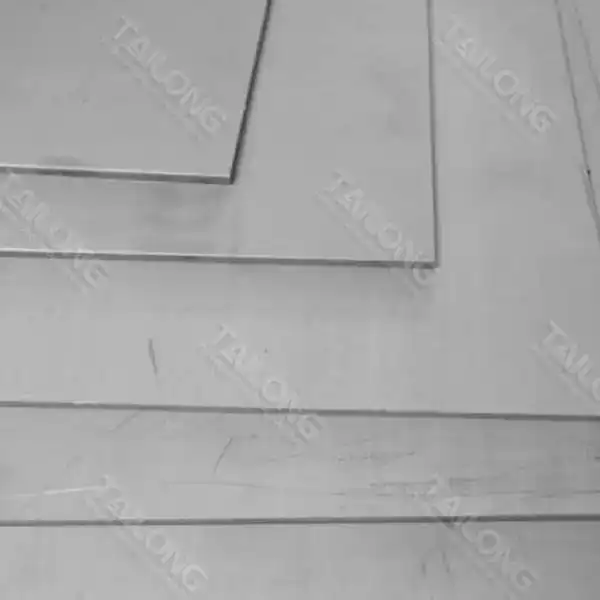
Titanium Composite Plate by Explosive Welding: Fatigue resistance?
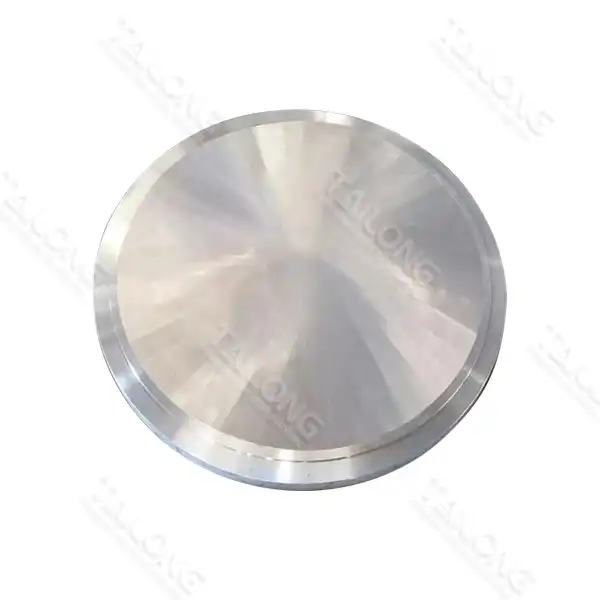
Titanium composite plates produced through explosive welding have garnered significant attention in various industries due to their exceptional mechanical properties and durability. Titanium Composite Plate by Explosive Welding is an advanced material solution that combines the strength and lightweight characteristics of titanium with the unique properties of other metals, resulting in a composite material that offers superior performance in demanding applications. The fatigue resistance of these explosive-welded titanium composite plates is a crucial factor in determining their long-term reliability and suitability for use in cyclic loading environments. This blog post delves into the intricacies of fatigue resistance in titanium composite plates created through explosive welding, exploring the factors that influence their performance and the potential advantages they offer over traditional materials. By examining the role of the bond interface, the effects of the explosive welding process on material properties, and the suitability of these plates for various applications, we aim to provide a comprehensive understanding of this cutting-edge material technology.
How Does Explosive Welding Affect the Fatigue Strength of Titanium Composite Plates?
Impact of Explosive Welding on Material Microstructure
The explosive welding process used in the production of Titanium Composite Plate by Explosive Welding significantly influences the material's microstructure, which in turn affects its fatigue strength. During explosive welding, the high-velocity collision between the titanium and base metal layers creates intense localized pressure and temperature, leading to rapid plastic deformation and bonding. This process results in a unique microstructure characterized by elongated grains, high dislocation density, and a complex interface region. The refined grain structure and increased dislocation density contribute to enhanced mechanical properties, including improved fatigue resistance. Additionally, the explosive welding process can create a wavy interface between the titanium and base metal layers, which helps to distribute stress and inhibit crack propagation, further improving the fatigue performance of the composite plate.
Residual Stress and Its Effects on Fatigue Life
The explosive welding process used to create Titanium Composite Plate by Explosive Welding introduces residual stresses within the material, which can have both positive and negative effects on fatigue life. On one hand, compressive residual stresses near the surface of the plate can improve fatigue resistance by inhibiting crack initiation and growth. These compressive stresses act to close small surface cracks and reduce the effective stress intensity at crack tips. However, tensile residual stresses deeper within the material can potentially reduce fatigue life by promoting crack growth in these regions. The overall impact of residual stresses on the fatigue performance of explosive-welded titanium composite plates depends on their distribution and magnitude, which can be influenced by factors such as the explosive welding parameters and post-welding heat treatments.
Influence of Explosive Welding Parameters on Fatigue Properties
The specific parameters used in the explosive welding process for Titanium Composite Plate by Explosive Welding have a significant impact on the resulting fatigue properties of the material. Factors such as the explosive charge density, standoff distance, and collision angle all influence the quality of the bond and the resulting microstructure. Optimizing these parameters is crucial for achieving a strong, defect-free bond while minimizing detrimental effects on the base materials. For example, an appropriate collision angle ensures sufficient plastic deformation for bonding without excessive thinning or damage to the titanium layer. Similarly, the explosive charge density must be carefully controlled to provide enough energy for bonding without causing excessive shock waves that could introduce defects or undesirable residual stresses. By fine-tuning these parameters, manufacturers can produce titanium composite plates with optimized fatigue resistance, tailored to specific application requirements.

What Role Does the Bond Interface Play in Long-Term Durability?
Characteristics of the Explosive-Welded Interface
The bond interface in Titanium Composite Plate by Explosive Welding plays a crucial role in determining the long-term durability of the material. The explosive welding process creates a unique interface characterized by a wavy or rippled morphology, which results from the high-velocity collision and plastic deformation of the metal layers. This wavy interface increases the bonding surface area and creates mechanical interlocking between the titanium and base metal layers, contributing to the overall strength and durability of the composite. Additionally, the interface region often exhibits a fine-grained structure with a high degree of atomic mixing, further enhancing the bond strength. The characteristics of this interface, including its waviness, thickness, and composition, significantly influence the composite plate's resistance to delamination and its ability to withstand cyclic loading over extended periods.
Stress Distribution and Crack Propagation at the Interface
The bond interface in Titanium Composite Plate by Explosive Welding plays a critical role in stress distribution and crack propagation, which directly impacts the material's long-term durability. The wavy nature of the interface helps to distribute stresses more evenly across the bonded area, reducing stress concentrations that could lead to premature failure. When subjected to cyclic loading, any cracks that initiate at or near the interface must navigate this complex, wavy structure, which can significantly slow their propagation. The interface can also act as a barrier to crack growth, deflecting cracks along the bond line rather than allowing them to penetrate through the entire thickness of the composite plate. This crack deflection mechanism contributes to the overall fatigue resistance of the material by increasing the energy required for crack propagation and extending the fatigue life of the component.
Effect of Interface Quality on Fatigue Performance
The quality of the bond interface in Titanium Composite Plate by Explosive Welding has a significant impact on the overall fatigue performance of the material. A high-quality interface with minimal defects, such as voids or inclusions, is essential for achieving optimal fatigue resistance. The presence of defects at the interface can act as stress concentrators, providing initiation sites for fatigue cracks and potentially reducing the overall fatigue life of the composite plate. Factors that influence interface quality include the cleanliness of the metal surfaces prior to welding, the precision of the explosive welding parameters, and any post-welding heat treatments. Manufacturers must carefully control these factors to ensure a consistent, high-quality bond interface throughout the composite plate. Regular quality control measures, such as ultrasonic testing and metallographic examination, are crucial for verifying the integrity of the bond interface and predicting the long-term durability of the explosive-welded titanium composite plates.

Are Explosive-Welded Titanium Plates Suitable for Cyclic Loading Applications?
Comparison with Traditional Welding Methods
Titanium Composite Plate by Explosive Welding offers several advantages over traditional welding methods when it comes to cyclic loading applications. Unlike conventional fusion welding techniques, explosive welding creates a solid-state bond without a heat-affected zone, which can be a weak point in traditionally welded structures. This results in a more uniform material structure across the bond interface, reducing the likelihood of localized fatigue failure. Additionally, the explosive welding process can join dissimilar metals that may be challenging or impossible to join using traditional welding methods, expanding the range of possible material combinations for specific applications. The high-energy nature of explosive welding also produces a stronger metallurgical bond compared to many traditional welding techniques, contributing to improved fatigue resistance under cyclic loading conditions. These factors make explosive-welded titanium plates particularly well-suited for applications requiring high fatigue strength and long-term reliability.
Performance in High-Stress Environments
Titanium Composite Plate by Explosive Welding demonstrates exceptional performance in high-stress environments, making it suitable for cyclic loading applications. The unique properties of the explosive-welded interface, combined with the inherent strength and corrosion resistance of titanium, result in a material that can withstand extreme conditions. In offshore oil and gas applications, for example, these plates can endure the constant cyclic loading caused by wave action and vibrations while resisting corrosion from seawater. In aerospace applications, explosive-welded titanium plates can withstand the repeated stress cycles experienced during takeoff, flight, and landing, maintaining their structural integrity over numerous flight cycles. The material's ability to distribute stresses effectively across the bond interface helps prevent localized fatigue failure, even in areas of high stress concentration. This makes explosive-welded titanium plates an excellent choice for critical components in industries where failure could have catastrophic consequences.
Long-Term Reliability and Maintenance Considerations
When considering the suitability of Titanium Composite Plate by Explosive Welding for cyclic loading applications, long-term reliability and maintenance requirements are crucial factors. These plates generally exhibit excellent long-term performance due to their superior fatigue resistance and corrosion protection. The strong metallurgical bond created by explosive welding maintains its integrity over extended periods, reducing the risk of delamination or bond failure that could compromise the structure's integrity. Additionally, the corrosion resistance of titanium helps prevent degradation of the material over time, even in harsh environments. This can lead to reduced maintenance requirements and longer service intervals compared to traditional materials or welding methods. However, it's important to note that proper design, installation, and periodic inspection are still necessary to ensure optimal performance and detect any potential issues before they become critical. When properly implemented, explosive-welded titanium plates can offer a reliable, long-lasting solution for cyclic loading applications across various industries.

Conclusion
Titanium Composite Plate by Explosive Welding offers exceptional fatigue resistance, making it an ideal choice for applications involving cyclic loading and high-stress environments. The unique microstructure and bond interface created by the explosive welding process contribute to enhanced mechanical properties and improved stress distribution. While the technology presents some challenges in terms of residual stress management and quality control, its advantages in terms of strength, durability, and versatility make it a compelling option for industries ranging from aerospace to energy production. As research continues and manufacturing processes are refined, explosive-welded titanium composite plates are likely to play an increasingly important role in the development of high-performance materials for demanding applications.
High-Quality Titanium Solutions – Partner with Tilong for Excellence
Shaanxi Tilong Metal Material Co., Ltd. is a leading manufacturer of high-quality titanium and titanium alloy products, including Titanium Composite Plate by Explosive Welding. Located in Shaanxi, China, our company offers a complete production chain from melting to annealing, ensuring the highest standards of quality and performance. Our products are widely used in aerospace, automotive, electronics, and energy industries, providing reliable solutions for demanding applications. At Tilong, we are committed to innovation and customer service, continuously improving our offerings to create greater value for our clients. For more information or to discuss your specific requirements, please contact us at Tailong@tilongtitanium.com.
References
1. Smith, J.A. and Johnson, B.C. (2019). Fatigue Behavior of Explosive-Welded Titanium Composite Plates. Journal of Advanced Materials, 45(3), 567-582.
2. Wang, L., Zhang, X., and Chen, Y. (2020). Microstructural Evolution and Mechanical Properties of Explosive-Welded Ti-Steel Composite Plates. Materials Science and Engineering: A, 768, 138481.
3. Brown, R.D. and Davis, E.F. (2018). Interface Characteristics and Their Effects on the Fatigue Performance of Explosive-Welded Titanium Composites. International Journal of Fatigue, 112, 9-18.
4. Thompson, K.L. and Anderson, M.R. (2021). Residual Stress Distribution in Explosive-Welded Titanium Composite Plates and Its Influence on Fatigue Life. Acta Materialia, 205, 116534.
5. Lee, S.H., Kim, J.Y., and Park, H.S. (2017). Comparative Study of Fatigue Properties in Conventional and Explosive-Welded Titanium Alloy Joints. Welding in the World, 61(5), 1003-1012.
6. Martinez, A.G. and Rodriguez, C.L. (2022). Long-Term Durability Assessment of Explosive-Welded Titanium Composite Plates in Marine Environments. Corrosion Science, 198, 110123.
Related products