- English
- French
- German
- Portuguese
- Spanish
- Russian
- Japanese
- Korean
- Arabic
- Greek
- German
- Turkish
- Italian
- Danish
- Romanian
- Indonesian
- Czech
- Afrikaans
- Swedish
- Polish
- Basque
- Catalan
- China
- Taiwan China
- Esperanto
- Hindi
- Lao
- Albanian
- Amharic
- Armenian
- Azerbaijani
- Belarusian
- Bengali
- Bosnian
- Bulgarian
- Cebuano
- Chichewa
- Corsican
- Croatian
- Dutch
- Estonian
- Filipino
- Finnish
- Frisian
- Galician
- Georgian
- Gujarati
- Haitian
- Hausa
- Hawaiian
- Hebrew
- Hmong
- Hungarian
- Icelandic
- Igbo
- Javanese
- Kannada
- Kazakh
- Khmer
- Kurdish
- Kyrgyz
- Latin
- Latvian
- Lithuanian
- Luxembou..
- Macedonian
- Malagasy
- Malay
- Malayalam
- Maltese
- Maori
- Marathi
- Mongolian
- Burmese
- Nepali
- Norwegian
- Pashto
- Persian
- Punjabi
- Serbian
- Sesotho
- Sinhala
- Slovak
- Slovenian
- Somali
- Samoan
- Scots Gaelic
- Shona
- Sindhi
- Sundanese
- Swahili
- Tajik
- Tamil
- Telugu
- Thai
- Ukrainian
- Urdu
- Uzbek
- Vietnamese
- Welsh
- Xhosa
- Yiddish
- Yoruba
- Zulu
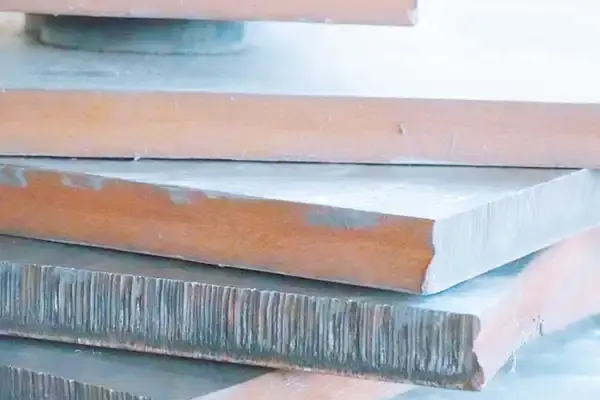
Composite Titanium Steel Plate
Cladding Material: Gr1, Gr2, Gr5, Gr7 (ASTM B265)
Applicable Standards:ASTM B898, ASTM B265, GB/T 8547
Base Material: Q235B, Q345R, 20#, 16MnR, 304, 316L
Plate Size:1000 mm × 6000 mm (Customizable)
Cladding Thickness:1.0 mm – 10.0 mm
Base Thickness:3.0 mm – 50.0 mm
Composite Titanium Steel Plate: The Ultimate High-Performance Material
I. Product Introduction:
The Composite Titanium Steel Plates are novel materials created by metallurgical bonding titanium/ titanium alloys as the corrosion-resistant cladding layer and carbon steel/low-alloy steel as the structural substrate. This innovative composite material achieves metallurgical bonding through processes like explosive bonding and rolling. Its core advantage lies in combining “titanium's exceptional corrosion resistance with steel's high cost-effectiveness and structural strength,” perfectly overcoming the drawbacks of pure titanium's high cost and carbon steel's poor corrosion resistance. It stands as the core material selection for demanding conditions in heavy industrial applications.
II. Technical Specifications:
| Item | Specification |
| Product Name | Composite Titanium Steel Plate |
| Composite Structure | Titanium (Cladding) + Carbon/Stainless Steel (Base) |
| Cladding Material | Gr1, Gr2, Gr5, Gr7 (ASTM B265) |
| Base Material | Q235B, Q345R, 20#, 16MnR, 304, 316L |
| Manufacturing Process | Explosive Bonding / Explosion + Rolling (as per GB/T 8547) |
| Cladding Thickness (Titanium) | 1.0 mm – 10.0 mm |
| Base Thickness (Steel) | 3.0 mm – 50.0 mm |
| Typical Plate Size | 1000 mm × 6000 mm (Customizable) |
| Material Standards | ASTM B265 + GB/T 8547 + ASME SB-265 / Customized |
| Bonding Strength | ≥ 120 MPa (Shear Strength) |
| Peeling Strength | ≥ 15 N/mm (Peel Test) |
| Interlayer Diffusion Control | Controlled diffusion layer ≤ 30μm (to avoid brittle phases) |
| Thermal Expansion Compatibility | Coefficient matched within 10% to prevent delamination at temp change |
| Surface Finish | Pickled / Brushed / Polished / Sandblasted |
| Dimensional Tolerance | ±10% thickness, ±2 mm length/width, flatness ≤ 3 mm/m |
| Delivery Condition | As Clad, Annealed, Flattened, Descaled |
| Nondestructive Testing | 100% Ultrasonic Testing + Shear Test + Visual Inspection |
| Welding Compatibility | Compatible with TIG/MIG welding with filler wire recommendation |
| Corrosion Resistance | Excellent against Cl⁻, H₂SO₄, HCl, NaOH, Seawater |
| Applications | Pressure vessels, heat exchangers, chemical reactors, desalination |
| Certificate | EN 10204 3.1 / 3.2, BV / SGS / Lloyd's available upon request |
| Packing | Seaworthy export packing: film + edge protector + steel frame + fumigated wooden box |
Notes: Custom sizes and specifications are available upon request.
III. Advantages:
The core advantages of Titanium-Steel Composite Plates lie in their complementary properties, controllable costs, and broad adaptability. They seamlessly integrate titanium's corrosion resistance with steel's structural strength while mitigating the shortcomings of both materials. So it has the following advantages:
1. Core Performance Advantages: Dual Excellence in Corrosion Resistance and Strength:
A. Superior Corrosion Resistance;
B. High Structural Strength;
C. Stable Interface Bonding:
2. Economic Advantages: Superior Cost-Performance Compared to Single-Material Solutions
3. Significantly Reduced Costs: Compared to pure titanium equipment, material costs decrease by 30%-40%. No need for excessive consumption of high-cost titanium materials to achieve overall corrosion resistance. When replacing precious metals like Hastelloy, cost reductions are even more pronounced (savings reaching tens of millions per unit).
4. Controllable life-cycle costs: Superior corrosion resistance minimizes maintenance and replacement expenses, extending maintenance cycles from 3 years for standard steel to over 10 years. This reduces downtime losses and labor costs.
IV. Primary Applications of Stainless Clad Steel Plate:
1. Chemical & Petrochemical Industry:
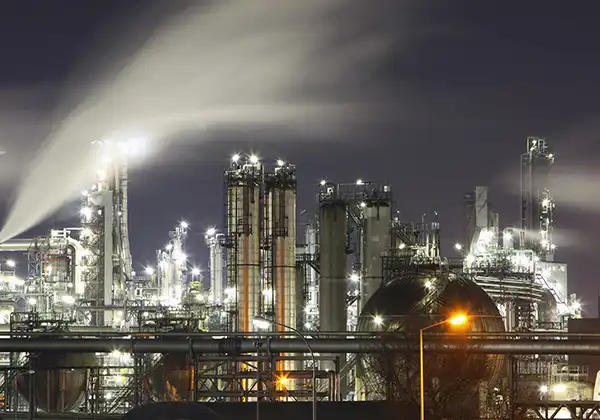
Storage tanks, reactors, pipelines, and heat exchangers for handling corrosive substances (e.g., sulfuric acid, sodium chloride solutions, or petroleum derivatives).
2. Energy & Power Sectors:
Components in power plants (boilers, steam pipes), nuclear facilities, and renewable energy systems (e.g., offshore wind foundations), resisting high-temperature oxidation and environmental corrosion.
3. Marine & Offshore Engineering:
Shipbuilding (hull structures, cargo tanks), offshore platforms, and coastal infrastructure, where exposure to saltwater and harsh marine conditions demands both strength and corrosion resistance (316/duplex clad plates are often preferred here).
4. Water & Wastewater Treatment:
Tanks, filters, and pipelines for potable water, sewage, or desalination plants, ensuring resistance to waterborne contaminants and mild acids.
5. Food, Pharmaceutical & Hygienic Industries:
Processing equipment, storage vessels, and conveyors requiring clean, non-reactive surfaces (304 clad plates meet food-grade and pharmaceutical standards).
6. Architectural & Structural Engineering :
Decorative cladding, structural beams, or panels in buildings (especially in coastal or urban areas with high humidity), combining aesthetic appeal with long-term durability.
 |
 |
 |
 |
 |
 |
V. Why Choose Us?
-
High-Quality Assurance: Strict quality control from raw material selection to final delivery.
-
Advanced Manufacturing: Cutting-edge technology ensures precise composition and superior performance.
-
Customization Options: We provide tailored solutions to meet your specific project needs.
-
Global Standards Compliance: Our products meet international industry regulations and certifications.
-
Reliable Supply Chain: Efficient inventory and logistics system ensuring on-time delivery.
VI. Our Strength:
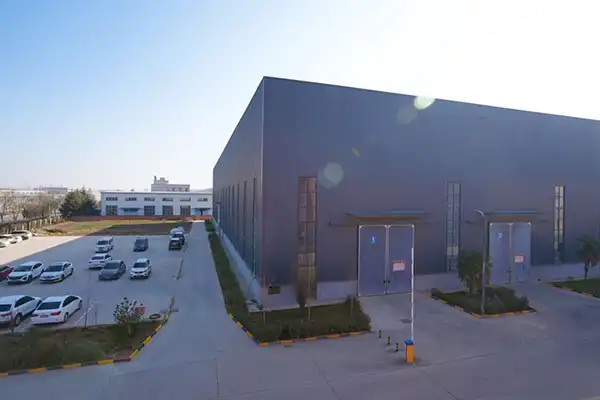
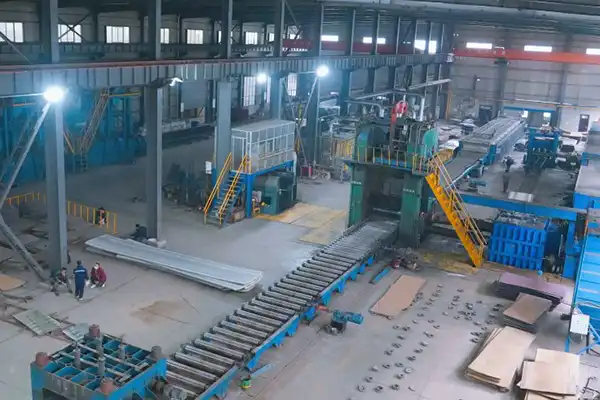
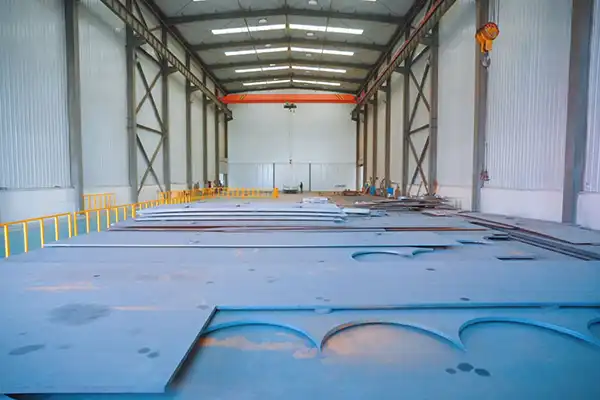
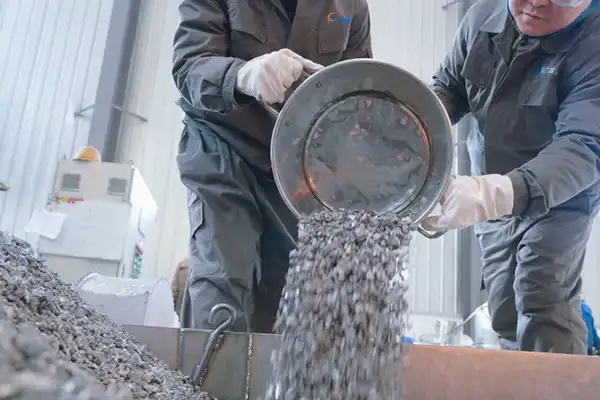
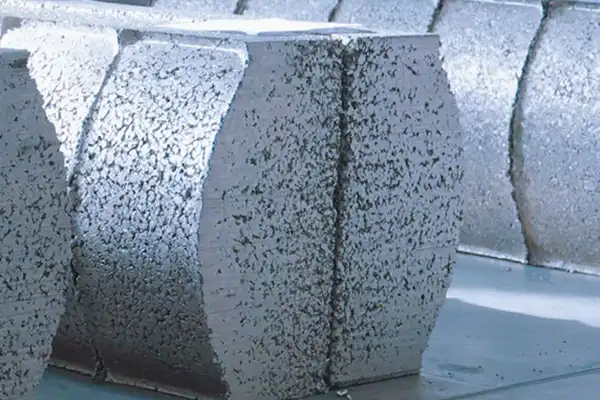
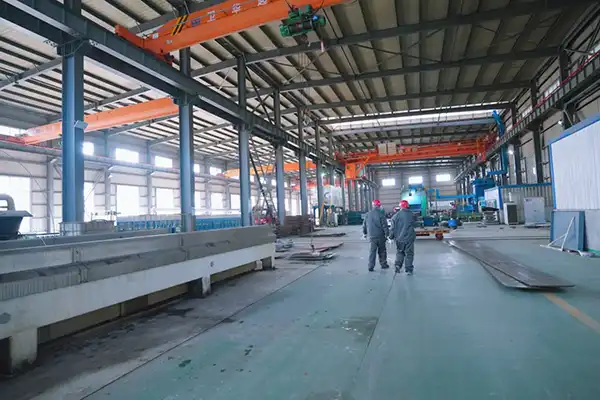
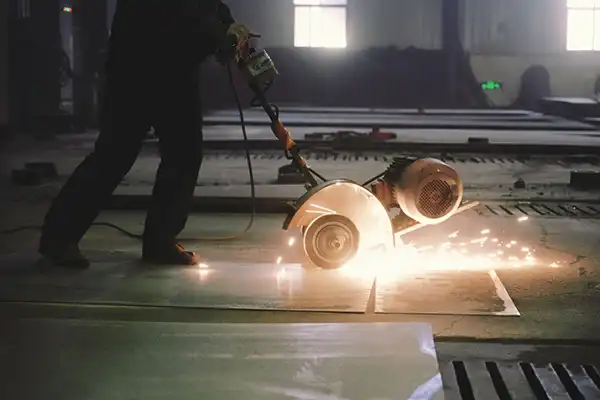
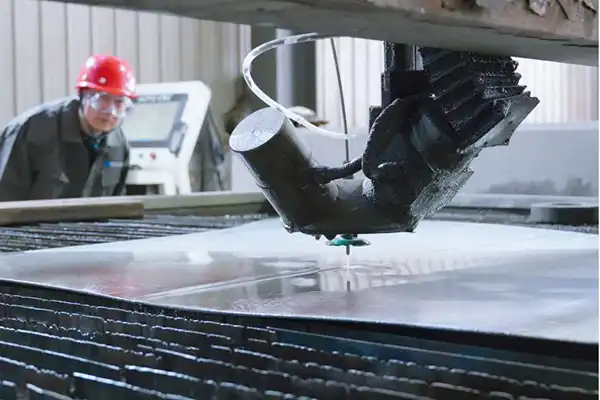
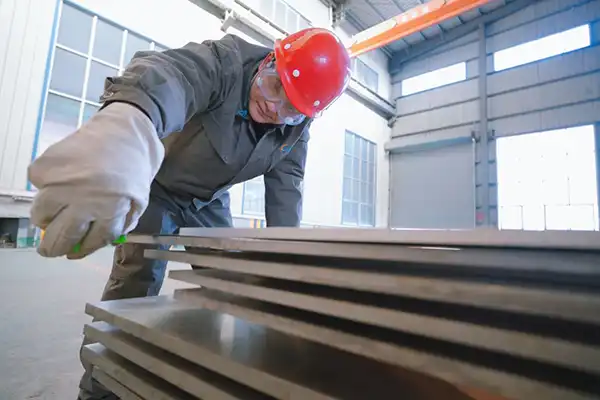
1. Factory Show:
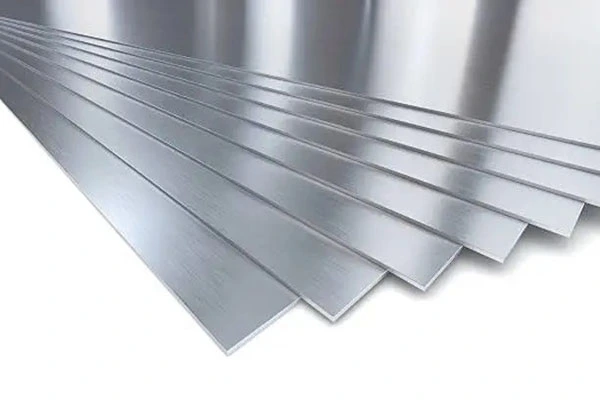
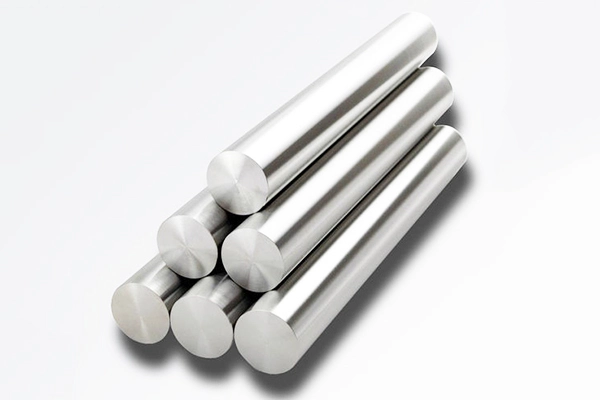
2. Main Products:
3. Application Example:


VII. OEM Services:
We offer OEM services for Composite Titanium Steel Plate, including:
-
Custom size and thickness options
-
Surface treatment and coating solutions
-
Laser cutting, welding, and machining
-
Private labeling and packaging
VIII. Frequently Asked Questions (FAQs):
1. What are the advantages of Composite Titanium Steel Plate over pure titanium or pure steel?
The composite plate combines the high strength, corrosion resistance, and lightweight properties of titanium with the cost-efficiency and durability of steel, making it a superior choice for various industries.
2. Can I order customized sizes and thicknesses?
Yes! We offer fully customizable dimensions to fit your specific application requirements.
3. Is the Composite Titanium Steel Plate suitable for high-temperature applications?
Yes, it can withstand temperatures up to 600°C while maintaining its structural integrity.
4. What industries commonly use this material?
This material is widely used in aerospace, automotive, electronics, and energy sectors due to its superior performance characteristics.