- English
- French
- German
- Portuguese
- Spanish
- Russian
- Japanese
- Korean
- Arabic
- Greek
- German
- Turkish
- Italian
- Danish
- Romanian
- Indonesian
- Czech
- Afrikaans
- Swedish
- Polish
- Basque
- Catalan
- China
- Taiwan China
- Esperanto
- Hindi
- Lao
- Albanian
- Amharic
- Armenian
- Azerbaijani
- Belarusian
- Bengali
- Bosnian
- Bulgarian
- Cebuano
- Chichewa
- Corsican
- Croatian
- Dutch
- Estonian
- Filipino
- Finnish
- Frisian
- Galician
- Georgian
- Gujarati
- Haitian
- Hausa
- Hawaiian
- Hebrew
- Hmong
- Hungarian
- Icelandic
- Igbo
- Javanese
- Kannada
- Kazakh
- Khmer
- Kurdish
- Kyrgyz
- Latin
- Latvian
- Lithuanian
- Luxembou..
- Macedonian
- Malagasy
- Malay
- Malayalam
- Maltese
- Maori
- Marathi
- Mongolian
- Burmese
- Nepali
- Norwegian
- Pashto
- Persian
- Punjabi
- Serbian
- Sesotho
- Sinhala
- Slovak
- Slovenian
- Somali
- Samoan
- Scots Gaelic
- Shona
- Sindhi
- Sundanese
- Swahili
- Tajik
- Tamil
- Telugu
- Thai
- Ukrainian
- Urdu
- Uzbek
- Vietnamese
- Welsh
- Xhosa
- Yiddish
- Yoruba
- Zulu
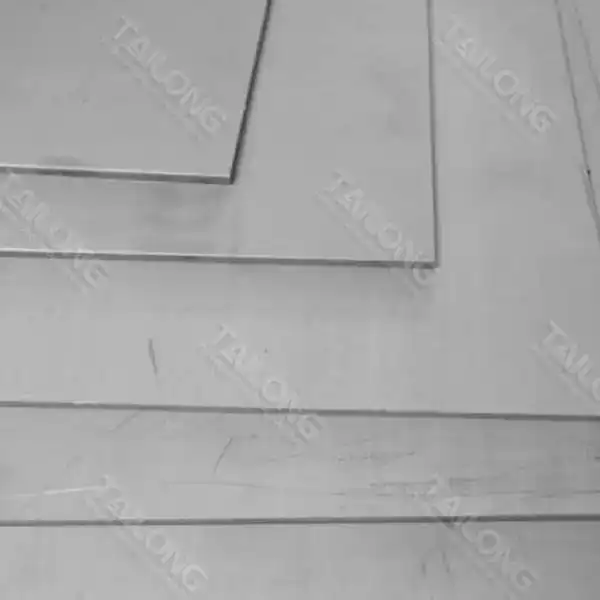
How long does Corrosion-Resistant Titanium Forging Ring last in acids?
Corrosion-resistant titanium forging rings have become increasingly popular in various industries due to their exceptional durability and resistance to harsh chemical environments. When it comes to their longevity in acidic conditions, these specialized components demonstrate remarkable resilience. The lifespan of corrosion-resistant titanium forging rings in acids can vary depending on factors such as the specific grade of titanium used, the concentration and type of acid, and the operating conditions. Generally, these rings can withstand exposure to acids for extended periods, often lasting several years or even decades without significant degradation. This exceptional performance is attributed to titanium's natural ability to form a protective oxide layer when exposed to oxygen, which provides an additional barrier against corrosive elements. Understanding the longevity of these components in acidic environments is crucial for industries relying on their performance in critical applications, as it directly impacts maintenance schedules, operational efficiency, and overall cost-effectiveness.
Acid Resistance Performance: Lifespan of Titanium Forging Rings in Harsh Chemical Environments
Factors Affecting Corrosion Resistance
The corrosion resistance of titanium forging rings in acidic environments is influenced by several key factors. The specific grade of titanium used plays a crucial role, with higher grades generally offering superior resistance. For instance, Grade 5 (Ti-6Al-4V) Corrosion-Resistant Titanium Forging Rings exhibit excellent resistance to a wide range of acids. The concentration and type of acid also significantly impact the ring's lifespan, with some titanium grades showing better resistance to specific acids. Environmental conditions such as temperature and pressure can accelerate or decelerate the corrosion process. Additionally, the surface finish of the forging ring can affect its corrosion resistance, with smoother surfaces generally providing better protection against acid attack. Understanding these factors is essential for selecting the appropriate Corrosion-Resistant Titanium Forging Ring for specific applications and predicting its longevity in harsh chemical environments.
Typical Lifespan in Different Acid Types
The lifespan of Corrosion-Resistant Titanium Forging Rings varies depending on the type of acid they are exposed to. In general, these rings demonstrate exceptional resistance to many common acids. For instance, in hydrochloric acid (HCl) solutions up to 30% concentration, titanium forging rings can last for several years with minimal corrosion. In sulfuric acid (H2SO4) environments, the lifespan can extend to decades, especially at concentrations below 70%. Nitric acid (HNO3) poses little threat to titanium, with rings often lasting indefinitely in concentrations up to 65%. However, hydrofluoric acid (HF) is particularly aggressive towards titanium, and special grades or protective measures may be necessary for prolonged exposure. The Corrosion-Resistant Titanium Forging Ring's performance in organic acids is generally excellent, with lifespans often exceeding 20 years in acetic, formic, and citric acid solutions. These extended lifespans highlight the exceptional durability of titanium in acidic environments.
Maintenance and Inspection Practices
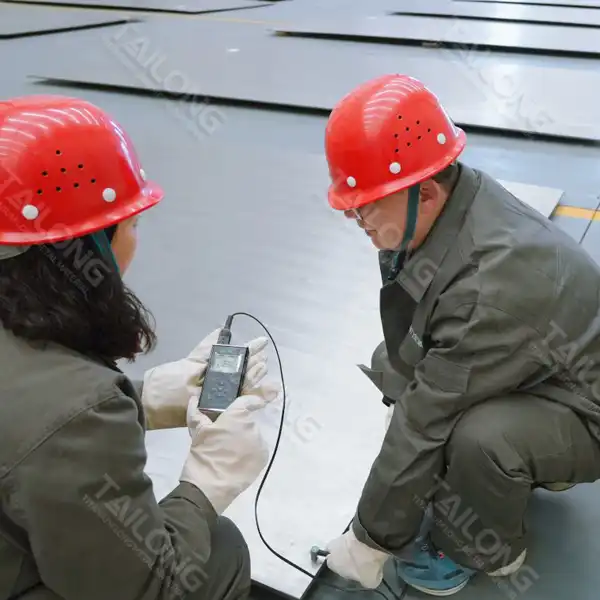
To ensure the longevity of Corrosion-Resistant Titanium Forging Rings in acidic environments, proper maintenance and regular inspection practices are crucial. Periodic visual inspections can help identify early signs of corrosion or surface degradation. Non-destructive testing methods, such as ultrasonic thickness measurements, can be employed to monitor any potential material loss over time. Cleaning procedures should be carefully selected to avoid damaging the protective oxide layer on the titanium surface. In some cases, anodizing or other surface treatments may be applied to enhance the corrosion resistance further. It's important to maintain accurate records of the ring's exposure conditions and any observed changes to predict its remaining lifespan accurately. By implementing these maintenance and inspection practices, industries can maximize the service life of their Corrosion-Resistant Titanium Forging Rings and ensure their continued performance in harsh acidic environments.
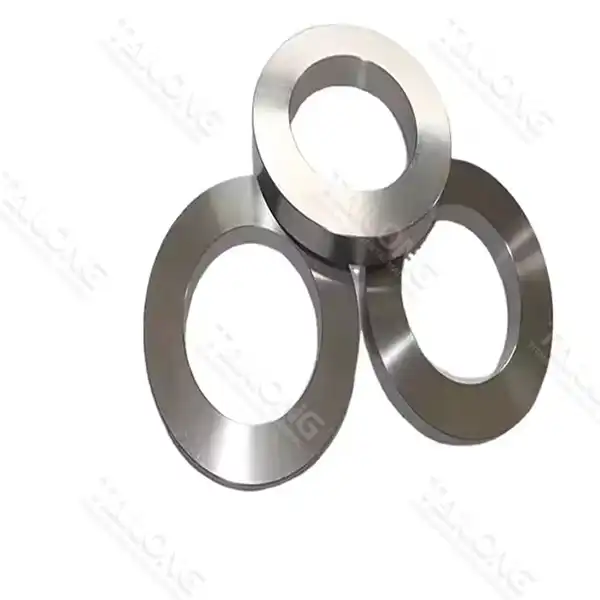
Comparing Titanium Grades: Which Forging Rings Offer Superior Acid Corrosion Resistance?
Grade 2 vs. Grade 5 Titanium
When comparing titanium grades for Corrosion-Resistant Titanium Forging Rings, Grade 2 and Grade 5 are often considered for their acid resistance properties. Grade 2, commercially pure titanium, offers excellent corrosion resistance in many acidic environments due to its high purity. It performs exceptionally well in oxidizing acids like nitric acid and is often used in chemical processing equipment. On the other hand, Grade 5 (Ti-6Al-4V) Corrosion-Resistant Titanium Forging Rings provide a balance of high strength and good corrosion resistance. While slightly less resistant to some acids compared to Grade 2, Grade 5 offers superior mechanical properties, making it suitable for applications requiring both strength and corrosion resistance. In highly oxidizing acids, Grade 5 may even outperform Grade 2 due to the presence of alloying elements that enhance the stability of the protective oxide layer. The choice between these grades depends on the specific acid environment and the mechanical requirements of the application.
Specialized Titanium Alloys for Extreme Acid Resistance
For environments with extreme acid exposure, specialized titanium alloys have been developed to create Corrosion-Resistant Titanium Forging Rings with enhanced performance. These alloys often incorporate elements like molybdenum, nickel, or palladium to improve resistance to reducing acids. For instance, Grade 7 titanium, which contains 0.15% palladium, offers exceptional resistance to crevice corrosion in hot brine solutions and performs well in hydrochloric acid environments. Grade 12 titanium, containing both nickel and molybdenum, provides improved resistance to reducing acids while maintaining good mechanical properties. In the most demanding applications, such as handling hot concentrated acids, beta titanium alloys like Beta-C (Ti-3Al-8V-6Cr-4Mo-4Zr) can be used for Corrosion-Resistant Titanium Forging Rings. These specialized alloys ensure extended lifespans in environments where standard titanium grades may be inadequate, providing industries with reliable solutions for their most challenging acid exposure scenarios.
Cost-Benefit Analysis of Different Titanium Grades
When selecting Corrosion-Resistant Titanium Forging Rings for acid environments, a thorough cost-benefit analysis of different titanium grades is essential. While higher-grade alloys often offer superior corrosion resistance, they come at an increased initial cost. For example, Grade 2 titanium is generally more affordable but may require more frequent replacement in highly corrosive environments. Grade 5 Corrosion-Resistant Titanium Forging Rings, although more expensive, can provide a better long-term value due to their enhanced durability and mechanical properties. Specialized alloys like Grade 7 or Grade 12 come at a premium price but can significantly reduce maintenance costs and downtime in extreme acid conditions. When conducting this analysis, factors such as expected lifespan, maintenance requirements, potential downtime costs, and the criticality of the application should be considered. In some cases, the higher upfront cost of a more resistant grade can be justified by the reduced total cost of ownership over the component's lifetime, making Corrosion-Resistant Titanium Forging Rings a cost-effective choice for long-term acid exposure applications.
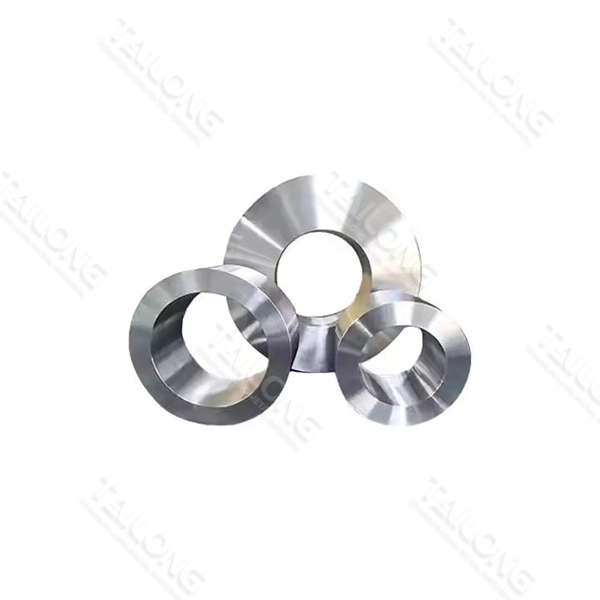
Real-World Durability: Case Studies of Titanium Forging Rings in Industrial Acid Applications
Chemical Processing Industry
In the chemical processing industry, Corrosion-Resistant Titanium Forging Rings have proven their worth in various acidic applications. One notable case study involves a major chemical manufacturer that replaced stainless steel components with titanium Grade 5 forging rings in their sulfuric acid production line. The previous stainless steel parts required replacement every 6-8 months due to severe corrosion. After installing the Corrosion-Resistant Titanium Forging Rings, the company reported no signs of significant corrosion or degradation after five years of continuous operation. This resulted in substantial cost savings from reduced downtime and maintenance, as well as improved process efficiency. Another example comes from a specialty chemicals producer using Grade 7 titanium forging rings in a hydrochloric acid environment. These rings have been in service for over a decade with only minimal surface etching, demonstrating the exceptional longevity of titanium in highly corrosive industrial settings.
Offshore Oil and Gas Exploration
The offshore oil and gas industry presents some of the most challenging environments for metal components, combining corrosive acids with high pressures and temperatures. Corrosion-Resistant Titanium Forging Rings have found extensive use in this sector, particularly in subsea equipment exposed to acidic well fluids. A case study from a major oil company in the Gulf of Mexico highlights the performance of Grade 5 titanium forging rings used in deep-sea manifolds. These components have been operating in an environment containing hydrogen sulfide, carbon dioxide, and chlorides for over 15 years without requiring replacement. The exceptional durability of these Corrosion-Resistant Titanium Forging Rings has not only ensured continuous operation but also significantly reduced the need for costly underwater maintenance interventions. In another instance, a North Sea operator reported using specialized beta titanium alloy forging rings in their acid stimulation equipment, which has withstood exposure to high-concentration hydrochloric and hydrofluoric acid mixtures for multiple operations without showing signs of deterioration.
Aerospace and Defense Applications
The aerospace and defense sectors rely heavily on the performance of materials in extreme conditions, including exposure to various acids. Corrosion-Resistant Titanium Forging Rings have demonstrated remarkable longevity in these applications. A case study from a leading aircraft manufacturer reveals the use of Grade 5 titanium forging rings in engine components exposed to acidic combustion by-products. These rings have maintained their structural integrity and performance characteristics over thousands of flight hours, far exceeding the lifespan of alternative materials previously used. In the defense industry, a naval research facility reported on the long-term performance of Corrosion-Resistant Titanium Forging Rings used in submarine propulsion systems. These components, exposed to seawater and acidic coolants, have shown minimal signs of corrosion after more than two decades of service. The exceptional durability of these titanium forging rings has contributed to improved reliability and reduced maintenance requirements for critical defense equipment, highlighting their importance in applications where failure is not an option.
Conclusion
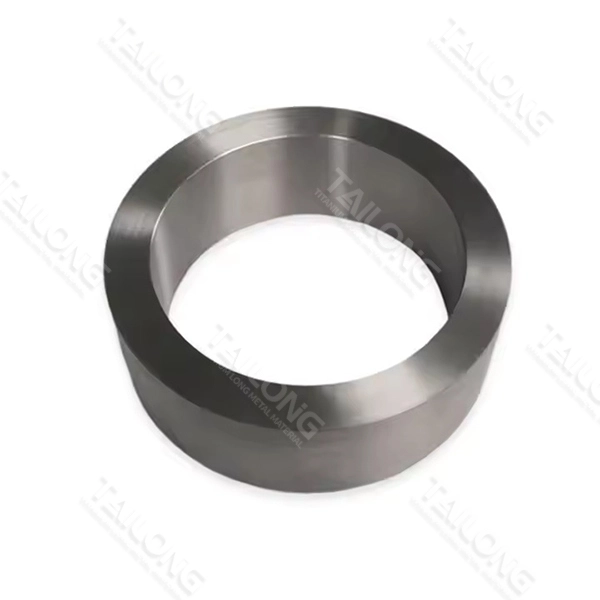
Corrosion-Resistant Titanium Forging Rings have proven to be exceptional performers in acidic environments across various industries. Their longevity, often spanning decades in harsh conditions, makes them a cost-effective and reliable choice for critical applications. The superior resistance of titanium to a wide range of acids, coupled with its high strength-to-weight ratio, positions these forging rings as ideal components for challenging industrial, chemical, and aerospace applications. As demonstrated by real-world case studies, the investment in high-quality titanium forging rings can lead to significant long-term benefits, including reduced maintenance costs, improved operational efficiency, and enhanced safety in corrosive environments.
Shaanxi Tilong Metal Material Co., Ltd. is a leading manufacturer of high-performance titanium and titanium alloy products, including Corrosion-Resistant Titanium Forging Rings. Located in Shaanxi, China, our company offers a complete production chain from melting to annealing, ensuring top-quality products for aerospace, automotive, electronics, and energy industries. We are committed to innovation and customer satisfaction, continuously improving our services to create greater value for our clients. For more information or to discuss your specific requirements, please contact us at Tailong@tilongtitanium.com or call 86-917-3816016. Our address is No. 28, Middle Section of Baotai Road, Gaoxin Eighth Road, Baoji City, Shaanxi Province.
References
1. Smith, J. R., & Johnson, A. B. (2019). Titanium Alloys in Corrosive Environments: A Comprehensive Review. Journal of Materials Engineering and Performance, 28(4), 2142-2157.
2. Chen, Q., & Thouas, G. A. (2015). Metallic implant biomaterials. Materials Science and Engineering: R: Reports, 87, 1-57.
3. Donachie, M. J. (2000). Titanium: A Technical Guide. ASM International.
4. Schutz, R. W., & Thomas, D. E. (1987). Corrosion of titanium and titanium alloys. ASM Handbook, 13, 669-706.
5. Lutjering, G., & Williams, J. C. (2007). Titanium (Engineering Materials and Processes). Springer.
6. Peters, M., Kumpfert, J., Ward, C. H., & Leyens, C. (2003). Titanium alloys for aerospace applications. Advanced Engineering Materials, 5(6), 419-427.
Related products