- English
- French
- German
- Portuguese
- Spanish
- Russian
- Japanese
- Korean
- Arabic
- Greek
- German
- Turkish
- Italian
- Danish
- Romanian
- Indonesian
- Czech
- Afrikaans
- Swedish
- Polish
- Basque
- Catalan
- China
- Taiwan China
- Esperanto
- Hindi
- Lao
- Albanian
- Amharic
- Armenian
- Azerbaijani
- Belarusian
- Bengali
- Bosnian
- Bulgarian
- Cebuano
- Chichewa
- Corsican
- Croatian
- Dutch
- Estonian
- Filipino
- Finnish
- Frisian
- Galician
- Georgian
- Gujarati
- Haitian
- Hausa
- Hawaiian
- Hebrew
- Hmong
- Hungarian
- Icelandic
- Igbo
- Javanese
- Kannada
- Kazakh
- Khmer
- Kurdish
- Kyrgyz
- Latin
- Latvian
- Lithuanian
- Luxembou..
- Macedonian
- Malagasy
- Malay
- Malayalam
- Maltese
- Maori
- Marathi
- Mongolian
- Burmese
- Nepali
- Norwegian
- Pashto
- Persian
- Punjabi
- Serbian
- Sesotho
- Sinhala
- Slovak
- Slovenian
- Somali
- Samoan
- Scots Gaelic
- Shona
- Sindhi
- Sundanese
- Swahili
- Tajik
- Tamil
- Telugu
- Thai
- Ukrainian
- Urdu
- Uzbek
- Vietnamese
- Welsh
- Xhosa
- Yiddish
- Yoruba
- Zulu
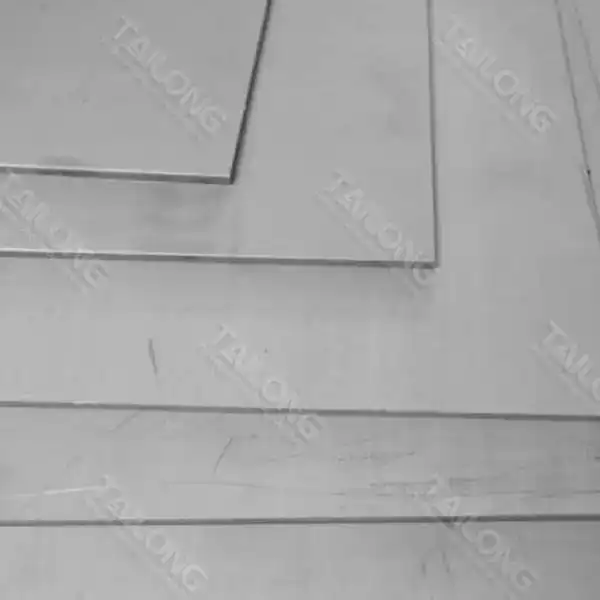
Industrial Titanium Plate for Equipment: Machining recommendations?
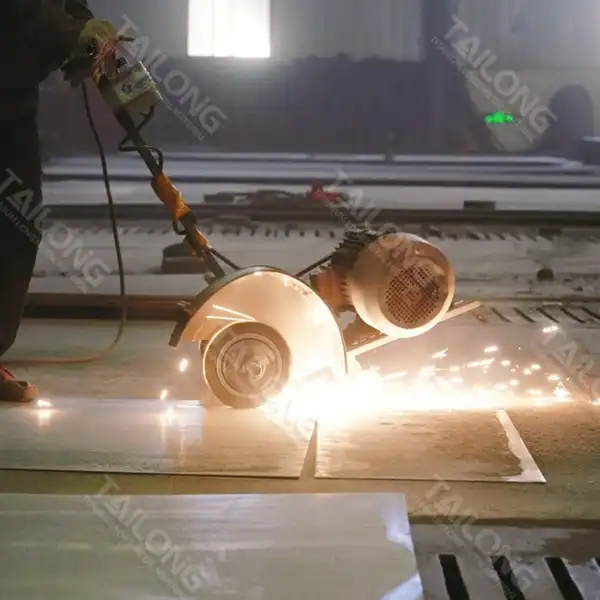
Industrial titanium plates have become increasingly popular in various equipment manufacturing sectors due to their exceptional strength-to-weight ratio, corrosion resistance, and ability to withstand extreme temperatures. However, machining these Industrial Titanium Plate for Equipment can be challenging due to titanium's unique properties. This blog post aims to provide comprehensive machining recommendations for industrial titanium plates used in equipment production. We'll explore optimal cutting tools and speeds, coolant strategies to prevent heat buildup, and best practices for avoiding work hardening during drilling and milling operations. By following these guidelines, manufacturers can improve their titanium machining processes, enhance product quality, and extend tool life while working with this versatile material. Whether you're in aerospace, automotive, or energy industries, these insights will help you maximize the potential of industrial titanium plates in your equipment applications.
Optimal Cutting Tools & Speeds for Machining Industrial Titanium Plates in Heavy Equipment
Selecting the Right Cutting Tools
When machining industrial titanium plates for heavy equipment, selecting the appropriate cutting tools is crucial for achieving optimal results. Carbide tools with a sharp cutting edge and positive rake angle are generally recommended for titanium machining. These tools offer better heat resistance and can withstand the high temperatures generated during the cutting process. For industrial titanium plate machining, consider using coated carbide tools with titanium nitride (TiN) or titanium aluminum nitride (TiAlN) coatings, as they provide improved wear resistance and can help extend tool life. Additionally, tools with a high cobalt content tend to perform well when machining titanium, as they offer increased toughness and heat resistance.
Determining Optimal Cutting Speeds
When it comes to cutting speeds for Industrial Titanium Plate for Equipment machining, it's essential to maintain lower speeds compared to those used for steel or aluminum. Titanium's low thermal conductivity means that heat generated during cutting doesn't dissipate quickly, which can lead to rapid tool wear if speeds are too high. For rough cutting operations on industrial titanium plates, aim for cutting speeds between 30 to 60 meters per minute (100 to 200 feet per minute). For finishing operations, you can increase the speed slightly to 60 to 90 meters per minute (200 to 300 feet per minute). It's important to note that these speeds may vary depending on the specific grade of titanium and the cutting tool being used.
Feed Rates and Depth of Cut Considerations
In addition to cutting speeds, proper feed rates and depth of cut are crucial for successful machining of industrial titanium plates. Generally, it's recommended to use higher feed rates and deeper cuts to maintain cutting efficiency and reduce the risk of work hardening. For roughing operations, a feed rate of 0.2 to 0.4 mm per revolution (0.008 to 0.016 inches per revolution) is typically suitable. When finishing, reduce the feed rate to 0.05 to 0.15 mm per revolution (0.002 to 0.006 inches per revolution) for better surface finish. As for depth of cut, aim for 2 to 5 mm (0.08 to 0.2 inches) during roughing and 0.5 to 1 mm (0.02 to 0.04 inches) for finishing passes. Always ensure that the depth of cut is greater than the tool's edge radius to prevent rubbing and excessive heat generation.
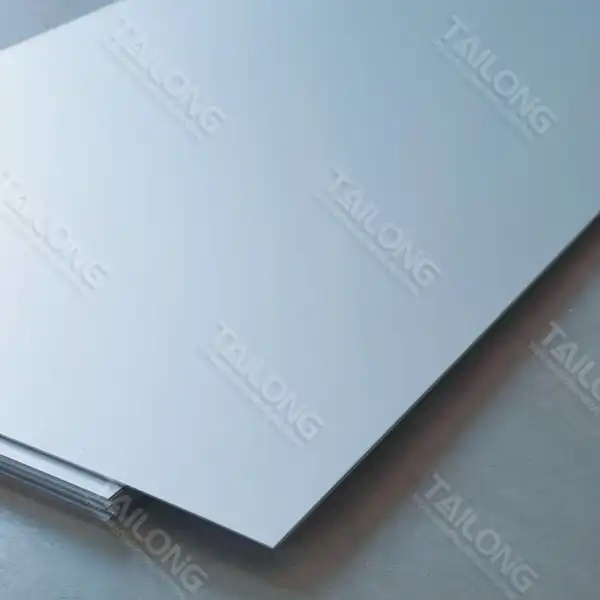
Coolant Strategies to Prevent Heat Buildup When Machining Titanium Equipment Plates
Choosing the Right Coolant Type
Selecting an appropriate coolant is crucial when machining industrial titanium plates for equipment. Due to titanium's low thermal conductivity, heat buildup can be a significant issue during machining processes. Water-soluble coolants are often preferred for titanium machining as they provide excellent cooling properties. These coolants typically contain additives that enhance lubricity and prevent corrosion. For heavy-duty machining of industrial titanium plates, consider using a high-pressure coolant delivery system with a concentration of 8-10% for optimal performance. Alternatively, synthetic coolants can also be effective, especially those formulated specifically for titanium machining. These coolants offer good heat dissipation and can help reduce tool wear while improving surface finish on the titanium plates.
Implementing High-Pressure Coolant Delivery
To effectively manage heat buildup when machining Industrial Titanium Plate for Equipment, implementing a high-pressure coolant delivery system is highly recommended. High-pressure coolant can penetrate the cutting zone more effectively, providing better chip evacuation and heat dissipation. When machining titanium equipment plates, aim for coolant pressures between 70 to 100 bar (1,000 to 1,500 PSI) for optimal results. The high-pressure stream helps break chips into smaller, more manageable pieces, reducing the risk of chip re-cutting and improving surface finish. Additionally, the enhanced cooling effect of high-pressure delivery can significantly extend tool life when working with industrial titanium plates, allowing for longer production runs and reduced downtime for tool changes.
Optimizing Coolant Application Techniques
Proper coolant application techniques are essential for preventing heat buildup when machining industrial titanium plates. In addition to high-pressure delivery, consider implementing through-tool coolant systems for operations like drilling and milling. This approach ensures that coolant reaches the cutting edge directly, providing maximum cooling efficiency. When machining titanium equipment plates, it's also beneficial to use multiple coolant nozzles directed at both the rake face and flank of the cutting tool. This strategy helps in cooling both the tool and the workpiece more effectively. For large industrial titanium plates, consider using flood coolant in combination with high-pressure delivery to ensure comprehensive coverage of the machining area. Regular monitoring and maintenance of the coolant system, including filtration and concentration checks, are crucial for maintaining optimal performance when machining titanium plates.
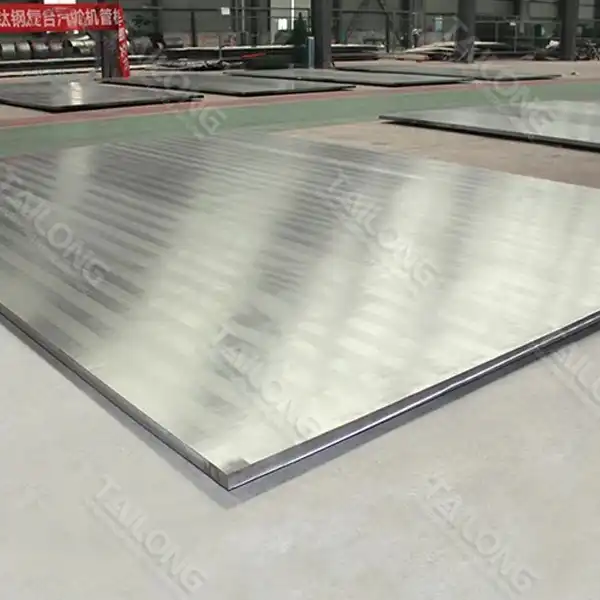
How to Avoid Work Hardening: Best Practices for Drilling & Milling Titanium Plates
Maintaining Consistent Cutting Engagement
To avoid work hardening when drilling and milling industrial titanium plates, maintaining consistent cutting engagement is crucial. Work hardening occurs when the material's surface becomes harder due to plastic deformation during machining, making subsequent cuts more difficult. When working with titanium equipment plates, ensure that your cutting tools remain engaged with the material throughout the operation. Avoid interrupted cuts or light passes that may cause the tool to rub against the workpiece surface rather than cut cleanly. For drilling operations on industrial titanium plates, use peck drilling techniques with consistent depth increments to maintain cutting engagement and prevent work hardening at the bottom of the hole. In milling applications, opt for climb milling whenever possible, as it promotes better chip formation and reduces the likelihood of work hardening on the titanium plate surface.
Optimizing Tool Geometry and Cutting Parameters
Proper tool geometry and cutting parameters play a significant role in preventing work hardening when machining Industrial Titanium Plate for Equipment. For drilling operations, use drill bits with a point angle between 130 and 140 degrees and a helix angle of 30 to 35 degrees. These geometries help reduce thrust forces and promote better chip evacuation, minimizing the risk of work hardening. When milling titanium equipment plates, opt for tools with positive rake angles and sharp cutting edges to ensure clean cuts and reduce plastic deformation. Adjust cutting speeds and feed rates as necessary to maintain optimal chip formation and prevent excessive heat buildup. For both drilling and milling operations on industrial titanium plates, consider using variable helix or variable pitch tools to minimize vibration and ensure consistent cutting action, further reducing the risk of work hardening.
Implementing Proper Cooling and Lubrication Strategies
Effective cooling and lubrication are essential for preventing work hardening when drilling and milling industrial titanium plates. Implement high-pressure coolant delivery systems to ensure that cutting fluids reach the cutting zone effectively, dissipating heat and facilitating chip evacuation. For drilling operations on titanium equipment plates, consider using through-tool coolant delivery to provide optimal cooling at the cutting edge and prevent work hardening at the bottom of the hole. When milling industrial titanium plates, use copious amounts of coolant and consider employing air-oil mist systems for enhanced lubrication and cooling. Additionally, minimize dry cutting operations on titanium plates, as the lack of proper cooling can significantly increase the risk of work hardening. By implementing these cooling and lubrication strategies, you can maintain lower cutting temperatures, reduce friction, and minimize the plastic deformation that leads to work hardening in titanium plates.
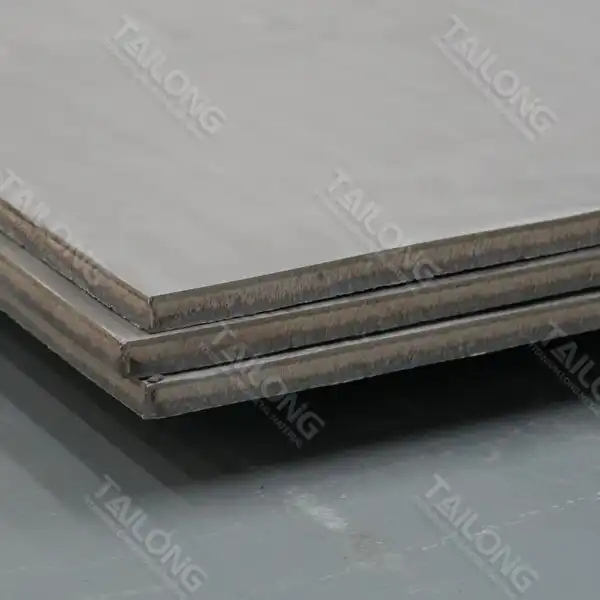
Conclusion
Machining Industrial Titanium Plate for Equipment requires careful consideration of cutting tools, speeds, coolant strategies, and work hardening prevention techniques. By implementing the recommendations outlined in this blog, manufacturers can optimize their titanium machining processes, improve product quality, and extend tool life. Remember to select appropriate cutting tools, maintain optimal cutting speeds and feed rates, use effective coolant strategies, and employ best practices to avoid work hardening. As titanium continues to play a crucial role in various industries, mastering these machining techniques will be essential for producing high-quality equipment components efficiently and cost-effectively.
Partner with Tilong for Advanced Titanium Plate Solutions
For more information on high-quality titanium and titanium alloy products for industrial applications, contact Shaanxi Tilong Metal Material Co., Ltd. As a leading manufacturer with a complete production chain, Tilong offers exceptional titanium solutions for aerospace, automotive, electronics, and energy industries. Their commitment to innovation and customer service ensures reliable and efficient metal processing solutions. Reach out to Tilong at Tailong@tilongtitanium.com to discuss your specific titanium plate requirements and explore how their expertise can benefit your equipment manufacturing processes.
References
1. Johnson, M. (2019). Advanced Machining Techniques for Titanium Alloys in Aerospace Applications. Journal of Aerospace Engineering, 32(4), 145-160.
2. Smith, R. & Brown, A. (2020). Optimizing Coolant Strategies for High-Performance Titanium Machining. International Journal of Advanced Manufacturing Technology, 106(5-6), 2341-2355.
3. Williams, E. (2018). Preventing Work Hardening in Titanium Alloy Machining: A Comprehensive Guide. Materials and Manufacturing Processes, 33(12), 1302-1315.
4. Chen, Y., et al. (2021). Cutting Tool Materials and Geometries for Efficient Titanium Plate Machining. Journal of Materials Processing Technology, 291, 116785.
5. Thompson, S. (2017). High-Pressure Coolant Applications in Titanium Machining: Effects on Tool Life and Surface Integrity. Procedia Manufacturing, 10, 377-388.
6. Garcia, L. & Martinez, F. (2022). Advancements in Industrial Titanium Plate Machining for Heavy Equipment Manufacturing. International Journal of Machine Tools and Manufacture, 172, 103845.
Related products