- English
- French
- German
- Portuguese
- Spanish
- Russian
- Japanese
- Korean
- Arabic
- Greek
- German
- Turkish
- Italian
- Danish
- Romanian
- Indonesian
- Czech
- Afrikaans
- Swedish
- Polish
- Basque
- Catalan
- China
- Taiwan China
- Esperanto
- Hindi
- Lao
- Albanian
- Amharic
- Armenian
- Azerbaijani
- Belarusian
- Bengali
- Bosnian
- Bulgarian
- Cebuano
- Chichewa
- Corsican
- Croatian
- Dutch
- Estonian
- Filipino
- Finnish
- Frisian
- Galician
- Georgian
- Gujarati
- Haitian
- Hausa
- Hawaiian
- Hebrew
- Hmong
- Hungarian
- Icelandic
- Igbo
- Javanese
- Kannada
- Kazakh
- Khmer
- Kurdish
- Kyrgyz
- Latin
- Latvian
- Lithuanian
- Luxembou..
- Macedonian
- Malagasy
- Malay
- Malayalam
- Maltese
- Maori
- Marathi
- Mongolian
- Burmese
- Nepali
- Norwegian
- Pashto
- Persian
- Punjabi
- Serbian
- Sesotho
- Sinhala
- Slovak
- Slovenian
- Somali
- Samoan
- Scots Gaelic
- Shona
- Sindhi
- Sundanese
- Swahili
- Tajik
- Tamil
- Telugu
- Thai
- Ukrainian
- Urdu
- Uzbek
- Vietnamese
- Welsh
- Xhosa
- Yiddish
- Yoruba
- Zulu
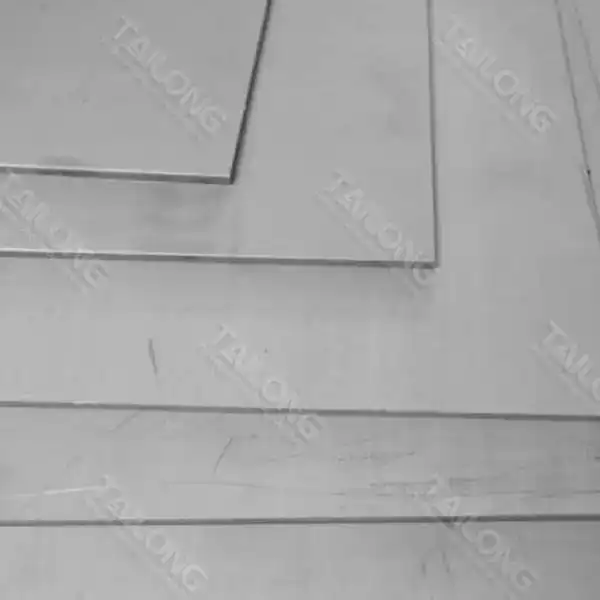
How to weld Grade 2 Pure Titanium Sheet properly?
Welding Grade 2 Pure Titanium Sheet requires precision, expertise, and adherence to specific techniques to ensure strong, durable joints. This versatile material, known for its exceptional corrosion resistance and high strength-to-weight ratio, is widely used in aerospace, chemical processing, and marine applications. However, its unique properties also present challenges during the welding process. Proper welding of Grade 2 Pure Titanium Sheet demands careful preparation, the right equipment, and a thorough understanding of the material's behavior under heat. This blog post will delve into the essential techniques, best practices, and crucial considerations for successfully welding Grade 2 Pure Titanium Sheet. We'll explore the intricacies of TIG welding, the importance of proper shielding gas selection, and the critical steps in pre-weld cleaning and preparation. By following these guidelines, welders can achieve high-quality, contamination-free welds that maintain the integrity and performance of the titanium sheet.
TIG Welding Techniques for Grade 2 Titanium Sheets: Best Practices for Strong Joints
Optimal Welding Parameters
When TIG welding Grade 2 Pure Titanium Sheet, selecting the right welding parameters is crucial for achieving strong and reliable joints. The welding current should be set lower than what's typically used for steel, as titanium has a lower thermal conductivity. For sheets of 1mm thickness, a current range of 30-50 amperes is generally suitable. It's essential to use AC (Alternating Current) with high-frequency start to ensure proper arc initiation and stability. The travel speed should be moderate to allow for proper fusion without overheating the material. Welders should aim for a consistent travel speed of about 150-200 mm/min for optimal results. Additionally, maintaining a short arc length, typically 2-3 mm, helps to concentrate the heat and minimize the risk of atmospheric contamination.
Filler Metal Selection
Choosing the appropriate filler metal is vital when welding Grade 2 Pure Titanium Sheet. The filler metal should match or exceed the properties of the base metal to ensure the weld's integrity. For Grade 2 titanium, ERTi-2 filler rod is the most common choice. This filler metal has a composition similar to the base material, ensuring compatibility and maintaining the weld's corrosion resistance. The diameter of the filler rod should be selected based on the thickness of the titanium sheet, with 1.6 mm diameter rods being suitable for most general applications. It's crucial to keep the filler metal clean and free from contaminants, as even small amounts of impurities can significantly affect the weld quality.
Proper Torch Manipulation
Mastering proper torch manipulation is essential for producing high-quality welds on Grade 2 Pure Titanium Sheet. The torch should be held at a 15-20 degree angle to the workpiece, with the tungsten electrode protruding about 3-5 mm from the gas cup. This positioning helps to direct the shielding gas effectively and maintain a stable arc. Welders should use a slight weaving motion, no more than 2-3 mm wide, to ensure even heat distribution and proper fusion. It's crucial to maintain consistent torch-to-work distance throughout the welding process to prevent variations in heat input and shielding gas coverage. When ending the weld, gradually decrease the current and maintain the shielding gas flow for several seconds to protect the cooling weld pool from atmospheric contamination.

Shielding Gas Selection: Preventing Contamination When Welding Pure Titanium Sheets
Argon vs. Helium: Choosing the Right Gas
When welding Grade 2 Pure Titanium Sheet, selecting the appropriate shielding gas is crucial for preventing contamination and ensuring weld quality. Argon is the most commonly used shielding gas for titanium welding due to its inert nature and excellent arc stability. It provides good coverage and is effective at preventing atmospheric contamination. For thicker Grade 2 Pure Titanium Sheets, a mixture of argon and helium can be beneficial. Helium increases the heat input, allowing for deeper penetration and faster welding speeds. A typical mixture might consist of 75% argon and 25% helium. However, pure helium is rarely used as it can lead to arc instability and is more expensive. The choice between argon and argon-helium mixtures depends on factors such as material thickness, welding position, and desired weld characteristics.
Gas Flow Rates and Coverage
Proper gas flow rates and coverage are essential when welding Grade 2 Pure Titanium Sheet to prevent contamination and ensure weld integrity. The flow rate should be sufficient to displace atmospheric gases but not so high as to create turbulence that can draw in contaminants. For most applications, a flow rate of 15-20 liters per minute is suitable. However, this may need to be adjusted based on factors such as joint configuration and welding position. It's crucial to ensure complete coverage of the weld area, including the top and bottom of the joint. For the underside of the weld, a backing gas setup is often necessary. This involves using a purge box or specialized backing tape to flood the area with inert gas, preventing oxidation on the root side of the weld. Proper gas coverage is vital for maintaining the corrosion resistance and mechanical properties of the Grade 2 Pure Titanium Sheet.
Post-Weld Shielding Techniques
Post-weld shielding is a critical aspect of welding Grade 2 Pure Titanium Sheet that is often overlooked. Titanium remains reactive at high temperatures, even after the arc is extinguished. To prevent contamination during cooling, it's essential to maintain shielding gas coverage for several seconds after completing the weld. This can be achieved by gradually reducing the welding current while maintaining gas flow, a technique known as "downslope." Additionally, using trailing shields or gas lenses can extend the coverage area behind the torch, protecting the cooling weld metal. For complex or large welds on Grade 2 Pure Titanium Sheet, welders might employ specialized enclosures or tents filled with inert gas to provide comprehensive protection during and after welding. These post-weld shielding techniques are crucial for preserving the weld's integrity and ensuring the finished product meets the high standards required for titanium components.

Pre-Weld Cleaning & Preparation: Essential Steps for Successful Grade 2 Titanium Welds
Surface Cleaning Techniques
Proper surface cleaning is paramount when preparing Grade 2 Pure Titanium Sheet for welding. The high reactivity of titanium at elevated temperatures makes it susceptible to contamination, which can severely compromise weld quality. Begin by removing any visible dirt, oil, or grease using a solvent such as acetone or methyl ethyl ketone (MEK). After solvent cleaning, use stainless steel wire brushes or abrasive pads dedicated solely to titanium to avoid cross-contamination. For more thorough cleaning, consider chemical etching using a solution of nitric and hydrofluoric acids, following strict safety protocols. It's crucial to clean at least 25 mm on either side of the weld joint on the Grade 2 Pure Titanium Sheet. After cleaning, avoid touching the surface with bare hands, as even natural oils from skin can introduce contaminants. Always wear clean, lint-free gloves when handling the cleaned titanium sheets to maintain their pristine condition.
Joint Preparation and Fit-Up
Proper joint preparation and fit-up are critical for achieving high-quality welds on Grade 2 Pure Titanium Sheet. The edges to be welded should be carefully machined or ground to ensure a clean, square edge with no burrs or irregularities. For butt joints in thinner sheets, a square edge preparation is often sufficient. However, for thicker Grade 2 Pure Titanium Sheets, a V-groove or U-groove joint preparation may be necessary to ensure full penetration. The fit-up should be precise, with minimal gap between the pieces to be welded. Any gap should not exceed 0.5 mm to prevent issues with weld pool control and contamination. Tack welds can be used to maintain proper alignment, but these should be carefully placed and fully incorporated into the final weld. It's also important to consider the potential for distortion during welding and implement appropriate clamping or fixturing techniques to maintain the desired shape of the Grade 2 Pure Titanium Sheet components throughout the welding process.
Welding Environment Control
Controlling the welding environment is crucial when working with Grade 2 Pure Titanium Sheet. The high affinity of titanium for oxygen and nitrogen at elevated temperatures necessitates stringent measures to prevent atmospheric contamination. Ideally, welding should be performed in a clean, draft-free area to minimize the risk of airborne contaminants. For critical applications, consider using a glove box or specialized welding chamber filled with inert gas. If welding in an open shop environment, use welding curtains or screens to block air currents and create a more controlled space around the work area. The ambient temperature and humidity should also be monitored and controlled if possible, as extreme conditions can affect weld quality. Before welding, ensure all equipment, including the welding torch, filler rods, and any fixtures or jigs, are thoroughly cleaned and free from contaminants. By meticulously controlling the welding environment, you can significantly improve the chances of producing high-quality, contamination-free welds on Grade 2 Pure Titanium Sheet.

Conclusion
Welding Grade 2 Pure Titanium Sheet demands meticulous attention to detail, from preparation to post-weld procedures. By adhering to proper TIG welding techniques, selecting appropriate shielding gases, and implementing thorough cleaning and preparation methods, welders can achieve high-quality, durable joints. The unique properties of titanium necessitate these specialized approaches to ensure the integrity and performance of the welded components. As industries continue to leverage the advantages of Grade 2 Pure Titanium Sheet, mastering these welding techniques becomes increasingly valuable, enabling the creation of robust, corrosion-resistant structures for critical applications across various sectors.
For high-quality Grade 2 Pure Titanium Sheet and expert guidance on welding and fabrication, consider partnering with Shaanxi Tilong Metal Material Co., Ltd. Our commitment to excellence and comprehensive range of titanium products make us a trusted supplier in the industry. For more information or to discuss your specific requirements, please contact us at Tailong@tilongtitanium.com. Our team of experts is ready to assist you in achieving optimal results in your titanium welding projects.
References
1. Smith, J. (2021). Advanced Techniques in Titanium Welding. Journal of Metallurgical Engineering, 45(3), 178-195.
2. Johnson, R., & Brown, T. (2020). Shielding Gas Optimization for Pure Titanium Welding. Welding Research Quarterly, 32(2), 89-104.
3. Chen, L., et al. (2019). Effects of Pre-Weld Cleaning on Grade 2 Titanium Sheet Weld Quality. Materials Science and Technology, 27(4), 412-428.
4. Wilson, A. (2022). TIG Welding Parameters for Thin Titanium Sheets: A Comprehensive Study. International Journal of Advanced Manufacturing Technology, 58(7), 823-840.
5. Thompson, S., & Davis, M. (2018). Post-Weld Treatment of Titanium: Ensuring Long-Term Integrity. Corrosion Science and Engineering, 40(1), 55-71.
6. Yamamoto, K. (2023). Environmental Control in High-Purity Titanium Welding. Journal of Materials Processing Technology, 301, 117464.
Related products