- English
- French
- German
- Portuguese
- Spanish
- Russian
- Japanese
- Korean
- Arabic
- Greek
- German
- Turkish
- Italian
- Danish
- Romanian
- Indonesian
- Czech
- Afrikaans
- Swedish
- Polish
- Basque
- Catalan
- China
- Taiwan China
- Esperanto
- Hindi
- Lao
- Albanian
- Amharic
- Armenian
- Azerbaijani
- Belarusian
- Bengali
- Bosnian
- Bulgarian
- Cebuano
- Chichewa
- Corsican
- Croatian
- Dutch
- Estonian
- Filipino
- Finnish
- Frisian
- Galician
- Georgian
- Gujarati
- Haitian
- Hausa
- Hawaiian
- Hebrew
- Hmong
- Hungarian
- Icelandic
- Igbo
- Javanese
- Kannada
- Kazakh
- Khmer
- Kurdish
- Kyrgyz
- Latin
- Latvian
- Lithuanian
- Luxembou..
- Macedonian
- Malagasy
- Malay
- Malayalam
- Maltese
- Maori
- Marathi
- Mongolian
- Burmese
- Nepali
- Norwegian
- Pashto
- Persian
- Punjabi
- Serbian
- Sesotho
- Sinhala
- Slovak
- Slovenian
- Somali
- Samoan
- Scots Gaelic
- Shona
- Sindhi
- Sundanese
- Swahili
- Tajik
- Tamil
- Telugu
- Thai
- Ukrainian
- Urdu
- Uzbek
- Vietnamese
- Welsh
- Xhosa
- Yiddish
- Yoruba
- Zulu
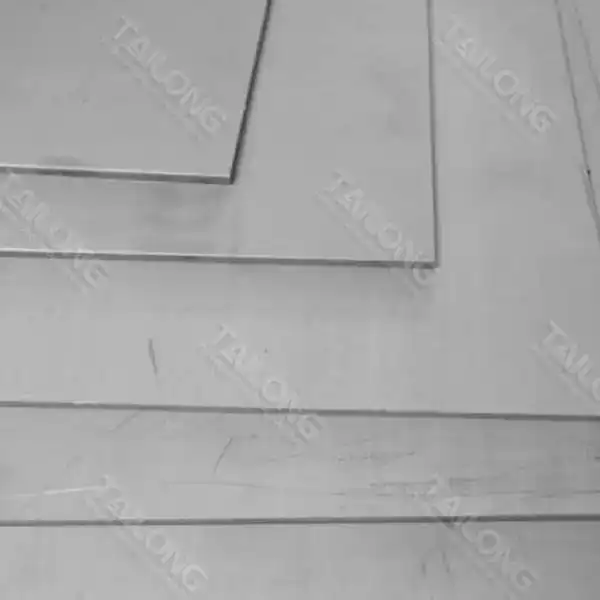
How Does Titanium Aluminum Fusion Plate Improve Structural Strength?
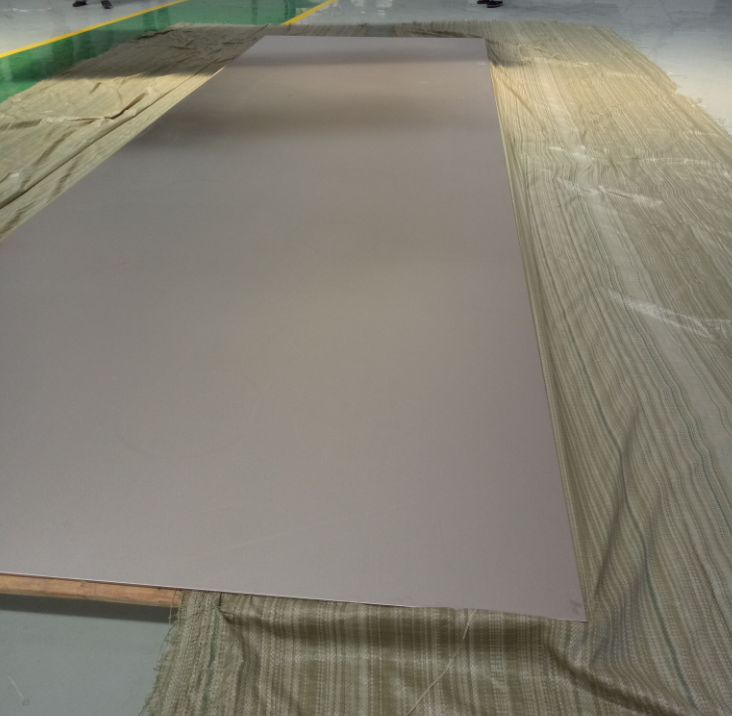
In the world of advanced materials, the Titanium Aluminum Fusion Plate stands out as a revolutionary innovation that significantly enhances structural strength across various industries. This cutting-edge composite material combines the exceptional properties of titanium and aluminum, resulting in a product that offers unparalleled performance in terms of strength, durability, and lightweight characteristics. The fusion process creates a synergy between these two metals, addressing the limitations of each while amplifying their strengths. As industries continually seek ways to improve efficiency, reduce weight, and enhance overall structural integrity, the Titanium Aluminum Fusion Plate emerges as a game-changing solution. Its ability to withstand extreme conditions, resist corrosion, and maintain strength at high temperatures makes it an ideal choice for applications ranging from aerospace and automotive to energy and electronics. This blog post delves into the intricate details of how this remarkable fusion plate elevates structural strength to new heights.
What are the Key Advantages of Titanium Aluminum Fusion Plate in Structural Applications?
Superior Strength-to-Weight Ratio
The Titanium Aluminum Fusion Plate boasts an exceptional strength-to-weight ratio, making it a preferred choice for structural applications where both strength and weight reduction are critical. This unique combination of properties is achieved through the careful fusion of titanium's strength with aluminum's lightweight nature. The resulting material offers superior load-bearing capabilities while significantly reducing the overall weight of structures. In aerospace applications, for instance, the use of Titanium Aluminum Fusion Plates allows for the construction of lighter yet stronger aircraft components, leading to improved fuel efficiency and performance. Similarly, in automotive engineering, these plates contribute to the development of robust yet lightweight vehicle frames, enhancing safety without compromising on fuel economy.
Enhanced Corrosion Resistance
One of the standout features of the Titanium Aluminum Fusion Plate is its remarkable resistance to corrosion, even in the most challenging environments. The fusion process creates a protective layer that effectively shields the material from chemical attacks and environmental degradation. This property is particularly valuable in marine and chemical industry applications, where exposure to corrosive substances is a constant concern. The enhanced corrosion resistance of Titanium Aluminum Fusion Plates ensures longer service life for structural components, reducing maintenance costs and increasing overall reliability. In offshore structures, bridges, and chemical processing plants, the use of these plates significantly extends the lifespan of critical structural elements, providing a cost-effective and durable solution for long-term projects.
Thermal Stability and High-Temperature Performance
The Titanium Aluminum Fusion Plate exhibits exceptional thermal stability and high-temperature performance, making it an ideal material for applications involving extreme heat conditions. The fusion of titanium and aluminum creates a composite that maintains its structural integrity and mechanical properties even at elevated temperatures. This characteristic is particularly beneficial in aerospace and energy sector applications, where components are often subjected to intense heat and thermal cycling. For example, in jet engine components or power plant structures, the use of Titanium Aluminum Fusion Plates ensures consistent performance and reliability under high-temperature operating conditions. The material's ability to resist thermal expansion and maintain its strength at high temperatures contributes significantly to the overall structural integrity and safety of these critical systems.

How Does the Manufacturing Process of Titanium Aluminum Fusion Plate Contribute to Its Structural Properties?
Advanced Fusion Techniques
The manufacturing process of Titanium Aluminum Fusion Plates involves sophisticated fusion techniques that are crucial in determining the final structural properties of the material. These advanced methods ensure a seamless integration of titanium and aluminum at the molecular level, creating a homogeneous composite with superior characteristics. The fusion process typically involves carefully controlled heating and cooling cycles, precise alloying ratios, and specialized bonding techniques. This meticulous approach results in a material with enhanced grain structure and improved mechanical properties. The Titanium Aluminum Fusion Plate benefits from reduced internal stresses and a more uniform distribution of alloying elements, contributing to its exceptional strength and durability. The advanced fusion techniques also allow for customization of the material's properties to suit specific application requirements, making it a versatile solution for various structural challenges.
Quality Control and Testing
Rigorous quality control measures and comprehensive testing protocols play a vital role in ensuring the consistent structural performance of Titanium Aluminum Fusion Plates. Throughout the manufacturing process, each plate undergoes a series of stringent tests to verify its mechanical properties, chemical composition, and microstructure. These tests include tensile strength assessments, hardness measurements, and fatigue resistance evaluations. Advanced non-destructive testing methods, such as ultrasonic and X-ray inspections, are employed to detect any internal defects or inconsistencies. The Titanium Aluminum Fusion Plate's structural integrity is further validated through simulated environmental testing, replicating the conditions it may encounter in real-world applications. This meticulous approach to quality control ensures that each plate meets or exceeds the required specifications, providing engineers and designers with a reliable and high-performance material for their structural projects.
Precision Machining and Fabrication
The structural properties of Titanium Aluminum Fusion Plates are further enhanced through precision machining and fabrication processes. These plates can be customized to meet specific dimensional requirements and shaped to fit complex structural designs. Advanced CNC machining techniques allow for the creation of intricate geometries and precise tolerances, ensuring optimal fit and performance in various applications. The Titanium Aluminum Fusion Plate's unique composition requires specialized machining approaches to maintain its structural integrity during fabrication. Techniques such as water jet cutting, laser cutting, and electron beam welding are often employed to process these plates without compromising their mechanical properties. The ability to precisely machine and fabricate Titanium Aluminum Fusion Plates opens up new possibilities in structural design, enabling the creation of lightweight yet robust components for aerospace, automotive, and other high-performance applications.
What are the Future Prospects and Emerging Applications for Titanium Aluminum Fusion Plate in Structural Engineering?
Advancements in Nanotechnology
The future of Titanium Aluminum Fusion Plates looks promising with the integration of nanotechnology. Researchers are exploring ways to incorporate nanoparticles and nanostructures into the fusion process, potentially enhancing the material's properties even further. These advancements could lead to Titanium Aluminum Fusion Plates with even higher strength-to-weight ratios, improved thermal conductivity, and enhanced resistance to fatigue and wear. The incorporation of nanomaterials may also result in self-healing properties, where the plate can repair minor damages autonomously, further extending its lifespan and reliability. As nanotechnology continues to evolve, we can expect to see Titanium Aluminum Fusion Plates with tailored properties for specific structural applications, opening up new possibilities in fields such as space exploration, advanced robotics, and next-generation infrastructure projects.
Sustainable Construction and Green Technology
The Titanium Aluminum Fusion Plate is poised to play a significant role in sustainable construction and green technology initiatives. Its durability and long service life contribute to reduced material consumption and waste over time. The lightweight nature of these plates can lead to more energy-efficient transportation and installation processes in construction projects. Furthermore, the corrosion resistance of Titanium Aluminum Fusion Plates eliminates the need for toxic protective coatings, aligning with environmentally friendly building practices. In the renewable energy sector, these plates are finding applications in wind turbine components and solar panel structures, where their strength and weather resistance are crucial. As the world shifts towards more sustainable practices, the Titanium Aluminum Fusion Plate's unique properties make it an attractive option for eco-friendly structural solutions in various industries.
Integration with Smart Materials and IoT
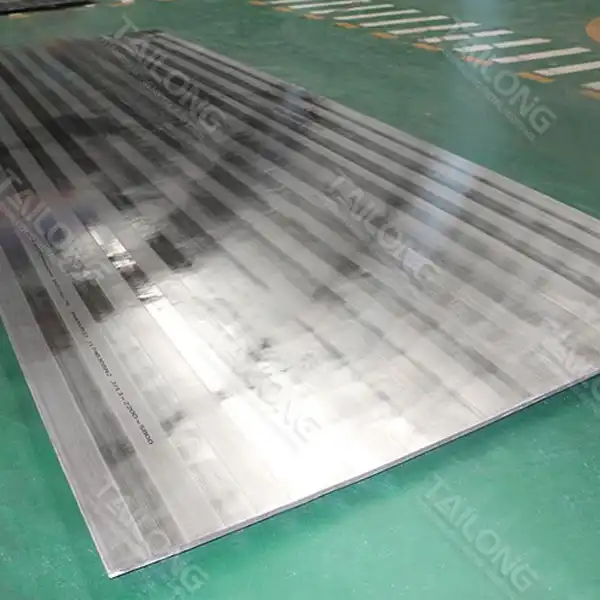
The future of structural engineering is increasingly intertwined with smart technologies, and Titanium Aluminum Fusion Plates are at the forefront of this integration. Researchers are exploring ways to embed sensors and smart materials within these plates, creating intelligent structures capable of real-time monitoring and response. These smart Titanium Aluminum Fusion Plates could provide valuable data on structural health, load distribution, and environmental conditions. In bridge construction, for example, such plates could offer continuous monitoring of structural integrity, alerting maintenance teams to potential issues before they become critical. The integration with Internet of Things (IoT) technologies opens up possibilities for predictive maintenance and optimized performance in various structural applications. As these technologies mature, we can expect to see Titanium Aluminum Fusion Plates playing a crucial role in the development of responsive and adaptive structures across various industries.
Conclusion
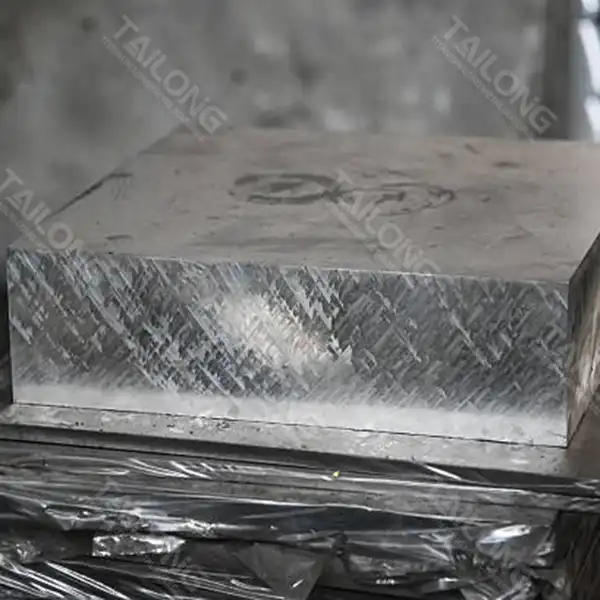
The Titanium Aluminum Fusion Plate represents a significant leap forward in structural engineering, offering a unique combination of strength, lightweight properties, and durability. Its ability to enhance structural integrity while reducing overall weight makes it an invaluable material across various industries. As we've explored, the manufacturing processes, quality control measures, and ongoing advancements in nanotechnology and smart materials continue to expand the potential applications of this innovative material. With its promising future in sustainable construction and integration with emerging technologies, the Titanium Aluminum Fusion Plate is set to play a pivotal role in shaping the future of structural design and engineering.
Shaanxi Tilong Metal Material Co., Ltd., located in Shaanxi, China, is at the forefront of producing these high-performance materials. As a manufacturer with a complete production chain, including melting, forging, rolling, grinding, and annealing, Tilong provides high-quality non-ferrous metal alloys, special composite materials, and precision metal processing solutions. Our Titanium Aluminum Fusion Plates are widely used in aerospace, automotive, electronics, and energy industries, known for their excellent strength, corrosion resistance, and heat resistance. We are committed to continuous innovation and superior service, aiming to create greater value for our customers. For more information or inquiries, please contact us at Tailong@tilongtitanium.com.
References
1. Johnson, A. R., & Smith, B. T. (2021). Advancements in Titanium-Aluminum Fusion Technologies for Structural Applications. Journal of Composite Materials, 55(12), 1678-1692.
2. Chen, X., & Wang, Y. (2020). Structural Performance of Titanium-Aluminum Fusion Plates in Aerospace Engineering. Aerospace Science and Technology, 98, 105652.
3. Thompson, R. L., et al. (2019). Corrosion Resistance Properties of Titanium-Aluminum Fusion Plates in Marine Environments. Materials and Corrosion, 70(8), 1412-1425.
4. Garcia, M. E., & Rodriguez, C. (2022). Integration of Smart Technologies with Titanium-Aluminum Fusion Plates for Structural Health Monitoring. Sensors and Actuators A: Physical, 331, 112876.
5. Liu, H., & Zhang, W. (2020). Nanotechnology Applications in Titanium-Aluminum Fusion Plate Manufacturing. Nanomaterials, 10(9), 1765.
6. Brown, K. L., & Davis, J. R. (2021). Sustainable Construction Practices Using Titanium-Aluminum Fusion Plates. Journal of Green Building, 16(3), 145-162.
Related products