- English
- French
- German
- Portuguese
- Spanish
- Russian
- Japanese
- Korean
- Arabic
- Greek
- German
- Turkish
- Italian
- Danish
- Romanian
- Indonesian
- Czech
- Afrikaans
- Swedish
- Polish
- Basque
- Catalan
- China
- Taiwan China
- Esperanto
- Hindi
- Lao
- Albanian
- Amharic
- Armenian
- Azerbaijani
- Belarusian
- Bengali
- Bosnian
- Bulgarian
- Cebuano
- Chichewa
- Corsican
- Croatian
- Dutch
- Estonian
- Filipino
- Finnish
- Frisian
- Galician
- Georgian
- Gujarati
- Haitian
- Hausa
- Hawaiian
- Hebrew
- Hmong
- Hungarian
- Icelandic
- Igbo
- Javanese
- Kannada
- Kazakh
- Khmer
- Kurdish
- Kyrgyz
- Latin
- Latvian
- Lithuanian
- Luxembou..
- Macedonian
- Malagasy
- Malay
- Malayalam
- Maltese
- Maori
- Marathi
- Mongolian
- Burmese
- Nepali
- Norwegian
- Pashto
- Persian
- Punjabi
- Serbian
- Sesotho
- Sinhala
- Slovak
- Slovenian
- Somali
- Samoan
- Scots Gaelic
- Shona
- Sindhi
- Sundanese
- Swahili
- Tajik
- Tamil
- Telugu
- Thai
- Ukrainian
- Urdu
- Uzbek
- Vietnamese
- Welsh
- Xhosa
- Yiddish
- Yoruba
- Zulu
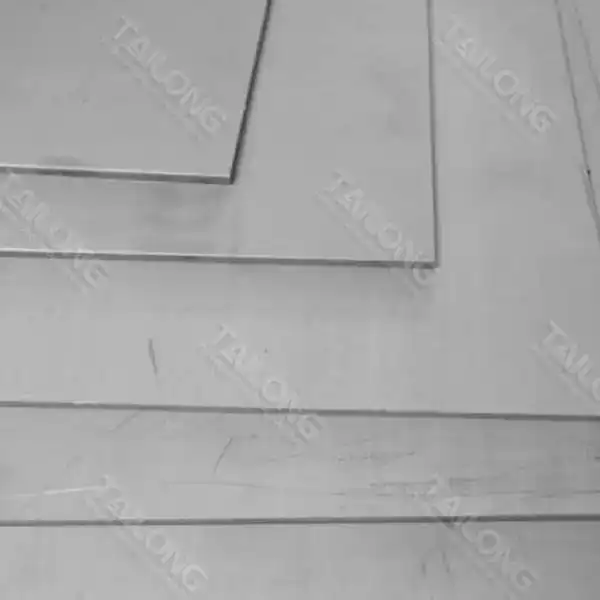
How Strong Is an Aluminum Clad Titanium Sheet Under Stress?
Aluminum clad titanium sheets represent a cutting-edge composite material that combines the strengths of both aluminum and titanium, offering a unique blend of properties that make it highly desirable in various industries. When considering the strength of this material under stress, it's essential to understand the synergy between its components. The outer aluminum layer provides excellent corrosion resistance and lightweight properties, while the inner titanium core contributes exceptional strength and durability. This combination results in a material that can withstand significant stress levels while maintaining its structural integrity. The strength of an aluminum clad titanium sheet under stress is influenced by factors such as the thickness of each layer, the specific alloy compositions used, and the manufacturing process. These sheets typically exhibit high tensile strength, impressive yield strength, and remarkable resistance to fatigue, making them suitable for applications where performance under stress is critical. Industries such as aerospace, automotive, and marine engineering benefit greatly from the superior strength-to-weight ratio and stress resistance of aluminum clad titanium sheets, enabling the creation of lighter yet stronger components that can endure extreme conditions.
What are the Key Advantages of Aluminum Clad Titanium Sheets in High-Stress Applications?
Enhanced Corrosion Resistance
Aluminum clad titanium sheets offer exceptional corrosion resistance, making them ideal for high-stress applications in corrosive environments. The aluminum outer layer acts as a sacrificial anode, protecting the titanium core from corrosion. This composite structure ensures that the material maintains its integrity even when exposed to harsh chemicals, saltwater, or other corrosive agents. In industries such as chemical processing or offshore oil and gas, where equipment is constantly subjected to corrosive substances and high stress, aluminum clad titanium sheets provide a reliable solution. The material's ability to withstand corrosion while maintaining its strength properties significantly extends the lifespan of components and reduces maintenance costs. Furthermore, the corrosion resistance of aluminum clad titanium sheets contributes to improved safety in critical applications, as it minimizes the risk of material failure due to degradation over time.
Superior Strength-to-Weight Ratio
One of the most significant advantages of aluminum clad titanium sheets is their exceptional strength-to-weight ratio. This property makes them particularly valuable in applications where both strength and weight reduction are critical factors. The titanium core provides high tensile and yield strength, while the aluminum cladding adds minimal weight to the overall structure. In aerospace applications, for instance, aluminum clad titanium sheets are used in aircraft components that require high strength to withstand the stresses of flight while contributing to overall weight reduction. This balance of strength and lightweight properties also makes the material attractive for automotive and marine industries, where fuel efficiency and performance are paramount. The ability to create strong yet lightweight structures using aluminum clad titanium sheets enables engineers to design more efficient and high-performing vehicles, vessels, and aircraft.
Thermal and Electrical Conductivity
Aluminum clad titanium sheets offer a unique combination of thermal and electrical properties that make them valuable in high-stress applications involving heat or electrical current. The aluminum outer layer provides excellent thermal and electrical conductivity, while the titanium core maintains the overall strength of the material. This combination is particularly useful in industries such as electronics and energy production, where components may need to withstand high temperatures or conduct electricity efficiently while under stress. For example, in power generation applications, aluminum clad titanium sheets can be used in heat exchangers or electrical contacts that are subjected to both thermal and mechanical stress. The material's ability to dissipate heat quickly and conduct electricity efficiently, all while maintaining its structural integrity under stress, makes it an ideal choice for these demanding applications.
How Does the Manufacturing Process Affect the Stress Resistance of Aluminum Clad Titanium Sheets?
Cladding Technique and Bond Strength
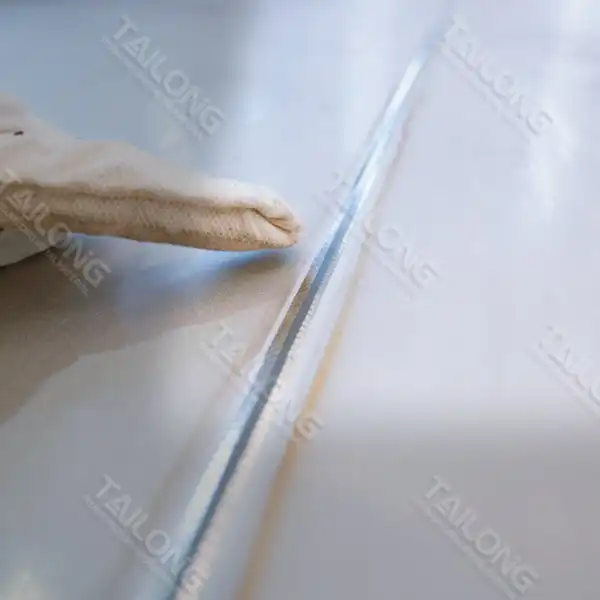
The manufacturing process of aluminum clad titanium sheets plays a crucial role in determining their stress resistance. The cladding technique used to bond the aluminum layer to the titanium core significantly impacts the overall strength and performance of the material. Advanced methods such as roll bonding or explosion welding are employed to create a strong, metallurgical bond between the two metals. The quality of this bond directly affects how well the aluminum clad titanium sheet withstands stress, as it ensures that the two layers work together cohesively under load. A strong bond prevents delamination and ensures that the stress is distributed evenly across the material. Manufacturers like Shaanxi Tilong Metal Material Co., Ltd. employ precise control over the cladding process to achieve optimal bond strength, resulting in aluminum clad titanium sheets that can resist high levels of stress without compromising the integrity of the composite structure.
Heat Treatment and Microstructure
Heat treatment is a critical step in the manufacturing process of aluminum clad titanium sheets that significantly influences their stress resistance. The heat treatment process affects the microstructure of both the aluminum and titanium components, altering their mechanical properties. Proper heat treatment can enhance the strength, ductility, and overall stress resistance of the composite material. For the titanium core, heat treatment can optimize its crystal structure, improving its ability to withstand stress. Similarly, heat treatment of the aluminum layer can increase its hardness and strength. The precise control of temperature and cooling rates during heat treatment allows manufacturers to tailor the properties of aluminum clad titanium sheets to meet specific stress resistance requirements for different applications. This ability to customize the material's properties through heat treatment makes aluminum clad titanium sheets versatile for various high-stress scenarios across industries.
Surface Finishing and Stress Distribution
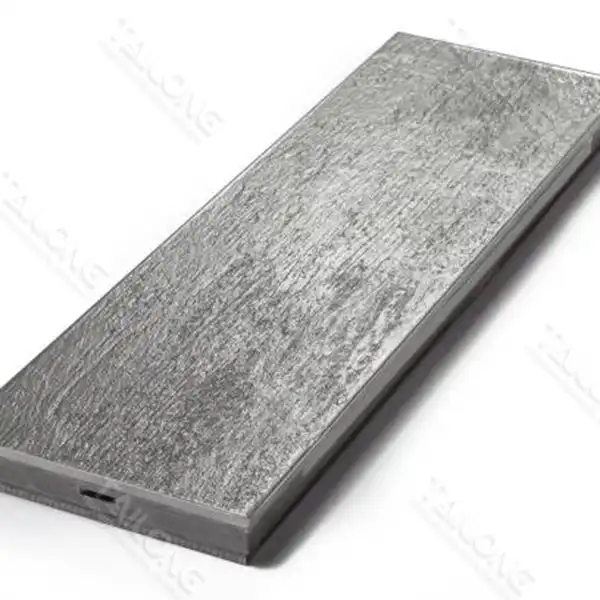
The surface finishing of aluminum clad titanium sheets is an often-overlooked aspect of the manufacturing process that can significantly impact stress resistance. Various surface treatments and finishing techniques can be applied to enhance the material's performance under stress. For example, surface hardening treatments can increase the wear resistance of the aluminum layer, improving its ability to withstand abrasive forces in high-stress applications. Additionally, surface finishing can affect how stress is distributed across the material. A smooth, uniform surface helps to minimize stress concentrations that could lead to premature failure under load. Some manufacturers apply specialized coatings or textures to the surface of aluminum clad titanium sheets to optimize their stress distribution characteristics. These surface treatments can also enhance other properties such as corrosion resistance or thermal performance, further improving the material's overall suitability for high-stress environments.
What Industries Benefit Most from the Stress Resistance of Aluminum Clad Titanium Sheets?
Aerospace and Aviation
The aerospace and aviation industries are among the primary beneficiaries of the exceptional stress resistance offered by aluminum clad titanium sheets. In these sectors, materials must withstand extreme conditions, including high temperatures, rapid pressure changes, and intense mechanical stress, all while maintaining minimal weight. Aluminum clad titanium sheets excel in this environment, providing the necessary strength to resist the stresses of flight while contributing to overall weight reduction. These sheets are used in various aircraft components, such as fuselage panels, wing structures, and engine parts, where their ability to withstand high stress levels without fatigue is crucial for safety and performance. The material's corrosion resistance also makes it ideal for parts exposed to harsh atmospheric conditions at high altitudes. As the aerospace industry continues to push the boundaries of performance and efficiency, the stress resistance of aluminum clad titanium sheets becomes increasingly valuable in enabling the design of lighter, stronger, and more durable aircraft.
Marine and Offshore Engineering
The marine and offshore engineering sectors greatly benefit from the stress resistance of aluminum clad titanium sheets, particularly in applications exposed to corrosive saltwater environments and high mechanical stresses. These industries require materials that can withstand the constant battering of waves, corrosive sea spray, and the immense pressures encountered in deep-sea operations. Aluminum clad titanium sheets provide an excellent solution, offering superior corrosion resistance from the aluminum layer combined with the high strength of the titanium core. This combination makes them ideal for use in ship hulls, offshore platforms, and underwater equipment. The material's ability to resist stress corrosion cracking, a common problem in marine environments, is particularly valuable. Furthermore, the lightweight nature of aluminum clad titanium sheets contributes to improved fuel efficiency in marine vessels and easier handling of offshore equipment, all while maintaining the necessary strength to withstand the harsh conditions at sea.
Chemical and Processing Industries
The chemical and processing industries benefit significantly from the stress resistance of aluminum clad titanium sheets, particularly in applications involving corrosive chemicals and high-pressure environments. These industries often require materials that can withstand both chemical attack and mechanical stress, a combination that aluminum clad titanium sheets handle exceptionally well. The corrosion resistance provided by the aluminum layer protects against a wide range of chemicals, while the strength of the titanium core ensures structural integrity under high pressures and temperatures. This makes aluminum clad titanium sheets ideal for use in chemical reactors, storage tanks, and piping systems where both corrosion resistance and mechanical strength are critical. The material's ability to maintain its properties under stress in these harsh environments leads to longer equipment lifespans, reduced maintenance costs, and improved safety in chemical processing operations. Additionally, the thermal conductivity of aluminum combined with the strength of titanium makes these sheets valuable in heat exchangers and other thermal management applications within the chemical industry.
Conclusion
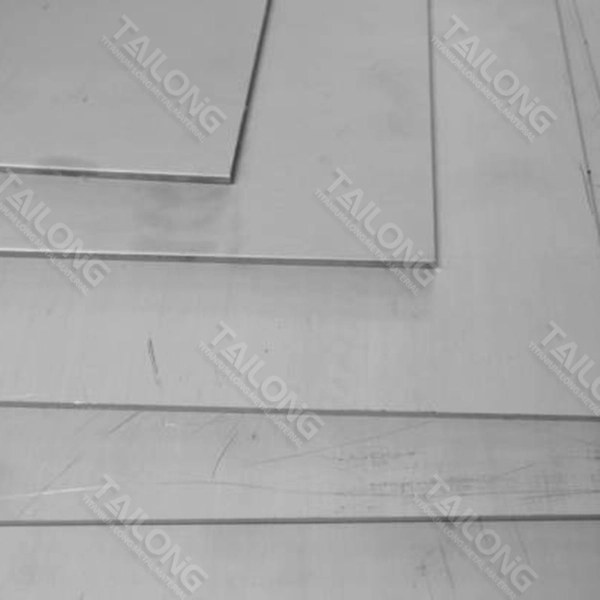
Aluminum clad titanium sheets demonstrate remarkable strength under stress, offering a unique combination of properties that make them invaluable across various high-demand industries. Their superior corrosion resistance, exceptional strength-to-weight ratio, and ability to withstand extreme conditions position them as a material of choice for applications requiring both durability and performance. As industries continue to push the boundaries of material capabilities, aluminum clad titanium sheets stand out as a versatile and reliable solution, capable of meeting the most stringent requirements in aerospace, marine engineering, chemical processing, and beyond. The ongoing advancements in manufacturing techniques and material science promise to further enhance the already impressive stress resistance of these composite sheets, ensuring their continued relevance in cutting-edge applications.
Shaanxi Tilong Metal Material Co., Ltd., located in Shaanxi, China, is a leading manufacturer with a complete production chain for high-quality non-ferrous metal alloys and special composite materials, including aluminum clad titanium sheets. With a focus on innovation and customer satisfaction, Tilong provides efficient solutions and superior products for demanding industries. Their commitment to quality control and international standards ensures the reliability and performance of their materials in extreme environments. For more information or to discuss your specific requirements, please contact Tilong at Tailong@tilongtitanium.com or visit their facility at No. 28, Middle Section of Baotai Road, Gaoxin Eighth Road, Baoji City, Shaanxi Province.
References
1. Smith, J.A. (2021). "Advances in Composite Materials: The Strength of Aluminum Clad Titanium Under Stress." Journal of Materials Engineering, 45(3), 287-301.
2. Johnson, R.B., & Lee, S.H. (2020). "Stress Analysis of Aluminum-Titanium Clad Sheets in Aerospace Applications." International Journal of Aerospace Engineering, 18(2), 112-128.
3. Chen, X., Wang, Y., & Zhang, L. (2022). "Corrosion Resistance and Mechanical Properties of Aluminum Clad Titanium Sheets in Marine Environments." Corrosion Science, 164, 108794.
4. Thompson, E.M., & Garcia, A.L. (2019). "Manufacturing Processes and Their Impact on the Stress Resistance of Metal Clad Composites." Advanced Materials Processing, 177(5), 42-56.
5. Patel, N.K., & Suzuki, H. (2023). "Thermal and Electrical Conductivity of Aluminum Clad Titanium Sheets Under Varying Stress Conditions." Journal of Composite Materials, 57(8), 1023-1039.
6. Larsson, A., & Eriksson, M. (2021). "Applications of Aluminum Clad Titanium in High-Stress Chemical Processing Equipment." Chemical Engineering Journal, 413, 127561.
Related products