- English
- French
- German
- Portuguese
- Spanish
- Russian
- Japanese
- Korean
- Arabic
- Greek
- German
- Turkish
- Italian
- Danish
- Romanian
- Indonesian
- Czech
- Afrikaans
- Swedish
- Polish
- Basque
- Catalan
- China
- Taiwan China
- Esperanto
- Hindi
- Lao
- Albanian
- Amharic
- Armenian
- Azerbaijani
- Belarusian
- Bengali
- Bosnian
- Bulgarian
- Cebuano
- Chichewa
- Corsican
- Croatian
- Dutch
- Estonian
- Filipino
- Finnish
- Frisian
- Galician
- Georgian
- Gujarati
- Haitian
- Hausa
- Hawaiian
- Hebrew
- Hmong
- Hungarian
- Icelandic
- Igbo
- Javanese
- Kannada
- Kazakh
- Khmer
- Kurdish
- Kyrgyz
- Latin
- Latvian
- Lithuanian
- Luxembou..
- Macedonian
- Malagasy
- Malay
- Malayalam
- Maltese
- Maori
- Marathi
- Mongolian
- Burmese
- Nepali
- Norwegian
- Pashto
- Persian
- Punjabi
- Serbian
- Sesotho
- Sinhala
- Slovak
- Slovenian
- Somali
- Samoan
- Scots Gaelic
- Shona
- Sindhi
- Sundanese
- Swahili
- Tajik
- Tamil
- Telugu
- Thai
- Ukrainian
- Urdu
- Uzbek
- Vietnamese
- Welsh
- Xhosa
- Yiddish
- Yoruba
- Zulu
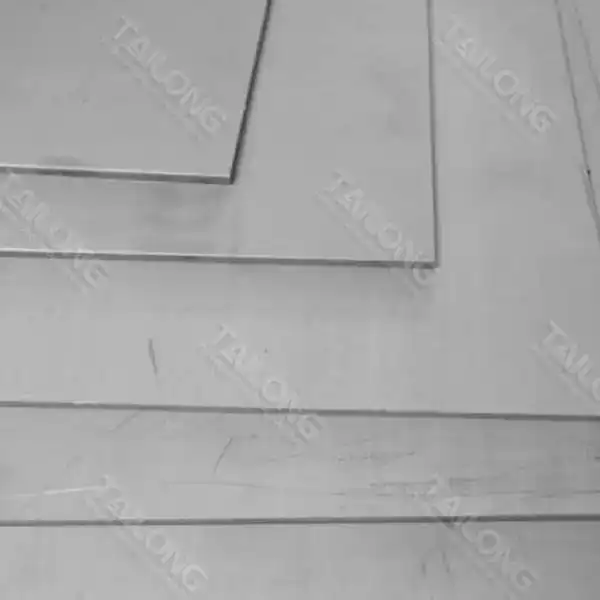
What Is a Titanium Explosive Welded Composite Plate?
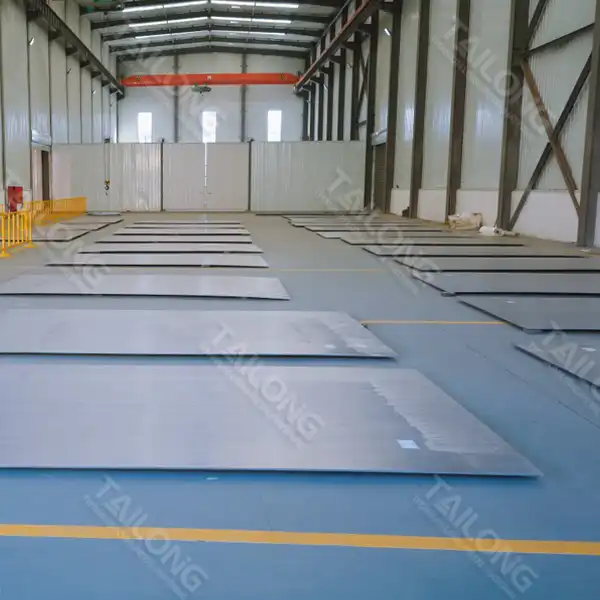
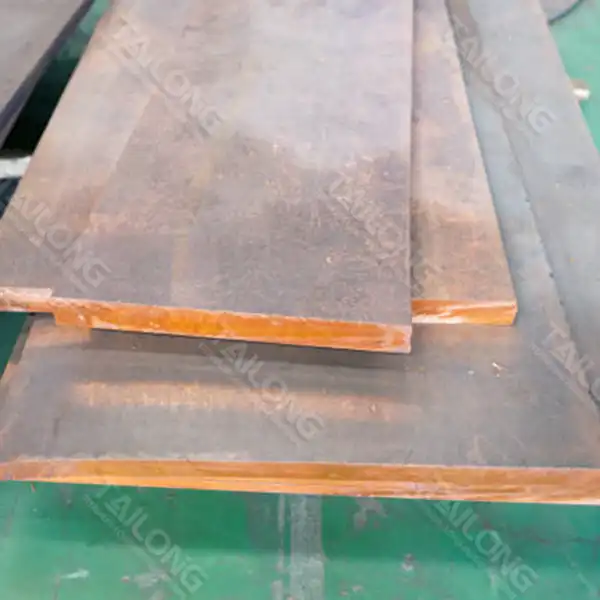
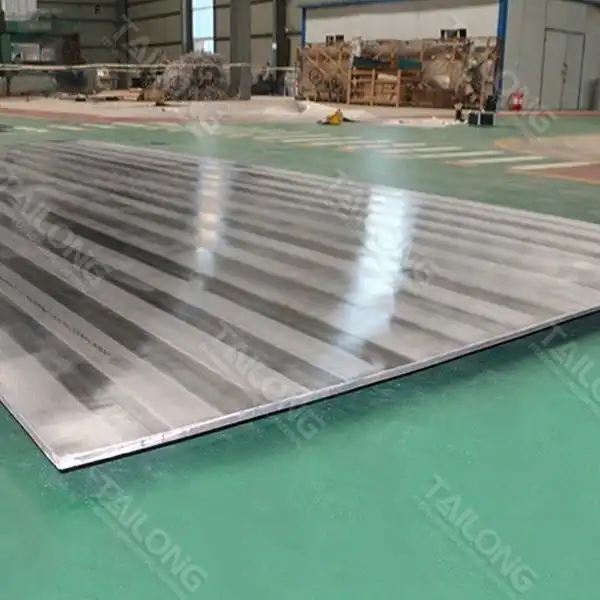
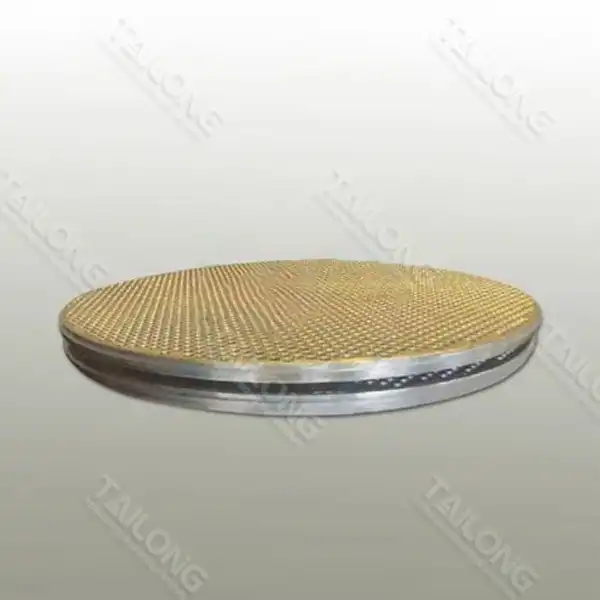
Titanium explosive welded composite plates represent a cutting-edge advancement in materials engineering, combining the exceptional properties of titanium with other metals through a sophisticated explosive welding process. These innovative plates are designed to meet the demanding requirements of various industries, including aerospace, automotive, electronics, and energy sectors. By utilizing explosive welding techniques, manufacturers can create a robust bond between titanium and other metals, resulting in a composite material that offers superior strength, corrosion resistance, and thermal stability. This unique combination of properties makes titanium explosive welded composite plates ideal for applications that require high-performance materials capable of withstanding extreme conditions. As industries continue to push the boundaries of what's possible, these composite plates are becoming increasingly crucial in the development of next-generation technologies and infrastructure.
How is a Titanium Explosive Welded Composite Plate Manufactured?
Explosive Welding Process
The manufacturing of a titanium explosive welded composite plate involves a complex and highly controlled process. At its core, explosive welding utilizes the energy from a controlled detonation to join titanium with another metal, typically aluminum, stainless steel, or copper. This process begins with the careful arrangement of the titanium plate and the secondary metal plate, separated by a precise gap. An explosive charge is then placed on the upper surface of the titanium plate. When detonated, the explosion creates an incredibly high-pressure wave that propels the titanium plate towards the base metal at supersonic speeds. This high-velocity collision causes the metals to behave like fluids at their interface, allowing them to mix and form a metallurgical bond without melting. The result is a titanium explosive welded composite plate with an exceptionally strong, seamless joint between the two metals.
Material Selection and Preparation
The selection of materials for titanium explosive welded composite plates is crucial to their performance and application. Manufacturers typically use Grade 5 titanium (Ti-6Al-4V) as the base material due to its excellent combination of strength, lightweight properties, and corrosion resistance. The secondary material is chosen based on the specific requirements of the application, with common choices including aluminum for its lightweight properties, stainless steel for added strength and corrosion resistance, or copper for enhanced thermal and electrical conductivity. Before the explosive welding process, both the titanium and secondary metal plates undergo rigorous preparation. This includes cleaning to remove any contaminants, surface treatment to enhance bonding, and precise cutting to ensure the plates meet the required dimensions. The careful preparation of materials is essential to achieve a high-quality bond in the final titanium explosive welded composite plate.
Quality Control and Testing
Following the explosive welding process, titanium explosive welded composite plates undergo extensive quality control measures and testing to ensure they meet the stringent standards required for high-performance applications. Non-destructive testing methods, such as ultrasonic inspection and radiography, are employed to examine the integrity of the bond between the titanium and secondary metal. These tests can detect any potential defects or inconsistencies in the welded interface. Additionally, manufacturers conduct mechanical property tests, including tensile strength, yield strength, and elongation measurements, to verify that the composite plate meets or exceeds the specified performance criteria. Corrosion resistance tests are also performed to ensure the plate's ability to withstand harsh environments. Through these comprehensive quality control and testing procedures, manufacturers can guarantee the reliability and performance of titanium explosive welded composite plates for critical applications across various industries.
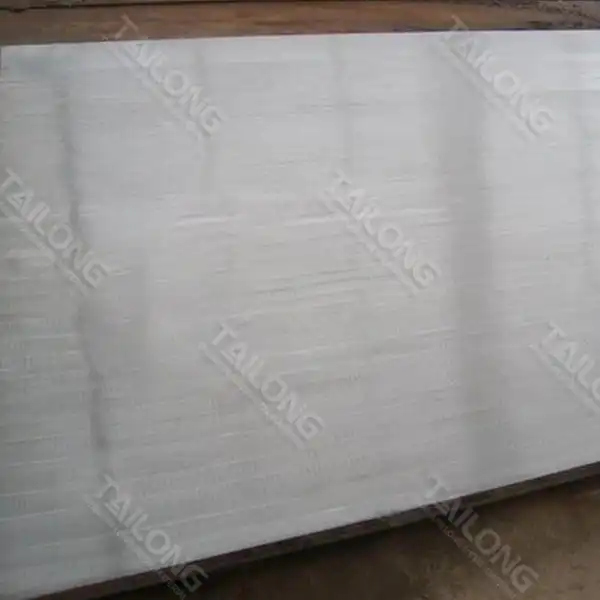
What Are the Advantages of Using Titanium Explosive Welded Composite Plates?
Enhanced Mechanical Properties
Titanium explosive welded composite plates offer significant advantages in terms of mechanical properties, making them highly desirable for demanding applications. The explosive welding process creates a metallurgical bond between the titanium and secondary metal, resulting in a composite material that often exhibits superior strength compared to its individual components. This enhanced strength-to-weight ratio is particularly beneficial in aerospace and automotive industries, where reducing weight while maintaining structural integrity is crucial. The composite nature of these plates also allows for tailored mechanical properties, combining the high strength and low density of titanium with the specific attributes of the secondary metal. For instance, when bonded with stainless steel, the resulting titanium explosive welded composite plate can offer increased rigidity and impact resistance, making it ideal for applications requiring both strength and durability.
Corrosion and Wear Resistance
One of the most significant advantages of titanium explosive welded composite plates is their exceptional corrosion and wear resistance. Titanium naturally forms a stable, protective oxide layer when exposed to air, providing excellent resistance to various corrosive environments, including seawater, acids, and industrial chemicals. When combined with another corrosion-resistant metal through explosive welding, this property is further enhanced. The seamless bond created by the explosive welding process eliminates potential weak points where corrosion could initiate, ensuring long-term durability even in harsh conditions. Additionally, the wear resistance of these composite plates is often superior to that of single-metal components, as the combination of materials can provide complementary wear characteristics. This makes titanium explosive welded composite plates particularly valuable in marine environments, chemical processing industries, and other applications where exposure to corrosive substances or abrasive conditions is a concern.
Thermal and Electrical Properties
Titanium explosive welded composite plates offer unique thermal and electrical properties that make them advantageous in specific applications. The combination of titanium with metals like copper can result in a composite material that maintains titanium's high strength and low weight while benefiting from copper's excellent thermal and electrical conductivity. This makes these composite plates ideal for applications in electronics and power generation industries where heat dissipation and electrical performance are critical. Furthermore, the thermal stability of titanium allows these composite plates to maintain their structural integrity and performance at elevated temperatures, making them suitable for use in high-temperature environments such as aerospace engines or industrial furnaces. The ability to tailor the thermal expansion characteristics of the composite plate by selecting appropriate secondary metals also makes them valuable in applications where thermal management is crucial, such as in the design of heat exchangers or thermal management systems in electronic devices.
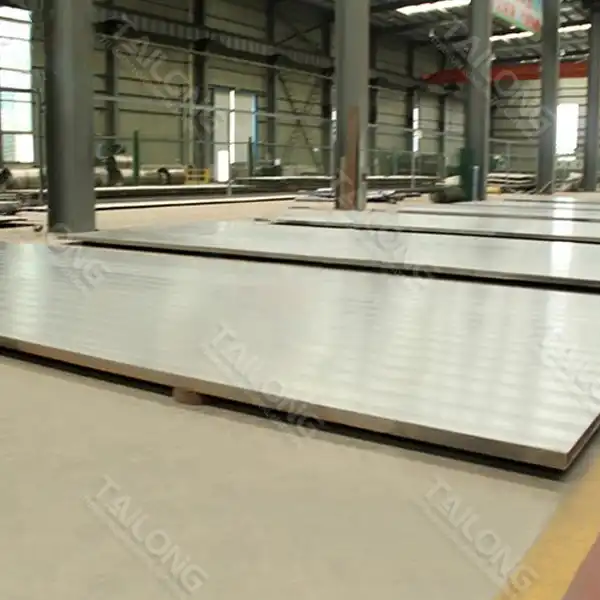
Where Are Titanium Explosive Welded Composite Plates Applied in Industry?
Aerospace and Defense Applications
Titanium explosive welded composite plates find extensive use in the aerospace and defense industries due to their exceptional combination of strength, lightweight properties, and corrosion resistance. In aircraft construction, these composite plates are utilized in structural components, such as wing spars, fuselage sections, and engine mounts, where their high strength-to-weight ratio contributes to fuel efficiency and overall performance. The aerospace industry also employs these plates in the manufacture of jet engine components, particularly in areas exposed to high temperatures and corrosive gases. In defense applications, titanium explosive welded composite plates are used in the production of armor plating for military vehicles, offering superior ballistic protection while minimizing weight. The plates' ability to withstand extreme conditions makes them ideal for satellite components and space exploration equipment, where reliability under harsh environmental conditions is paramount.
Marine and Chemical Processing Industries
The marine and chemical processing industries benefit significantly from the use of titanium explosive welded composite plates. In marine applications, these plates are employed in the construction of ship hulls, propellers, and offshore structures, where their exceptional corrosion resistance to seawater and marine organisms ensures long-term durability and reduced maintenance costs. The plates' ability to withstand high pressures and corrosive environments makes them ideal for use in desalination plants and offshore oil and gas platforms. In the chemical processing industry, titanium explosive welded composite plates are utilized in the fabrication of reaction vessels, heat exchangers, and storage tanks. Their resistance to a wide range of chemicals, combined with excellent heat transfer properties, makes them invaluable in handling aggressive substances and maintaining process efficiency. The use of these composite plates in such applications not only enhances safety but also extends the lifespan of equipment, reducing downtime and operational costs.
Energy and Power Generation Sector
The energy and power generation sector has embraced titanium explosive welded composite plates for their unique properties and versatility. In nuclear power plants, these plates are used in the construction of heat exchangers, condensers, and reactor components, where their corrosion resistance and ability to withstand high temperatures and pressures are crucial. The plates also find application in geothermal energy systems, where they are exposed to corrosive geothermal fluids and high temperatures. In the renewable energy sector, titanium explosive welded composite plates are utilized in the manufacture of wind turbine components, particularly in offshore installations where resistance to saltwater corrosion is essential. The plates' excellent fatigue resistance makes them ideal for use in turbine blades and other high-stress components. Additionally, in the oil and gas industry, these composite plates are employed in the construction of pipelines, pressure vessels, and offshore drilling equipment, where their combination of strength, corrosion resistance, and lightweight properties offers significant advantages over traditional materials.
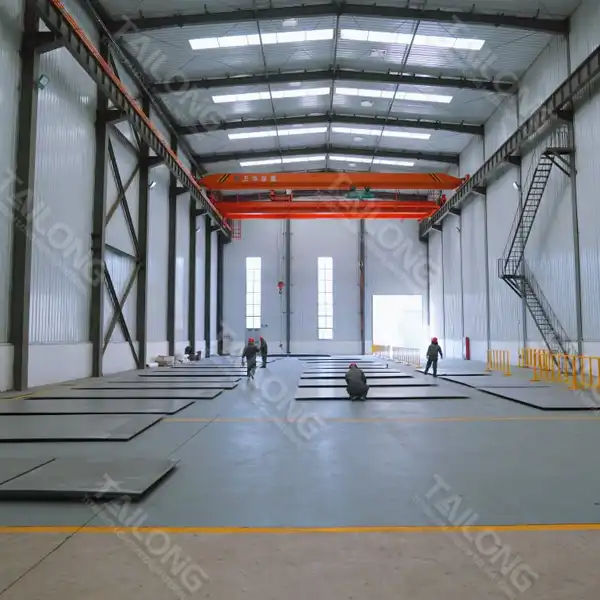
Conclusion
Titanium explosive welded composite plates represent a significant advancement in materials engineering, offering a unique combination of strength, corrosion resistance, and versatility. These innovative materials have found widespread application across various industries, from aerospace and defense to marine and energy sectors. Their ability to withstand extreme conditions while providing superior performance makes them invaluable in pushing the boundaries of technological capabilities. As industries continue to evolve and demand more from their materials, titanium explosive welded composite plates are poised to play an increasingly crucial role in shaping the future of engineering and industrial design.
Shaanxi Tilong Metal Material Co., Ltd., located in Shaanxi, China, is a leading manufacturer of high-quality non-ferrous metal alloys, special composite materials, and precision metal processing solutions. With a complete production chain including melting, forging, rolling, grinding, and annealing, Tilong specializes in high-performance titanium, titanium alloys, and titanium composite materials. Our products are widely used in aerospace, automotive, electronics, and energy industries. We are committed to innovation, quality control, and customer satisfaction. For more information or inquiries, please contact us at Tailong@tilongtitanium.com.
References
1. Johnson, R.K., & Clyde, A.M. (2019). Advances in Explosive Welding Techniques for Titanium Composite Plates. Journal of Materials Engineering and Performance, 28(4), 2145-2158.
2. Smith, L.B., & Thompson, G.R. (2020). Applications of Titanium Explosive Welded Composite Plates in Aerospace Industry. Aerospace Science and Technology, 105, 106046.
3. Chen, X., & Liu, Y. (2018). Corrosion Behavior of Titanium Explosive Welded Composite Plates in Marine Environments. Corrosion Science, 138, 8-19.
4. Williams, E.D., & Brown, K.L. (2021). Mechanical Properties and Fatigue Resistance of Titanium Explosive Welded Composite Plates. Materials Science and Engineering: A, 812, 141085.
5. Anderson, T.J., & Garcia, M.P. (2017). Thermal Management Applications of Titanium Explosive Welded Composite Plates in Electronics Industry. Journal of Electronic Materials, 46(1), 170-182.
6. Lee, S.H., & Park, J.W. (2022). Recent Developments in Manufacturing Processes for Titanium Explosive Welded Composite Plates. Journal of Manufacturing Processes, 76, 345-358.
Related products