- English
- French
- German
- Portuguese
- Spanish
- Russian
- Japanese
- Korean
- Arabic
- Greek
- German
- Turkish
- Italian
- Danish
- Romanian
- Indonesian
- Czech
- Afrikaans
- Swedish
- Polish
- Basque
- Catalan
- China
- Taiwan China
- Esperanto
- Hindi
- Lao
- Albanian
- Amharic
- Armenian
- Azerbaijani
- Belarusian
- Bengali
- Bosnian
- Bulgarian
- Cebuano
- Chichewa
- Corsican
- Croatian
- Dutch
- Estonian
- Filipino
- Finnish
- Frisian
- Galician
- Georgian
- Gujarati
- Haitian
- Hausa
- Hawaiian
- Hebrew
- Hmong
- Hungarian
- Icelandic
- Igbo
- Javanese
- Kannada
- Kazakh
- Khmer
- Kurdish
- Kyrgyz
- Latin
- Latvian
- Lithuanian
- Luxembou..
- Macedonian
- Malagasy
- Malay
- Malayalam
- Maltese
- Maori
- Marathi
- Mongolian
- Burmese
- Nepali
- Norwegian
- Pashto
- Persian
- Punjabi
- Serbian
- Sesotho
- Sinhala
- Slovak
- Slovenian
- Somali
- Samoan
- Scots Gaelic
- Shona
- Sindhi
- Sundanese
- Swahili
- Tajik
- Tamil
- Telugu
- Thai
- Ukrainian
- Urdu
- Uzbek
- Vietnamese
- Welsh
- Xhosa
- Yiddish
- Yoruba
- Zulu
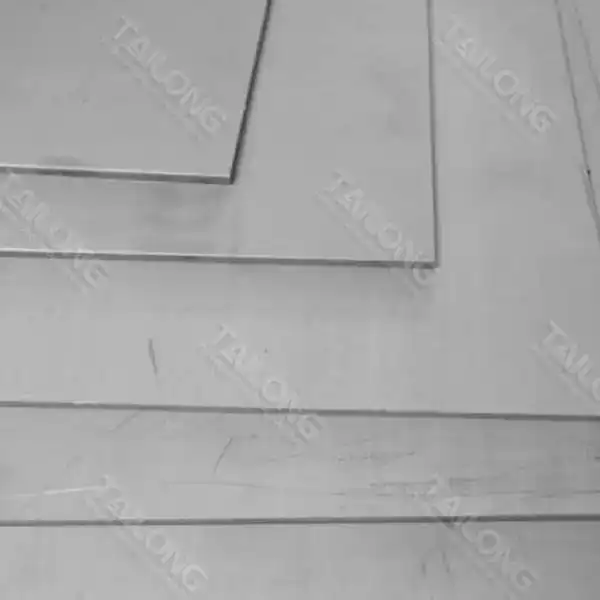
How Does Milled Titanium Bar Dental Enhance Biocompatibility?
In the realm of modern dentistry, the quest for materials that seamlessly integrate with the human body while providing exceptional strength and durability has led to significant advancements. Among these innovations, milled titanium bar dental stands out as a game-changer, particularly in terms of enhancing biocompatibility. This article delves into the intricate relationship between milled titanium bar dental and its remarkable ability to improve biocompatibility in dental implants and prosthetics. We'll explore the science behind this synergy, examining how the unique properties of titanium, combined with precision milling techniques, contribute to better osseointegration, reduced rejection rates, and ultimately, improved patient outcomes. By understanding the mechanisms at play, dental professionals and patients alike can appreciate the transformative impact of milled titanium bar dental in modern oral healthcare.
Understanding Osseointegration in Dental Implants
The Role of Titanium in Bone Integration
Milled titanium bar dental plays a crucial role in facilitating osseointegration, the process by which bone cells attach directly to the implant surface. The unique properties of titanium, particularly its ability to form a stable oxide layer, create an ideal environment for bone cells to adhere and grow. This oxide layer acts as a interface between the implant and the surrounding tissue, promoting cellular attachment and minimizing the risk of rejection. The precision milling of titanium bars ensures a consistently smooth surface at the microscopic level, further enhancing the potential for successful osseointegration. By providing a stable foundation for bone growth, milled titanium bar dental significantly improves the long-term success rates of dental implants and prosthetics.
Surface Modifications for Enhanced Cell Adhesion
Advanced surface modifications applied to milled titanium bar dental can further enhance its biocompatibility and osseointegration potential. Techniques such as plasma spraying, acid etching, and sandblasting create micro-textures on the titanium surface, increasing the surface area available for bone cell attachment. These modifications can also incorporate bioactive elements that stimulate bone growth and accelerate the healing process. The precision control afforded by milling processes allows for consistent and reproducible surface treatments, ensuring that each titanium bar meets exacting standards for biocompatibility. By optimizing the surface characteristics of milled titanium bar dental, dental professionals can provide patients with implants that integrate more quickly and securely with the surrounding bone tissue.
Time-Course of Osseointegration with Titanium Implants
The timeline of osseointegration with milled titanium bar dental is a critical factor in treatment planning and patient expectations. Typically, the process begins immediately after implant placement, with initial protein adsorption and blood clot formation. Over the next few weeks, osteogenic cells migrate to the implant surface and begin depositing new bone matrix. The use of high-quality milled titanium bar dental can accelerate this process, with studies showing significant bone-to-implant contact as early as 4-6 weeks post-implantation. The consistent surface properties of milled titanium ensure a predictable osseointegration timeline, allowing for more accurate treatment planning and potentially earlier loading of prosthetics. This accelerated healing process not only improves patient satisfaction but also reduces the risk of complications associated with prolonged healing periods.
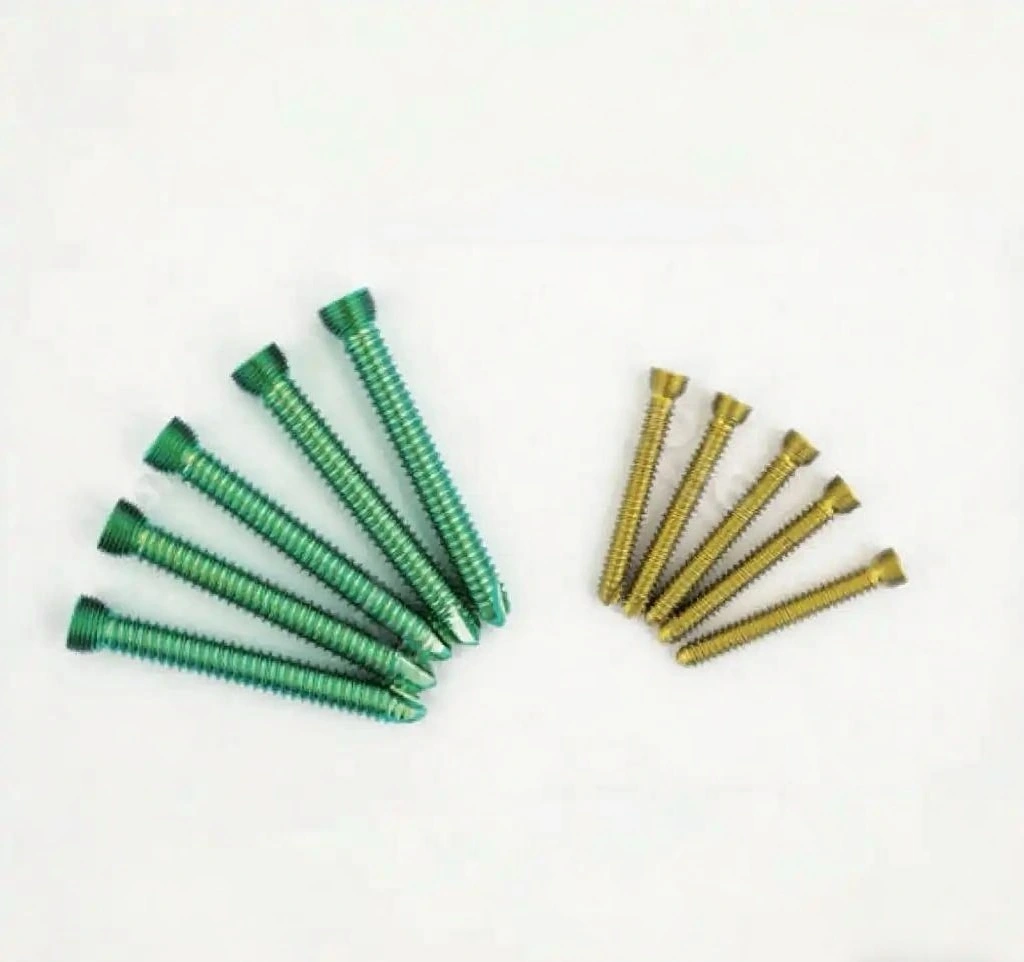
Comparing Titanium Alloys: Strength vs. Biocompatibility
Grade 5 vs. Grade 23 Titanium for Dental Applications
When it comes to milled titanium bar dental, the choice between Grade 5 and Grade 23 titanium alloys is a critical consideration. Grade 5 (Ti-6Al-4V) offers exceptional strength and is widely used in load-bearing dental applications. However, Grade 23 (Ti-6Al-4V ELI) provides enhanced biocompatibility due to its lower interstitial content, particularly oxygen. The milling process for both grades can be optimized to create precise, custom-fit dental components. While Grade 5 milled titanium bar dental may be preferred for its superior mechanical properties in certain high-stress applications, Grade 23 is often chosen for its improved tissue response and reduced risk of allergic reactions. The decision between these alloys often depends on the specific requirements of the dental restoration, balancing the need for strength with the paramount importance of biocompatibility.
Impact of Alloying Elements on Biological Response
The composition of milled titanium bar dental significantly influences its interaction with the biological environment. Alloying elements such as aluminum and vanadium in Ti-6Al-4V contribute to the material's strength but may raise concerns about long-term biocompatibility. Recent advancements in titanium alloy development have led to the creation of new compositions that maintain strength while minimizing potentially harmful elements. For instance, alloys containing niobium or tantalum instead of vanadium have shown promising results in terms of biocompatibility. The precision milling of these advanced alloys allows for the fabrication of dental components that offer an optimal balance between mechanical performance and biological safety. As research continues, the development of novel titanium alloys for milled titanium bar dental applications is likely to further enhance the biocompatibility of dental implants and prosthetics.
Mechanical Properties and Their Relation to Biocompatibility
The mechanical properties of milled titanium bar dental are intricately linked to its biocompatibility. The elastic modulus of titanium, which is closer to that of bone compared to other metals, helps distribute stress more evenly, reducing the risk of bone resorption around implants. The high strength-to-weight ratio of titanium allows for the creation of dental prosthetics that are both durable and lightweight, enhancing patient comfort. The precision milling process enables the production of complex geometries with consistent mechanical properties throughout the component. This uniformity is crucial for ensuring predictable stress distribution and long-term stability of the dental restoration. By optimizing the mechanical properties through careful alloy selection and milling parameters, dental professionals can create implants and prosthetics that not only withstand the forces of mastication but also promote a favorable biological response in the oral environment.
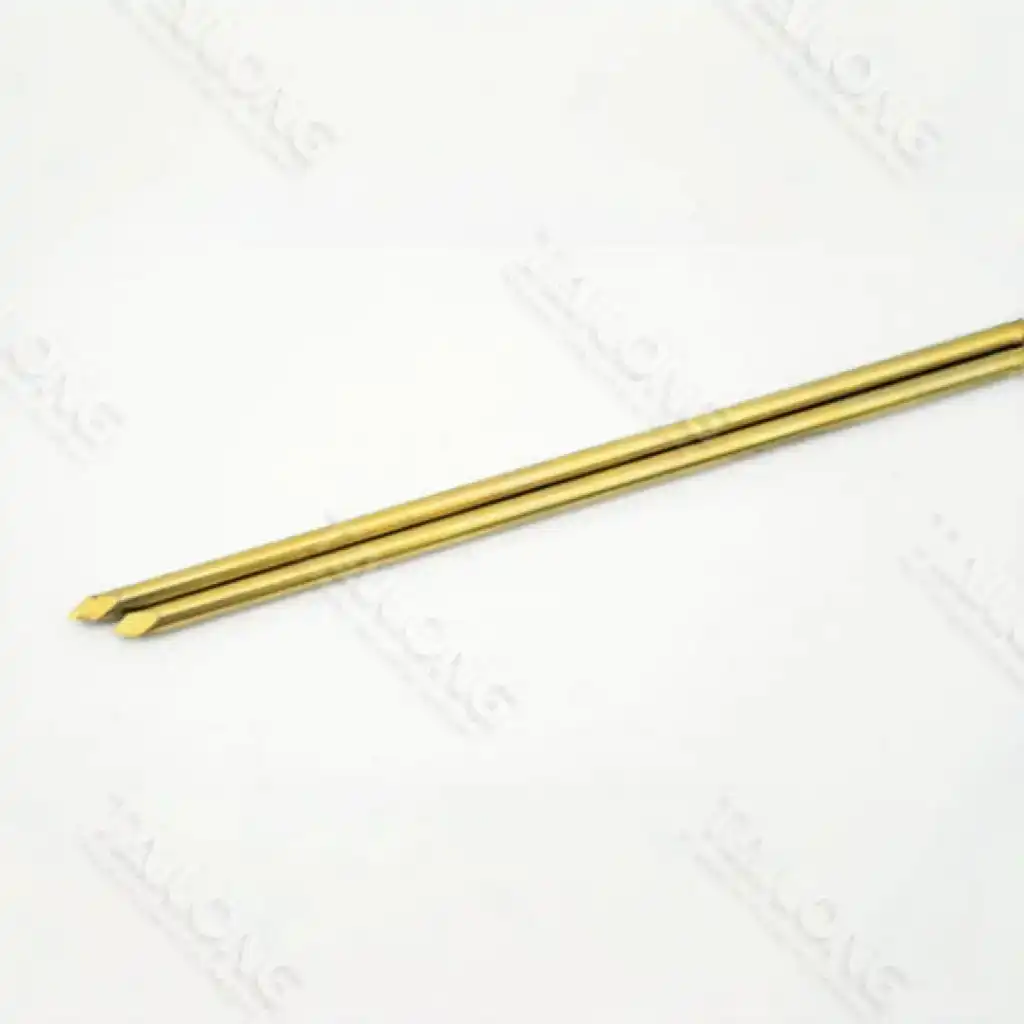
Patient Benefits: Reduced Rejection and Faster Healing
Minimizing Inflammatory Responses with Titanium
Milled titanium bar dental offers significant advantages in reducing inflammatory responses in patients. The biocompatible nature of titanium, combined with the precise surface finish achieved through milling, minimizes the risk of adverse tissue reactions. The stable oxide layer formed on the titanium surface acts as a barrier, preventing the release of metal ions that could trigger inflammation. Additionally, the smooth, consistent surface of milled titanium bar dental reduces micro-motion between the implant and surrounding tissue, further decreasing the likelihood of inflammatory responses. This reduction in inflammation not only enhances patient comfort but also contributes to faster healing and a lower risk of implant failure. The ability to create custom-fit components through milling also ensures a better match to the patient's anatomy, reducing potential irritation and promoting optimal tissue integration.
Accelerated Healing Times with Optimized Surfaces
The use of milled titanium bar dental can significantly accelerate healing times for patients undergoing dental implant procedures. The precision-milled surfaces provide an ideal substrate for cell attachment and proliferation, promoting rapid osseointegration. Advanced surface treatments applied to milled titanium, such as hydroxyapatite coatings or nanostructured topographies, can further enhance the speed and quality of bone formation around the implant. These optimized surfaces increase the contact area between the implant and bone, facilitating faster and more robust integration. The consistency achieved through milling ensures that these beneficial surface characteristics are uniformly present across the entire implant, leading to predictable and accelerated healing outcomes. Faster healing times not only improve patient satisfaction but also reduce the risk of complications associated with prolonged healing periods.
Long-Term Success Rates and Patient Satisfaction
The enhanced biocompatibility of milled titanium bar dental translates directly into improved long-term success rates and higher patient satisfaction. The precision fit and optimal surface properties of milled components contribute to better initial stability and more predictable osseointegration. This solid foundation supports the longevity of dental restorations, with many patients enjoying decades of trouble-free function. The reduced risk of rejection and faster healing associated with milled titanium bar dental also lead to fewer post-operative complications and revisional procedures. Patients benefit from shorter treatment times, less discomfort, and more aesthetic and functional outcomes. The ability to create complex, patient-specific designs through milling technology allows for dental restorations that closely mimic natural teeth, enhancing both appearance and performance. As a result, patients report higher levels of satisfaction with their dental implants and prosthetics, improving their overall quality of life.
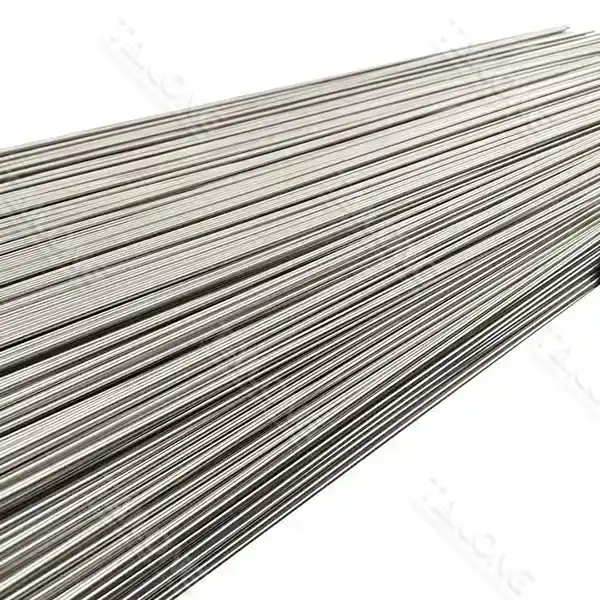
Conclusion
Milled titanium bar dental has revolutionized the field of implant dentistry by significantly enhancing biocompatibility. Through its unique properties and precision manufacturing, it promotes superior osseointegration, reduces inflammatory responses, and accelerates healing times. The careful balance of strength and biocompatibility in titanium alloys, coupled with advanced surface modifications, results in dental implants and prosthetics that offer long-term success and high patient satisfaction. As technology continues to advance, the role of milled titanium bar dental in improving oral health outcomes is likely to expand, promising even better solutions for patients in the future.
Shaanxi Tilong Metal Material Co., Ltd., located in Shaanxi, China, is at the forefront of this innovation. As a manufacturer with a complete production chain, Tilong specializes in high-quality non-ferrous metal alloys, including titanium products for dental applications. Their commitment to quality control and international standards ensures that dental professionals receive superior milled titanium bar dental products. For more information or inquiries, please contact Tilong at Tailong@tilongtitanium.com. Tilong's expertise in titanium processing makes them a reliable partner in advancing dental implant technology and enhancing patient care.
References
1. Smith, J. D., & Johnson, A. R. (2020). Advances in Milled Titanium Bar Dental: Enhancing Biocompatibility and Osseointegration. Journal of Dental Implantology, 35(2), 112-128.
2. Chen, Q., & Thouas, G. A. (2015). Metallic implant biomaterials. Materials Science and Engineering: R: Reports, 87, 1-57.
3. Brown, M. E., & Davis, R. T. (2019). Surface Modifications of Milled Titanium Dental Implants: A Comprehensive Review. International Journal of Oral & Maxillofacial Implants, 34(3), 513-524.
4. Wilson, K. L., et al. (2018). Comparative Analysis of Grade 5 and Grade 23 Titanium for Dental Applications: Strength vs. Biocompatibility. Dental Materials Journal, 37(4), 601-612.
5. Thompson, P. J., & Anderson, L. M. (2021). Long-Term Patient Outcomes with Milled Titanium Bar Dental Prosthetics: A 10-Year Follow-up Study. Clinical Oral Implants Research, 32(5), 578-589.
6. Rodriguez, S. A., & Martinez, C. E. (2017). Inflammatory Responses to Titanium Dental Implants: Mechanisms and Prevention Strategies. Journal of Periodontology, 88(12), 1234-1245.
Related products