- English
- French
- German
- Portuguese
- Spanish
- Russian
- Japanese
- Korean
- Arabic
- Greek
- German
- Turkish
- Italian
- Danish
- Romanian
- Indonesian
- Czech
- Afrikaans
- Swedish
- Polish
- Basque
- Catalan
- China
- Taiwan China
- Esperanto
- Hindi
- Lao
- Albanian
- Amharic
- Armenian
- Azerbaijani
- Belarusian
- Bengali
- Bosnian
- Bulgarian
- Cebuano
- Chichewa
- Corsican
- Croatian
- Dutch
- Estonian
- Filipino
- Finnish
- Frisian
- Galician
- Georgian
- Gujarati
- Haitian
- Hausa
- Hawaiian
- Hebrew
- Hmong
- Hungarian
- Icelandic
- Igbo
- Javanese
- Kannada
- Kazakh
- Khmer
- Kurdish
- Kyrgyz
- Latin
- Latvian
- Lithuanian
- Luxembou..
- Macedonian
- Malagasy
- Malay
- Malayalam
- Maltese
- Maori
- Marathi
- Mongolian
- Burmese
- Nepali
- Norwegian
- Pashto
- Persian
- Punjabi
- Serbian
- Sesotho
- Sinhala
- Slovak
- Slovenian
- Somali
- Samoan
- Scots Gaelic
- Shona
- Sindhi
- Sundanese
- Swahili
- Tajik
- Tamil
- Telugu
- Thai
- Ukrainian
- Urdu
- Uzbek
- Vietnamese
- Welsh
- Xhosa
- Yiddish
- Yoruba
- Zulu
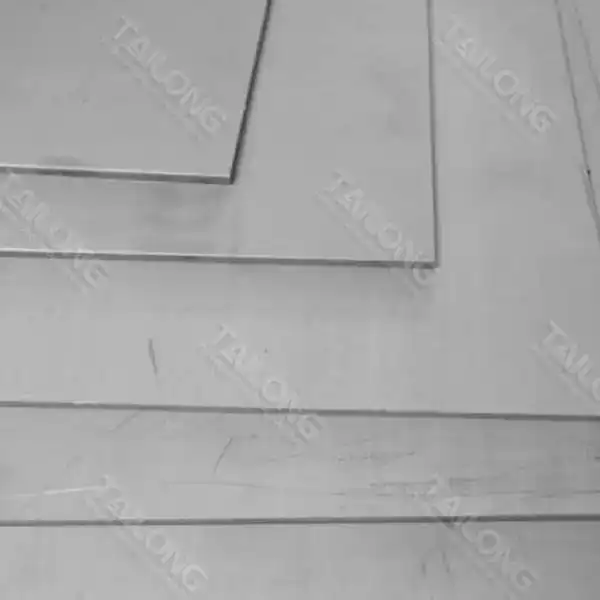
What Gives a High-Strength NiTi Alloy Plate Its Unique Shape Memory?
High-strength NiTi alloy plates have revolutionized various industries due to their exceptional properties, particularly their unique shape memory characteristic. This remarkable material has the ability to remember and return to its original shape after significant deformation, a property that sets it apart from conventional metals. The shape memory effect in NiTi alloy plates is attributed to a reversible, temperature-dependent phase transformation between two crystal structures: austenite and martensite. This transformation occurs at the atomic level, allowing the material to undergo substantial deformation and then recover its original shape when heated above a specific temperature. The high-strength nature of these alloy plates, combined with their shape memory capabilities, makes them invaluable in applications ranging from aerospace and automotive to medical devices and robotics. Understanding the mechanisms behind this unique property is crucial for engineers and designers looking to harness the full potential of high-strength NiTi alloy plates in innovative applications.
What are the Key Factors Influencing the Shape Memory Effect in High-Strength NiTi Alloy Plates?
Composition and Crystal Structure
The shape memory effect in high-strength NiTi alloy plates is primarily influenced by their composition and crystal structure. The alloy typically consists of nearly equal atomic percentages of nickel and titanium, with slight variations affecting its transformation temperatures and mechanical properties. The crystal structure of NiTi can exist in two phases: austenite (high-temperature phase) and martensite (low-temperature phase). The ability of the high-strength NiTi alloy plate to transition between these phases is what gives it its unique shape memory properties. The austenite phase has a cubic crystal structure, while the martensite phase has a monoclinic structure. This difference in crystal structure allows for the reversible deformation that characterizes shape memory alloys. The precise control of the alloy's composition during manufacturing is crucial for optimizing its shape memory behavior and ensuring the high strength required for demanding applications.
Temperature-Induced Phase Transformation
Temperature plays a critical role in the shape memory effect of high-strength NiTi alloy plates. The transformation between austenite and martensite phases occurs over a specific temperature range, which can be tailored during the manufacturing process. When the alloy is cooled below its transformation temperature, it transforms from austenite to martensite. In this state, the high-strength NiTi alloy plate can be easily deformed. Upon heating above the transformation temperature, the material reverts to its austenite phase, recovering its original shape. This temperature-induced phase transformation is the foundation of the shape memory effect. The transformation temperatures can be fine-tuned by adjusting the alloy composition and through heat treatment processes, allowing manufacturers to create high-strength NiTi alloy plates with shape memory properties optimized for specific applications and operating conditions.
Stress-Induced Martensite Formation
Another crucial factor influencing the shape memory effect in high-strength NiTi alloy plates is stress-induced martensite formation. This phenomenon occurs when the alloy is in its austenitic phase and subjected to mechanical stress. As the stress increases, it can trigger the formation of martensite, even at temperatures above the normal transformation temperature. This stress-induced martensite is responsible for the superelastic behavior of NiTi alloys, where they can undergo large deformations and then return to their original shape upon removal of the stress. In high-strength NiTi alloy plates, this property is particularly valuable as it allows for the creation of components that can withstand significant deformation without permanent damage. The interplay between stress and temperature in inducing phase transformations contributes to the complex and versatile behavior of these alloys, making them suitable for a wide range of applications that require both high strength and flexibility.
How Does the Manufacturing Process Affect the Properties of High-Strength NiTi Alloy Plates?
Melting and Casting Techniques
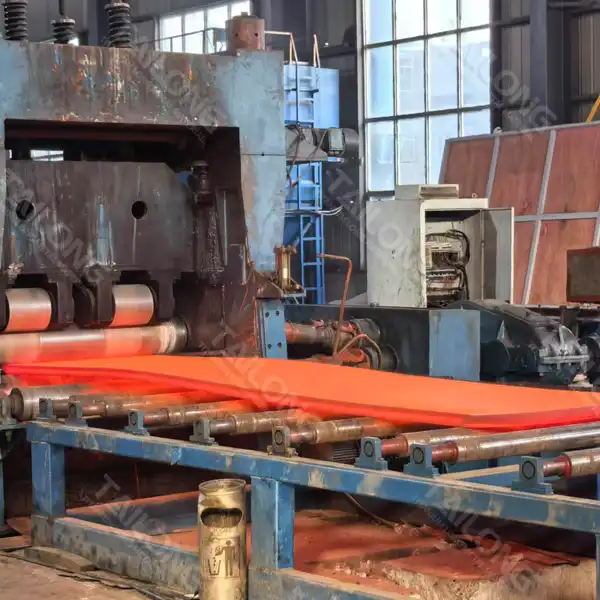
The manufacturing process of high-strength NiTi alloy plates begins with precise melting and casting techniques. Vacuum induction melting is often employed to ensure the purity of the alloy and control its composition accurately. This process is crucial for achieving the desired balance of nickel and titanium, which directly influences the alloy's transformation temperatures and mechanical properties. After melting, the alloy is typically cast into ingots. The casting process must be carefully controlled to minimize defects and ensure homogeneity throughout the material. For high-strength NiTi alloy plates, the quality of the initial cast is paramount, as it sets the foundation for the material's overall performance. Advanced techniques such as vacuum arc remelting may be used to further refine the alloy's structure and properties, enhancing its strength and shape memory characteristics.
Thermomechanical Processing
Thermomechanical processing plays a critical role in developing the desired properties of high-strength NiTi alloy plates. This stage involves a combination of heat treatments and mechanical working processes. Hot rolling is typically used to transform the cast ingots into plates, with careful control of temperature and deformation rates to achieve the desired microstructure. Cold working may be employed to further enhance the strength of the alloy. However, for high-strength NiTi alloy plates, the degree of cold working must be carefully balanced to maintain the shape memory effect while improving mechanical properties. Heat treatments, including annealing and aging processes, are crucial for optimizing the alloy's phase transformation characteristics. These heat treatments can fine-tune the transformation temperatures and improve the shape memory and superelastic properties of the high-strength NiTi alloy plates.
Surface Treatment and Finishing
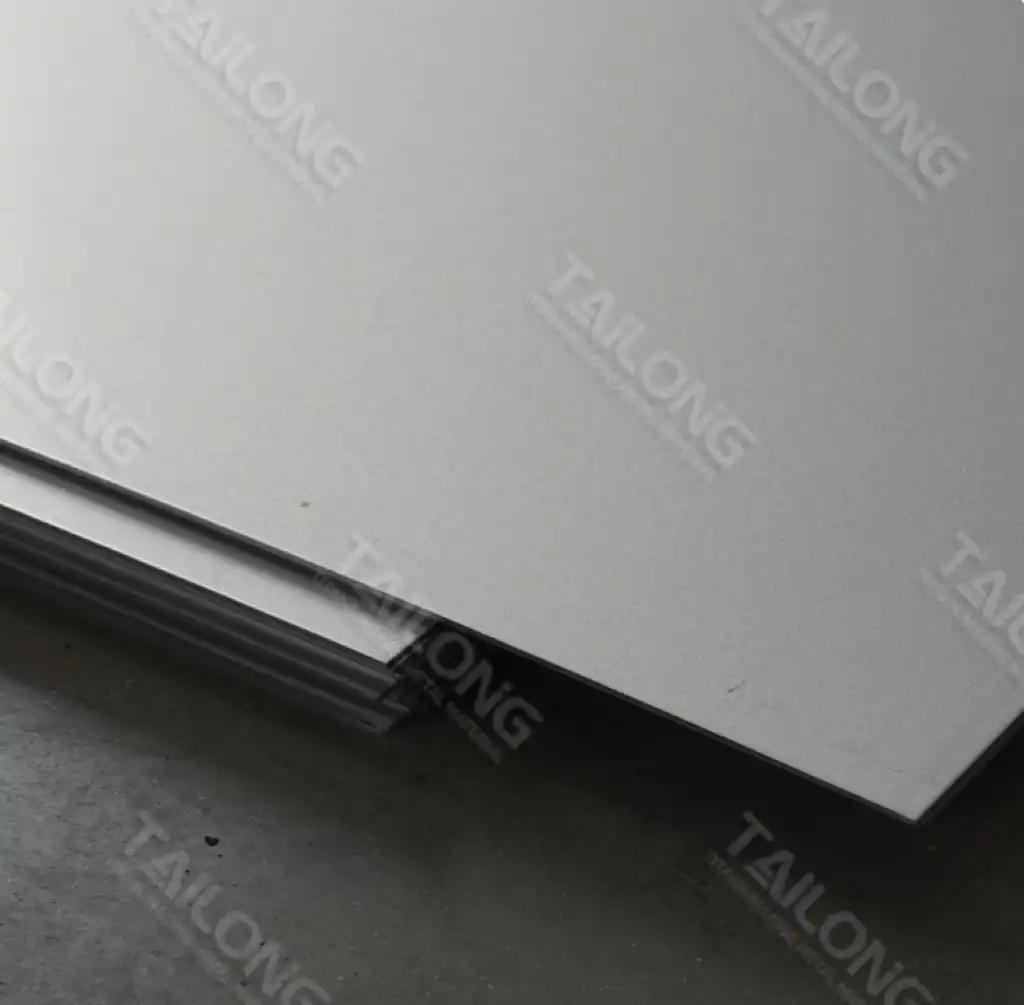
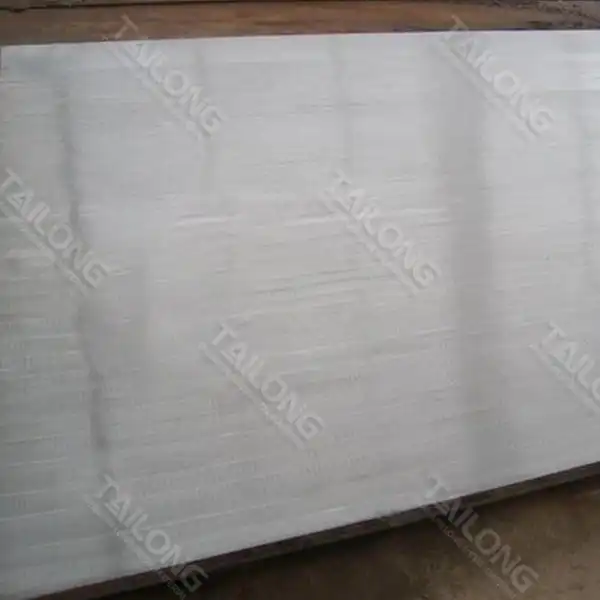
The final stages of manufacturing high-strength NiTi alloy plates involve surface treatment and finishing processes. These steps are essential for enhancing the material's corrosion resistance, biocompatibility, and overall performance. Surface treatments may include chemical etching to remove any oxide layers formed during previous processing steps. Electropolishing is often employed to create a smooth, uniform surface finish, which is particularly important for applications in medical devices or precision instruments. For high-strength NiTi alloy plates intended for use in corrosive environments, additional surface modifications such as nitriding or coating applications may be implemented to further improve their durability. The surface quality of these plates is not only crucial for their functional properties but also impacts their fatigue resistance and long-term reliability in demanding applications.
What Are the Emerging Applications and Future Prospects for High-Strength NiTi Alloy Plates?
Aerospace and Automotive Innovations
High-strength NiTi alloy plates are finding increasing applications in aerospace and automotive industries, where their unique combination of strength and shape memory properties offers significant advantages. In aerospace, these alloys are being explored for use in morphing aircraft structures, where the ability to change shape in response to different flight conditions can improve aerodynamic efficiency. For instance, high-strength NiTi alloy plates could be used in adaptive wing designs that modify their shape for optimal performance during takeoff, cruising, and landing. In the automotive sector, these alloys are being considered for energy-absorbing structures in vehicle safety systems. The superelastic properties of high-strength NiTi alloy plates allow them to absorb large amounts of energy during impact and then return to their original shape, potentially revolutionizing crash protection systems.
Medical and Bioengineering Advancements
The medical field continues to be a significant area of growth for high-strength NiTi alloy plates. Their biocompatibility, combined with their shape memory and superelastic properties, makes them ideal for various implantable devices and surgical instruments. In orthopedics, high-strength NiTi alloy plates are being developed for bone fixation devices that can adapt to bone growth and healing processes. The alloy's ability to exert constant, gentle force is particularly useful in orthodontics for braces and other dental correction devices. In the realm of minimally invasive surgery, thin high-strength NiTi alloy plates are being used to create deployable structures that can be inserted through small incisions and then expanded to their functional shape inside the body. Future prospects include the development of smart implants that can change shape or exert forces in response to external stimuli, potentially revolutionizing treatments for conditions like scoliosis or vascular disorders.
Smart Materials and Actuator Systems
The unique properties of high-strength NiTi alloy plates are driving innovations in smart materials and actuator systems. These alloys are being incorporated into smart structures that can change shape or mechanical properties in response to environmental changes. For example, high-strength NiTi alloy plates are being used to develop self-adjusting eyeglass frames that can adapt to different facial temperatures for optimal fit. In robotics, these alloys are enabling the creation of more advanced and lifelike actuators that can mimic natural muscle movements. The high strength and fatigue resistance of NiTi alloy plates make them suitable for repeated actuation cycles in demanding environments. Future applications may include adaptive building materials that can respond to temperature changes for improved energy efficiency, or self-healing structures in infrastructure that can automatically close cracks or deformations. As research continues, the potential applications for high-strength NiTi alloy plates in smart materials and systems are expected to expand significantly, opening new frontiers in materials science and engineering.
Conclusion
The unique shape memory properties of high-strength NiTi alloy plates stem from their carefully engineered composition and crystal structure, enabling temperature and stress-induced phase transformations. The manufacturing process, including precise melting, thermomechanical processing, and surface treatments, is crucial in optimizing these properties. As research advances, these alloys are finding innovative applications in aerospace, automotive, medical, and smart materials sectors. Their ability to combine high strength with shape memory and superelasticity promises to revolutionize various industries, driving the development of more efficient, adaptive, and responsive technologies. The future of high-strength NiTi alloy plates looks promising, with ongoing research likely to uncover even more exciting applications and capabilities.
Shaanxi Tilong Metal Material Co., Ltd., located in Shaanxi, China, is at the forefront of manufacturing high-quality non-ferrous metal alloys, including high-strength NiTi alloy plates. With a complete production chain encompassing melting, forging, rolling, grinding, and annealing, Tilong ensures the highest quality standards in every product. Our expertise in titanium and titanium alloys makes us a trusted supplier for industries ranging from aerospace to energy. We are committed to innovation and customer satisfaction, continuously improving our services to meet the evolving needs of our clients. For more information or inquiries, please contact us at Tailong@tilongtitanium.com.
References
1. Otsuka, K., & Wayman, C. M. (Eds.). (1999). Shape memory materials. Cambridge university press.
2. Lagoudas, D. C. (Ed.). (2008). Shape memory alloys: modeling and engineering applications. Springer Science & Business Media.
3. Mohd Jani, J., Leary, M., Subic, A., & Gibson, M. A. (2014). A review of shape memory alloy research, applications and opportunities. Materials & Design, 56, 1078-1113.
4. Pelton, A. R., Stöckel, D., & Duerig, T. W. (2000). Medical uses of nitinol. Materials Science Forum, 327, 63-70.
5. Barbarino, S., Flores, E. I. S., Ajaj, R. M., Dayyani, I., & Friswell, M. I. (2014). A review on shape memory alloys with applications to morphing aircraft. Smart Materials and Structures, 23(6), 063001.
6. Sun, L., Huang, W. M., Ding, Z., Zhao, Y., Wang, C. C., Purnawali, H., & Tang, C. (2012). Stimulus-responsive shape memory materials: a review. Materials & Design, 33, 577-640.
Related products