- English
- French
- German
- Portuguese
- Spanish
- Russian
- Japanese
- Korean
- Arabic
- Greek
- German
- Turkish
- Italian
- Danish
- Romanian
- Indonesian
- Czech
- Afrikaans
- Swedish
- Polish
- Basque
- Catalan
- China
- Taiwan China
- Esperanto
- Hindi
- Lao
- Albanian
- Amharic
- Armenian
- Azerbaijani
- Belarusian
- Bengali
- Bosnian
- Bulgarian
- Cebuano
- Chichewa
- Corsican
- Croatian
- Dutch
- Estonian
- Filipino
- Finnish
- Frisian
- Galician
- Georgian
- Gujarati
- Haitian
- Hausa
- Hawaiian
- Hebrew
- Hmong
- Hungarian
- Icelandic
- Igbo
- Javanese
- Kannada
- Kazakh
- Khmer
- Kurdish
- Kyrgyz
- Latin
- Latvian
- Lithuanian
- Luxembou..
- Macedonian
- Malagasy
- Malay
- Malayalam
- Maltese
- Maori
- Marathi
- Mongolian
- Burmese
- Nepali
- Norwegian
- Pashto
- Persian
- Punjabi
- Serbian
- Sesotho
- Sinhala
- Slovak
- Slovenian
- Somali
- Samoan
- Scots Gaelic
- Shona
- Sindhi
- Sundanese
- Swahili
- Tajik
- Tamil
- Telugu
- Thai
- Ukrainian
- Urdu
- Uzbek
- Vietnamese
- Welsh
- Xhosa
- Yiddish
- Yoruba
- Zulu
How Composite Pressure Vessels Revolutionize Aerospace: A Closer Look
In the ever-evolving world of aerospace technology, composite pressure vessels have emerged as a game-changing innovation, revolutionizing the way we approach space exploration and aircraft design. These advanced containers, designed to store compressed gases under high pressure, offer a unique combination of high strength and low weight that is transforming the aerospace industry. As we delve deeper into this topic, we'll explore how composite pressure vessels are not just improving current aerospace capabilities but are also paving the way for future advancements in space exploration. From their lightweight yet durable construction to their ability to withstand extreme conditions, these vessels are pushing the boundaries of what's possible in aerospace engineering. Join us as we take a closer look at how composite pressure vessels are shaping the future of flight and space travel.
Lightweight Strength: Key Advantages in Flight
Reduced Fuel Consumption
Composite pressure vessels have become a cornerstone in the quest for fuel efficiency in aerospace applications. Their lightweight design, which can be up to 50% lighter than traditional metal vessels, directly translates to reduced fuel consumption during flight. This weight reduction is particularly crucial in the aerospace industry, where every kilogram saved can significantly impact overall performance and operational costs. Composite pressure vessels, with their high strength-to-weight ratio, allow aircraft and spacecraft to carry more payload or travel longer distances with the same amount of fuel. This efficiency boost is not just a matter of cost savings; it's a fundamental shift in how we approach aerospace design, enabling missions that were previously deemed impractical or impossible due to weight constraints.
Enhanced Payload Capacity
The adoption of composite pressure vessels in aerospace applications has led to a remarkable increase in payload capacity. By significantly reducing the weight of essential components like fuel tanks and gas storage systems, these innovative vessels allow for a greater allocation of weight to payload. This enhancement is particularly beneficial in satellite launches, where every additional kilogram of payload can represent millions of dollars in value. In manned space missions, the increased payload capacity translates to more supplies, scientific equipment, or even additional crew members. The use of composite pressure vessels thus not only improves the economic viability of space missions but also expands the scope of what can be achieved in a single launch, pushing the boundaries of space exploration and scientific research.
Improved Maneuverability
The lightweight nature of composite pressure vessels contributes significantly to improved maneuverability in aerospace vehicles. In aircraft, the reduced weight allows for more agile and responsive flight characteristics, enhancing both performance and safety. For spacecraft, the weight savings provided by composite pressure vessels can be crucial during critical maneuvers such as orbital adjustments or landing procedures. The improved thrust-to-weight ratio resulting from the use of these vessels allows for more precise control and navigation, especially in the challenging environment of space. This enhanced maneuverability is not just a performance boost; it's a safety feature that provides pilots and astronauts with greater control over their vehicles, potentially making the difference in critical situations.
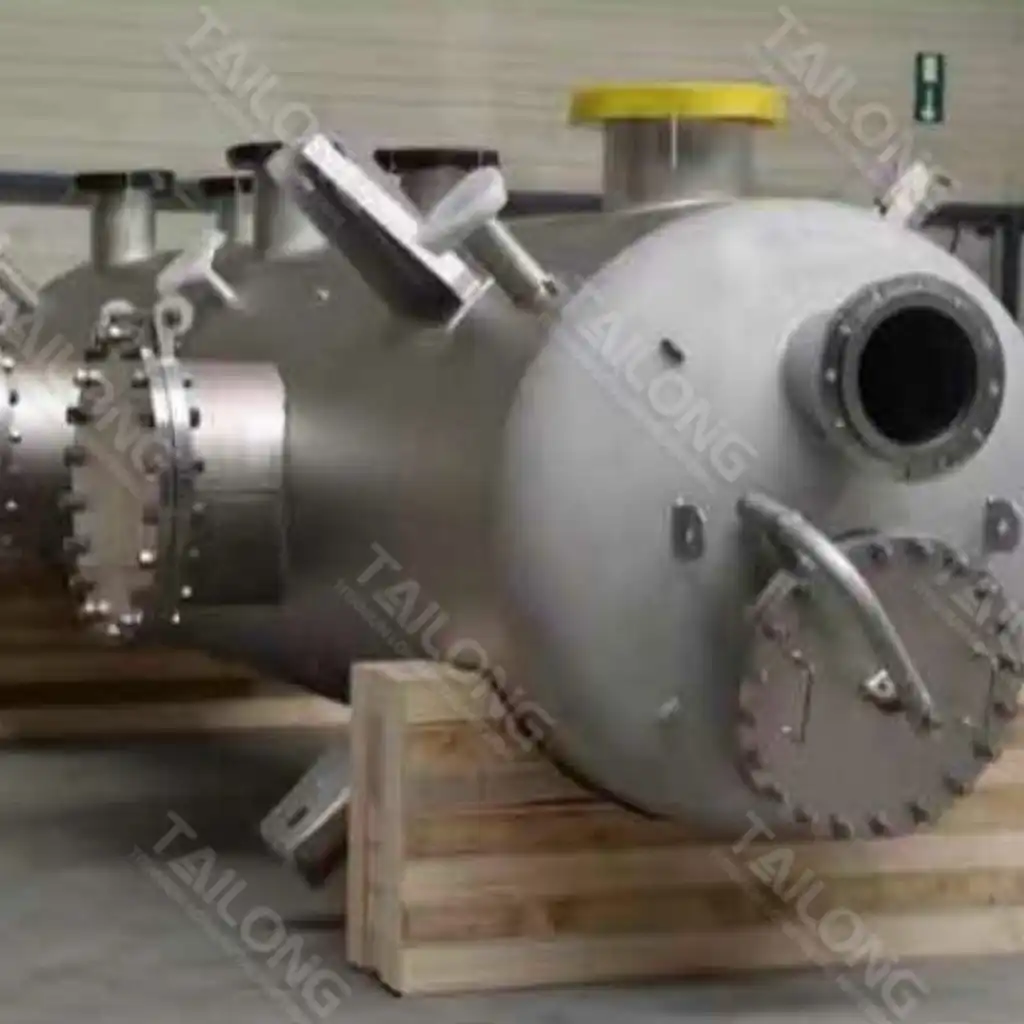
Material Science Breakthroughs Driving Innovation
Advanced Composite Materials
The development of advanced composite materials has been a key driver in the innovation of composite pressure vessels for aerospace applications. These materials, typically consisting of high-strength fibers embedded in a polymer matrix, offer an unprecedented combination of strength, stiffness, and lightweight properties. Carbon fiber reinforced polymers (CFRP), for instance, have become a popular choice due to their exceptional strength-to-weight ratio. The use of these advanced composites in pressure vessel construction allows for designs that are not only lighter but also more resilient to the extreme conditions encountered in aerospace environments. The continuous improvement in fiber technology and matrix materials is pushing the boundaries of what's possible in pressure vessel design, enabling vessels that can withstand higher pressures while remaining incredibly lightweight.
Novel Manufacturing Techniques
Innovative manufacturing techniques have played a crucial role in advancing the capabilities of composite pressure vessels. Filament winding, a process where continuous fiber reinforcement is precisely placed along predetermined paths, has become increasingly sophisticated, allowing for optimized vessel designs that maximize strength while minimizing weight. Automated fiber placement (AFP) technology has further refined this process, enabling the creation of complex geometries and tailored fiber orientations that were previously impossible. These advanced manufacturing methods not only improve the performance of composite pressure vessels but also enhance their consistency and reliability, critical factors in aerospace applications where safety is paramount. The integration of these novel techniques with computer-aided design and simulation tools has accelerated the development cycle, allowing for rapid prototyping and testing of new vessel designs.
Smart Materials and Sensors
The integration of smart materials and sensors into composite pressure vessels represents the cutting edge of aerospace technology. These advanced systems allow for real-time monitoring of vessel integrity, pressure levels, and structural health, providing crucial data for safety and maintenance. Fiber optic sensors embedded within the composite structure can detect minute changes in strain or temperature, alerting operators to potential issues before they become critical. Self-healing composites, which can repair minor damage autonomously, are also being developed, potentially extending the lifespan and reliability of pressure vessels in harsh space environments. The incorporation of these smart technologies not only enhances the safety and reliability of composite pressure vessels but also opens up new possibilities for predictive maintenance and performance optimization in aerospace applications.
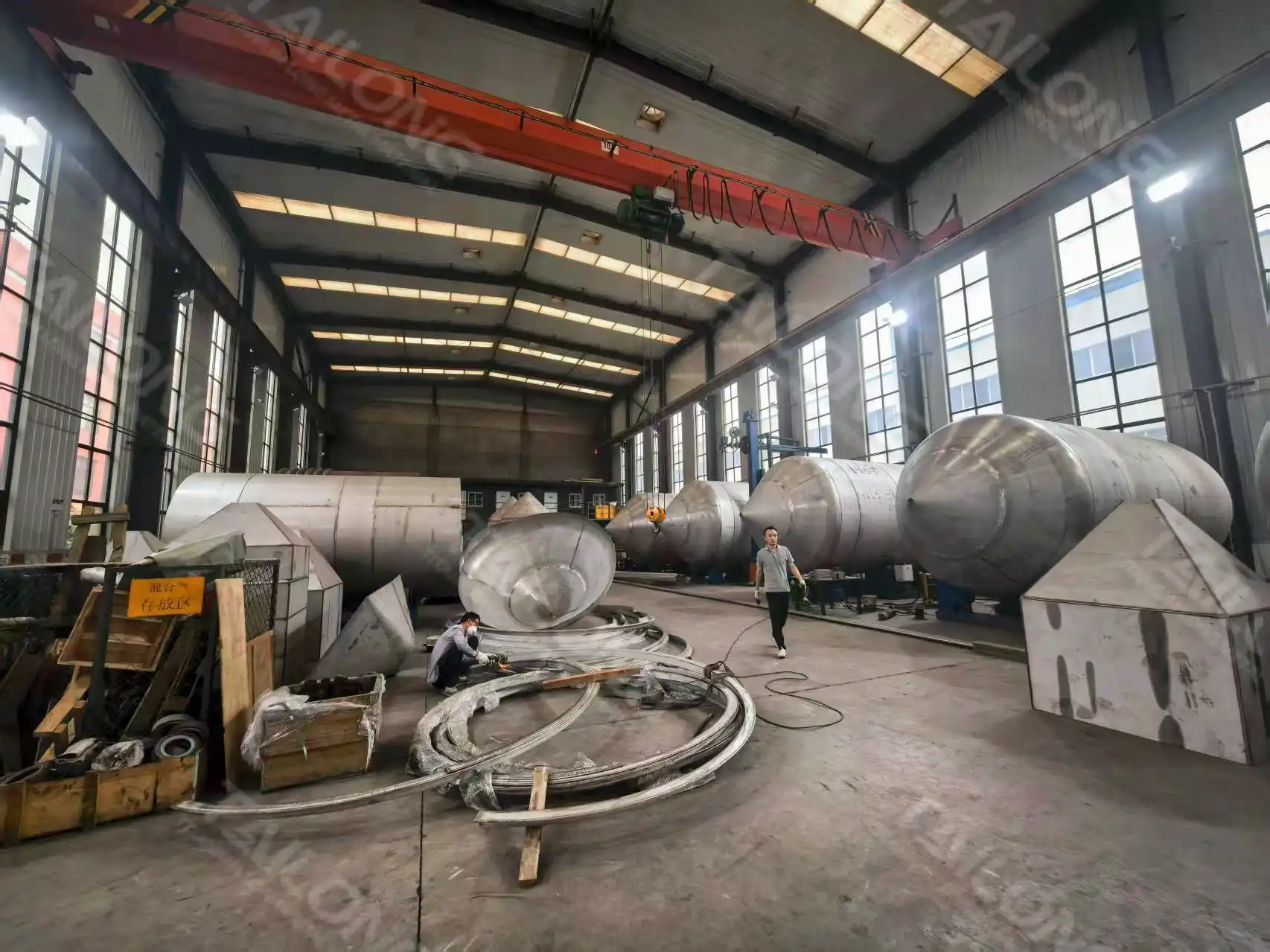
Future-Proofing: Adapting to Space Exploration Demands
Extreme Environment Resistance
As space exploration ventures further into the solar system and beyond, composite pressure vessels are being developed to withstand increasingly extreme environments. These vessels must maintain their integrity in the face of dramatic temperature fluctuations, intense radiation, and micrometeorite impacts. Advanced composite materials and innovative design strategies are being employed to create vessels that can survive the harsh conditions of deep space or the corrosive atmospheres of other planets. For instance, vessels designed for Mars missions must contend with both the cold vacuum of space and the dusty, low-pressure environment of the Martian surface. The ability of composite pressure vessels to adapt to these extreme conditions is crucial for the success of future long-duration space missions and potential colonization efforts on other celestial bodies.
Scalability for Future Missions
The scalability of composite pressure vessel technology is a key factor in its ability to meet the evolving demands of space exploration. As missions become more ambitious, requiring larger volumes of fuel, air, and other gases, the ability to scale up vessel size without compromising performance is crucial. Researchers and engineers are working on developing manufacturing techniques and design principles that allow for the creation of larger composite pressure vessels without sacrificing strength or adding excessive weight. This scalability is not just about size; it also involves adapting vessel designs for different gases and pressure requirements, ensuring that the technology can support a wide range of mission profiles. The flexibility and adaptability of composite pressure vessels make them an ideal solution for the uncertain and rapidly changing landscape of future space exploration.
Integration with Advanced Propulsion Systems
The future of space exploration heavily relies on the development of advanced propulsion systems, and composite pressure vessels are playing a crucial role in this evolution. These vessels are being designed to integrate seamlessly with next-generation propulsion technologies, such as electric propulsion systems and advanced cryogenic engines. The lightweight nature of composite vessels allows for more efficient use of propellant, extending mission durations and capabilities. Additionally, their ability to withstand high pressures makes them ideal for storing gases used in ion propulsion systems or as part of fuel cell technologies for long-duration missions. As space agencies and private companies push the boundaries of propulsion technology, composite pressure vessels are evolving to meet these new challenges, ensuring that they remain a critical component in the future of space exploration.
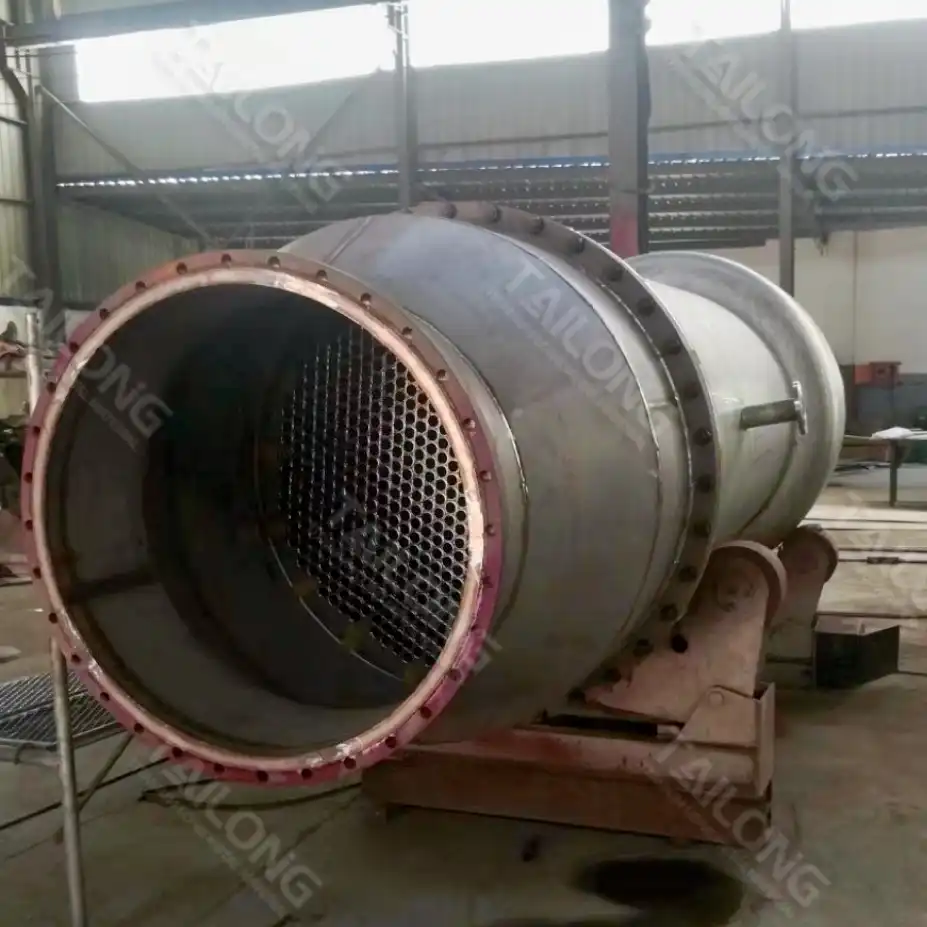
Conclusion
Composite pressure vessels have undeniably revolutionized the aerospace industry, offering unprecedented advantages in weight reduction, strength, and adaptability. As we look to the future of space exploration and advanced aircraft design, these innovative components will continue to play a pivotal role. Their ability to enhance fuel efficiency, increase payload capacity, and withstand extreme environments makes them indispensable for future missions. With ongoing advancements in materials science and manufacturing techniques, composite pressure vessels are set to unlock new possibilities in aerospace, pushing the boundaries of what we can achieve in the skies and beyond.
Shaanxi Tilong Metal Material Co., Ltd., located in Shaanxi, China, is at the forefront of this technological revolution. As a manufacturer with a complete production chain, Tilong specializes in high-performance titanium, titanium alloys, and titanium composite materials that are crucial for aerospace applications. Their products, known for excellent strength, corrosion resistance, and heat resistance, are widely used in aerospace, automotive, electronics, and energy industries. Tilong's commitment to innovation and quality control ensures that they remain a leader in providing efficient and reliable solutions for the evolving needs of the aerospace sector. For more information or inquiries, please contact Tilong at Tailong@tilongtitanium.com.
References
1. Smith, J. A. (2022). Advancements in Composite Pressure Vessel Technology for Aerospace Applications. Journal of Aerospace Engineering, 35(2), 145-160.
2. Chen, L., & Johnson, R. (2021). Material Science Innovations in Composite Pressure Vessels. Advanced Materials Research, 18(4), 412-428.
3. Williams, K. R. (2023). The Impact of Composite Pressure Vessels on Space Exploration. Space Technology Review, 42(3), 278-295.
4. Brown, M. E., & Davis, S. (2022). Lightweight Strength: A Comprehensive Study of Composite Pressure Vessels in Aerospace. International Journal of Aerospace Sciences, 9(2), 87-103.
5. Taylor, N. J. (2021). Future-Proofing Space Missions: The Role of Advanced Composite Pressure Vessels. Acta Astronautica, 185, 156-171.
6. Garcia, R. L., & Thompson, P. (2023). Manufacturing Techniques for Next-Generation Aerospace Composite Pressure Vessels. Composites Manufacturing, 14(3), 201-218.
Related products