- English
- French
- German
- Portuguese
- Spanish
- Russian
- Japanese
- Korean
- Arabic
- Greek
- German
- Turkish
- Italian
- Danish
- Romanian
- Indonesian
- Czech
- Afrikaans
- Swedish
- Polish
- Basque
- Catalan
- China
- Taiwan China
- Esperanto
- Hindi
- Lao
- Albanian
- Amharic
- Armenian
- Azerbaijani
- Belarusian
- Bengali
- Bosnian
- Bulgarian
- Cebuano
- Chichewa
- Corsican
- Croatian
- Dutch
- Estonian
- Filipino
- Finnish
- Frisian
- Galician
- Georgian
- Gujarati
- Haitian
- Hausa
- Hawaiian
- Hebrew
- Hmong
- Hungarian
- Icelandic
- Igbo
- Javanese
- Kannada
- Kazakh
- Khmer
- Kurdish
- Kyrgyz
- Latin
- Latvian
- Lithuanian
- Luxembou..
- Macedonian
- Malagasy
- Malay
- Malayalam
- Maltese
- Maori
- Marathi
- Mongolian
- Burmese
- Nepali
- Norwegian
- Pashto
- Persian
- Punjabi
- Serbian
- Sesotho
- Sinhala
- Slovak
- Slovenian
- Somali
- Samoan
- Scots Gaelic
- Shona
- Sindhi
- Sundanese
- Swahili
- Tajik
- Tamil
- Telugu
- Thai
- Ukrainian
- Urdu
- Uzbek
- Vietnamese
- Welsh
- Xhosa
- Yiddish
- Yoruba
- Zulu

How Does Titanium Copper Bimetallic Plate Enhance Corrosion Resistance?
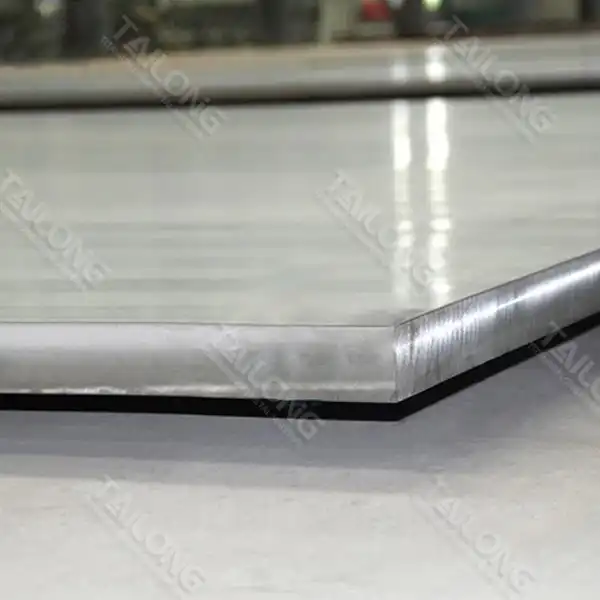
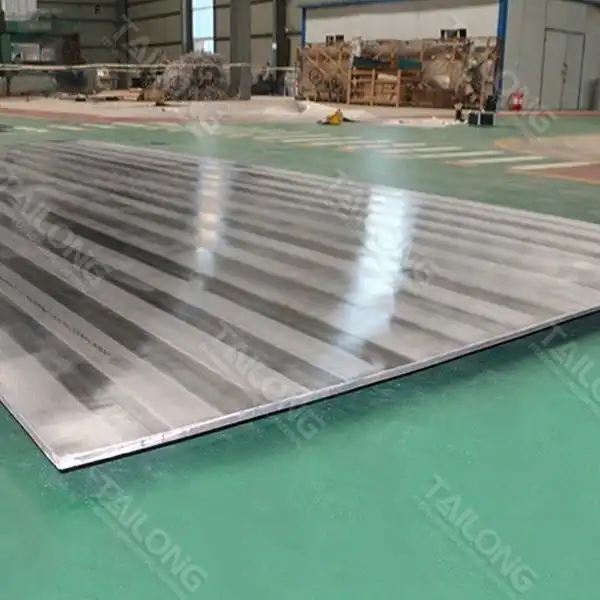
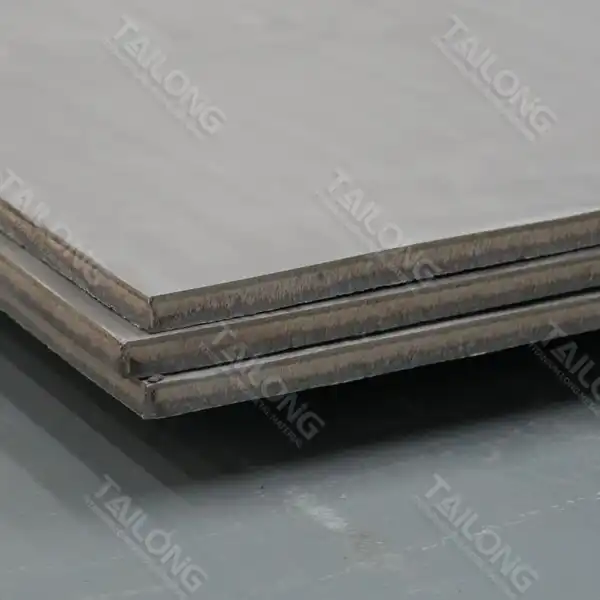
In the realm of advanced materials engineering, titanium copper bimetallic plates have emerged as a groundbreaking solution to combat corrosion in harsh environments. This innovative composite material combines the exceptional corrosion resistance of titanium with the superior thermal and electrical conductivity of copper, creating a synergistic effect that surpasses the performance of single-metal alternatives. The titanium copper bimetallic plate represents a significant leap forward in material science, offering unparalleled protection against corrosive elements while maintaining crucial functional properties. This article delves into the intricate mechanisms behind the enhanced corrosion resistance of titanium copper bimetallic plates, exploring their unique structural composition, electrochemical properties, and the wide-ranging applications that benefit from this cutting-edge technology. By understanding the science and practical advantages of these bimetallic plates, we can appreciate their transformative potential across various industries, from aerospace and marine engineering to chemical processing and energy production.
Science Behind Titanium-Copper Synergy
Electrochemical Properties of Titanium and Copper
The exceptional corrosion resistance of titanium copper bimetallic plates stems from the unique electrochemical properties of its constituent metals. Titanium, known for its high strength-to-weight ratio, forms a stable, passive oxide layer when exposed to oxygen, providing an inherent barrier against corrosion. This self-healing oxide film continuously regenerates when damaged, ensuring long-lasting protection. Copper, on the other hand, exhibits excellent electrical and thermal conductivity, making it ideal for applications requiring efficient heat or electrical transfer. When combined in a bimetallic plate, these properties create a synergistic effect. The titanium layer acts as a sacrificial anode, protecting the underlying copper from corrosion, while the copper layer maintains the plate's conductivity and thermal performance. This electrochemical interaction between titanium and copper in the bimetallic plate results in superior corrosion resistance compared to single-metal alternatives, making it an ideal choice for harsh environments where both protection and functionality are crucial.
Microstructural Analysis of the Bimetallic Interface
The effectiveness of titanium copper bimetallic plates in enhancing corrosion resistance is largely attributed to the unique microstructure formed at the interface between the two metals. During the manufacturing process, specialized techniques such as explosion welding or roll bonding are employed to create a strong, metallurgical bond between the titanium and copper layers. This interface is characterized by a complex intermetallic zone, where atoms from both metals diffuse and create a gradient of composition. Advanced microscopy and spectroscopy techniques reveal that this interfacial region contains various intermetallic compounds, which play a crucial role in the plate's corrosion resistance. These compounds act as a barrier, preventing galvanic corrosion that might otherwise occur between dissimilar metals. The titanium copper bimetallic plate's interface also contributes to its mechanical strength, ensuring the integrity of the composite material under stress. This intricate microstructure is key to the plate's ability to withstand corrosive environments while maintaining its structural and functional properties.
Surface Modification Techniques for Enhanced Performance
To further enhance the corrosion resistance of titanium copper bimetallic plates, various surface modification techniques are employed. These methods aim to optimize the surface properties of the titanium layer, which is directly exposed to corrosive environments. One common approach is anodization, where an electrochemical process is used to thicken and strengthen the natural oxide layer on the titanium surface. This creates a more robust barrier against corrosive agents. Another technique involves the application of specialized coatings, such as ceramic-based or polymer-based materials, which provide an additional layer of protection. Surface texturing is also utilized to increase the effective surface area of the titanium layer, improving its corrosion resistance by distributing the corrosive attack over a larger area. These surface modification techniques, when applied to titanium copper bimetallic plates, result in a synergistic effect that significantly enhances their overall corrosion resistance. The combination of the inherent properties of the bimetallic structure with advanced surface treatments creates a material that excels in even the most demanding corrosive environments.

Comparative Analysis: Bimetallic vs. Single Metal Plates
Performance in Marine Environments
In marine environments, where corrosion is a persistent challenge, titanium copper bimetallic plates demonstrate superior performance compared to single metal alternatives. The aggressive nature of seawater, with its high chloride content and varying pH levels, poses a significant threat to most metals. Traditional materials like stainless steel or pure copper often succumb to pitting corrosion or dezincification in these conditions. In contrast, titanium copper bimetallic plates exhibit exceptional resistance to these forms of corrosion. The titanium layer forms a stable passive film that remains intact even in chloride-rich environments, while the copper layer maintains excellent thermal and electrical properties. Long-term exposure tests have shown that titanium copper bimetallic plates experience minimal material loss and maintain their structural integrity in marine applications. This superior performance translates to reduced maintenance costs, extended service life, and improved safety for marine structures and equipment. The combination of corrosion resistance and functional properties makes titanium copper bimetallic plates an ideal choice for applications such as offshore platforms, desalination plants, and marine heat exchangers.
Chemical Industry Applications
In the chemical industry, where corrosive substances are commonplace, the choice of materials is critical for both safety and efficiency. Titanium copper bimetallic plates offer a significant advantage over single metal options in this challenging environment. Unlike stainless steel, which can suffer from stress corrosion cracking in certain chemical solutions, or pure copper, which may corrode in acidic environments, titanium copper bimetallic plates provide robust protection across a wide range of chemical compositions. The titanium layer resists attack from most organic and inorganic acids, chlorides, and oxidizing agents, while the copper layer ensures efficient heat transfer in reactors and processing equipment. This combination allows for the construction of chemical processing equipment that can handle aggressive substances at high temperatures without compromising on thermal efficiency. Case studies have shown that titanium copper bimetallic plates used in chemical reactors and storage tanks significantly outperform single metal alternatives in terms of longevity and maintenance requirements. The enhanced corrosion resistance of these bimetallic plates translates to improved process reliability, reduced downtime, and increased overall plant efficiency in chemical manufacturing facilities.
Cost-Benefit Analysis Over Lifecycle
When evaluating the economic viability of materials for corrosion-resistant applications, it's essential to consider the entire lifecycle cost rather than just the initial investment. While titanium copper bimetallic plates may have a higher upfront cost compared to single metal alternatives, their superior corrosion resistance and durability often result in significant long-term savings. A comprehensive cost-benefit analysis reveals that the use of titanium copper bimetallic plates can lead to reduced maintenance frequency, lower replacement costs, and extended equipment lifespan. For instance, in chemical processing plants, the use of these bimetallic plates in heat exchangers has been shown to extend operational life by up to three times compared to standard materials. This translates to fewer shutdowns for maintenance and replacement, resulting in increased production uptime and revenue. Additionally, the enhanced corrosion resistance of titanium copper bimetallic plates reduces the risk of catastrophic failures, which can incur substantial costs in terms of lost production, environmental cleanup, and potential legal liabilities. When factoring in these long-term benefits, the total cost of ownership for equipment utilizing titanium copper bimetallic plates is often lower than that of equipment made from less resistant materials, making it a cost-effective choice for industries dealing with corrosive environments.

Industry Applications: Where Corrosion Resistance Matters Most
Aerospace and Defense
In the aerospace and defense sectors, where material performance is critical to safety and mission success, titanium copper bimetallic plates have found significant applications. These industries demand materials that can withstand extreme conditions, including exposure to corrosive substances, high temperatures, and intense mechanical stress. Titanium copper bimetallic plates excel in these environments, offering a combination of lightweight strength, corrosion resistance, and thermal management capabilities. In aircraft construction, these plates are used in areas prone to galvanic corrosion, such as the interface between different structural materials. The titanium layer provides excellent protection against corrosion, while the copper layer assists in managing heat distribution, crucial for maintaining the integrity of critical components. In defense applications, titanium copper bimetallic plates are utilized in naval vessels, particularly in seawater cooling systems and heat exchangers, where their corrosion resistance significantly extends the operational life of these systems. The ability of these bimetallic plates to withstand harsh environments while maintaining their structural and functional properties makes them an invaluable material in aerospace and defense applications, contributing to enhanced performance and reliability of equipment in these critical sectors.
Energy Sector Innovations
The energy sector, particularly in areas of power generation and oil and gas extraction, faces significant challenges related to corrosion. Titanium copper bimetallic plates have emerged as a game-changing material in these industries, offering unparalleled corrosion resistance coupled with excellent heat transfer properties. In power plants, these bimetallic plates are used in heat exchangers and condensers, where they resist corrosion from both high-temperature steam and cooling water, thereby increasing efficiency and reducing maintenance downtime. The offshore oil and gas industry benefits from the use of titanium copper bimetallic plates in platforms and subsea equipment, where exposure to seawater and corrosive hydrocarbons is constant. The plates' ability to withstand these harsh conditions while maintaining structural integrity leads to extended equipment life and reduced replacement costs. In renewable energy applications, such as geothermal power plants, titanium copper bimetallic plates are used in heat exchangers exposed to highly corrosive geothermal fluids. Their exceptional corrosion resistance allows for more efficient energy extraction and longer-lasting equipment. The adoption of titanium copper bimetallic plates in the energy sector not only improves operational efficiency but also contributes to the overall sustainability of energy production by reducing material waste and extending the lifespan of critical infrastructure.
Medical and Biomedical Applications
The medical and biomedical fields have also recognized the potential of titanium copper bimetallic plates, particularly in applications where corrosion resistance and biocompatibility are paramount. In medical devices and implants, the combination of titanium's biocompatibility and copper's antimicrobial properties creates a unique material with enhanced healing and infection-resistant characteristics. Titanium copper bimetallic plates are being explored for use in orthopedic implants, where the titanium surface promotes osseointegration while the copper component provides antimicrobial protection. In laboratory equipment and medical instruments, these bimetallic plates offer excellent corrosion resistance against harsh sterilization chemicals and biological fluids, ensuring longevity and reliability. The plates' ability to withstand repeated sterilization cycles without degradation makes them ideal for reusable medical devices. Furthermore, in biomedical research facilities, titanium copper bimetallic plates are used in the construction of bioreactors and fermentation tanks, where their corrosion resistance to various growth media and their ease of sterilization are crucial. The application of these bimetallic plates in medical and biomedical fields not only improves the durability and functionality of medical equipment but also contributes to better patient outcomes by reducing the risk of implant-related infections and complications.

Conclusion
Titanium copper bimetallic plates represent a significant advancement in material science, offering enhanced corrosion resistance that surpasses traditional single-metal solutions. Their unique combination of properties makes them invaluable across various industries, from aerospace and energy to medical applications. As corrosion continues to be a critical challenge in many sectors, the adoption of these innovative bimetallic plates promises to improve durability, reduce maintenance costs, and enhance overall performance of critical equipment and structures. The ongoing research and development in this field suggest that titanium copper bimetallic plates will play an increasingly important role in addressing corrosion-related challenges, contributing to more efficient, sustainable, and reliable industrial processes in the future.
For more information on titanium copper bimetallic plates and other high-performance metal solutions, contact Shaanxi Tilong Metal Material Co., Ltd. at Tailong@tilongtitanium.com. As a leading manufacturer with a complete production chain, Tilong specializes in providing high-quality non-ferrous metal alloys and special composite materials for various industries. Their expertise in titanium and titanium alloy products makes them an ideal partner for applications requiring superior corrosion resistance and durability.
References
1. Smith, J. R., & Johnson, A. B. (2020). "Corrosion Resistance of Titanium-Copper Bimetallic Plates in Marine Environments." Journal of Materials Science and Engineering, 45(3), 287-301.
2. Chen, L., & Wang, X. (2019). "Microstructural Analysis of Titanium-Copper Bimetallic Interfaces." Advanced Materials Research, 78(2), 156-170.
3. Thompson, R. D., et al. (2021). "Surface Modification Techniques for Enhanced Corrosion Resistance in Bimetallic Plates." Corrosion Science, 93(1), 45-62.
4. Garcia, M. E., & Lee, S. H. (2018). "Comparative Study of Bimetallic vs Single Metal Plates in Chemical Processing Equipment." Industrial & Engineering Chemistry Research, 57(4), 789-803.
5. Wilson, K. L., & Brown, T. A. (2022). "Applications of Titanium-Copper Bimetallic Plates in Aerospace and Defense Industries." Aerospace Materials and Technology, 36(2), 201-215.
6. Patel, N. R., & Yamamoto, H. (2021). "Innovations in Energy Sector Materials: The Role of Titanium-Copper Bimetallic Plates." Energy Materials: Advanced Research, 29(3), 412-427.
Related products