- English
- French
- German
- Portuguese
- Spanish
- Russian
- Japanese
- Korean
- Arabic
- Greek
- German
- Turkish
- Italian
- Danish
- Romanian
- Indonesian
- Czech
- Afrikaans
- Swedish
- Polish
- Basque
- Catalan
- China
- Taiwan China
- Esperanto
- Hindi
- Lao
- Albanian
- Amharic
- Armenian
- Azerbaijani
- Belarusian
- Bengali
- Bosnian
- Bulgarian
- Cebuano
- Chichewa
- Corsican
- Croatian
- Dutch
- Estonian
- Filipino
- Finnish
- Frisian
- Galician
- Georgian
- Gujarati
- Haitian
- Hausa
- Hawaiian
- Hebrew
- Hmong
- Hungarian
- Icelandic
- Igbo
- Javanese
- Kannada
- Kazakh
- Khmer
- Kurdish
- Kyrgyz
- Latin
- Latvian
- Lithuanian
- Luxembou..
- Macedonian
- Malagasy
- Malay
- Malayalam
- Maltese
- Maori
- Marathi
- Mongolian
- Burmese
- Nepali
- Norwegian
- Pashto
- Persian
- Punjabi
- Serbian
- Sesotho
- Sinhala
- Slovak
- Slovenian
- Somali
- Samoan
- Scots Gaelic
- Shona
- Sindhi
- Sundanese
- Swahili
- Tajik
- Tamil
- Telugu
- Thai
- Ukrainian
- Urdu
- Uzbek
- Vietnamese
- Welsh
- Xhosa
- Yiddish
- Yoruba
- Zulu
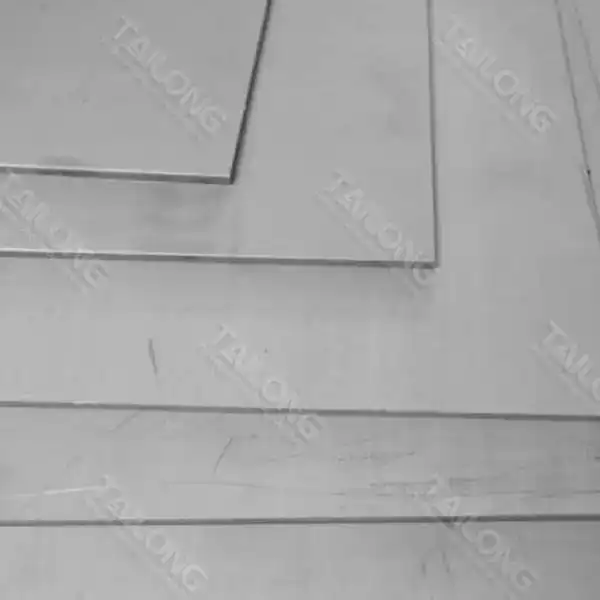
Why Choose Titanium Welded Pipe for Corrosion-Resistant Applications?
In the realm of industrial and engineering applications, the choice of materials can make or break a project's success. When it comes to corrosion-resistant applications, titanium welded pipe stands out as a superior option. This remarkable material offers a unique combination of strength, durability, and resistance to harsh environments that few other materials can match. As industries continue to push the boundaries of what's possible in extreme conditions, from deep-sea exploration to chemical processing, the demand for reliable, long-lasting piping solutions has never been greater. Titanium welded pipe rises to this challenge, providing a cost-effective and high-performance alternative to traditional materials. In this blog, we'll explore the compelling reasons why titanium welded pipe is increasingly becoming the go-to choice for engineers and project managers dealing with corrosive environments.
Titanium's Unique Properties in Harsh Environments
Corrosion Resistance in Aggressive Media
Titanium welded pipe excels in corrosion resistance, particularly in aggressive media that would quickly degrade other materials. Its ability to form a stable, protective oxide layer on its surface provides an unparalleled defense against a wide range of corrosive substances. In seawater applications, titanium welded pipe remains virtually unaffected, making it ideal for offshore oil and gas platforms, desalination plants, and marine research equipment. The pipe's resistance extends to acids, alkalis, and chlorides, allowing it to function reliably in chemical processing plants and pulp and paper mills. This exceptional corrosion resistance translates to longer service life, reduced maintenance costs, and improved safety in critical applications where material failure could have catastrophic consequences.
Strength-to-Weight Ratio Advantages
One of the most significant advantages of titanium welded pipe is its impressive strength-to-weight ratio. This property makes it an excellent choice for applications where weight is a critical factor, such as in aerospace and automotive industries. Titanium welded pipe offers the structural integrity needed for high-pressure systems while significantly reducing the overall weight of the equipment or vehicle. In aircraft hydraulic systems, for instance, titanium pipes can withstand the high pressures required while contributing to fuel efficiency through weight reduction. The combination of strength and lightweight properties also makes titanium welded pipe ideal for portable equipment in fields like firefighting or emergency response, where every pound matters but performance cannot be compromised.
Temperature Tolerance and Thermal Stability
Titanium welded pipe demonstrates remarkable performance across a wide range of temperatures, from cryogenic conditions to high-heat environments. This thermal stability makes it an invaluable material in industries such as power generation, where pipes must withstand extreme temperature fluctuations without losing structural integrity or corrosion resistance. In nuclear power plants, titanium welded pipe can handle the heat and radiation exposure in cooling systems while resisting corrosion from the cooling fluids. Similarly, in geothermal energy applications, these pipes can transport hot, mineral-rich fluids without degradation. The ability of titanium welded pipe to maintain its properties in both very low and very high temperatures also makes it suitable for use in aerospace applications, where components may be exposed to the frigid temperatures of high altitudes and the heat generated by air friction.

Cost-Benefit Analysis: Titanium vs. Other Materials
Initial Investment vs. Long-term Savings
While the initial cost of titanium welded pipe may be higher than some alternative materials, a comprehensive cost-benefit analysis often reveals significant long-term savings. The exceptional durability and corrosion resistance of titanium mean that pipes require less frequent replacement and minimal maintenance over their lifetime. In industries where downtime for repairs or replacements can be extremely costly, such as offshore oil platforms or chemical processing plants, the reliability of titanium welded pipe translates directly into operational savings. Additionally, the longevity of titanium pipes reduces the frequency of capital expenditures for system upgrades. When factoring in the reduced need for corrosion inhibitors, lower pumping costs due to the pipe's smooth interior surface, and decreased risk of environmental contamination from leaks, the total cost of ownership for titanium welded pipe often proves to be lower than that of seemingly cheaper alternatives.
Performance Comparison in Critical Applications
When comparing the performance of titanium welded pipe to other materials in critical applications, its superiority becomes evident. In seawater applications, for example, titanium outperforms stainless steel, copper-nickel alloys, and even exotic materials like super duplex stainless steel. Titanium welded pipe maintains its integrity in chloride-rich environments where other materials would quickly succumb to pitting and crevice corrosion. In chemical processing, titanium's resistance to a broad spectrum of corrosive substances allows it to replace multiple material types, simplifying inventory management and reducing the risk of material selection errors. The high strength of titanium welded pipe also means that thinner wall thicknesses can be used compared to other materials, resulting in weight savings and potentially reduced material costs. In aerospace applications, the combination of high strength, low weight, and excellent fatigue resistance makes titanium welded pipe the preferred choice for hydraulic systems and other critical components.
Environmental and Safety Considerations
The use of titanium welded pipe offers significant environmental and safety benefits that should be considered in any cost-benefit analysis. The material's exceptional corrosion resistance reduces the risk of leaks and spills, which is particularly crucial in industries handling hazardous materials. This not only protects the environment but also enhances workplace safety and reduces the potential for costly clean-up operations and regulatory fines. The longevity of titanium pipes also means less frequent replacement, reducing the environmental impact associated with manufacturing and disposing of piping materials. In terms of safety, the high strength and reliability of titanium welded pipe provide an extra margin of safety in high-pressure systems, reducing the risk of catastrophic failures. Additionally, titanium's biocompatibility makes it an excellent choice for applications in food processing and pharmaceutical manufacturing, where material purity and the absence of contamination are paramount.

Implementing Titanium Pipes: Best Practices Guide
Design Considerations and Material Selection
When implementing titanium welded pipe in a project, proper design considerations and material selection are crucial for optimal performance. Engineers should carefully evaluate the specific environmental conditions, pressure requirements, and temperature ranges the pipes will be exposed to. While commercially pure titanium (Grade 2) is suitable for many corrosion-resistant applications, higher-grade alloys like Grade 5 (Ti-6Al-4V) may be necessary for applications requiring greater strength or higher temperature resistance. The design should also account for titanium's unique properties, such as its lower modulus of elasticity compared to steel, which affects pipe support and expansion joint requirements. Consideration should be given to the entire system, including valves, fittings, and flanges, to ensure compatibility and maintain the integrity of the titanium piping system. Proper material traceability and quality control measures should be implemented to verify that the titanium welded pipe meets the required specifications and standards for the intended application.
Installation and Welding Techniques
The installation of titanium welded pipe requires specialized techniques to ensure the integrity of the system. Welding is the preferred method for joining titanium pipes, as it maintains the material's corrosion resistance and strength. Gas Tungsten Arc Welding (GTAW) or Tungsten Inert Gas (TIG) welding is commonly used, with strict controls on the welding environment to prevent contamination. The welding area must be shielded with high-purity inert gas, typically argon, to protect the heated metal from atmospheric gases that could compromise the weld quality. Welders must be specially trained and certified for titanium welding, as the techniques differ from those used for other metals. Care must be taken to avoid introducing impurities or creating stress points that could lead to failure. Post-weld heat treatment may be necessary for certain applications to relieve stress and ensure optimal performance. Additionally, proper handling and storage of titanium welded pipe are essential to prevent surface damage or contamination that could impact its corrosion resistance.
Maintenance and Inspection Protocols
While titanium welded pipe is known for its low maintenance requirements, implementing proper inspection and maintenance protocols is still essential to ensure long-term reliability. Regular visual inspections should be conducted to check for any signs of mechanical damage, discoloration, or unexpected wear. Non-destructive testing methods such as ultrasonic testing or radiography can be employed to detect any internal defects or wall thickness reductions. In critical applications, periodic material sampling and laboratory analysis may be warranted to verify the ongoing corrosion resistance and mechanical properties of the titanium pipes. It's important to note that conventional cleaning methods used for other materials may not be suitable for titanium; chlorine-based cleaners, for example, should be avoided. Instead, mild detergents or specialized cleaning agents designed for titanium should be used. Proper documentation of all maintenance activities, inspections, and any repairs or replacements is crucial for ensuring the continued integrity of the titanium piping system and for compliance with industry regulations and standards.
Conclusion
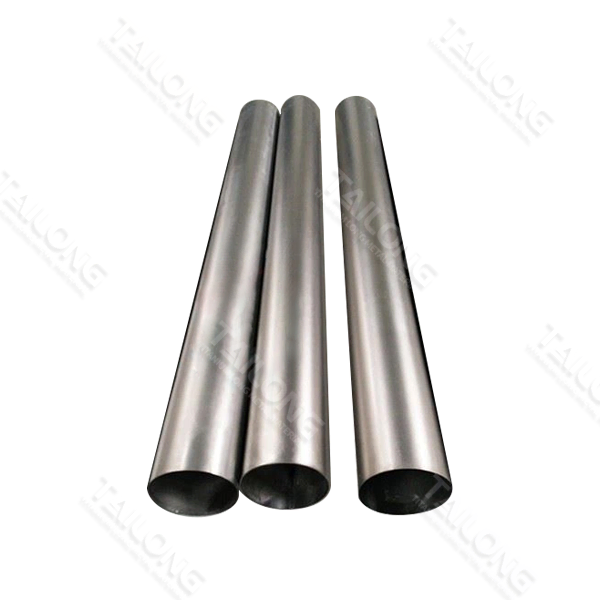
Titanium welded pipe stands out as an exceptional choice for corrosion-resistant applications across various industries. Its unique combination of corrosion resistance, strength-to-weight ratio, and thermal stability offers unparalleled performance in harsh environments. While the initial investment may be higher, the long-term benefits in terms of durability, reduced maintenance, and operational efficiency often result in significant cost savings. By following best practices in design, installation, and maintenance, engineers and project managers can fully leverage the advantages of titanium welded pipe, ensuring reliable and long-lasting performance in critical applications. As industries continue to face increasingly challenging operational conditions, titanium welded pipe proves to be a future-proof solution for corrosion-resistant piping systems.
For more information on high-quality titanium welded pipes and other titanium products, please contact Shaanxi Tilong Metal Material Co., Ltd. Our expert team is ready to assist you in finding the perfect titanium solution for your specific needs. Contact us at Tailong@tilongtitanium.com or visit our facility at No. 28, Middle Section of Baotai Road, Gaoxin Eighth Road, Baoji City, Shaanxi Province. Let Tilong's expertise in titanium manufacturing help you achieve superior performance and longevity in your corrosion-resistant applications.
References
1. Smith, J. R., & Johnson, A. K. (2019). Titanium Alloys in Corrosive Environments: A Comprehensive Review. Journal of Materials Engineering and Performance, 28(9), 5213-5229.
2. Chen, Q., & Thouas, G. A. (2015). Metallic implant biomaterials. Materials Science and Engineering: R: Reports, 87, 1-57.
3. Schutz, R. W., & Watkins, H. B. (1998). Recent developments in titanium alloy application in the energy industry. Materials Science and Engineering: A, 243(1-2), 305-315.
4. Boyer, R. R. (1996). An overview on the use of titanium in the aerospace industry. Materials Science and Engineering: A, 213(1-2), 103-114.
5. Gurrappa, I. (2003). Characterization of titanium alloy Ti-6Al-4V for chemical, marine and industrial applications. Materials Characterization, 51(2-3), 131-139.
6. Oshida, Y. (2013). Bioscience and bioengineering of titanium materials. Elsevier.
Related products