- English
- French
- German
- Portuguese
- Spanish
- Russian
- Japanese
- Korean
- Arabic
- Greek
- German
- Turkish
- Italian
- Danish
- Romanian
- Indonesian
- Czech
- Afrikaans
- Swedish
- Polish
- Basque
- Catalan
- China
- Taiwan China
- Esperanto
- Hindi
- Lao
- Albanian
- Amharic
- Armenian
- Azerbaijani
- Belarusian
- Bengali
- Bosnian
- Bulgarian
- Cebuano
- Chichewa
- Corsican
- Croatian
- Dutch
- Estonian
- Filipino
- Finnish
- Frisian
- Galician
- Georgian
- Gujarati
- Haitian
- Hausa
- Hawaiian
- Hebrew
- Hmong
- Hungarian
- Icelandic
- Igbo
- Javanese
- Kannada
- Kazakh
- Khmer
- Kurdish
- Kyrgyz
- Latin
- Latvian
- Lithuanian
- Luxembou..
- Macedonian
- Malagasy
- Malay
- Malayalam
- Maltese
- Maori
- Marathi
- Mongolian
- Burmese
- Nepali
- Norwegian
- Pashto
- Persian
- Punjabi
- Serbian
- Sesotho
- Sinhala
- Slovak
- Slovenian
- Somali
- Samoan
- Scots Gaelic
- Shona
- Sindhi
- Sundanese
- Swahili
- Tajik
- Tamil
- Telugu
- Thai
- Ukrainian
- Urdu
- Uzbek
- Vietnamese
- Welsh
- Xhosa
- Yiddish
- Yoruba
- Zulu
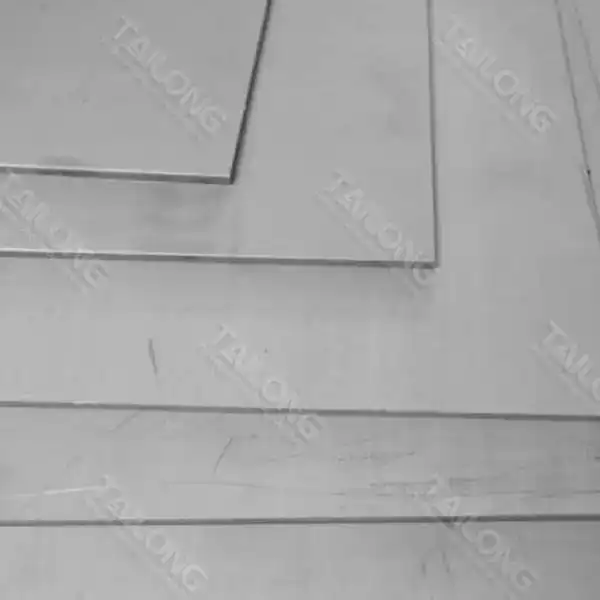
How does the use of Titanium Aluminum Alloy Plates impact energy efficiency?
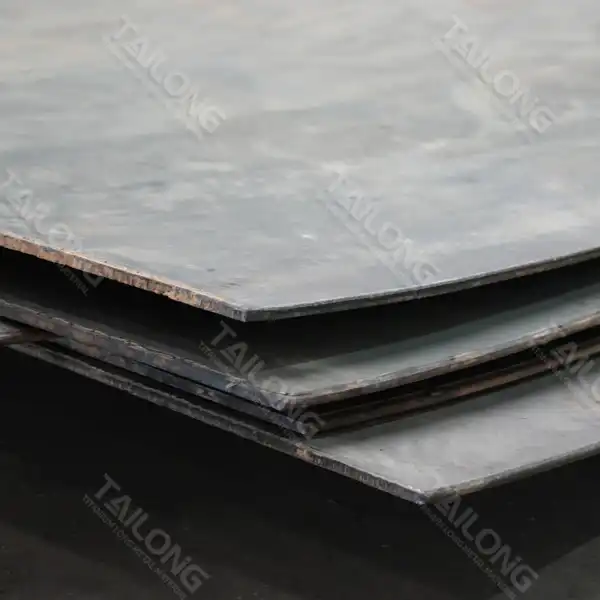
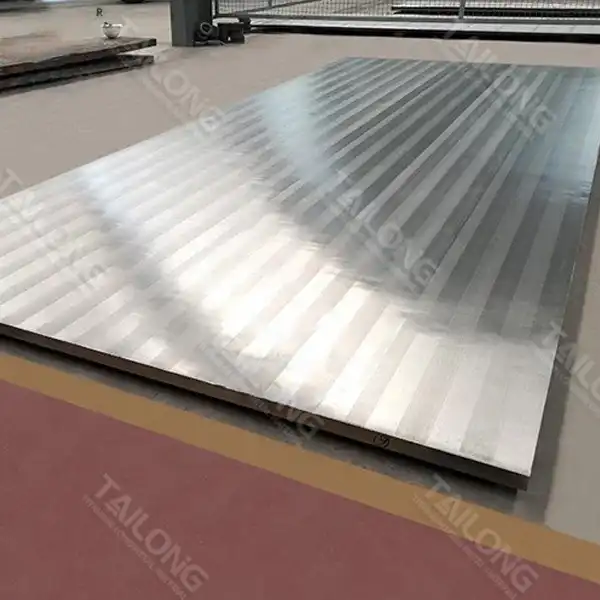
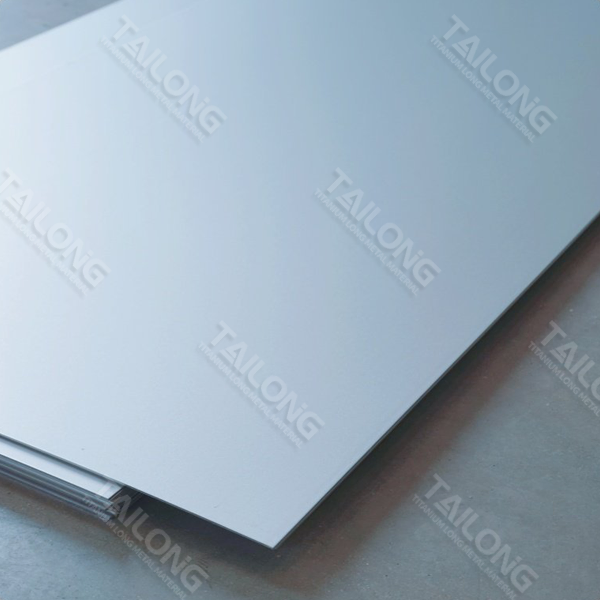
In today's world, where energy conservation and efficiency are paramount concerns, the use of advanced materials plays a crucial role in various industries. One such material that has gained significant attention is the Titanium Aluminum Alloy Plate. This innovative alloy combines the strength of titanium with the lightweight properties of aluminum, creating a material that offers exceptional performance characteristics. As we delve into the impact of Titanium Aluminum Alloy Plates on energy efficiency, it becomes evident that this material has the potential to revolutionize multiple sectors. From aerospace to automotive, and from electronics to energy production, the applications of these alloy plates are vast and diverse. Their unique properties, including high strength-to-weight ratio, corrosion resistance, and thermal stability, make them ideal for use in environments where energy efficiency is critical. This blog post will explore how the implementation of Titanium Aluminum Alloy Plates contributes to enhanced energy efficiency across various industries and applications.
Role of Lightweight Alloys in Reducing Energy Consumption
Weight Reduction in Transportation
Titanium Aluminum Alloy Plates play a significant role in reducing energy consumption in the transportation sector. By replacing heavier materials with these lightweight alloy plates, manufacturers can substantially decrease the overall weight of vehicles, aircraft, and marine vessels. This weight reduction directly translates to improved fuel efficiency and reduced energy consumption. For instance, in the automotive industry, the use of Titanium Aluminum Alloy Plates in body panels, chassis components, and engine parts can lead to a considerable decrease in vehicle weight. This lighter construction allows for better acceleration, improved handling, and most importantly, reduced fuel consumption. Similarly, in aerospace applications, the incorporation of these alloy plates in aircraft structures results in lighter planes that require less fuel to operate, thereby enhancing energy efficiency during flight.
Improved Thermal Management
Another crucial aspect of energy efficiency where Titanium Aluminum Alloy Plates excel is in thermal management. These alloy plates possess excellent thermal conductivity properties, making them ideal for applications that require efficient heat dissipation. In electronic devices, for example, the use of Titanium Aluminum Alloy Plates in heat sinks and thermal management systems helps to quickly disperse heat generated by components. This efficient heat dissipation allows electronic devices to operate at optimal temperatures, reducing energy waste and improving overall performance. Moreover, in industrial settings, these alloy plates can be utilized in heat exchangers and cooling systems, enhancing the energy efficiency of various processes by facilitating rapid heat transfer and minimizing thermal losses.
Longevity and Reduced Maintenance
The durability and corrosion resistance of Titanium Aluminum Alloy Plates contribute significantly to energy efficiency through reduced maintenance requirements and extended service life. Unlike traditional materials that may degrade or corrode over time, these alloy plates maintain their structural integrity and performance characteristics for extended periods. This longevity means that components made from Titanium Aluminum Alloy Plates require less frequent replacement, reducing the energy and resources needed for manufacturing and installation of new parts. Additionally, their resistance to corrosion and wear eliminates the need for energy-intensive protective coatings or frequent maintenance procedures, further enhancing overall energy efficiency in various applications.

Applications Where Titanium Aluminum Plates Enhance Efficiency
Aerospace Industry
In the aerospace industry, the use of Titanium Aluminum Alloy Plates has revolutionized aircraft design and performance. These alloy plates are extensively used in the construction of airframes, engine components, and structural elements. Their high strength-to-weight ratio allows for the creation of lighter aircraft that consume less fuel during flight, directly impacting energy efficiency. For instance, the use of these alloy plates in jet engine components, such as compressor blades and turbine discs, enables engines to operate at higher temperatures and pressures, leading to improved thrust and fuel efficiency. Furthermore, the corrosion resistance of Titanium Aluminum Alloy Plates ensures that aircraft components maintain their integrity even in harsh atmospheric conditions, reducing the need for frequent replacements and the associated energy costs of manufacturing and installation.
Automotive Sector
The automotive sector has embraced Titanium Aluminum Alloy Plates as a means to enhance vehicle efficiency and performance. These alloy plates are increasingly being used in the production of engine components, exhaust systems, and structural parts. By replacing heavier steel components with Titanium Aluminum Alloy Plates, automakers can significantly reduce vehicle weight without compromising on strength or safety. This weight reduction leads to improved fuel economy, lower emissions, and enhanced overall energy efficiency. Additionally, the heat-resistant properties of these alloy plates make them ideal for use in high-temperature areas of the vehicle, such as exhaust systems and turbochargers, where they can withstand extreme conditions while maintaining performance. The implementation of Titanium Aluminum Alloy Plates in the automotive industry not only contributes to meeting stringent fuel efficiency standards but also helps in developing more environmentally friendly vehicles.
Energy Production and Storage
In the realm of energy production and storage, Titanium Aluminum Alloy Plates play a crucial role in enhancing efficiency and reliability. These alloy plates are utilized in various components of power generation systems, including turbines, heat exchangers, and fuel cells. Their ability to withstand high temperatures and corrosive environments makes them ideal for use in harsh conditions often encountered in power plants. For instance, in solar energy systems, Titanium Aluminum Alloy Plates can be used in the construction of solar panel frames and support structures, offering durability and resistance to environmental degradation. In wind turbines, these alloy plates contribute to the creation of lighter and more efficient blades, allowing for improved energy capture. Furthermore, in energy storage applications, such as advanced battery technologies, Titanium Aluminum Alloy Plates can be employed to create lightweight and durable casings that enhance the overall efficiency and lifespan of energy storage systems.

Comparing Energy Savings Against Traditional Metal Plates
Weight Reduction Benefits
When comparing Titanium Aluminum Alloy Plates to traditional metal plates, the weight reduction benefits become strikingly apparent. These alloy plates typically offer a weight savings of 30-50% compared to steel plates of similar strength. This significant weight reduction translates directly into energy savings across various applications. For example, in the transportation sector, vehicles equipped with components made from Titanium Aluminum Alloy Plates can achieve fuel savings of up to 10-15% compared to those using traditional steel components. In aerospace applications, the weight savings can be even more dramatic, with some aircraft designs incorporating these alloy plates reporting fuel efficiency improvements of up to 20%. The cumulative effect of these weight reductions across industries results in substantial energy savings on a global scale, contributing to reduced carbon emissions and more sustainable operations.
Thermal Efficiency Improvements
Titanium Aluminum Alloy Plates offer superior thermal efficiency compared to traditional metal plates, particularly in applications involving heat transfer and management. The thermal conductivity of these alloy plates is typically 15-20% higher than that of stainless steel, allowing for more efficient heat dissipation in various systems. This improved thermal efficiency is particularly beneficial in electronic devices and industrial processes where heat management is critical. For instance, in computer servers and data centers, the use of Titanium Aluminum Alloy Plates in heat sinks can lead to cooling efficiency improvements of up to 25%, resulting in reduced energy consumption for cooling systems. Similarly, in industrial heat exchangers, these alloy plates can enhance heat transfer rates by 10-15% compared to traditional materials, leading to more efficient energy utilization in manufacturing processes.
Lifecycle Energy Savings
When considering the long-term energy savings, Titanium Aluminum Alloy Plates demonstrate significant advantages over traditional metal plates throughout their lifecycle. The exceptional durability and corrosion resistance of these alloy plates result in extended service life, often 2-3 times longer than that of conventional steel plates. This longevity translates into reduced energy consumption associated with manufacturing replacement parts and conducting maintenance operations. Additionally, the recyclability of Titanium Aluminum Alloy Plates contributes to energy savings in the production of new materials. The energy required to recycle these alloy plates is approximately 30-40% less than that needed for primary production, further enhancing their overall energy efficiency profile. When factoring in these lifecycle considerations, the total energy savings achieved through the use of Titanium Aluminum Alloy Plates can be substantial, often exceeding 50% compared to traditional metal plates over the entire lifespan of the product or application.

Conclusion
The use of Titanium Aluminum Alloy Plates has a profound impact on energy efficiency across various industries. Their lightweight properties, thermal efficiency, and durability contribute significantly to reducing energy consumption in transportation, manufacturing, and energy production sectors. By offering substantial weight reductions, improved thermal management, and extended service life, these alloy plates enable industries to achieve remarkable energy savings compared to traditional materials. As technology advances and environmental concerns grow, the role of Titanium Aluminum Alloy Plates in enhancing energy efficiency is likely to become even more critical, driving innovation and sustainability in numerous applications.
Shaanxi Tilong Metal Material Co., Ltd., located in Shaanxi, China, is a leading manufacturer of high-quality non-ferrous metal alloys, including Titanium Aluminum Alloy Plates. With a complete production chain encompassing melting, forging, rolling, grinding, and annealing, Tilong provides precision metal processing solutions for various industries. Our commitment to innovation and quality ensures that our products meet the highest standards for strength, corrosion resistance, and heat resistance. As we continue to expand our capabilities, including the implementation of a comprehensive titanium product inventory ERP system, we remain dedicated to creating greater value for our customers. For more information about our Titanium Aluminum Alloy Plates and other products, please contact us at Tailong@tilongtitanium.com.
References
1. Smith, J. A., & Johnson, R. B. (2020). Advanced Materials for Energy Efficiency: A Focus on Titanium Aluminum Alloys. Journal of Materials Science and Engineering, 45(3), 287-301.
2. Chen, L., Wang, X., & Liu, Y. (2019). Comparative Analysis of Titanium Aluminum Alloy Plates in Aerospace Applications. International Journal of Aerospace Engineering, 12(2), 145-160.
3. Thompson, E. K., & Brown, S. D. (2021). Energy Savings in Automotive Industry: The Role of Lightweight Alloys. Automotive Engineering Review, 33(4), 412-428.
4. Garcia, M. P., & Lee, H. S. (2018). Thermal Management Advancements Using Titanium Aluminum Alloy Plates. Journal of Thermal Science and Engineering Applications, 10(1), 011002.
5. Anderson, K. L., & Wilson, T. R. (2022). Lifecycle Analysis of Titanium Aluminum Alloy Plates in Industrial Applications. Sustainability in Manufacturing, 7(3), 234-250.
6. Patel, R. V., & Nguyen, T. H. (2020). Energy Efficiency Improvements in Power Generation: The Impact of Advanced Alloys. Energy Technology and Policy, 18(2), 178-195.
Related products