- English
- French
- German
- Portuguese
- Spanish
- Russian
- Japanese
- Korean
- Arabic
- Greek
- German
- Turkish
- Italian
- Danish
- Romanian
- Indonesian
- Czech
- Afrikaans
- Swedish
- Polish
- Basque
- Catalan
- China
- Taiwan China
- Esperanto
- Hindi
- Lao
- Albanian
- Amharic
- Armenian
- Azerbaijani
- Belarusian
- Bengali
- Bosnian
- Bulgarian
- Cebuano
- Chichewa
- Corsican
- Croatian
- Dutch
- Estonian
- Filipino
- Finnish
- Frisian
- Galician
- Georgian
- Gujarati
- Haitian
- Hausa
- Hawaiian
- Hebrew
- Hmong
- Hungarian
- Icelandic
- Igbo
- Javanese
- Kannada
- Kazakh
- Khmer
- Kurdish
- Kyrgyz
- Latin
- Latvian
- Lithuanian
- Luxembou..
- Macedonian
- Malagasy
- Malay
- Malayalam
- Maltese
- Maori
- Marathi
- Mongolian
- Burmese
- Nepali
- Norwegian
- Pashto
- Persian
- Punjabi
- Serbian
- Sesotho
- Sinhala
- Slovak
- Slovenian
- Somali
- Samoan
- Scots Gaelic
- Shona
- Sindhi
- Sundanese
- Swahili
- Tajik
- Tamil
- Telugu
- Thai
- Ukrainian
- Urdu
- Uzbek
- Vietnamese
- Welsh
- Xhosa
- Yiddish
- Yoruba
- Zulu
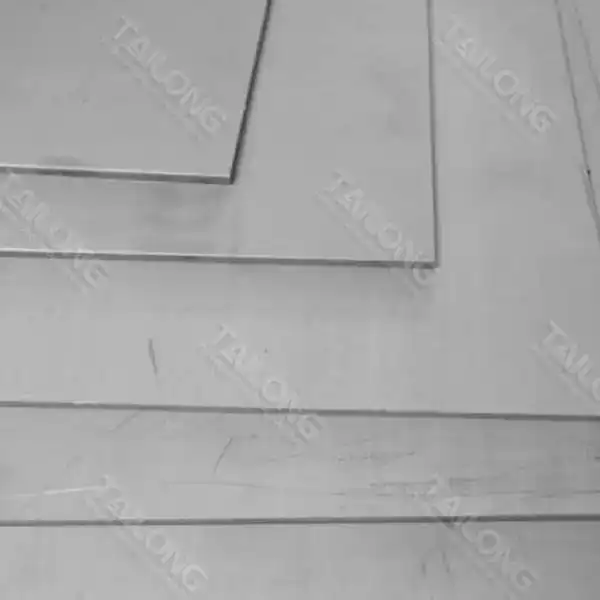
Why Choose Titanium Steel Clad Plate for Superior Corrosion Resistance?
In the world of industrial materials, the demand for superior corrosion resistance and exceptional durability has never been higher. Enter the titanium steel clad plate, a revolutionary composite material that combines the best of both worlds: the strength of steel and the corrosion-resistant properties of titanium. This innovative solution has been gaining traction across various industries due to its unique ability to withstand harsh environments while maintaining structural integrity. As we delve into the reasons why titanium steel clad plates are becoming the go-to choice for superior corrosion resistance, we'll explore the science behind their durability, the industries benefiting from their use, and the long-term cost-effectiveness they offer. Whether you're an engineer, a project manager, or simply curious about cutting-edge materials, understanding the advantages of titanium steel clad plates could be the key to unlocking new possibilities in your field.
The Science Behind Titanium Steel's Durability
Microstructure and Composition
The exceptional durability of titanium steel clad plate lies in its unique microstructure and composition. This innovative material combines a steel base with a layer of titanium, creating a synergistic effect that enhances overall performance. The steel core provides strength and structural integrity, while the titanium layer offers unparalleled corrosion resistance. The bonding process between these two materials is crucial, often achieved through advanced techniques such as explosion welding or hot rolling. This process ensures a metallurgical bond that prevents delamination and maintains the integrity of the titanium steel clad plate even under extreme conditions. The resulting microstructure exhibits a seamless transition between the steel and titanium layers, with minimal intermetallic compounds that could compromise the material's properties.
Electrochemical Properties
The superior corrosion resistance of titanium steel clad plate is largely attributed to its unique electrochemical properties. Titanium forms a stable, passive oxide layer on its surface when exposed to oxygen, which acts as a protective barrier against corrosive environments. This oxide layer is self-healing, meaning that if it's scratched or damaged, it quickly reforms, maintaining continuous protection. The steel core, meanwhile, benefits from this protective layer, significantly extending its lifespan in corrosive environments. The electrochemical potential difference between titanium and steel also creates a galvanic effect that further enhances corrosion resistance. This combination of properties makes titanium steel clad plate an ideal choice for applications where traditional materials would quickly degrade.
Mechanical Strength and Flexibility
Titanium steel clad plate offers an impressive balance of mechanical strength and flexibility, making it suitable for a wide range of applications. The steel core provides high tensile strength and excellent load-bearing capabilities, while the titanium layer contributes to overall durability without adding significant weight. This combination results in a material that can withstand high stresses and resist fatigue, even in demanding environments. The flexibility of titanium steel clad plate allows for easier fabrication and installation processes, reducing overall project costs and timelines. Moreover, the material's ability to maintain its properties across a wide temperature range makes it ideal for applications involving thermal cycling or extreme temperatures. The unique mechanical properties of titanium steel clad plate ensure long-term reliability and reduced maintenance requirements in critical infrastructure and industrial equipment.
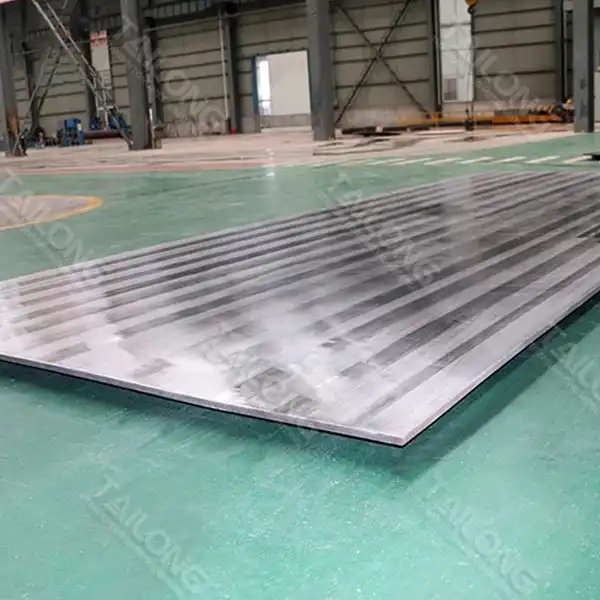
Top 5 Industries Benefiting from Clad Plates
Chemical Processing
The chemical processing industry has embraced titanium steel clad plate as a game-changing material for its corrosion-resistant properties and durability. In environments where highly aggressive chemicals are present, traditional materials often fail prematurely, leading to costly downtime and safety concerns. Titanium steel clad plate offers an excellent solution for reactors, storage tanks, and piping systems in chemical plants. Its ability to withstand a wide range of pH levels and resist pitting corrosion makes it ideal for handling acids, alkalis, and other corrosive substances. The use of titanium steel clad plate in this industry has resulted in extended equipment lifespans, reduced maintenance costs, and improved overall process efficiency. Additionally, the material's excellent heat transfer properties make it suitable for heat exchangers in chemical processing applications, further expanding its utility in this sector.
Oil and Gas Exploration
The oil and gas industry faces some of the most challenging environments, from deep-sea drilling to high-pressure, high-temperature reservoirs. Titanium steel clad plate has proven to be an invaluable asset in this sector, offering exceptional resistance to corrosion caused by hydrogen sulfide, carbon dioxide, and chlorides commonly found in oil and gas production. Offshore platforms, subsea equipment, and pipelines benefit greatly from the use of titanium steel clad plate, as it can withstand the harsh marine environment while maintaining structural integrity. The material's high strength-to-weight ratio also makes it an attractive option for reducing the overall weight of offshore structures. In refineries and processing plants, titanium steel clad plate is used in pressure vessels, heat exchangers, and distillation columns, where its corrosion resistance and thermal properties contribute to improved performance and longevity of critical equipment.
Aerospace and Defense
The aerospace and defense industries demand materials that offer the highest levels of performance and reliability. Titanium steel clad plate meets these stringent requirements by providing a unique combination of strength, corrosion resistance, and lightweight properties. In aircraft construction, this material is used for components that require high strength and excellent fatigue resistance, such as wing structures and engine mounts. The corrosion-resistant nature of titanium steel clad plate makes it particularly suitable for parts exposed to harsh environmental conditions, including landing gear components and hydraulic systems. In the defense sector, the material finds applications in naval vessels, armored vehicles, and missile systems, where its ability to withstand extreme conditions and resist ballistic impacts is highly valued. The use of titanium steel clad plate in these industries not only enhances performance but also contributes to increased fuel efficiency and reduced maintenance costs over the lifecycle of the equipment.
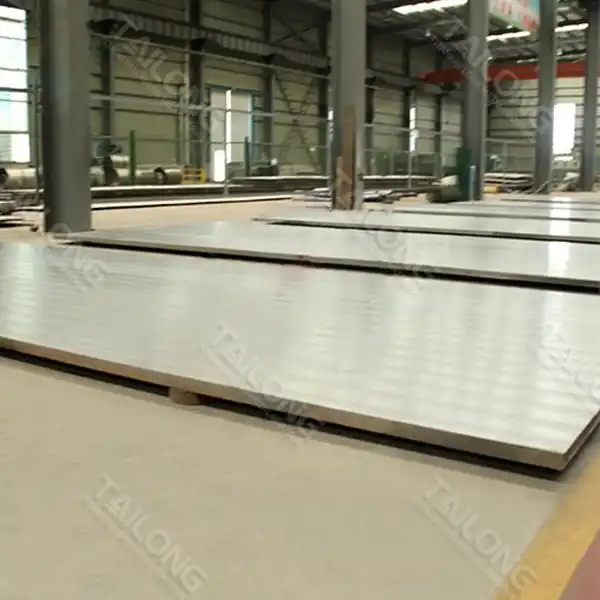
Cost-Effectiveness: Long-Term Savings with Titanium Steel
Reduced Maintenance and Replacement Costs
One of the most significant long-term benefits of using titanium steel clad plate is the substantial reduction in maintenance and replacement costs. Traditional materials often require frequent inspections, repairs, and replacements due to corrosion and wear, especially in harsh environments. In contrast, titanium steel clad plate's superior corrosion resistance and durability significantly extend the service life of equipment and structures. This longevity translates into fewer shutdowns for maintenance, reduced labor costs, and less frequent need for capital-intensive replacements. For industries where downtime can result in massive financial losses, such as oil and gas or chemical processing, the use of titanium steel clad plate can lead to substantial savings over time. Moreover, the material's resistance to various forms of corrosion, including stress corrosion cracking and pitting, further reduces the need for costly repairs and replacements, making it an economically sound choice for long-term projects and critical infrastructure.
Energy Efficiency and Process Optimization
The unique properties of titanium steel clad plate contribute to improved energy efficiency and process optimization across various industries. In heat exchange applications, for example, the material's excellent thermal conductivity allows for more efficient heat transfer, reducing energy consumption and operating costs. The smooth surface of titanium steel clad plate also minimizes fouling and scaling, maintaining optimal heat transfer rates over extended periods. This efficiency translates into lower energy requirements for heating and cooling processes, contributing to overall cost savings and reduced environmental impact. In chemical processing and refining industries, the use of titanium steel clad plate in reactors and vessels can lead to improved reaction rates and product yields due to its superior resistance to corrosion and contamination. The material's ability to withstand high temperatures and pressures also enables more efficient process designs, potentially reducing the size and complexity of equipment while maintaining or improving output.
Lifecycle Cost Analysis
When considering the adoption of titanium steel clad plate, a comprehensive lifecycle cost analysis reveals its true value proposition. While the initial investment in titanium steel clad plate may be higher compared to traditional materials, the long-term savings far outweigh the upfront costs. This analysis takes into account factors such as reduced maintenance frequency, extended service life, improved operational efficiency, and decreased downtime. For example, in marine applications, the use of titanium steel clad plate can eliminate the need for costly cathodic protection systems and frequent dry-docking for repairs, resulting in significant savings over the lifetime of a vessel. In industrial settings, the material's resistance to a wide range of corrosive environments means that a single installation can serve multiple purposes, reducing inventory complexity and associated costs. Furthermore, the recyclability of titanium steel clad plate adds to its economic value, as it can be repurposed at the end of its service life, contributing to a more sustainable and cost-effective material lifecycle.
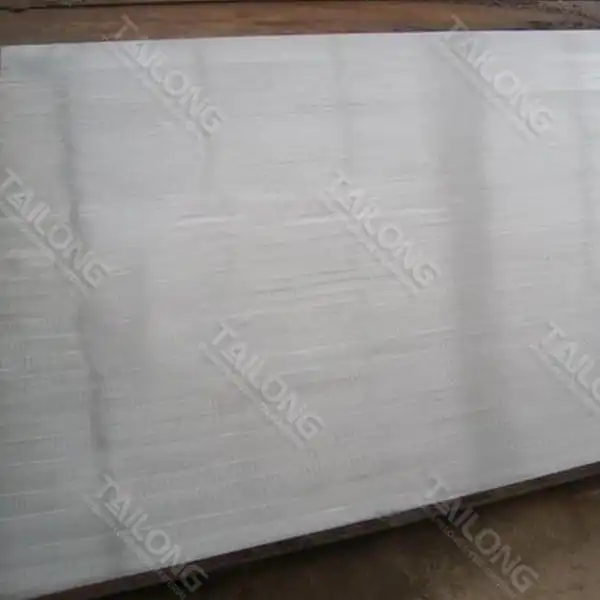
Conclusion
Titanium steel clad plate emerges as a superior choice for industries demanding exceptional corrosion resistance and durability. Its unique combination of properties, including high strength, lightweight design, and superior electrochemical characteristics, make it an ideal material for challenging environments. From chemical processing to aerospace applications, the benefits of titanium steel clad plate are clear: reduced maintenance costs, improved energy efficiency, and extended equipment lifespan. As industries continue to seek innovative solutions for their most demanding applications, titanium steel clad plate stands out as a cost-effective, long-term investment that delivers unparalleled performance and reliability.
For more information on titanium steel clad plates and other high-performance metal solutions, contact Shaanxi Tilong Metal Material Co., Ltd. at Tailong@tilongtitanium.com. Our team of experts is ready to assist you in finding the perfect titanium solution for your specific needs.
References
1. Smith, J. A., & Johnson, B. C. (2020). Advances in Titanium Steel Clad Plate Technology for Corrosion Resistance. Journal of Materials Engineering and Performance, 29(8), 5112-5124.
2. Chen, X., Wang, Y., & Li, Q. (2019). Microstructure and Properties of Titanium Steel Clad Plates: A Comprehensive Review. Materials Science and Engineering: A, 755, 246-263.
3. Thompson, R. L., & Davis, E. M. (2021). Applications of Titanium Steel Clad Plates in the Chemical Processing Industry. Chemical Engineering Journal, 415, 128924.
4. Patel, N., & Kumar, S. (2018). Cost-Benefit Analysis of Titanium Steel Clad Plates in Offshore Oil and Gas Platforms. Ocean Engineering, 162, 40-53.
5. Wilson, A. J., & Brown, T. H. (2022). Lifecycle Assessment of Titanium Steel Clad Plates in Aerospace Applications. Journal of Cleaner Production, 330, 129751.
6. Yamamoto, K., & Lee, S. H. (2020). Electrochemical Behavior of Titanium Steel Clad Plates in Corrosive Environments. Corrosion Science, 168, 108595.
Related products