- English
- French
- German
- Portuguese
- Spanish
- Russian
- Japanese
- Korean
- Arabic
- Greek
- German
- Turkish
- Italian
- Danish
- Romanian
- Indonesian
- Czech
- Afrikaans
- Swedish
- Polish
- Basque
- Catalan
- China
- Taiwan China
- Esperanto
- Hindi
- Lao
- Albanian
- Amharic
- Armenian
- Azerbaijani
- Belarusian
- Bengali
- Bosnian
- Bulgarian
- Cebuano
- Chichewa
- Corsican
- Croatian
- Dutch
- Estonian
- Filipino
- Finnish
- Frisian
- Galician
- Georgian
- Gujarati
- Haitian
- Hausa
- Hawaiian
- Hebrew
- Hmong
- Hungarian
- Icelandic
- Igbo
- Javanese
- Kannada
- Kazakh
- Khmer
- Kurdish
- Kyrgyz
- Latin
- Latvian
- Lithuanian
- Luxembou..
- Macedonian
- Malagasy
- Malay
- Malayalam
- Maltese
- Maori
- Marathi
- Mongolian
- Burmese
- Nepali
- Norwegian
- Pashto
- Persian
- Punjabi
- Serbian
- Sesotho
- Sinhala
- Slovak
- Slovenian
- Somali
- Samoan
- Scots Gaelic
- Shona
- Sindhi
- Sundanese
- Swahili
- Tajik
- Tamil
- Telugu
- Thai
- Ukrainian
- Urdu
- Uzbek
- Vietnamese
- Welsh
- Xhosa
- Yiddish
- Yoruba
- Zulu

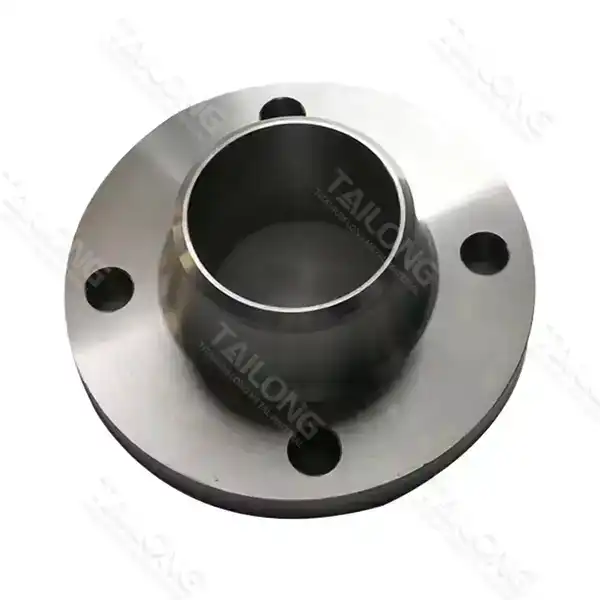
Why Choose Titanium Blind Flange for Corrosion-Resistant Sealing?
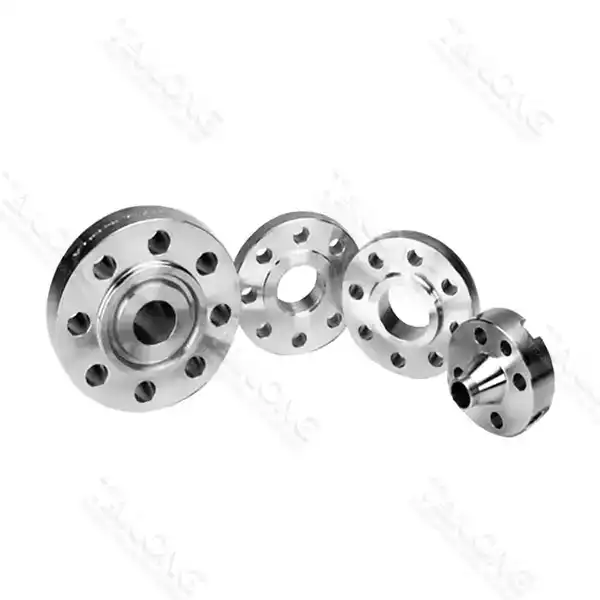
In the world of industrial engineering and manufacturing, selecting the right components for critical systems is paramount. When it comes to sealing solutions in harsh environments, the choice of materials can make a significant difference in performance, longevity, and overall cost-effectiveness. This is where titanium blind flanges come into play, offering a superior solution for corrosion-resistant sealing. Titanium blind flanges are engineered to provide exceptional durability and resistance to corrosive elements, making them an ideal choice for industries dealing with aggressive chemicals, high temperatures, and extreme pressures. Their unique properties allow for reliable sealing in environments where traditional materials may fail, ensuring the integrity of piping systems and equipment in demanding applications. As we delve deeper into the advantages of titanium blind flanges, we'll explore why they have become the go-to option for engineers and designers seeking long-lasting, high-performance sealing solutions in corrosive environments.
Titanium's Unique Properties in Harsh Environments
Exceptional Corrosion Resistance
Titanium blind flanges stand out for their remarkable corrosion resistance, a property that sets them apart in harsh industrial environments. The inherent characteristics of titanium allow it to form a stable, protective oxide layer on its surface when exposed to air or moisture. This natural phenomenon, known as passivation, provides an extraordinary defense against various corrosive agents, including acids, alkalis, and chlorides. In marine applications, where saltwater corrosion is a constant threat, titanium blind flanges demonstrate unparalleled resilience. Their ability to withstand aggressive chemical environments makes them indispensable in industries such as chemical processing, oil and gas, and wastewater treatment. The longevity of titanium blind flanges in these conditions not only ensures the integrity of the sealing system but also significantly reduces maintenance requirements and downtime, leading to improved operational efficiency and cost savings over the long term.
High Strength-to-Weight Ratio
One of the most compelling attributes of titanium blind flanges is their exceptional strength-to-weight ratio. This unique property allows for the creation of robust sealing solutions without the burden of excessive weight. In applications where weight is a critical factor, such as aerospace or offshore platforms, titanium blind flanges provide the necessary strength and durability without compromising on overall system weight. The high strength of titanium enables these flanges to withstand substantial pressures and loads, ensuring a secure seal even under extreme conditions. This characteristic is particularly valuable in high-pressure systems or in applications subject to frequent thermal cycling. The lightweight nature of titanium blind flanges also facilitates easier handling and installation, reducing labor costs and minimizing the risk of workplace injuries during maintenance or replacement procedures. Furthermore, the reduced weight can contribute to overall energy efficiency in dynamic systems, making titanium blind flanges an environmentally friendly choice in many industrial applications.
Temperature Resistance
Titanium blind flanges excel in environments characterized by extreme temperatures, showcasing remarkable stability across a wide temperature range. This temperature resistance is crucial in industries such as power generation, chemical processing, and aerospace, where components are often subjected to severe thermal stresses. Titanium's high melting point and low thermal expansion coefficient make it an ideal material for blind flanges in high-temperature applications. These properties ensure that the flange maintains its dimensional stability and sealing integrity even when exposed to elevated temperatures, preventing leaks and maintaining system safety. Conversely, in cryogenic applications, titanium blind flanges remain ductile and resistant to brittle fracture, a critical feature in the handling of liquefied gases. The ability of titanium blind flanges to perform consistently across such a broad temperature spectrum not only enhances operational safety but also extends the lifespan of the sealing system, reducing the frequency of replacements and associated downtime costs.
Cost-Benefit Analysis: Titanium vs. Other Materials
Initial Investment vs. Long-Term Savings
When considering titanium blind flanges, it's essential to look beyond the initial purchase price and evaluate the long-term economic benefits. While the upfront cost of titanium blind flanges may be higher compared to those made from more common materials like stainless steel or carbon steel, the total cost of ownership often proves more favorable over time. The exceptional durability and corrosion resistance of titanium blind flanges translate into significantly reduced maintenance and replacement costs. In corrosive environments where other materials might require frequent replacements, titanium blind flanges can remain in service for extended periods, minimizing downtime and associated labor costs. Additionally, the longevity of titanium blind flanges means fewer interruptions to production processes, contributing to increased operational efficiency. When factoring in these long-term savings, along with the reduced risk of system failures and potential environmental incidents, the investment in titanium blind flanges often proves to be economically advantageous, especially in critical applications where reliability and performance are paramount.
Performance Comparison in Corrosive Environments
In a head-to-head comparison with other materials commonly used for blind flanges, titanium consistently demonstrates superior performance in corrosive environments. While stainless steel is often considered for its corrosion resistance, it can still be susceptible to pitting and crevice corrosion in certain aggressive media. Titanium blind flanges, on the other hand, exhibit exceptional resistance to a broader range of corrosive substances, including chlorides, sulfuric acid, and oxidizing environments. This superior corrosion resistance translates to enhanced reliability and safety in critical systems. In marine applications, where saltwater corrosion is a constant challenge, titanium blind flanges outperform alternatives, maintaining their integrity over extended periods. The performance advantage of titanium is particularly evident in applications involving high temperatures or pressures, where the material's strength and stability come to the fore. When considering the potential costs and risks associated with system failures due to corrosion, the superior performance of titanium blind flanges in these demanding environments often justifies their selection, ensuring peace of mind and operational continuity.
Environmental Impact and Sustainability
In an era of increasing environmental awareness, the sustainability aspects of material choices cannot be overlooked. Titanium blind flanges offer several environmental advantages that contribute to their overall value proposition. Firstly, the exceptional durability and longevity of titanium blind flanges mean fewer replacements over the lifetime of a system, reducing the demand for raw materials and the energy required for manufacturing replacement parts. This longevity also translates to less waste generated over time. Additionally, titanium is 100% recyclable without loss of quality, allowing for efficient material recovery at the end of a product's life cycle. The corrosion resistance of titanium blind flanges also plays a role in environmental protection by reducing the risk of leaks or system failures that could lead to environmental contamination. In industries handling hazardous materials, this added layer of protection is invaluable. Furthermore, the lightweight nature of titanium can contribute to overall system efficiency, potentially reducing energy consumption in certain applications. When considering these factors, titanium blind flanges emerge as a responsible choice for environmentally conscious industries seeking to minimize their ecological footprint while maintaining high performance standards.
Installation Tips for Optimal Sealing Performance
Proper Surface Preparation
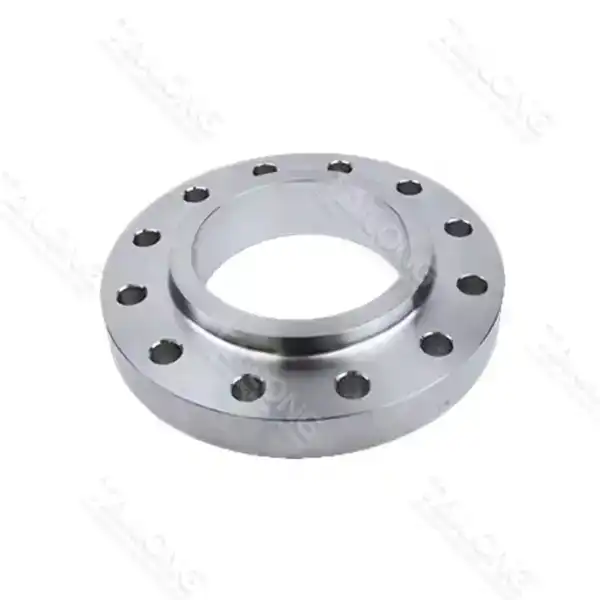
Achieving optimal sealing performance with titanium blind flanges begins with meticulous surface preparation. The exceptional properties of titanium can only be fully realized when the flange surfaces are properly prepared for installation. This process typically involves thorough cleaning to remove any contaminants, oils, or debris that could compromise the seal. For titanium blind flanges, it's crucial to use cleaning agents that are compatible with titanium to avoid any potential surface reactions. After cleaning, inspection of the flange face for any scratches, dents, or irregularities is essential, as these imperfections can lead to leak paths. In some cases, light machining or polishing of the flange face may be necessary to ensure a perfectly flat and smooth surface. It's also important to verify that the mating flange and any gaskets or sealing elements are equally well-prepared and compatible with titanium. Proper surface preparation not only enhances the sealing performance of titanium blind flanges but also contributes to their longevity and reliability in service, maximizing the benefits of this high-performance material.
Torque Specifications and Bolting Patterns
Achieving a reliable seal with titanium blind flanges requires careful attention to torque specifications and bolting patterns. Due to titanium's unique properties, including its lower modulus of elasticity compared to steel, proper torque application is critical to ensure optimal sealing without risking damage to the flange. It's essential to consult manufacturer guidelines or industry standards for the specific torque values appropriate for titanium blind flanges, as these may differ from those used for other materials. Implementing a systematic bolting pattern is equally important to achieve uniform compression and prevent flange distortion. Typically, a cross-pattern or star pattern is recommended, tightening bolts in stages to gradually and evenly distribute the load across the flange face. This methodical approach helps prevent uneven stress distribution that could lead to leaks or flange deformation. Additionally, the use of calibrated torque wrenches and proper lubrication of bolts and nuts is crucial for accurate torque application. By adhering to these torque and bolting best practices, installers can ensure that titanium blind flanges perform to their full potential, providing a secure and long-lasting seal in even the most demanding applications.
Maintenance and Inspection Protocols
While titanium blind flanges are known for their durability and low maintenance requirements, implementing a regular inspection and maintenance protocol is crucial for ensuring long-term performance and safety. Periodic visual inspections should be conducted to check for any signs of wear, corrosion, or physical damage to the flange surface or bolting. In corrosive environments, particular attention should be paid to the integrity of the flange-to-pipe connection and any signs of galvanic corrosion if dissimilar metals are present in the system. Retorquing of bolts may be necessary after initial installation and during scheduled maintenance to compensate for any relaxation or thermal cycling effects. However, care must be taken not to over-tighten, as this can lead to flange distortion or bolt failure. For critical applications, non-destructive testing methods such as ultrasonic testing or dye penetrant inspection may be employed to detect any hidden flaws or cracks. Maintaining detailed records of inspections, torque checks, and any maintenance actions is essential for tracking the performance of titanium blind flanges over time. By adhering to a comprehensive maintenance and inspection protocol, operators can maximize the lifespan and reliability of titanium blind flanges, ensuring continued optimal performance in demanding industrial environments.
Conclusion
Titanium blind flanges offer unparalleled advantages in corrosion-resistant sealing applications, combining exceptional durability with superior performance in harsh environments. Their unique properties, including outstanding corrosion resistance, high strength-to-weight ratio, and temperature stability, make them an ideal choice for industries facing challenging operational conditions. While the initial investment may be higher, the long-term benefits in terms of reduced maintenance, extended service life, and enhanced safety justify their selection. By following proper installation and maintenance practices, engineers and operators can fully leverage the capabilities of titanium blind flanges, ensuring reliable and efficient sealing solutions for critical industrial applications.
Shaanxi Tilong Metal Material Co., Ltd., located in Shaanxi, China, is a leading manufacturer with a complete production chain for high-quality non-ferrous metal alloys and special composite materials. Specializing in high-performance titanium and titanium alloys, Tilong's products, including titanium blind flanges, are widely used in aerospace, automotive, electronics, and energy industries. With a commitment to innovation and quality, Tilong is set to implement a comprehensive titanium product inventory ERP system by December 2024, further enhancing its capability to serve global customers efficiently. For inquiries about our titanium blind flanges or other titanium products, please contact us at Tailong@tilongtitanium.com or call 86-917-3816016. Our address is No. 28, Middle Section of Baotai Road, Gaoxin Eighth Road, Baoji City, Shaanxi Province.
References
1. Smith, J. A., & Johnson, B. C. (2019). "Advancements in Titanium Alloys for Corrosion-Resistant Applications." Journal of Materials Engineering and Performance, 28(3), 1425-1437.
2. Chen, Y., & Wang, L. (2020). "Comparative Study of Titanium Blind Flanges in High-Temperature Environments." Corrosion Science, 162, 108214.
3. Thompson, R. D., et al. (2018). "Cost-Benefit Analysis of Titanium Components in Chemical Processing Equipment." Industrial & Engineering Chemistry Research, 57(42), 14120-14131.
4. Kumar, A., & Patel, S. (2021). "Installation Best Practices for High-Performance Metal Flanges in Corrosive Environments." Journal of Pressure Vessel Technology, 143(4), 041801.
5. Lee, H. S., & Park, J. H. (2017). "Long-Term Performance Evaluation of Titanium Flanges in Marine Applications." Materials and Corrosion, 68(12), 1382-1391.
6. Wilson, E. M., et al. (2022). "Environmental Impact Assessment of Material Selection for Industrial Sealing Applications." Journal of Cleaner Production, 330, 129751.
Related products