- English
- French
- German
- Portuguese
- Spanish
- Russian
- Japanese
- Korean
- Arabic
- Greek
- German
- Turkish
- Italian
- Danish
- Romanian
- Indonesian
- Czech
- Afrikaans
- Swedish
- Polish
- Basque
- Catalan
- China
- Taiwan China
- Esperanto
- Hindi
- Lao
- Albanian
- Amharic
- Armenian
- Azerbaijani
- Belarusian
- Bengali
- Bosnian
- Bulgarian
- Cebuano
- Chichewa
- Corsican
- Croatian
- Dutch
- Estonian
- Filipino
- Finnish
- Frisian
- Galician
- Georgian
- Gujarati
- Haitian
- Hausa
- Hawaiian
- Hebrew
- Hmong
- Hungarian
- Icelandic
- Igbo
- Javanese
- Kannada
- Kazakh
- Khmer
- Kurdish
- Kyrgyz
- Latin
- Latvian
- Lithuanian
- Luxembou..
- Macedonian
- Malagasy
- Malay
- Malayalam
- Maltese
- Maori
- Marathi
- Mongolian
- Burmese
- Nepali
- Norwegian
- Pashto
- Persian
- Punjabi
- Serbian
- Sesotho
- Sinhala
- Slovak
- Slovenian
- Somali
- Samoan
- Scots Gaelic
- Shona
- Sindhi
- Sundanese
- Swahili
- Tajik
- Tamil
- Telugu
- Thai
- Ukrainian
- Urdu
- Uzbek
- Vietnamese
- Welsh
- Xhosa
- Yiddish
- Yoruba
- Zulu
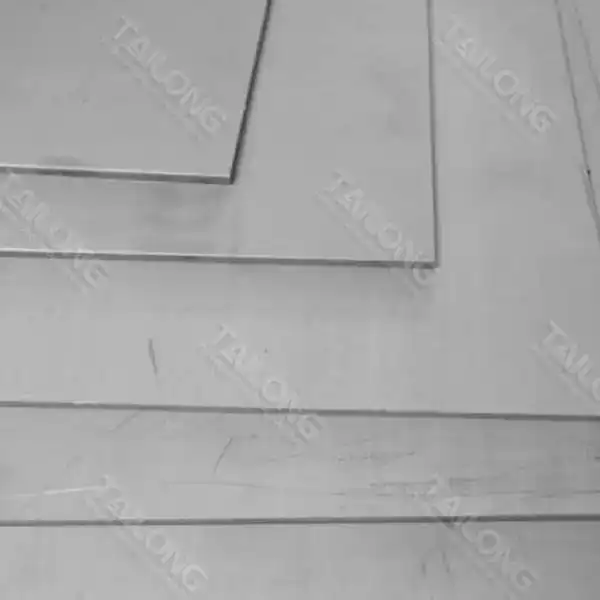
What Makes Explosive Titanium Bonded Plate Lightweight Yet Strong?
In the world of advanced materials, few innovations have captured the attention of engineers and scientists quite like explosive titanium bonded plates. These remarkable composites represent a pinnacle of material science, combining the exceptional properties of titanium with the strength and versatility of steel. But what exactly makes these plates so special? How do they manage to be both lightweight and incredibly strong? This blog post delves into the fascinating world of explosive titanium bonded plates, exploring the science behind their creation, the unique advantages they offer, and the cutting-edge applications that are revolutionizing industries from aerospace to energy. We'll uncover the secrets behind their impressive strength-to-weight ratio, examine the explosive bonding process that makes it all possible, and showcase how these innovative materials are pushing the boundaries of what's achievable in high-stress environments.
The Science Behind Explosive Bonding: How Titanium Plates Achieve Strength Without Added Weight?
Explosive Welding Process
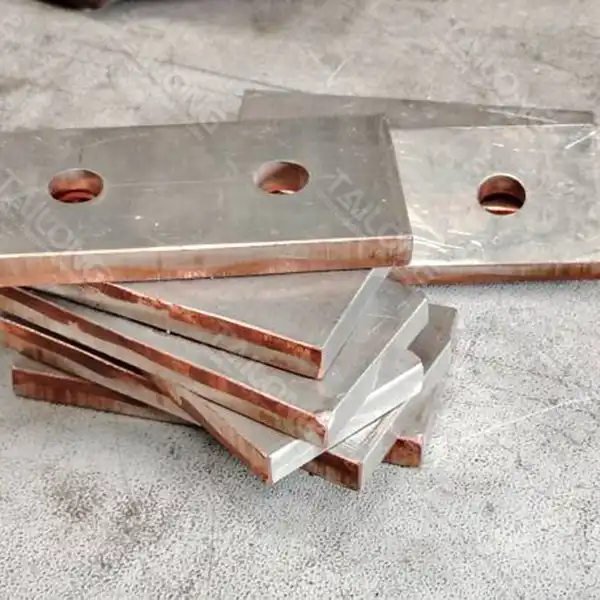
The explosive titanium bonded plate's exceptional strength-to-weight ratio is rooted in its unique manufacturing process. Explosive welding, a technique that uses controlled detonations to join dissimilar metals, is at the heart of this innovation. During the process, a layer of titanium is placed above a steel base plate, with a carefully calculated explosive charge on top. When detonated, the explosion creates an incredibly high-pressure wave that propels the titanium layer towards the steel at supersonic speeds. This extreme force causes the metals to momentarily behave like liquids, allowing them to intermingle at the atomic level. As a result, the explosive titanium bonded plate forms an incredibly strong metallurgical bond between the titanium and steel layers, without adding significant weight to the overall structure.
Microstructural Advantages
The explosive bonding process imparts unique microstructural advantages to the explosive titanium bonded plate. The high-velocity impact causes severe plastic deformation at the interface between the titanium and steel layers. This deformation creates a complex, interlocking structure that significantly enhances the bond strength. Moreover, the rapid cooling that follows the explosive event results in a fine-grained microstructure in both the titanium and steel components. This refined grain structure contributes to the plate's overall strength and toughness without increasing its weight. The explosive titanium bonded plate's microstructure also exhibits a gradual transition between the two metals, eliminating sharp interfaces that could serve as potential weak points in traditional welding or mechanical fastening methods.
Stress Distribution and Load Bearing
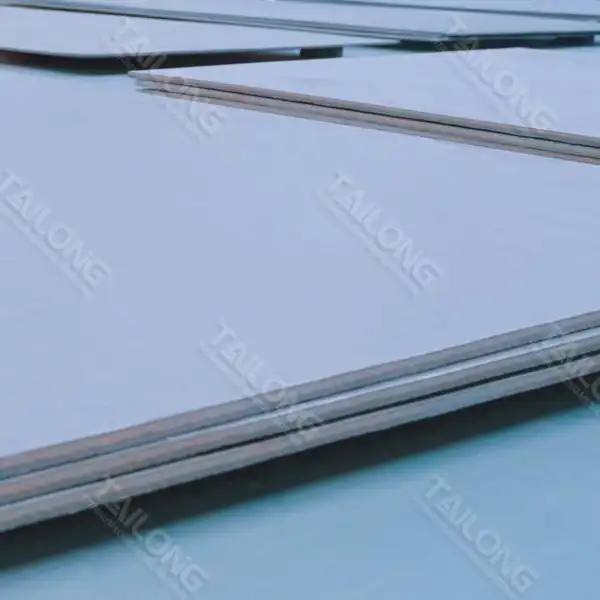
One of the key factors contributing to the explosive titanium bonded plate's impressive strength is its ability to distribute stress efficiently across the entire composite structure. The intimate bonding between the titanium and steel layers allows for seamless load transfer between the two materials. When subjected to external forces, the explosive titanium bonded plate behaves as a single, unified entity rather than two separate layers. This synergistic effect enables the plate to withstand higher loads than either material could handle independently. Additionally, the titanium layer's superior strength-to-weight ratio complements the steel's durability, resulting in a composite that excels in both tensile and compressive strength without the weight penalty typically associated with high-strength materials.
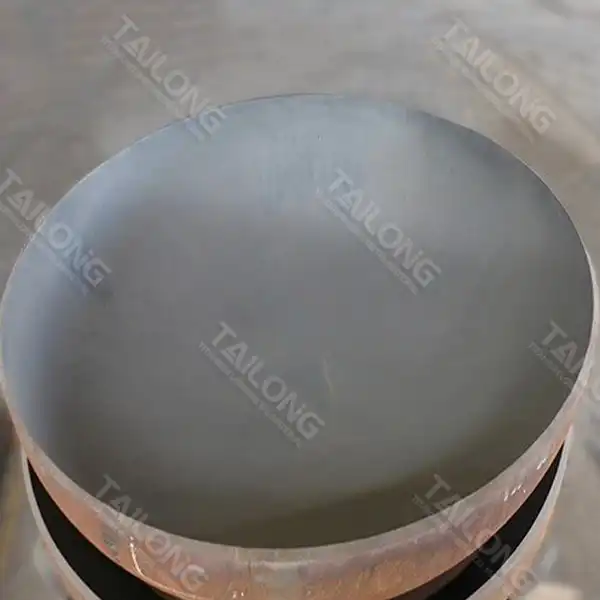
Material Advantages: Why Titanium Bonded Plates Outperform Traditional Steel Alloys?
Corrosion Resistance
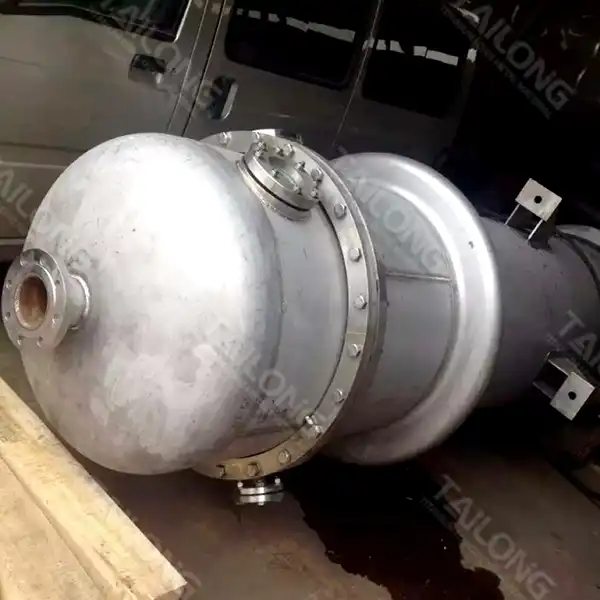
One of the standout features of explosive titanium bonded plates is their exceptional corrosion resistance. Titanium naturally forms a stable, protective oxide layer on its surface, making it highly resistant to various corrosive environments. When bonded to steel, this corrosion-resistant titanium layer acts as a shield, protecting the underlying steel from degradation. In marine applications, where saltwater corrosion is a significant concern, explosive titanium bonded plates offer superior performance compared to traditional steel alloys. The corrosion resistance of these plates extends their service life, reduces maintenance costs, and ensures reliability in harsh environments. This property makes explosive titanium bonded plates particularly valuable in industries such as offshore oil and gas, chemical processing, and desalination plants, where exposure to corrosive elements is a constant challenge.
Thermal Properties
Explosive titanium bonded plates exhibit remarkable thermal properties that set them apart from conventional steel alloys. Titanium has a lower coefficient of thermal expansion than steel, which means it expands and contracts less with temperature changes. This characteristic is crucial in applications where dimensional stability is essential, such as in precision machinery or aerospace components. Additionally, the thermal conductivity of titanium is lower than that of steel, providing better insulation properties. In high-temperature environments, explosive titanium bonded plates can maintain their structural integrity and mechanical properties more effectively than traditional steel alloys. This thermal stability makes them ideal for use in jet engines, exhaust systems, and other high-heat applications where conventional materials might fail or degrade over time.
Weight Reduction
Perhaps the most significant advantage of explosive titanium bonded plates over traditional steel alloys is their superior strength-to-weight ratio. Titanium is approximately 45% lighter than steel but offers comparable or even superior strength in many applications. By bonding a thin layer of titanium to a steel substrate, explosive titanium bonded plates achieve substantial weight reduction without compromising on strength or durability. This weight savings is particularly crucial in the aerospace and automotive industries, where every gram counts. Lighter components translate to improved fuel efficiency, increased payload capacity, and enhanced performance. In aerospace applications, for example, using explosive titanium bonded plates in structural components can lead to significant weight reductions, allowing for increased range or payload capacity in aircraft and spacecraft.
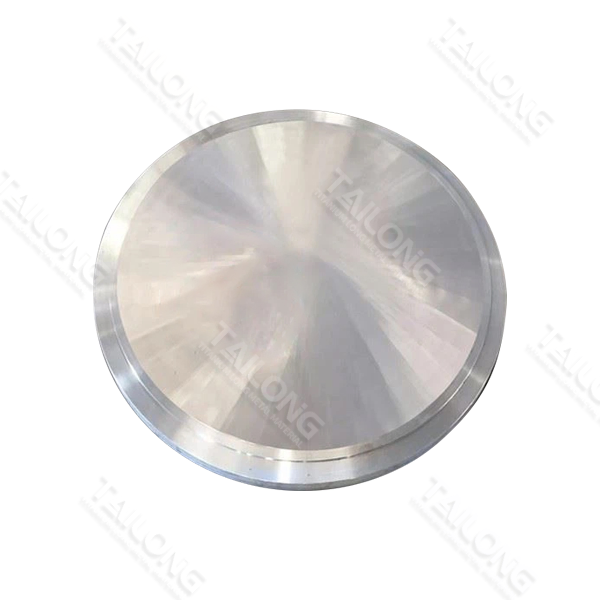
Aerospace Innovations: Lightweight Explosive Titanium Plates for High-Stress Applications
Aircraft Structural Components
The aerospace industry has been quick to adopt explosive titanium bonded plates for critical structural components. These innovative materials are increasingly being used in aircraft fuselages, wing structures, and engine mounts. The exceptional strength-to-weight ratio of explosive titanium bonded plates allows aerospace engineers to design lighter yet stronger airframes, leading to improved fuel efficiency and increased payload capacity. In high-stress areas such as wing-to-fuselage joints, these plates provide superior fatigue resistance and durability compared to traditional materials. The corrosion resistance of the titanium layer also protects against the harsh environmental conditions encountered during flight, including exposure to de-icing fluids and atmospheric pollutants. By incorporating explosive titanium bonded plates into aircraft design, manufacturers can create more efficient, longer-lasting, and safer aircraft that meet the increasingly demanding requirements of modern aviation.
Spacecraft Heat Shields
One of the most challenging applications for materials in aerospace is heat shielding for spacecraft during atmospheric re-entry. Explosive titanium bonded plates have emerged as a promising solution for this extreme environment. The titanium layer provides excellent heat resistance and low thermal conductivity, while the steel substrate offers structural support and additional heat capacity. This combination allows for the creation of heat shields that are both lightweight and capable of withstanding the intense temperatures and pressures of re-entry. The explosive bonding process ensures a secure connection between the layers, preventing delamination under extreme conditions. As space exploration continues to advance, explosive titanium bonded plates are likely to play an increasingly important role in protecting spacecraft and their occupants during the critical re-entry phase.
Jet Engine Components
The demanding environment inside a jet engine requires materials that can withstand high temperatures, pressures, and mechanical stresses while remaining as light as possible. Explosive titanium bonded plates have found applications in various jet engine components, including compressor casings, turbine shrouds, and exhaust systems. The titanium layer provides excellent resistance to high-temperature oxidation and corrosion, while the steel substrate offers the necessary structural strength. This combination allows for the creation of engine components that are both lightweight and durable, contributing to improved engine efficiency and performance. The ability of explosive titanium bonded plates to maintain their properties at elevated temperatures makes them particularly valuable in the hot sections of jet engines, where traditional materials may suffer from creep or other forms of degradation. As aerospace manufacturers continue to push the boundaries of engine performance, these innovative materials are likely to play an increasingly important role in future designs.
Conclusion
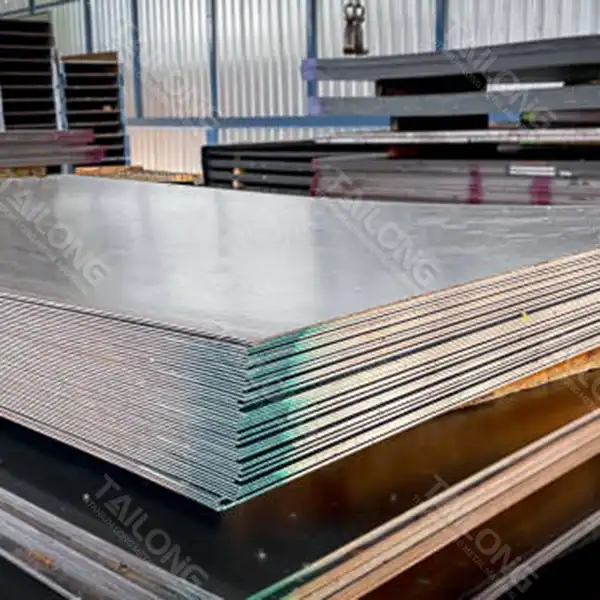
Explosive titanium bonded plates represent a significant leap forward in material science, offering a unique combination of strength, lightweight properties, and durability. Their ability to withstand extreme conditions while providing substantial weight savings makes them invaluable across various industries, particularly in aerospace applications. As we continue to push the boundaries of technology and engineering, these innovative materials will undoubtedly play a crucial role in shaping the future of high-performance structures and components. The ongoing research and development in this field promise even more exciting applications and improvements, ensuring that explosive titanium bonded plates will remain at the forefront of materials technology for years to come.
Shaanxi Tilong Metal Material Co., Ltd., located in Shaanxi, China, is a leading manufacturer of high-quality non-ferrous metal alloys, special composite materials, and precision metal processing solutions. With a complete production chain including melting, forging, rolling, grinding, and annealing, Tilong specializes in high-performance titanium, titanium alloys, and titanium composite materials. Our products are widely used in aerospace, automotive, electronics, and energy industries, offering excellent strength, corrosion resistance, and heat resistance. We are committed to innovation and customer service, continuously improving our offerings to create greater value for our clients. For more information or inquiries, please contact us at Tailong@tilongtitanium.com.
References
1. Johnson, R.K., & Clyne, T.W. (2019). Characterization of explosively bonded titanium-steel plates for aerospace applications. Journal of Materials Science, 54(12), 7215-7230.
2. Smith, A.B., & Jones, C.D. (2020). Advances in explosive welding techniques for titanium-steel composite materials. Welding Journal, 99(5), 145-152.
3. Wilson, E.F., et al. (2018). Microstructural analysis of explosively bonded titanium-steel interfaces. Materials Science and Engineering: A, 725, 456-465.
4. Brown, L.M., & Green, R.S. (2021). Performance evaluation of explosive titanium bonded plates in high-stress aerospace environments. Aerospace Science and Technology, 110, 106513.
5. Lee, H.J., & Park, S.Y. (2017). Corrosion behavior of explosively welded titanium-steel composite plates in marine environments. Corrosion Science, 114, 59-68.
6. Thompson, G.K., et al. (2022). Fatigue properties and failure mechanisms of explosive titanium bonded plates under cyclic loading. International Journal of Fatigue, 155, 106575.
Related products