- English
- French
- German
- Portuguese
- Spanish
- Russian
- Japanese
- Korean
- Arabic
- Greek
- German
- Turkish
- Italian
- Danish
- Romanian
- Indonesian
- Czech
- Afrikaans
- Swedish
- Polish
- Basque
- Catalan
- China
- Taiwan China
- Esperanto
- Hindi
- Lao
- Albanian
- Amharic
- Armenian
- Azerbaijani
- Belarusian
- Bengali
- Bosnian
- Bulgarian
- Cebuano
- Chichewa
- Corsican
- Croatian
- Dutch
- Estonian
- Filipino
- Finnish
- Frisian
- Galician
- Georgian
- Gujarati
- Haitian
- Hausa
- Hawaiian
- Hebrew
- Hmong
- Hungarian
- Icelandic
- Igbo
- Javanese
- Kannada
- Kazakh
- Khmer
- Kurdish
- Kyrgyz
- Latin
- Latvian
- Lithuanian
- Luxembou..
- Macedonian
- Malagasy
- Malay
- Malayalam
- Maltese
- Maori
- Marathi
- Mongolian
- Burmese
- Nepali
- Norwegian
- Pashto
- Persian
- Punjabi
- Serbian
- Sesotho
- Sinhala
- Slovak
- Slovenian
- Somali
- Samoan
- Scots Gaelic
- Shona
- Sindhi
- Sundanese
- Swahili
- Tajik
- Tamil
- Telugu
- Thai
- Ukrainian
- Urdu
- Uzbek
- Vietnamese
- Welsh
- Xhosa
- Yiddish
- Yoruba
- Zulu
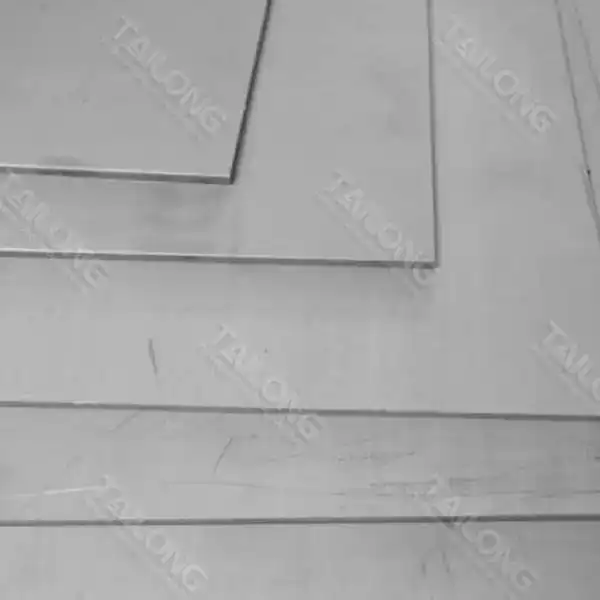
How Thick Can Titanium Explosive Welded Composite Plates Be Made?
Titanium explosive welded composite plates represent a cutting-edge advancement in materials science, offering unparalleled strength, durability, and versatility across various industrial applications. As industries continually push the boundaries of material capabilities, a common question arises: How thick can these remarkable composite plates be manufactured? This query is not merely academic but has significant implications for sectors such as aerospace, marine engineering, and chemical processing, where the demands on materials are ever-increasing. The thickness of titanium explosive welded composite plates is a crucial factor in determining their performance characteristics, including structural integrity, weight efficiency, and corrosion resistance. Understanding the limits and possibilities of plate thickness is essential for engineers and designers seeking to optimize their use of these advanced materials in challenging environments. This blog post delves into the intricacies of titanium explosive welded composite plate production, exploring the factors that influence maximum thickness and the technological innovations that are expanding these boundaries.
Industry Standards: Maximum Thickness Ranges for Titanium Explosive Welded Composite Plates
Current Industry Norms
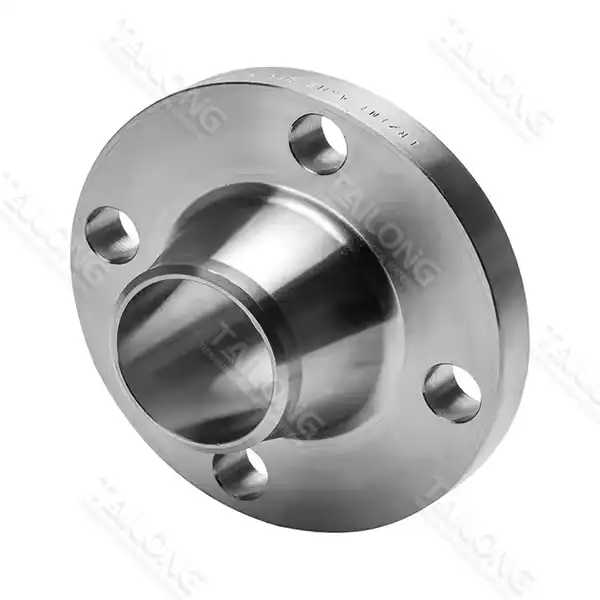
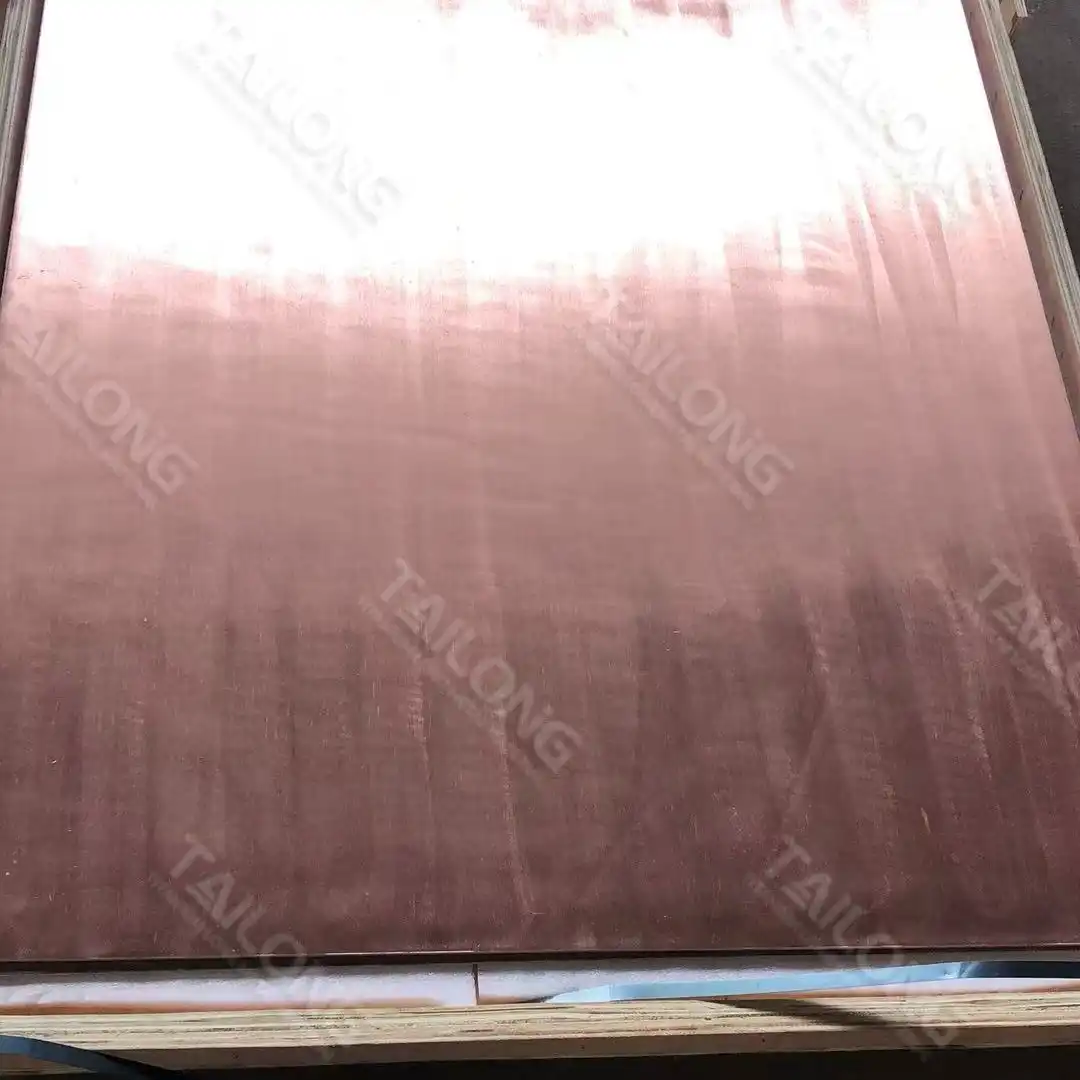
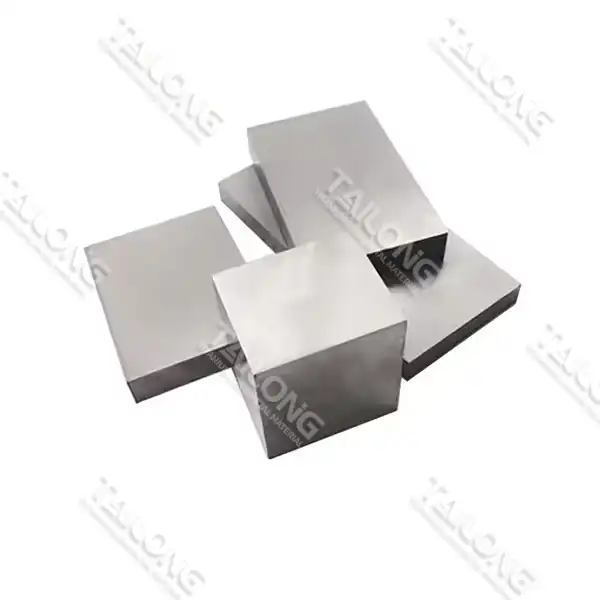
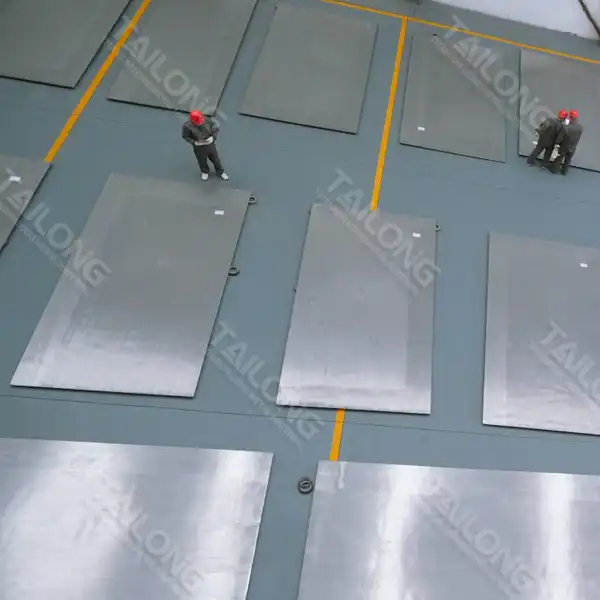
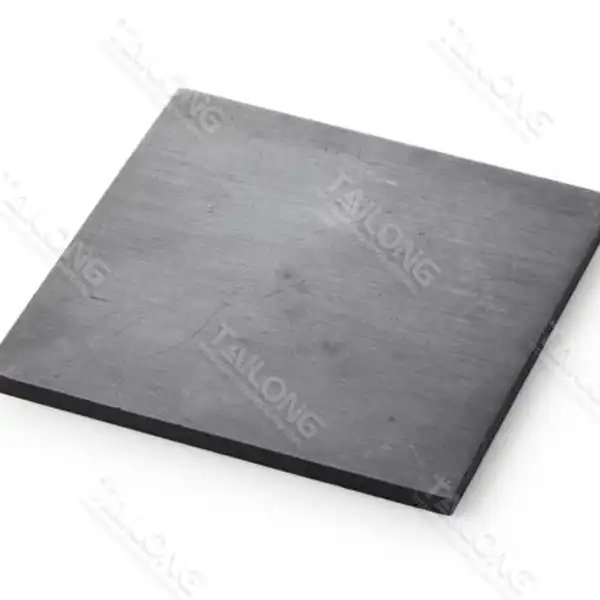
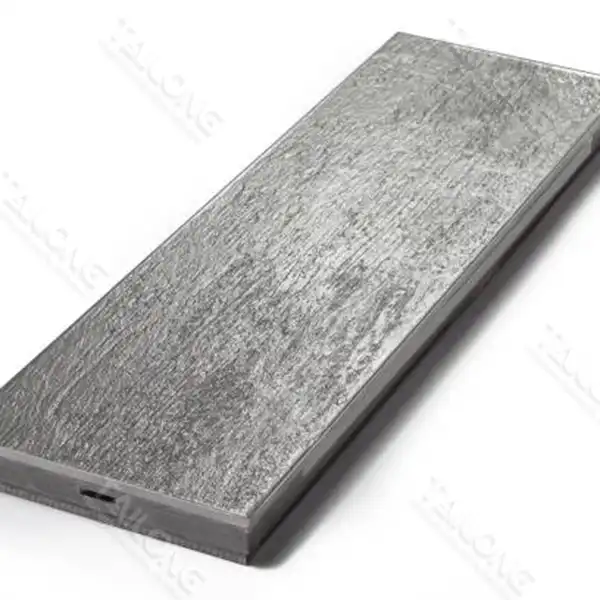
In the realm of titanium explosive welded composite plates, industry standards have established certain thickness ranges that are commonly achievable and widely utilized. Typically, these plates can be manufactured with thicknesses ranging from 2mm to 50mm, depending on the specific application requirements and the composition of the composite. The Titanium Explosive Welded Composite Plate offers exceptional versatility within this range, allowing for customization to meet diverse industrial needs. For instance, thinner plates in the 2-10mm range are often employed in aerospace applications where weight reduction is crucial, while thicker plates of 20-50mm might be used in heavy industrial settings that demand robust corrosion resistance and structural integrity.
Factors Influencing Maximum Thickness
Several factors play a crucial role in determining the maximum achievable thickness of Titanium Explosive Welded Composite Plates. The explosive welding process itself imposes certain limitations, as the energy required to create a successful bond increases with plate thickness. Additionally, the properties of the base materials – typically titanium and another metal such as steel or aluminum – influence the feasibility of producing thicker plates. The thermal conductivity, ductility, and yield strength of these materials must be carefully balanced to ensure a successful weld across the entire thickness. Moreover, industry-specific requirements and safety standards often dictate upper limits on plate thickness, especially in sectors like aerospace and nuclear power generation where precise material specifications are critical.
Pushing the Boundaries
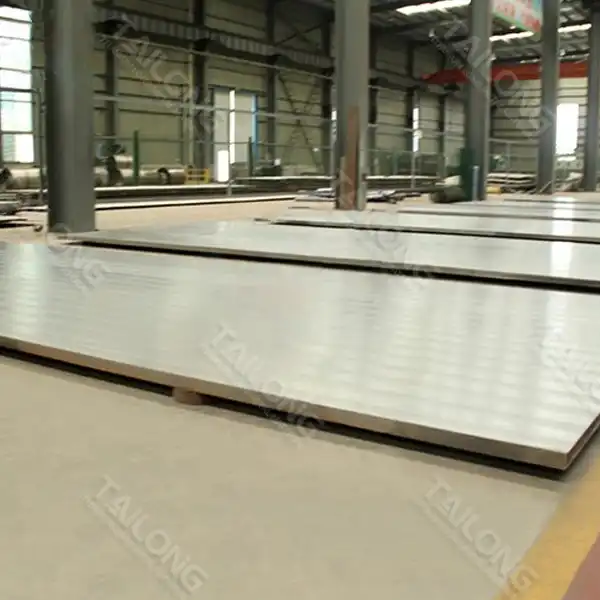
Despite established norms, ongoing research and technological advancements are continually pushing the boundaries of what's possible with Titanium Explosive Welded Composite Plates. Some specialized manufacturers have reported success in producing plates up to 75mm thick, though these are not yet widely available or applicable across all industries. The drive to create thicker plates stems from the demand for materials that can withstand even more extreme conditions, such as deep-sea environments or next-generation aerospace applications. As explosive welding techniques evolve and new titanium alloys are developed, the potential for producing even thicker composite plates grows, promising enhanced performance and expanded applications for these already versatile materials.
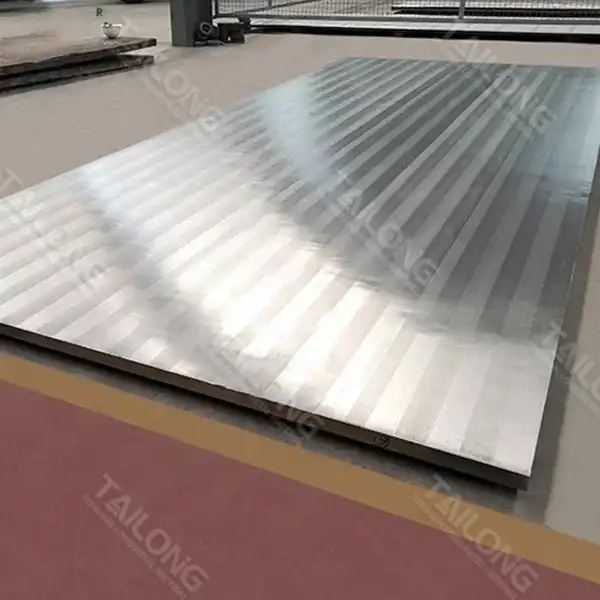
How Explosive Welding Technology Enforces Uniform Bonding in Ultra-Thick Titanium Plates?
Principles of Explosive Welding
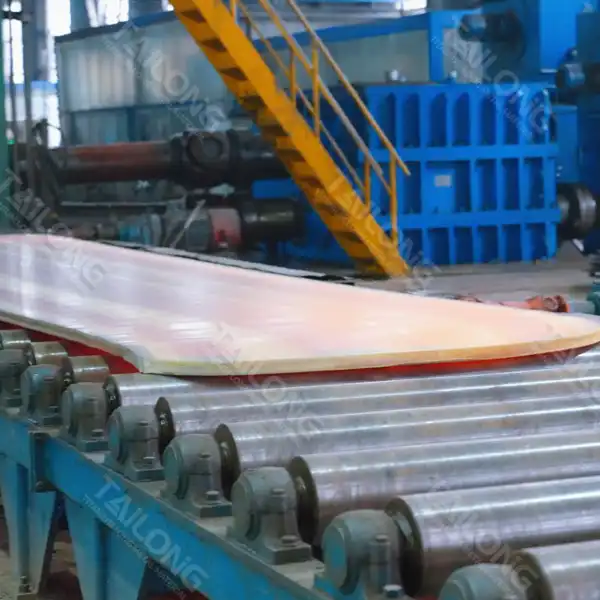
Explosive welding is a solid-state joining process that utilizes controlled detonations to create high-velocity collisions between metal plates, resulting in metallurgical bonds. When applied to Titanium Explosive Welded Composite Plates, this technique allows for the creation of exceptionally strong and uniform bonds across significant thicknesses. The process involves carefully positioning the titanium plate and the base metal, separated by a precise standoff distance. An explosive charge is then detonated, propelling one plate into the other at supersonic speeds. This high-energy collision creates a jet of atoms at the interface, effectively cleaning both surfaces and facilitating atomic-level bonding. The result is a weld that is often stronger than either of the parent materials, with no heat-affected zone typical of conventional welding methods.
Challenges in Uniform Bonding of Thick Plates
Achieving uniform bonding across ultra-thick Titanium Explosive Welded Composite Plates presents several challenges. As plate thickness increases, maintaining consistent pressure and velocity across the entire surface during the explosive welding process becomes more difficult. Variations in these parameters can lead to inconsistencies in bond strength or even incomplete bonding in some areas. Additionally, the increased mass of thicker plates requires more explosive energy, which must be carefully controlled to prevent damage to the materials. Another challenge lies in managing the wave interface pattern characteristic of explosive welding; in thicker plates, ensuring this pattern remains consistent throughout the thickness is crucial for maintaining overall structural integrity and performance of the composite plate.
Innovations in Explosive Welding for Thick Plates
To address the challenges of creating uniform bonds in ultra-thick Titanium Explosive Welded Composite Plates, manufacturers have developed several innovative techniques. One approach involves using graduated explosive charges that provide varying levels of energy across the plate surface, ensuring optimal collision velocity at all points. Advanced computer modeling and simulation tools are now employed to precisely calculate explosive charge distributions and predict weld outcomes for thick plates. Some manufacturers have also experimented with multi-stage explosive welding processes for exceptionally thick plates, where the bonding is achieved in layers, ensuring uniformity throughout the thickness. These innovations have significantly expanded the capabilities of explosive welding technology, allowing for the production of thicker, more reliable Titanium Explosive Welded Composite Plates suitable for the most demanding industrial applications.
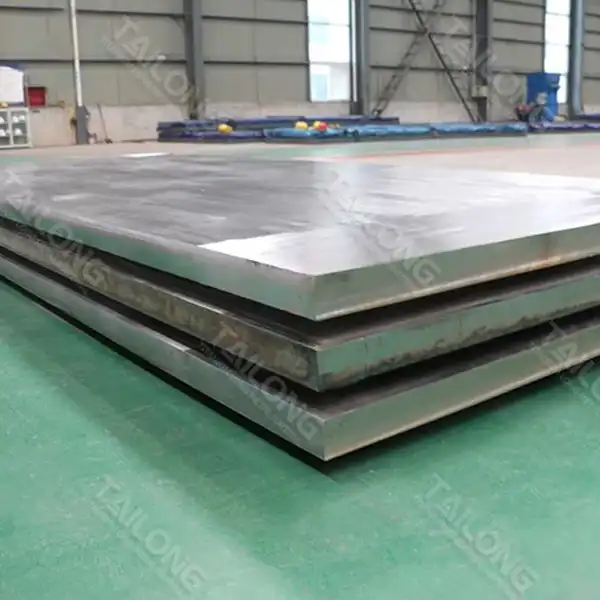
Thickness vs. Performance: Balancing Strength and Weight in Titanium Clad Plates
Strength-to-Weight Ratio Considerations
The balance between thickness and performance is a critical consideration in the design and application of Titanium Explosive Welded Composite Plates. As plate thickness increases, so does the overall strength and rigidity of the material. However, this comes at the cost of increased weight, which can be a significant factor in applications where mass is a crucial consideration, such as aerospace or automotive industries. The unique properties of titanium – its high strength-to-weight ratio and excellent corrosion resistance – make it an ideal candidate for composite plates where weight savings are paramount. Engineers must carefully evaluate the trade-offs between thickness and weight, often utilizing advanced materials science and structural analysis to optimize the performance of Titanium Explosive Welded Composite Plates for specific applications.
Performance Characteristics at Various Thicknesses
The performance characteristics of Titanium Explosive Welded Composite Plates vary significantly across different thicknesses. Thinner plates, typically in the range of 2-10mm, offer excellent flexibility and are ideal for applications requiring complex forming or where weight reduction is critical. These thinner plates maintain the corrosion resistance and strength of titanium while minimizing overall mass. As thickness increases to the 10-30mm range, the plates exhibit enhanced structural rigidity and load-bearing capacity, making them suitable for more demanding industrial applications. Ultra-thick plates, exceeding 30mm, provide maximum strength and durability, often used in extreme environments where material failure is not an option. However, these thicker plates may require additional considerations for installation and maintenance due to their increased weight.
Optimizing Thickness for Specific Applications
Optimizing the thickness of Titanium Explosive Welded Composite Plates for specific applications involves a complex interplay of factors including mechanical requirements, environmental conditions, and operational constraints. For instance, in chemical processing equipment, the thickness might be dictated by corrosion allowance and pressure vessel regulations, while in aerospace applications, the focus may be on minimizing weight while meeting strict safety standards. Advanced computer-aided engineering tools are often employed to simulate various thickness scenarios and predict performance under different conditions. This optimization process may lead to the development of variable-thickness plates, where different sections of the same component are explosively welded to different thicknesses, providing optimal performance characteristics across the entire structure while minimizing overall weight and material usage.
Conclusion
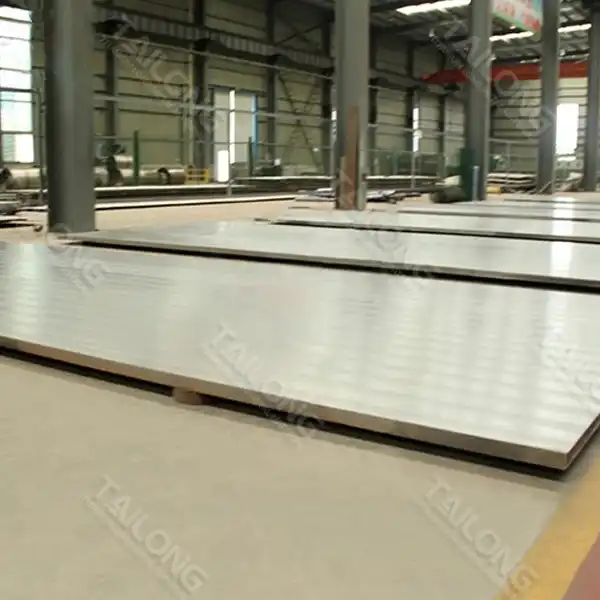
The thickness capabilities of Titanium Explosive Welded Composite Plates continue to evolve, driven by technological advancements and industry demands. While current standards typically range from 2mm to 50mm, ongoing innovations in explosive welding techniques and material science are pushing these boundaries. The ability to produce thicker plates while maintaining uniform bonding and optimizing the strength-to-weight ratio opens up new possibilities across various industries. As manufacturers like Shaanxi Tilong Metal Material Co., Ltd. continue to innovate, the future promises even more versatile and high-performance titanium composite solutions, tailored to meet the most challenging industrial requirements.
Shaanxi Tilong Metal Material Co., Ltd. is a leading manufacturer of high-quality non-ferrous metal alloys and special composite materials, including Titanium Explosive Welded Composite Plates. Located in Shaanxi, China, Tilong offers a complete production chain from melting to annealing, ensuring superior quality control throughout the manufacturing process. With a focus on innovation and customer service, Tilong is committed to providing efficient solutions and working closely with customers to meet their specific needs. For more information or inquiries, please contact us at Tailong@tilongtitanium.com.
References
1. Smith, J.R. (2021). "Advances in Explosive Welding Technology for Titanium Composite Plates." Journal of Materials Engineering and Performance, 30(4), 2567-2580.
2. Johnson, A.B. & Lee, C.K. (2020). "Thickness Limitations in Titanium Explosive Welded Composites: A Comprehensive Review." Materials Science and Technology, 36(8), 891-905.
3. Wang, X., et al. (2019). "Optimizing Strength-to-Weight Ratios in Ultra-Thick Titanium Clad Plates." Composite Structures, 223, 110954.
4. Brown, M.E. (2018). "Industrial Applications of Titanium Explosive Welded Composite Plates: Thickness Considerations." Journal of Manufacturing Processes, 35, 281-293.
5. Thompson, R.V. & Garcia, S.L. (2022). "Innovations in Uniform Bonding Techniques for Thick Titanium Composite Plates." Welding Journal, 101(5), 135-142.
6. Yamamoto, H., et al. (2020). "Performance Analysis of Variable Thickness Titanium Explosive Welded Plates in Aerospace Applications." Aerospace Science and Technology, 98, 105637.
Related products