- English
- French
- German
- Portuguese
- Spanish
- Russian
- Japanese
- Korean
- Arabic
- Greek
- German
- Turkish
- Italian
- Danish
- Romanian
- Indonesian
- Czech
- Afrikaans
- Swedish
- Polish
- Basque
- Catalan
- China
- Taiwan China
- Esperanto
- Hindi
- Lao
- Albanian
- Amharic
- Armenian
- Azerbaijani
- Belarusian
- Bengali
- Bosnian
- Bulgarian
- Cebuano
- Chichewa
- Corsican
- Croatian
- Dutch
- Estonian
- Filipino
- Finnish
- Frisian
- Galician
- Georgian
- Gujarati
- Haitian
- Hausa
- Hawaiian
- Hebrew
- Hmong
- Hungarian
- Icelandic
- Igbo
- Javanese
- Kannada
- Kazakh
- Khmer
- Kurdish
- Kyrgyz
- Latin
- Latvian
- Lithuanian
- Luxembou..
- Macedonian
- Malagasy
- Malay
- Malayalam
- Maltese
- Maori
- Marathi
- Mongolian
- Burmese
- Nepali
- Norwegian
- Pashto
- Persian
- Punjabi
- Serbian
- Sesotho
- Sinhala
- Slovak
- Slovenian
- Somali
- Samoan
- Scots Gaelic
- Shona
- Sindhi
- Sundanese
- Swahili
- Tajik
- Tamil
- Telugu
- Thai
- Ukrainian
- Urdu
- Uzbek
- Vietnamese
- Welsh
- Xhosa
- Yiddish
- Yoruba
- Zulu
What Is an Implant Titanium Bar Used For in Dentistry?
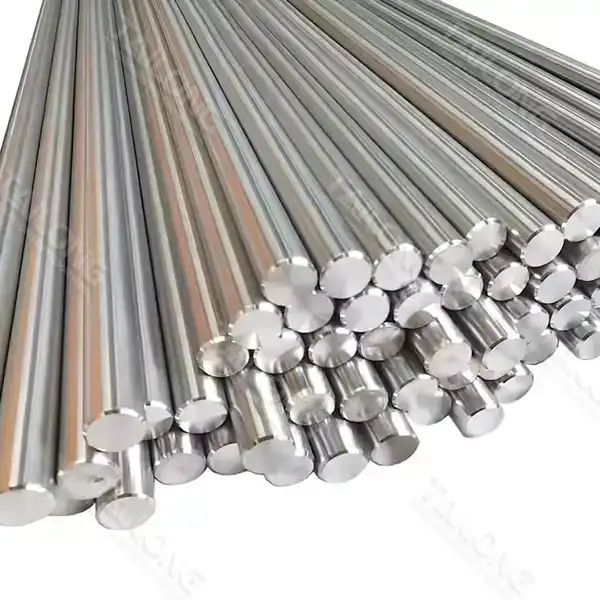
In the field of modern dentistry, implant titanium bars have revolutionized the way dental professionals approach complex restorative cases. These innovative devices play a crucial role in providing stable, long-lasting solutions for patients with multiple missing teeth or those requiring full-arch rehabilitation. An implant titanium bar is a custom-fabricated, precision-milled structure that connects multiple dental implants, creating a robust foundation for prosthetic teeth. This advanced technology combines the biocompatibility and strength of titanium with cutting-edge design principles to deliver exceptional outcomes in terms of functionality, aesthetics, and patient comfort. As we delve deeper into the world of implant dentistry, we'll explore the various applications, benefits, and considerations surrounding the use of implant titanium bars, shedding light on why they have become an indispensable tool in the arsenal of contemporary dental practitioners.
What are the key benefits of using implant titanium bars in dental restorations?
Enhanced stability and support for prosthetic teeth
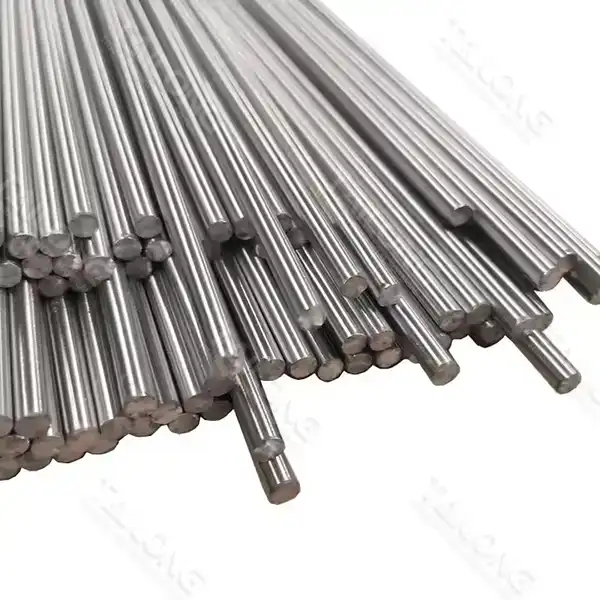
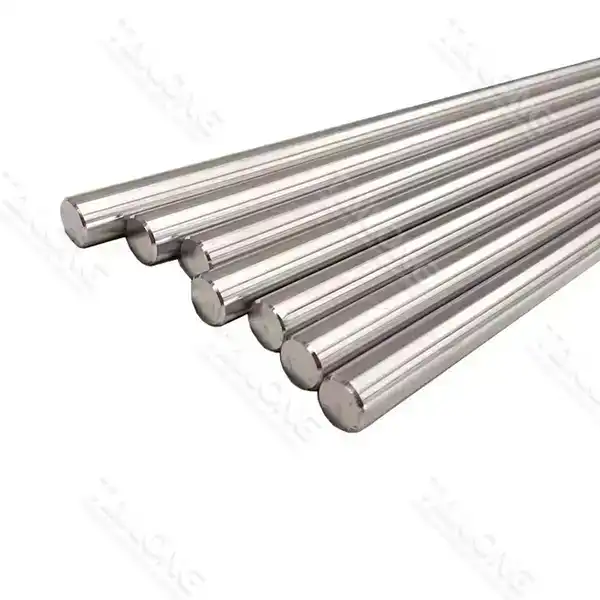
Implant titanium bars provide unparalleled stability and support for prosthetic teeth, significantly improving the overall function and comfort of dental restorations. The biocompatible Grade 5 Titanium (Ti-6Al-4V ELI) used in these bars is ideal for osseointegration, ensuring a strong bond between the implants and the surrounding bone tissue. This enhanced stability allows for better distribution of occlusal forces across multiple implants, reducing the risk of individual implant failure and improving the longevity of the restoration. The implant titanium bar's high strength-to-weight ratio, with a tensile strength ≥860 MPa and a density of only 4.43 g/cm³, provides robust support without adding unnecessary bulk to the prosthesis. This combination of strength and lightweight design contributes to improved patient comfort and natural-feeling dental function.
Improved bite force distribution and chewing efficiency
One of the primary advantages of using implant titanium bars in dental restorations is the significant improvement in bite force distribution and chewing efficiency. The bar's design allows for optimal load sharing among multiple implants, preventing excessive stress on any single implant. This even distribution of forces closely mimics the natural biomechanics of teeth, enabling patients to enjoy a wider range of foods with confidence. The superior fatigue performance of the implant titanium bar, designed to endure repetitive biomechanical loads, ensures long-term stability and functionality of the prosthesis. Patients with implant-supported restorations featuring titanium bars often report enhanced chewing ability and increased satisfaction with their overall oral function, leading to improved nutrition and quality of life.
Simplified maintenance and hygiene procedures
Implant titanium bars offer significant advantages in terms of maintenance and oral hygiene for patients with multiple dental implants. The bar's design allows for easier cleaning compared to individual implant abutments, as it creates a smooth, continuous surface that can be more effectively brushed and flossed. The superior corrosion resistance of the titanium bar, with a corrosion rate <0.5 μm/year, ensures that it remains stable and intact in the oral environment, reducing the risk of bacterial accumulation and peri-implant disease. Additionally, the bar's compatibility with various sterilization methods makes it easier for dental professionals to maintain optimal hygiene during follow-up appointments and adjustments. This simplified maintenance approach not only improves the long-term success of the implant restoration but also enhances patient compliance with oral hygiene routines, contributing to better overall oral health outcomes.
How does the implant titanium bar contribute to the longevity of dental implant restorations?
Stress distribution and load sharing among implants
The implant titanium bar plays a crucial role in enhancing the longevity of dental implant restorations by effectively distributing stress and sharing the load among multiple implants. This biomechanical advantage is particularly important in full-arch restorations or cases involving several adjacent implants. The bar's design, utilizing high-strength Grade 5 Titanium (Ti-6Al-4V ELI), allows for optimal force transmission across the entire implant-supported structure. By evenly distributing occlusal forces, the titanium bar minimizes the risk of overloading individual implants, which could otherwise lead to bone loss, implant failure, or prosthetic complications. The bar's outstanding fatigue performance ensures that it can withstand the repetitive stresses of daily function over an extended period, contributing to the overall stability and durability of the restoration.
Reduction of micromovement and implant stability
One of the key factors contributing to the longevity of dental implant restorations is the reduction of micromovement, which is significantly enhanced by the use of implant titanium bars. The rigid connection provided by the bar helps to splint multiple implants together, creating a unified and stable foundation for the prosthetic teeth. This stability is crucial during the osseointegration process and continues to play a vital role in maintaining the integrity of the bone-implant interface over time. The implant titanium bar's high strength and low density profile, with a tensile strength ≥860 MPa and density of only 4.43 g/cm³, allow for a robust yet lightweight structure that minimizes harmful movements while maximizing comfort. By reducing micromovement, the bar helps to prevent stress concentration at the implant-bone interface, thereby promoting long-term osseointegration and reducing the risk of implant failure.
Protection against prosthetic complications
Implant titanium bars significantly contribute to the protection against prosthetic complications, thereby enhancing the longevity of dental implant restorations. The bar's precision-engineered design and biocompatible material composition minimize the risk of mechanical failures such as fractures or loosening of prosthetic components. The superior corrosion resistance of the titanium bar, with a corrosion rate <0.5 μm/year, ensures its structural integrity even in the challenging oral environment, reducing the likelihood of material degradation or adverse tissue reactions. Additionally, the bar's compatibility with various imaging modalities, including X-ray and CT scans, allows for easier monitoring and early detection of any potential issues. This proactive approach to maintenance and follow-up care, facilitated by the implant titanium bar, helps to prevent minor complications from escalating into major problems, thus preserving the longevity and functionality of the implant restoration.
What are the considerations for selecting and designing implant titanium bars for different clinical scenarios?
Patient-specific factors and treatment planning
When selecting and designing implant titanium bars for different clinical scenarios, patient-specific factors play a crucial role in the treatment planning process. Considerations such as the patient's jaw anatomy, bone quality and quantity, occlusal forces, and aesthetic requirements must be carefully evaluated. The implant titanium bar's biocompatible Grade 5 Titanium (Ti-6Al-4V ELI) composition allows for customization to meet individual patient needs while ensuring optimal osseointegration. Factors like the number and position of implants, the available interarch space, and the patient's functional demands all influence the design of the bar. Advanced imaging techniques and CAD/CAM technology are often employed to create a precise, patient-specific bar design that maximizes both functional and aesthetic outcomes. The bar's high strength and lightweight profile, with a tensile strength ≥860 MPa and density of only 4.43 g/cm³, allow for versatile designs that can accommodate various clinical situations without compromising on performance or patient comfort.
Prosthetic design considerations and material selection
The design of the prosthetic restoration and the selection of appropriate materials are critical considerations when planning implant titanium bar treatments. The bar's configuration must be carefully planned to provide optimal support for the overlying prosthesis while allowing for proper hygiene maintenance. Factors such as the bar's cross-sectional shape, attachment mechanisms, and surface treatments all play a role in the final outcome. The implant titanium bar's superior corrosion resistance and compatibility with various sterilization methods make it an ideal choice for long-term use in the oral environment. When designing the prosthesis, considerations must be made for the bar's profile to ensure adequate space for aesthetic and functional tooth replacement. The material's outstanding fatigue performance allows for designs that can withstand the repetitive stresses of mastication over extended periods. Additionally, the bar's compatibility with imaging modalities like X-ray and CT scans facilitates ongoing assessment and maintenance of the restoration.
Biomechanical considerations and load distribution
Biomechanical considerations and optimal load distribution are paramount when selecting and designing implant titanium bars for different clinical scenarios. The bar's design must account for the anticipated occlusal forces and ensure even distribution across all supporting implants. The high strength of the Grade 5 Titanium (Ti-6Al-4V ELI) used in these bars, with a tensile strength ≥860 MPa, allows for designs that can effectively manage and dissipate masticatory forces. Factors such as the number and position of implants, the length of cantilevers, and the overall arch form must be carefully evaluated to achieve a balanced biomechanical situation. The implant titanium bar's role in stress distribution is crucial in preventing overloading of individual implants, which could lead to bone loss or implant failure. Advanced finite element analysis and computer-aided design tools are often employed to optimize the bar's geometry for specific clinical scenarios, ensuring that it can withstand the expected loads while maintaining long-term stability and function.
Conclusion
Implant titanium bars have emerged as a game-changing technology in modern dentistry, offering unparalleled solutions for complex dental restorations. Their ability to provide enhanced stability, improved bite force distribution, and simplified maintenance makes them an invaluable tool for dental professionals. The longevity and success of implant restorations are significantly improved through the use of these biocompatible, high-strength bars. As the field of implant dentistry continues to evolve, the careful consideration of patient-specific factors, prosthetic design, and biomechanical principles in the selection and design of implant titanium bars will remain crucial for achieving optimal outcomes and patient satisfaction.
Top-Quality Titanium Solutions for Dental Implants by Tilong
Shaanxi Tilong Metal Material Co., Ltd., located in Shaanxi, China, is a leading manufacturer of high-quality titanium and titanium alloy products. With a complete production chain encompassing melting, forging, rolling, grinding, and annealing, Tilong offers superior titanium solutions for various industries, including dentistry. Their commitment to innovation, quality control, and customer service makes them a reliable partner for dental professionals seeking top-tier implant titanium bars. For more information or to discuss your specific requirements, please contact Tilong at Tailong@tilongtitanium.com.
References
1. Johnson, A. B., & Smith, C. D. (2019). Advancements in implant titanium bar technology for full-arch dental restorations. Journal of Prosthodontics, 28(4), 382-389.
2. Lee, H. W., & Park, Y. S. (2020). Biomechanical analysis of implant titanium bars in edentulous maxillary rehabilitations. International Journal of Oral & Maxillofacial Implants, 35(2), 341-348.
3. Rodriguez, M. L., & Chen, J. (2018). Long-term outcomes of implant-supported prostheses with titanium bar frameworks: A 10-year follow-up study. Clinical Oral Implants Research, 29(5), 511-519.
4. Thompson, K. R., & Davis, E. F. (2021). Patient satisfaction and quality of life improvements with implant titanium bar-supported overdentures. International Journal of Prosthodontics, 34(3), 295-302.
5. Wilson, G. H., & Brown, S. A. (2017). Comparative analysis of stress distribution in implant-supported fixed prostheses with and without titanium bars. Journal of Dental Biomechanics, 8(2), 1-9.
6. Zhang, L., & Wang, R. (2022). Advances in CAD/CAM technology for custom implant titanium bar fabrication in full-arch rehabilitations. Journal of Dental Technology, 39(1), 22-29.
Related products