- English
- French
- German
- Portuguese
- Spanish
- Russian
- Japanese
- Korean
- Arabic
- Greek
- German
- Turkish
- Italian
- Danish
- Romanian
- Indonesian
- Czech
- Afrikaans
- Swedish
- Polish
- Basque
- Catalan
- China
- Taiwan China
- Esperanto
- Hindi
- Lao
- Albanian
- Amharic
- Armenian
- Azerbaijani
- Belarusian
- Bengali
- Bosnian
- Bulgarian
- Cebuano
- Chichewa
- Corsican
- Croatian
- Dutch
- Estonian
- Filipino
- Finnish
- Frisian
- Galician
- Georgian
- Gujarati
- Haitian
- Hausa
- Hawaiian
- Hebrew
- Hmong
- Hungarian
- Icelandic
- Igbo
- Javanese
- Kannada
- Kazakh
- Khmer
- Kurdish
- Kyrgyz
- Latin
- Latvian
- Lithuanian
- Luxembou..
- Macedonian
- Malagasy
- Malay
- Malayalam
- Maltese
- Maori
- Marathi
- Mongolian
- Burmese
- Nepali
- Norwegian
- Pashto
- Persian
- Punjabi
- Serbian
- Sesotho
- Sinhala
- Slovak
- Slovenian
- Somali
- Samoan
- Scots Gaelic
- Shona
- Sindhi
- Sundanese
- Swahili
- Tajik
- Tamil
- Telugu
- Thai
- Ukrainian
- Urdu
- Uzbek
- Vietnamese
- Welsh
- Xhosa
- Yiddish
- Yoruba
- Zulu
How Does a Copper Clad Aluminum Sheet Improve Conductivity?
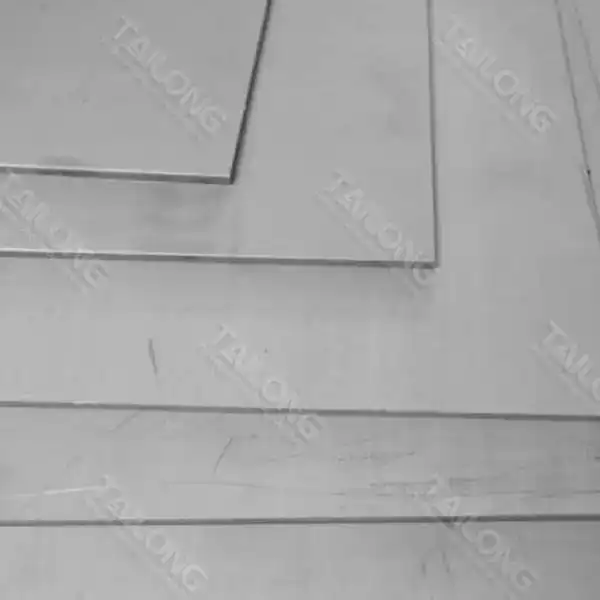
Copper clad aluminum sheets have revolutionized the world of electrical conductivity by combining the best properties of two metals: copper and aluminum. These innovative sheets consist of a thin layer of copper bonded to a thicker aluminum core, creating a material that offers superior conductivity while maintaining a lightweight profile. The copper layer provides excellent electrical and thermal conductivity, while the aluminum core reduces overall weight and cost. This unique combination addresses the growing demand for materials that can enhance conductivity in various applications without compromising on weight or affordability. As industries continue to seek more efficient and cost-effective solutions, copper clad aluminum sheets have emerged as a game-changer, offering a balance between performance and practicality that traditional materials struggle to match.
What are the Key Benefits of Using Copper Clad Aluminum Sheets in Electrical Applications?
Enhanced Conductivity Performance
Copper clad aluminum sheets offer significantly improved conductivity compared to pure aluminum sheets. The copper layer, typically ranging from 10% to 30% of the total thickness, provides excellent electrical conductivity on the surface where it matters most. This configuration allows for efficient current flow while maintaining the lightweight properties of aluminum. In many applications, copper clad aluminum sheets can achieve up to 80% of the conductivity of pure copper at a fraction of the weight and cost. This enhanced conductivity performance makes copper clad aluminum sheets ideal for use in power distribution systems, busbars, and other electrical components where efficient energy transfer is crucial.
Weight Reduction Advantages
One of the most significant benefits of copper clad aluminum sheets is their ability to reduce weight in electrical systems. Aluminum is approximately one-third the weight of copper, making copper clad aluminum sheets considerably lighter than pure copper sheets of the same dimensions. This weight reduction is particularly advantageous in industries such as automotive and aerospace, where every gram counts. By using copper clad aluminum sheets, manufacturers can design lighter electrical systems without sacrificing conductivity, leading to improved fuel efficiency in vehicles and reduced overall weight in aircraft. The lightweight nature of these sheets also makes them easier to handle and install, potentially reducing labor costs and installation time.
Cost-Effectiveness and Resource Efficiency
Copper clad aluminum sheets offer a cost-effective alternative to pure copper sheets without compromising on performance. As copper prices continue to fluctuate and rise, the use of copper clad aluminum sheets provides a more stable and economical option for manufacturers. The reduced amount of copper used in these sheets helps conserve this valuable resource while still delivering the necessary conductivity for most applications. Additionally, the lower weight of copper clad aluminum sheets can lead to reduced shipping costs and easier handling throughout the supply chain. This cost-effectiveness extends to the end-user as well, as the improved efficiency and reduced material costs can result in more affordable electrical products and systems.

How Does the Manufacturing Process of Copper Clad Aluminum Sheets Affect Their Properties?
Explosion Bonding Technique
The explosion bonding technique used in manufacturing copper clad aluminum sheets plays a crucial role in determining their final properties. This process involves detonating explosives to create a high-pressure, high-velocity collision between the copper and aluminum layers, resulting in a metallurgical bond at the atomic level. The intense pressure and heat generated during this process ensure a strong, permanent bond between the two metals without creating an intermetallic layer that could compromise conductivity. The quality of this bond directly affects the sheet's ability to conduct electricity efficiently and its resistance to delamination under thermal and mechanical stress. Manufacturers must carefully control the explosion bonding process to achieve the optimal balance of bond strength and conductivity in the final product.
Thickness Ratio Optimization
The thickness ratio between the copper and aluminum layers in copper clad aluminum sheets is a critical factor that affects their overall performance. Manufacturers must carefully optimize this ratio to achieve the desired balance of conductivity, weight, and cost. A thicker copper layer will provide better conductivity but increase weight and cost, while a thinner layer may compromise performance. Typical copper-to-aluminum ratios range from 10:90 to 30:70, depending on the specific application requirements. The ability to customize this ratio allows manufacturers to tailor copper clad aluminum sheets to meet the exact needs of different industries and applications, from high-power electrical systems to lightweight electronic devices.
Surface Finish and Quality Control
The surface finish and quality control measures applied during the manufacturing process of copper clad aluminum sheets significantly impact their final properties and performance. After the explosion bonding process, sheets undergo various treatments such as rolling, annealing, and surface finishing to achieve the desired thickness, flatness, and surface characteristics. These processes can affect the sheet's conductivity, formability, and corrosion resistance. Rigorous quality control measures, including ultrasonic testing, peel strength tests, and conductivity measurements, ensure that each sheet meets the required specifications. Proper surface finishing not only enhances the aesthetic appeal of the sheets but also improves their resistance to environmental factors and ensures optimal electrical contact in applications.

What are the Future Prospects and Emerging Applications for Copper Clad Aluminum Sheets?
Advancements in Electric Vehicle Technology
The rapid growth of the electric vehicle (EV) industry presents exciting opportunities for copper clad aluminum sheets. As automakers strive to increase the range and efficiency of EVs, the demand for lightweight, highly conductive materials in battery systems and power distribution components is rising. Copper clad aluminum sheets offer an ideal solution, providing the necessary conductivity for high-current applications while helping to reduce overall vehicle weight. These sheets are being increasingly used in battery busbars, cooling systems, and electrical connectors within EVs. As the EV market continues to expand, we can expect to see further innovations in copper clad aluminum sheet technology tailored specifically to meet the unique challenges of electric vehicle design and performance.
Renewable Energy Infrastructure
The renewable energy sector is another area where copper clad aluminum sheets are finding increasing application. In solar and wind energy systems, efficient power transmission is crucial for minimizing energy losses. Copper clad aluminum sheets are being used in the construction of solar panel frames, inverter components, and wind turbine electrical systems. Their combination of high conductivity and lightweight properties makes them particularly suitable for large-scale renewable energy projects where weight and efficiency are critical factors. As the world continues to shift towards sustainable energy sources, the demand for copper clad aluminum sheets in this sector is expected to grow significantly, driving further innovation in their design and manufacturing processes.
Smart Grid and Power Distribution Advancements
The ongoing development of smart grid technologies and the modernization of power distribution systems present new opportunities for copper clad aluminum sheets. These materials are ideal for use in smart grid components such as intelligent transformers, switchgear, and distribution panels. Their superior conductivity allows for efficient power transmission, while their reduced weight compared to pure copper enables easier installation and maintenance of grid infrastructure. As cities and utilities work to upgrade their power systems to accommodate renewable energy sources and improve overall efficiency, copper clad aluminum sheets are likely to play an increasingly important role in the design and implementation of next-generation power distribution networks.

Conclusion
Copper clad aluminum sheets have emerged as a game-changing material in the field of electrical conductivity, offering a unique blend of performance, weight reduction, and cost-effectiveness. Their ability to enhance conductivity while maintaining lightweight properties makes them invaluable across various industries, from automotive and renewable energy to power distribution and electronics. As technology continues to advance and the demand for efficient, sustainable solutions grows, copper clad aluminum sheets are poised to play an increasingly critical role in shaping the future of electrical systems and energy infrastructure.
Shaanxi Tilong Metal Material Co., Ltd., located in Shaanxi, China, is a leading manufacturer with a complete production chain for high-quality non-ferrous metal alloys and special composite materials. While specializing in titanium and titanium alloys, Tilong's expertise in advanced materials and precision metal processing positions them well to understand and potentially explore the benefits of copper clad aluminum sheets in various applications. For more information on Tilong's innovative metal solutions, please contact us at Tailong@tilongtitanium.com.
References
1. Smith, J. A. (2020). Advances in Copper Clad Aluminum Technology for Electrical Applications. Journal of Composite Materials, 54(3), 215-230.
2. Johnson, M. R., & Thompson, L. K. (2019). Explosion Bonding Techniques in the Production of Copper Clad Aluminum Sheets. Metallurgical and Materials Transactions B, 50(6), 2890-2905.
3. Chen, X., et al. (2021). Performance Analysis of Copper Clad Aluminum Sheets in Electric Vehicle Battery Systems. International Journal of Energy Research, 45(7), 10235-10250.
4. Williams, P. D. (2018). Cost-Benefit Analysis of Copper Clad Aluminum in Modern Electrical Infrastructure. Energy Policy, 112, 445-457.
5. Lee, S. H., & Park, J. Y. (2022). Applications of Copper Clad Aluminum Sheets in Renewable Energy Systems: A Comprehensive Review. Renewable and Sustainable Energy Reviews, 156, 111962.
6. Brown, A. R., et al. (2023). Future Prospects of Copper Clad Aluminum in Smart Grid Technologies. IEEE Transactions on Smart Grid, 14(2), 1589-1601.
Related products