- English
- French
- German
- Portuguese
- Spanish
- Russian
- Japanese
- Korean
- Arabic
- Greek
- German
- Turkish
- Italian
- Danish
- Romanian
- Indonesian
- Czech
- Afrikaans
- Swedish
- Polish
- Basque
- Catalan
- China
- Taiwan China
- Esperanto
- Hindi
- Lao
- Albanian
- Amharic
- Armenian
- Azerbaijani
- Belarusian
- Bengali
- Bosnian
- Bulgarian
- Cebuano
- Chichewa
- Corsican
- Croatian
- Dutch
- Estonian
- Filipino
- Finnish
- Frisian
- Galician
- Georgian
- Gujarati
- Haitian
- Hausa
- Hawaiian
- Hebrew
- Hmong
- Hungarian
- Icelandic
- Igbo
- Javanese
- Kannada
- Kazakh
- Khmer
- Kurdish
- Kyrgyz
- Latin
- Latvian
- Lithuanian
- Luxembou..
- Macedonian
- Malagasy
- Malay
- Malayalam
- Maltese
- Maori
- Marathi
- Mongolian
- Burmese
- Nepali
- Norwegian
- Pashto
- Persian
- Punjabi
- Serbian
- Sesotho
- Sinhala
- Slovak
- Slovenian
- Somali
- Samoan
- Scots Gaelic
- Shona
- Sindhi
- Sundanese
- Swahili
- Tajik
- Tamil
- Telugu
- Thai
- Ukrainian
- Urdu
- Uzbek
- Vietnamese
- Welsh
- Xhosa
- Yiddish
- Yoruba
- Zulu
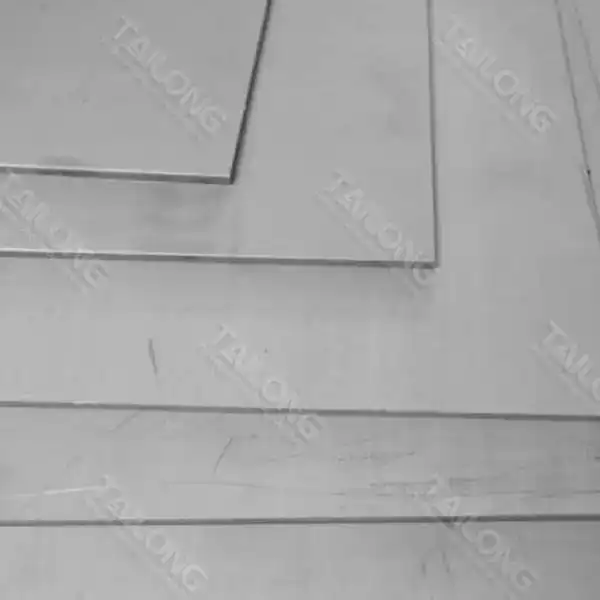
How to verify ASTM B265 Grade 2 Titanium Plate quality?
Ensuring the quality of ASTM B265 Grade 2 Titanium Plate is crucial for its performance in various industrial applications. This high-performance material, known for its exceptional strength-to-weight ratio and corrosion resistance, requires rigorous verification to meet the stringent ASTM standards. Quality assurance is paramount, as these titanium plates are often used in critical components across aerospace, automotive, and energy sectors. This blog post will delve into the essential methods and procedures for verifying the quality of ASTM B265 Grade 2 Titanium Plate. We'll explore key testing methods, examine critical chemical and mechanical properties, and discuss advanced inspection techniques. By understanding these verification processes, manufacturers and end-users can ensure they are working with titanium plates that meet the highest standards of quality and reliability, ultimately enhancing the performance and longevity of their products and systems.
Key Testing Methods: How to Validate ASTM B265 Grade 2 Titanium Plate Compliance?
Tensile Testing: Assessing Strength and Ductility
Tensile testing is a fundamental method for verifying the quality of ASTM B265 Grade 2 Titanium Plate. This test evaluates the material's strength and ductility by subjecting a sample to controlled tension until failure. For Grade 2 titanium, the minimum tensile strength should be 345 MPa, with a yield strength of at least 275 MPa. The elongation should be no less than 20%, demonstrating the material's ductility. During the test, stress-strain curves are generated, providing valuable insights into the plate's elastic and plastic deformation behaviors. These properties are crucial for applications where the titanium plate must withstand significant loads without permanent deformation or failure.
Hardness Testing: Verifying Surface Properties
Hardness testing is another critical method for validating ASTM B265 Grade 2 Titanium Plate quality. This non-destructive test measures the material's resistance to indentation, which correlates with its wear resistance and overall strength. For Grade 2 titanium, the typical Rockwell hardness falls between 80 to 100 HRB. Brinell or Vickers hardness tests may also be employed, depending on the specific requirements. Consistent hardness across the plate's surface indicates uniform material properties and proper heat treatment. Any significant deviations could signal potential defects or inconsistencies in the manufacturing process, prompting further investigation to ensure the plate meets ASTM B265 standards.
Fatigue Testing: Evaluating Long-term Performance
Fatigue testing is essential for verifying the long-term performance of ASTM B265 Grade 2 Titanium Plate, especially in applications involving cyclic loading. This test subjects samples to repeated stress cycles, simulating real-world conditions the material might encounter during its service life. For Grade 2 titanium, the fatigue strength is typically high, contributing to its excellent durability. The test determines the number of cycles the material can withstand before failure at different stress levels, producing an S-N curve (stress vs. number of cycles). This data is crucial for predicting the plate's performance in applications such as aerospace components or industrial machinery, where long-term reliability under fluctuating loads is paramount.
Chemical Composition & Mechanical Properties: Essential Checks for Grade 2 Titanium Quality
Spectrometric Analysis: Verifying Elemental Composition
Spectrometric analysis is a critical method for verifying the chemical composition of ASTM B265 Grade 2 Titanium Plate. This technique uses optical emission or X-ray fluorescence spectroscopy to determine the precise percentages of elements present in the material. For Grade 2 titanium, the composition should adhere to strict limits: maximum 0.08% carbon, 0.03% nitrogen, 0.18% oxygen, 0.015% hydrogen, and 0.30% iron, with the balance being titanium. Accurate composition analysis ensures that the plate possesses the intended properties, such as corrosion resistance and strength. Any deviations from these specifications could significantly affect the material's performance and may indicate non-compliance with ASTM B265 standards.
Microstructure Examination: Assessing Grain Structure
Microstructure examination is an essential check for verifying the quality of ASTM B265 Grade 2 Titanium Plate. This process involves preparing a polished and etched sample of the material for analysis under a microscope. The examination reveals the grain size, shape, and distribution, which directly influence the plate's mechanical properties. For Grade 2 titanium, a fine, equiaxed grain structure is typically desired, as it contributes to optimal strength and ductility. The presence of abnormal grain growth, excessive twinning, or unwanted phases could indicate issues in the manufacturing process or heat treatment. By ensuring a consistent and appropriate microstructure, manufacturers can verify that the titanium plate will exhibit the expected mechanical properties and performance in its intended applications.
Corrosion Testing: Confirming Resistance Properties
Corrosion testing is a crucial step in verifying the quality of ASTM B265 Grade 2 Titanium Plate, given its renowned corrosion resistance. This testing involves exposing samples to various corrosive environments, such as salt spray, acidic solutions, or high-temperature oxidizing conditions. For Grade 2 titanium, exceptional resistance to a wide range of corrosive media is expected. The test may include weight loss measurements, visual inspections for pitting or other forms of corrosion, and electrochemical tests to determine corrosion rates. The results should demonstrate minimal material degradation, confirming the plate's suitability for applications in aggressive environments. Any unexpected corrosion behavior could indicate compositional issues or manufacturing defects, necessitating further investigation to ensure compliance with ASTM B265 standards.

Surface Inspection & Ultrasonic Testing: Detecting Flaws in ASTM B265 Titanium Plates
Visual Inspection: Identifying Surface Defects
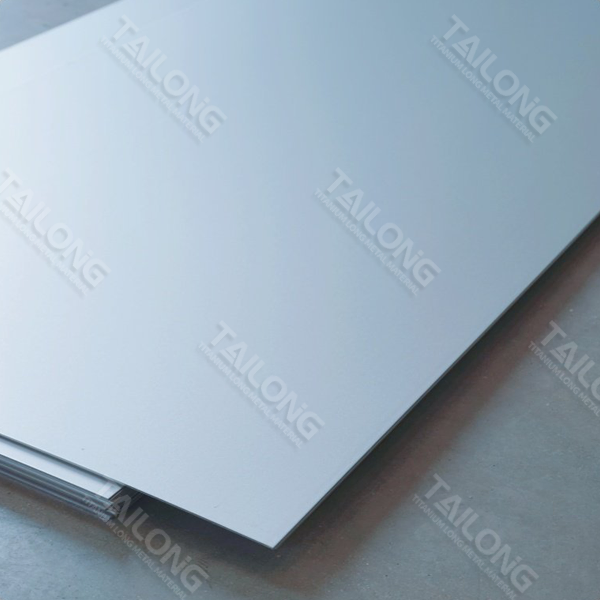
Visual inspection is a fundamental yet crucial step in detecting surface flaws in ASTM B265 Grade 2 Titanium Plate. This process involves carefully examining the plate's surface under proper lighting conditions, often aided by magnification tools. Inspectors look for visible defects such as scratches, dents, pits, or discoloration that could compromise the plate's integrity or performance. For Grade 2 titanium, a smooth, uniform surface finish is expected. Any irregularities, such as laminations, cracks, or inclusions, are noted and assessed against acceptance criteria. While visual inspection may seem basic, it can reveal critical surface imperfections that could affect the titanium plate's functionality, especially in applications where surface quality is paramount, such as in aerospace or medical components.
Dye Penetrant Testing: Revealing Surface Discontinuities
Dye penetrant testing is an effective non-destructive method for revealing surface discontinuities in ASTM B265 Grade 2 Titanium Plate. This technique involves applying a colored or fluorescent dye to the plate's surface, allowing it to penetrate any surface-breaking flaws. After removing excess dye, a developer is applied, which draws the penetrant out of the flaws, making them visible under normal or ultraviolet light. For Grade 2 titanium plates, this method can detect fine surface cracks, porosity, or other discontinuities that might be invisible to the naked eye. The sensitivity of dye penetrant testing makes it particularly valuable for inspecting critical components where even small surface defects could lead to failure. Any indications found during this test are carefully evaluated to determine their nature and severity, ensuring the titanium plate meets the stringent quality requirements of ASTM B265.
Ultrasonic Testing: Detecting Internal Flaws
Ultrasonic testing is a sophisticated method for detecting internal flaws in ASTM B265 Grade 2 Titanium Plate. This non-destructive technique uses high-frequency sound waves to penetrate the material, revealing subsurface defects that are not visible on the surface. For Grade 2 titanium plates, ultrasonic testing can identify internal discontinuities such as voids, inclusions, or delaminations that could compromise the material's integrity. The test involves moving a transducer across the plate's surface, sending sound waves through the material and analyzing the reflected signals. Any anomalies in these signals indicate the presence and location of flaws. The high sensitivity of ultrasonic testing makes it particularly valuable for thick titanium plates or those used in critical applications where internal defects could lead to catastrophic failure. By employing this method, manufacturers can ensure that ASTM B265 Grade 2 Titanium Plates meet the highest standards of internal quality and structural integrity.
Conclusion
Verifying the quality of ASTM B265 Grade 2 Titanium Plate is a multifaceted process that demands rigorous testing and inspection. From chemical composition analysis to mechanical property verification, and from surface inspection to internal flaw detection, each step plays a crucial role in ensuring the plate meets the stringent ASTM standards. By employing these comprehensive verification methods, manufacturers and end-users can confidently rely on the exceptional performance and durability of Grade 2 titanium plates in their critical applications. As technology advances, these verification processes will continue to evolve, further enhancing our ability to produce and utilize high-quality titanium materials across various industries.
Tilong Delivers Reliable Titanium Seamless Tube Solutions
Shaanxi Tilong Metal Material Co., Ltd., located in Shaanxi, China, is a manufacturer with a complete production chain for high-quality non-ferrous metal alloys and special composite materials. Our expertise in titanium and titanium alloys makes us a reliable partner for industries requiring high-performance materials. With our commitment to quality control and innovation, we ensure that our ASTM B265 Grade 2 Titanium Plates meet the highest standards of quality and performance. For more information or inquiries, please contact us at Tailong@tilongtitanium.com.
References
1. ASTM International. (2020). ASTM B265-20: Standard Specification for Titanium and Titanium Alloy Strip, Sheet, and Plate. West Conshohocken, PA: ASTM International.
2. Lutjering, G., & Williams, J. C. (2007). Titanium (2nd ed.). Springer-Verlag Berlin Heidelberg.
3. Boyer, R., Welsch, G., & Collings, E. W. (1994). Materials Properties Handbook: Titanium Alloys. ASM International.
4. Donachie, M. J. (2000). Titanium: A Technical Guide (2nd ed.). ASM International.
5. Peters, M., Kumpfert, J., Ward, C. H., & Leyens, C. (2003). Titanium Alloys for Aerospace Applications. Advanced Engineering Materials, 5(6), 419-427.
6. Rack, H. J., & Qazi, J. I. (2006). Titanium alloys for biomedical applications. Materials Science and Engineering: C, 26(8), 1269-1277.
Related products