Introduction
With the increasing demands for high-efficiency, corrosion-resistant, and environmentally friendly materials in the power industry, composite materials such as titanium-steel and titanium-stainless steel clad plates are gaining prominence. These materials combine the mechanical strength and cost-effectiveness of steel or stainless steel with the exceptional corrosion resistance and lightweight properties of titanium. As energy systems become more complex, the ability to withstand harsh chemical environments while maintaining structural integrity is crucial, especially in thermal power plants, nuclear power facilities, and waste-to-energy stations.
This article explores the structure, advantages, and specific applications of titanium clad materials in the power sector, offering insights into how these advanced composites are helping reshape the industry.
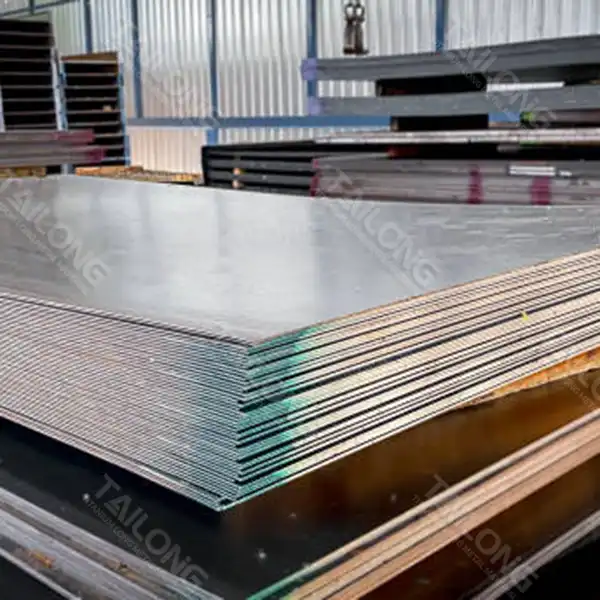
1. Understanding Titanium Clad Materials
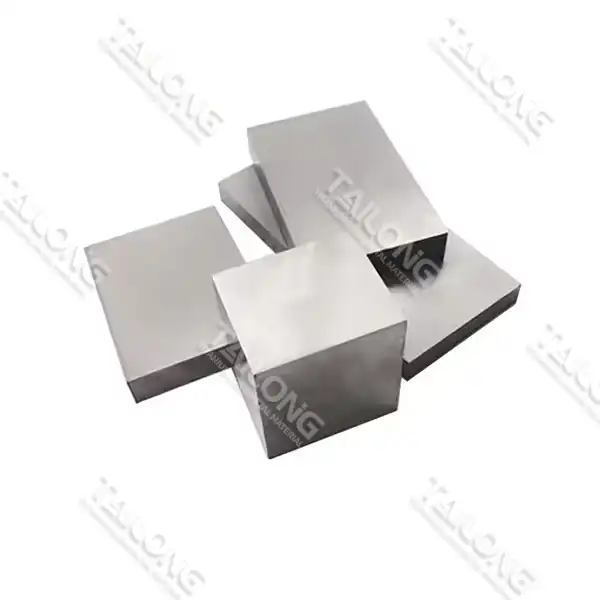
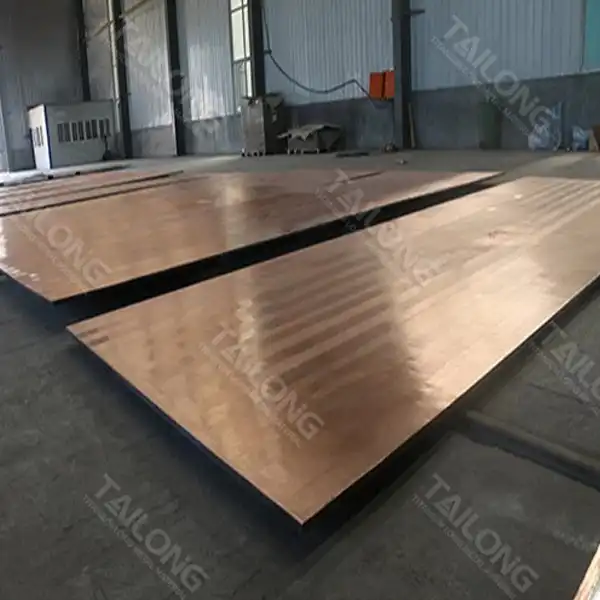
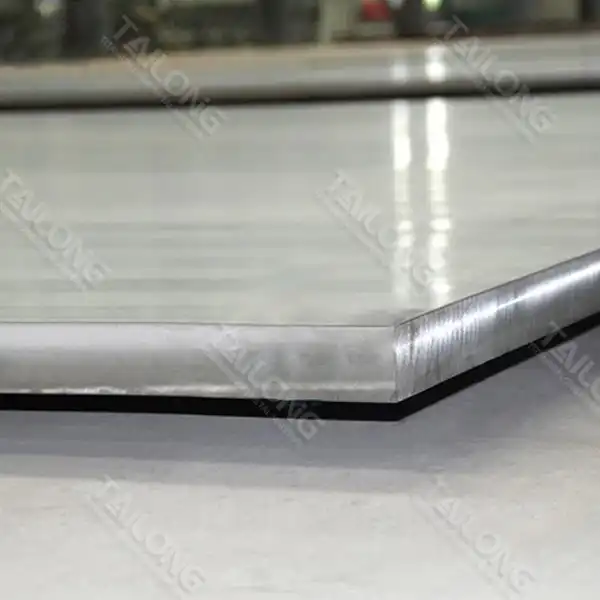
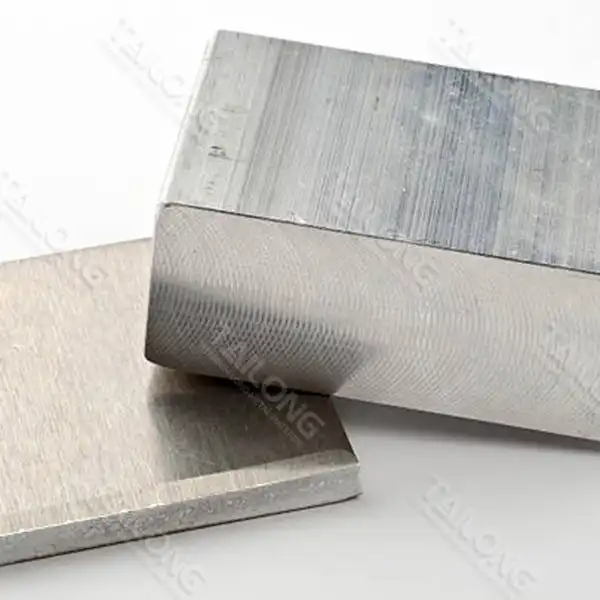
Titanium clad materials are bimetallic or multi-metallic composites created by bonding a layer of pure titanium or titanium alloy to a base material like carbon steel or stainless steel through methods such as explosive bonding, hot rolling, or diffusion bonding.
-
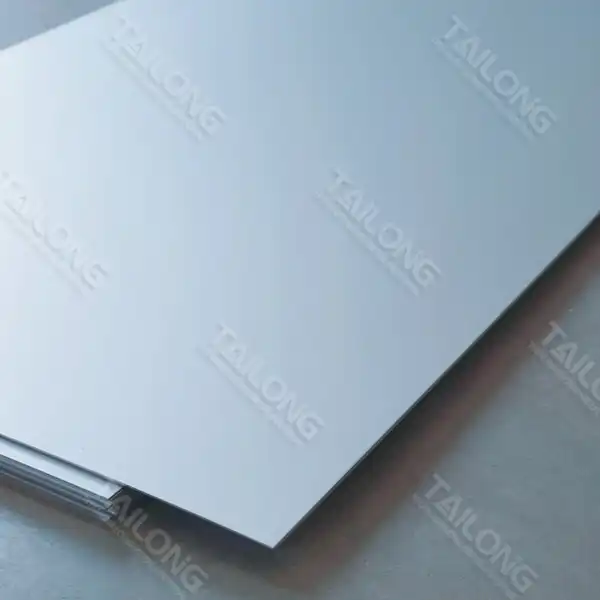
Titanium-Steel Clad Plate: Comprises a layer of commercially pure titanium (e.g., Gr1, Gr2) and a carbon steel base (e.g., Q235, A516). It is used where corrosion resistance is needed at a low cost.
-
Titanium-Stainless Steel Clad Plate: Combines titanium with stainless steel (e.g., 304, 316L) to enhance resistance to acidic and oxidizing environments.
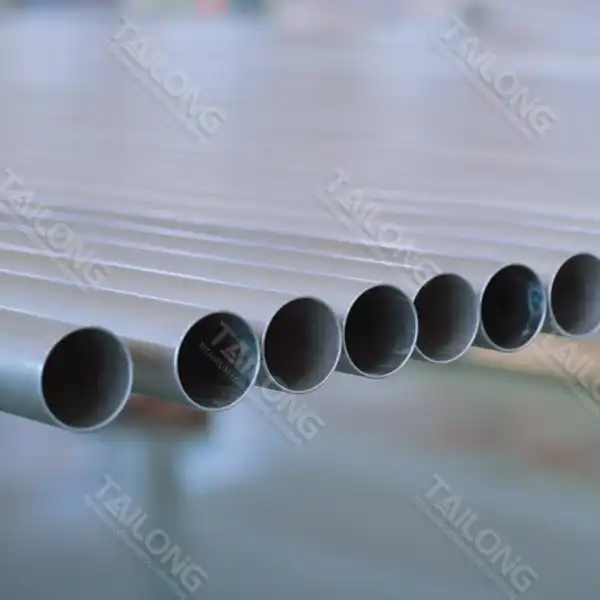
These materials are mainly used in heat exchangers, condensers, reactors, flue gas desulfurization systems, and pressure vessels.
2. Material Advantages for the Power Sector
Titanium clad plates offer numerous benefits over monolithic metals in power generation and transmission systems:
2.1 Superior Corrosion Resistance
Titanium exhibits extraordinary resistance to chloride, sulfide, and nitric acid corrosion. When clad to steel or stainless steel, it forms an economical solution with the corrosion-resistant surface of titanium and the structural strength of the substrate.
2.2 Excellent Strength-to-Weight Ratio
Titanium's density is about 4.5 g/cm³, approximately 60% that of steel. Despite its low weight, it offers high tensile strength, reducing structural load and improving thermal system efficiency in power plants.
2.3 Cost-Effective Material Optimization
Using a thin titanium layer bonded to cheaper carbon steel or stainless steel drastically reduces the overall cost while achieving similar corrosion performance to solid titanium plates.
2.4 Long Service Life
By reducing corrosion-related failures, titanium composite materials help extend the service life of components like heat exchangers and condensers, cutting down maintenance and replacement costs.
3. Applications in the Power Industry
Titanium-clad composites have a broad spectrum of applications in various segments of the power industry:
3.1 Flue Gas Desulfurization (FGD) Systems
In coal-fired power plants, FGD systems are used to remove sulfur dioxide (SO₂) from flue gases. The system contains highly corrosive slurries and gases, often at elevated temperatures.
-
Titanium-Stainless Steel Clad Plates are used in absorber towers, scrubbers, and ductwork.
-
Titanium provides corrosion resistance against acidic and chloride-rich environments.
-
Stainless steel offers structural support, reducing total material costs.
3.2 Condensers and Heat Exchangers
Steam turbines in thermal and nuclear power plants use condensers to recycle water from exhaust steam. These condensers are exposed to seawater or brackish water, which is highly corrosive.
-
Titanium-Steel Clad Tubesheets and shells are widely used.
-
The titanium layer resists pitting and crevice corrosion.
-
The steel core provides mechanical strength for high-pressure operation.
3.3 Nuclear Power Applications
Nuclear reactors and cooling systems require materials that can resist radiation and high-temperature corrosion.
-
Titanium-clad materials are used for pipes, vessels, and heat transfer equipment.
-
They withstand borated water, nitric acid, and radiation-induced degradation.
-
In advanced reactors, titanium composites help reduce contamination risks.
3.4 Geothermal Power Stations
Geothermal fluids are typically rich in hydrogen sulfide, chloride, and dissolved solids, which aggressively corrode conventional metals.
-
Titanium-stainless steel cladding is ideal for heat exchangers, flash vessels, and pipelines.
-
It ensures long-term performance with reduced maintenance.
3.5 Waste-to-Energy Plants
These facilities handle corrosive condensates from combustion gases. Titanium clad pressure vessels and liners are commonly used to handle the acidic waste streams.
4. Manufacturing Process of Titanium Clad Materials
The production of titanium-steel and titanium-stainless steel composites typically follows one of the following techniques:
4.1 Explosive Bonding
-
A layer of titanium is explosively bonded to the steel substrate using a controlled detonation.
-
It produces a high-energy metallurgical bond without melting.
-
Suitable for large surface areas and complex geometries.
4.2 Hot Rolling Bonding
-
The titanium and steel layers are joined by high-temperature rolling under pressure.
-
It ensures excellent interfacial bonding through diffusion.
-
Preferred for high-volume industrial-scale production.
4.3 Vacuum Diffusion Bonding
-
Performed at high temperature under vacuum, allowing atoms to diffuse and form a solid-state bond.
-
Ideal for high-precision applications in the nuclear and aerospace sectors.
Each process ensures that the clad layer maintains full metallurgical integrity, with proper thickness control and no delamination.
5. Technical Challenges and Solutions
5.1 Thermal Expansion Mismatch
Titanium and steel have different coefficients of thermal expansion, which may cause delamination or stress cracking under thermal cycling.
Solution: Finite element analysis and optimized bonding conditions minimize residual stresses. Gradual heating and cooling during operation also mitigate thermal strain.
5.2 Bonding Quality Control
Poor interfacial bonding can lead to failure in high-pressure or corrosive environments.
Solution: Non-destructive testing (NDT) methods like ultrasonic testing and shear testing are implemented to ensure bond reliability.
5.3 Fabrication Complexity
Welding titanium-clad plates requires specialized techniques to avoid contamination and ensure a strong bond.
Solution: Welding is performed with TIG or MIG methods in argon-shielded environments, and only titanium filler materials are used.
6. Environmental and Economic Benefits
In the context of carbon reduction and sustainability, titanium clad materials offer distinct environmental and economic advantages:
-
Reduced Material Waste: Minimal use of expensive titanium reduces raw material consumption.
-
Lower Energy Losses: Improved heat transfer efficiency reduces energy waste in condensers and heat exchangers.
-
Extended Equipment Lifespan: Fewer replacements mean less downtime and reduced carbon emissions from manufacturing replacements.
-
Compliance with Environmental Regulations: Resistance to leaching and corrosion ensures cleaner operation and easier compliance with waste discharge regulations.
7. Future Trends and Outlook
The global demand for high-performance composite materials in energy systems is growing. As the power industry shifts toward more sustainable energy sources, materials that combine high corrosion resistance, strength, and low lifecycle costs are essential.
Future trends include:
-
Advanced surface treatment technologies (e.g., anodizing, plasma spraying) to enhance performance.
-
New titanium alloy claddings (e.g., Ti-0.2Pd) for better resistance in extreme environments.
-
Digital monitoring systems to predict material fatigue and optimize maintenance.
-
Hybrid multi-layer clad materials combining titanium, nickel, and stainless steel for next-gen reactors.
Conclusion
Titanium-steel and titanium-stainless steel clad materials have emerged as indispensable solutions for corrosion resistance and structural reliability in the power industry. Their ability to perform under high temperature, pressure, and corrosive conditions while reducing material and maintenance costs makes them vital in thermal, nuclear, geothermal, and waste-to-energy applications.
As the power industry continues to evolve toward cleaner and more efficient energy systems, the adoption of titanium-clad composites will likely become even more widespread, supported by advancements in manufacturing and materials science.
Need Expert Support or OEM Custom Titanium Clad Materials?
Contact our technical team at Tailong@tilongtitanium.com for technical consultation, design assistance, or bulk inquiries for power industry solutions.