- English
- French
- German
- Portuguese
- Spanish
- Russian
- Japanese
- Korean
- Arabic
- Greek
- German
- Turkish
- Italian
- Danish
- Romanian
- Indonesian
- Czech
- Afrikaans
- Swedish
- Polish
- Basque
- Catalan
- China
- Taiwan China
- Esperanto
- Hindi
- Lao
- Albanian
- Amharic
- Armenian
- Azerbaijani
- Belarusian
- Bengali
- Bosnian
- Bulgarian
- Cebuano
- Chichewa
- Corsican
- Croatian
- Dutch
- Estonian
- Filipino
- Finnish
- Frisian
- Galician
- Georgian
- Gujarati
- Haitian
- Hausa
- Hawaiian
- Hebrew
- Hmong
- Hungarian
- Icelandic
- Igbo
- Javanese
- Kannada
- Kazakh
- Khmer
- Kurdish
- Kyrgyz
- Latin
- Latvian
- Lithuanian
- Luxembou..
- Macedonian
- Malagasy
- Malay
- Malayalam
- Maltese
- Maori
- Marathi
- Mongolian
- Burmese
- Nepali
- Norwegian
- Pashto
- Persian
- Punjabi
- Serbian
- Sesotho
- Sinhala
- Slovak
- Slovenian
- Somali
- Samoan
- Scots Gaelic
- Shona
- Sindhi
- Sundanese
- Swahili
- Tajik
- Tamil
- Telugu
- Thai
- Ukrainian
- Urdu
- Uzbek
- Vietnamese
- Welsh
- Xhosa
- Yiddish
- Yoruba
- Zulu
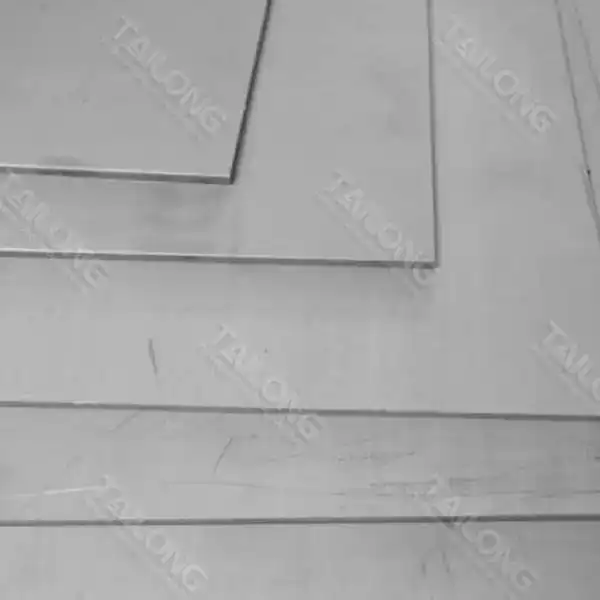
Grade 5 Titanium Alloy Bar ASTM Standard: Machining guidelines?
Grade 5 Titanium Alloy, also known as Ti-6Al-4V, is a high-strength titanium alloy widely used in aerospace, automotive, and medical industries due to its exceptional properties. When it comes to machining this material, adherence to the Grade 5 Titanium Alloy Bar ASTM Standard is crucial to ensure optimal performance and quality. This blog post delves into the machining guidelines for Grade 5 Titanium Alloy bars that comply with ASTM standards. We'll explore the optimal cutting speeds and tools, heat management techniques to prevent work hardening, and best practices for achieving precise surface finishes. Understanding these guidelines is essential for manufacturers and machinists working with this versatile material, as it helps maximize efficiency, reduce tool wear, and produce high-quality components that meet stringent industry requirements. By following these ASTM-compliant machining guidelines, professionals can harness the full potential of Grade 5 Titanium Alloy bars and overcome the challenges associated with working with this robust material.
Optimal Cutting Speeds & Tools: Machining Grade 5 Titanium Bars to ASTM Standards
Selecting the Right Cutting Tools
When machining Grade 5 Titanium Alloy bars to ASTM standards, selecting the appropriate cutting tools is crucial. Carbide tools with a sharp cutting edge and positive rake angles are recommended for optimal performance. These tools should have a coating suitable for high-temperature applications, such as TiAlN or AlTiN, to withstand the heat generated during machining. It's essential to choose tools with geometries specifically designed for titanium alloys, as they help in chip formation and evacuation. The ASTM standard for Grade 5 Titanium Alloy bars emphasizes the importance of tool selection in achieving the required surface finish and dimensional accuracy.
Determining Optimal Cutting Speeds
Establishing the right cutting speeds is critical when machining Grade 5 Titanium Alloy bars to ASTM standards. Generally, lower cutting speeds are recommended compared to other metals due to titanium's low thermal conductivity. For roughing operations, speeds between 30-60 m/min are typically used, while finishing operations may employ speeds up to 100 m/min. It's crucial to maintain consistent cutting speeds throughout the machining process to prevent work hardening and ensure compliance with the Grade 5 Titanium Alloy Bar ASTM Standard. The feed rate should be carefully controlled, with higher feeds used for roughing and lower feeds for finishing to achieve the required surface quality specified in the ASTM standard for Grade 5 Titanium Alloy bars.
Implementing Effective Cutting Strategies
To machine Grade 5 Titanium Alloy bars effectively while adhering to ASTM standards, implementing the right cutting strategies is essential. Climb milling is often preferred over conventional milling as it reduces the tendency for work hardening. When turning, it's advisable to use a high-pressure coolant system to improve chip evacuation and heat dissipation. Plunge cutting and trochoidal milling techniques can be employed to reduce cutting forces and extend tool life. These strategies help maintain the material properties specified in the ASTM standard for Grade 5 Titanium Alloy bars. Additionally, minimizing tool engagement and using smaller depth of cuts with higher feed rates can help achieve better surface finishes and dimensional accuracy as required by the ASTM standards.
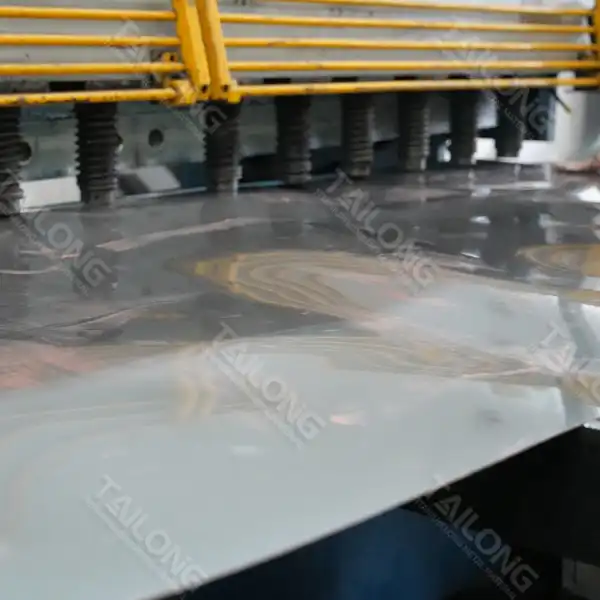
Heat Management Tips: Preventing Work Hardening in Grade 5 Titanium Alloy Machining
Effective Coolant Application
Proper coolant application is crucial when machining Grade 5 Titanium Alloy bars to ASTM standards. High-pressure coolant systems are highly recommended to effectively dissipate heat and prevent work hardening. The coolant should be directed precisely at the cutting zone to maximize its cooling effect. Oil-based coolants or specialized titanium machining fluids are often preferred due to their superior heat-carrying capacity. It's important to maintain a consistent coolant flow throughout the machining process to ensure uniform cooling. The ASTM standard for Grade 5 Titanium Alloy bars emphasizes the importance of temperature control during machining to maintain the material's properties and prevent undesirable microstructural changes.
Optimizing Cutting Parameters
To prevent work hardening when machining Grade 5 Titanium Alloy bars to ASTM standards, optimizing cutting parameters is essential. This involves carefully balancing cutting speed, feed rate, and depth of cut. Lower cutting speeds combined with higher feed rates can help reduce heat generation at the cutting zone. It's advisable to use a larger nose radius on the cutting tool to distribute the cutting forces over a wider area, reducing the likelihood of work hardening. Implementing a variable depth of cut strategy can also help manage heat generation and prevent the formation of a hardened layer on the workpiece surface. These optimizations ensure that the machined Grade 5 Titanium Alloy bars maintain the mechanical properties specified in the Grade 5 Titanium Alloy Bar ASTM Standard.
Implementing Proper Tool Path Strategies
Effective tool path strategies play a crucial role in preventing work hardening when machining Grade 5 Titanium Alloy bars to ASTM standards. Continuous engagement of the cutting tool is recommended to maintain consistent heat generation and dissipation. Avoid sudden changes in cutting direction or depth, as these can lead to localized heat buildup and work hardening. Trochoidal milling techniques can be particularly effective in managing heat generation by maintaining a constant chip load. When turning, use a programmed varying depth of cut to distribute heat more evenly along the workpiece. These strategies help ensure that the machined Grade 5 Titanium Alloy bars meet the hardness and microstructural requirements specified in the ASTM standard, preventing issues related to work hardening that could compromise the material's performance.
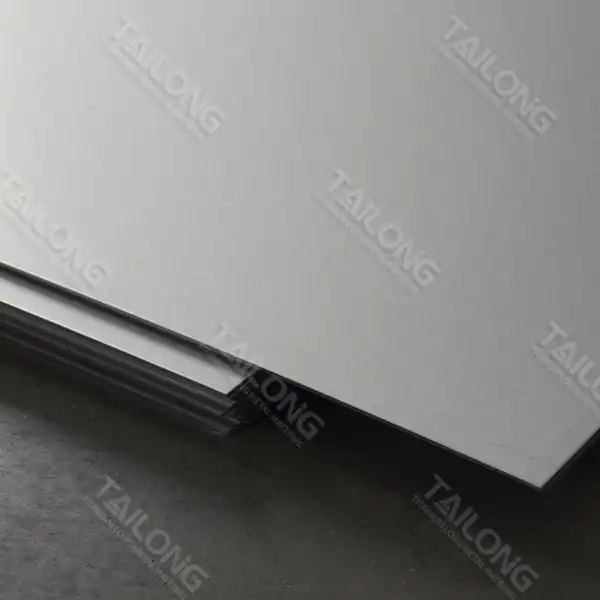
Surface Finish Best Practices: Achieving Precision with ASTM-Compliant Titanium Bars
Optimizing Cutting Tool Geometry
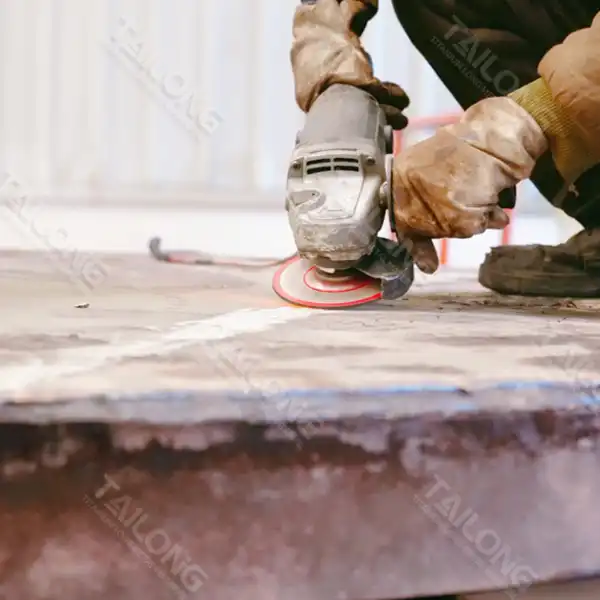
Achieving a precise surface finish on Grade 5 Titanium Alloy bars that comply with ASTM standards requires careful optimization of cutting tool geometry. Tools with positive rake angles and sharp cutting edges are essential for producing clean cuts and minimizing surface roughness. The use of wiper inserts or tools with specialized edge preparations can significantly improve surface finish quality. It's important to select tools with appropriate nose radii to achieve the desired surface roughness values specified in the ASTM standard for Grade 5 Titanium Alloy bars. Regular tool inspection and replacement are crucial to maintain consistent surface finish quality throughout the machining process, as tool wear can significantly impact the achievable surface finish.
Fine-Tuning Machining Parameters
To achieve precision surface finishes on ASTM-compliant Grade 5 Titanium Alloy bars, fine-tuning machining parameters is critical. This involves carefully adjusting cutting speeds, feed rates, and depth of cut for finishing operations. Generally, higher cutting speeds combined with lower feed rates are employed for finishing passes to achieve smoother surfaces. The depth of cut should be minimized during finishing to reduce cutting forces and improve surface quality. Vibration control is crucial, and techniques such as using shorter tool overhangs or specialized vibration-damping tool holders can help achieve more consistent surface finishes. These parameter adjustments ensure that the machined Grade 5 Titanium Alloy bars meet the surface roughness requirements specified in the Grade 5 Titanium Alloy Bar ASTM Standard, which is crucial for many high-performance applications.
Implementing Advanced Finishing Techniques
Advanced finishing techniques can be employed to achieve exceptional surface finishes on Grade 5 Titanium Alloy bars that comply with ASTM standards. Techniques such as burnishing or roller burnishing can be used to improve surface smoothness and increase surface hardness without altering the material's core properties. For complex geometries, five-axis machining strategies can help maintain consistent surface quality across curved or contoured surfaces. In some cases, post-machining processes like electropolishing or chemical milling may be necessary to meet stringent surface finish requirements specified in the ASTM standard for Grade 5 Titanium Alloy bars. These advanced techniques, when properly implemented, can help achieve surface finishes that not only meet but exceed the ASTM standards, enhancing the performance and longevity of components made from these high-quality titanium alloy bars.
Conclusion
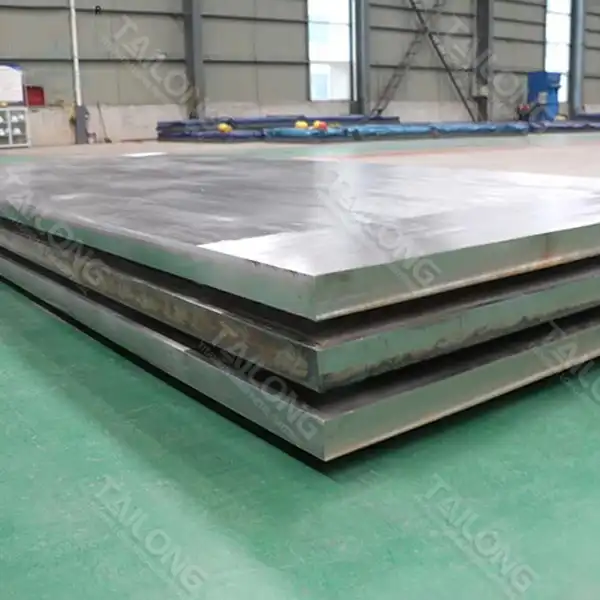
Machining Grade 5 Titanium Alloy bars to ASTM standards requires a comprehensive approach that addresses cutting speeds, heat management, and surface finish precision. By implementing optimal cutting strategies, effective heat dissipation techniques, and advanced finishing methods, manufacturers can produce high-quality components that meet stringent industry requirements defined in the Grade 5 Titanium Alloy Bar ASTM Standard. Adherence to these guidelines ensures the full utilization of Grade 5 Titanium Alloy's exceptional properties, resulting in superior performance in critical applications across various industries. As technology advances, continued innovation in machining techniques will further enhance the capabilities of working with this versatile material.
Shaanxi Tilong Metal Material Co., Ltd., located in Shaanxi, China, is a leading manufacturer of high-quality non-ferrous metal alloys, including Grade 5 Titanium Alloy bars. With a complete production chain encompassing melting, forging, rolling, grinding, and annealing, Tilong provides precision metal processing solutions for aerospace, automotive, electronics, and energy industries. The company's commitment to innovation, quality control, and customer service ensures the delivery of superior products that meet international standards. For more information or inquiries, please contact us at Tailong@tilongtitanium.com.
References
1. ASTM International. (2020). ASTM B348 - Standard Specification for Titanium and Titanium Alloy Bars and Billets.
2. Boyer, R., Welsch, G., & Collings, E. W. (1994). Materials Properties Handbook: Titanium Alloys. ASM International.
3. Ezugwu, E. O., & Wang, Z. M. (1997). Titanium alloys and their machinability—a review. Journal of Materials Processing Technology, 68(3), 262-274.
4. Machado, A. R., & Wallbank, J. (1990). Machining of titanium and its alloys—a review. Proceedings of the Institution of Mechanical Engineers, Part B: Journal of Engineering Manufacture, 204(1), 53-60.
5. Pramanik, A. (2014). Problems and solutions in machining of titanium alloys. The International Journal of Advanced Manufacturing Technology, 70(5-8), 919-928.
6. Yang, X., & Liu, C. R. (1999). Machining titanium and its alloys. Machining Science and Technology, 3(1), 107-139.
Related products