- English
- French
- German
- Portuguese
- Spanish
- Russian
- Japanese
- Korean
- Arabic
- Greek
- German
- Turkish
- Italian
- Danish
- Romanian
- Indonesian
- Czech
- Afrikaans
- Swedish
- Polish
- Basque
- Catalan
- China
- Taiwan China
- Esperanto
- Hindi
- Lao
- Albanian
- Amharic
- Armenian
- Azerbaijani
- Belarusian
- Bengali
- Bosnian
- Bulgarian
- Cebuano
- Chichewa
- Corsican
- Croatian
- Dutch
- Estonian
- Filipino
- Finnish
- Frisian
- Galician
- Georgian
- Gujarati
- Haitian
- Hausa
- Hawaiian
- Hebrew
- Hmong
- Hungarian
- Icelandic
- Igbo
- Javanese
- Kannada
- Kazakh
- Khmer
- Kurdish
- Kyrgyz
- Latin
- Latvian
- Lithuanian
- Luxembou..
- Macedonian
- Malagasy
- Malay
- Malayalam
- Maltese
- Maori
- Marathi
- Mongolian
- Burmese
- Nepali
- Norwegian
- Pashto
- Persian
- Punjabi
- Serbian
- Sesotho
- Sinhala
- Slovak
- Slovenian
- Somali
- Samoan
- Scots Gaelic
- Shona
- Sindhi
- Sundanese
- Swahili
- Tajik
- Tamil
- Telugu
- Thai
- Ukrainian
- Urdu
- Uzbek
- Vietnamese
- Welsh
- Xhosa
- Yiddish
- Yoruba
- Zulu
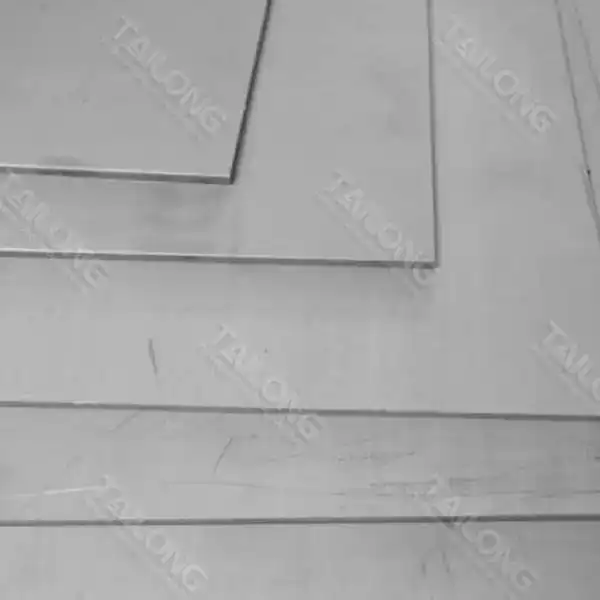
How Is an Implant Titanium Bar Fixed to Jawbone?
Dental implants have revolutionized the field of restorative dentistry, offering a permanent solution for missing teeth. At the heart of this innovative technology lies the implant titanium bar, a crucial component that serves as the foundation for artificial teeth. This blog post delves into the intricate process of how an implant titanium bar is fixed to the jawbone, exploring the surgical procedure, the science behind osseointegration, and the advantages of titanium over other materials. Understanding this process is essential for patients considering dental implants and for professionals in the field seeking to expand their knowledge. The implant titanium bar's ability to integrate with living bone tissue makes it an ideal choice for long-term dental restorations, providing stability, durability, and a natural feel that closely mimics real teeth.
The Surgical Process: How an Implant Titanium Bar is Secured to the Jawbone?
Preparation and Planning
The journey of fixing an implant titanium bar to the jawbone begins with meticulous preparation and planning. Dentists use advanced imaging techniques, such as 3D CT scans, to assess the patient's jawbone density and structure. This crucial step helps determine the optimal placement for the implant titanium bar, ensuring it will have sufficient bone support. The implant titanium bar's dimensions are carefully selected based on these assessments, taking into account factors such as the patient's bite force and the number of teeth being replaced. This personalized approach maximizes the chances of successful integration and long-term stability of the implant.
Surgical Insertion
Once the planning phase is complete, the surgical insertion of the implant titanium bar takes place. Under local anesthesia, the oral surgeon makes a small incision in the gum tissue to expose the jawbone. Using precision instruments, a hole is carefully drilled into the bone at the predetermined location. The implant titanium bar is then gently threaded or tapped into this prepared site. The biocompatible nature of the titanium allows it to form a strong bond with the surrounding bone tissue over time. The surgeon ensures that the implant titanium bar is placed at the correct depth and angle to support the future prosthetic tooth or bridge effectively.
Post-Surgical Care and Healing
After the implant titanium bar is inserted, the healing process begins. This phase, known as osseointegration, is critical for the long-term success of the implant. During this period, which typically lasts several months, the bone tissue grows around and fuses with the implant titanium bar. Patients are given specific instructions on oral hygiene and diet to promote optimal healing. Regular check-ups allow the dentist to monitor the progress of osseointegration and ensure that the implant titanium bar is integrating properly with the jawbone. Once the healing is complete, the implant titanium bar provides a stable foundation for the attachment of the final prosthetic tooth or dental bridge.
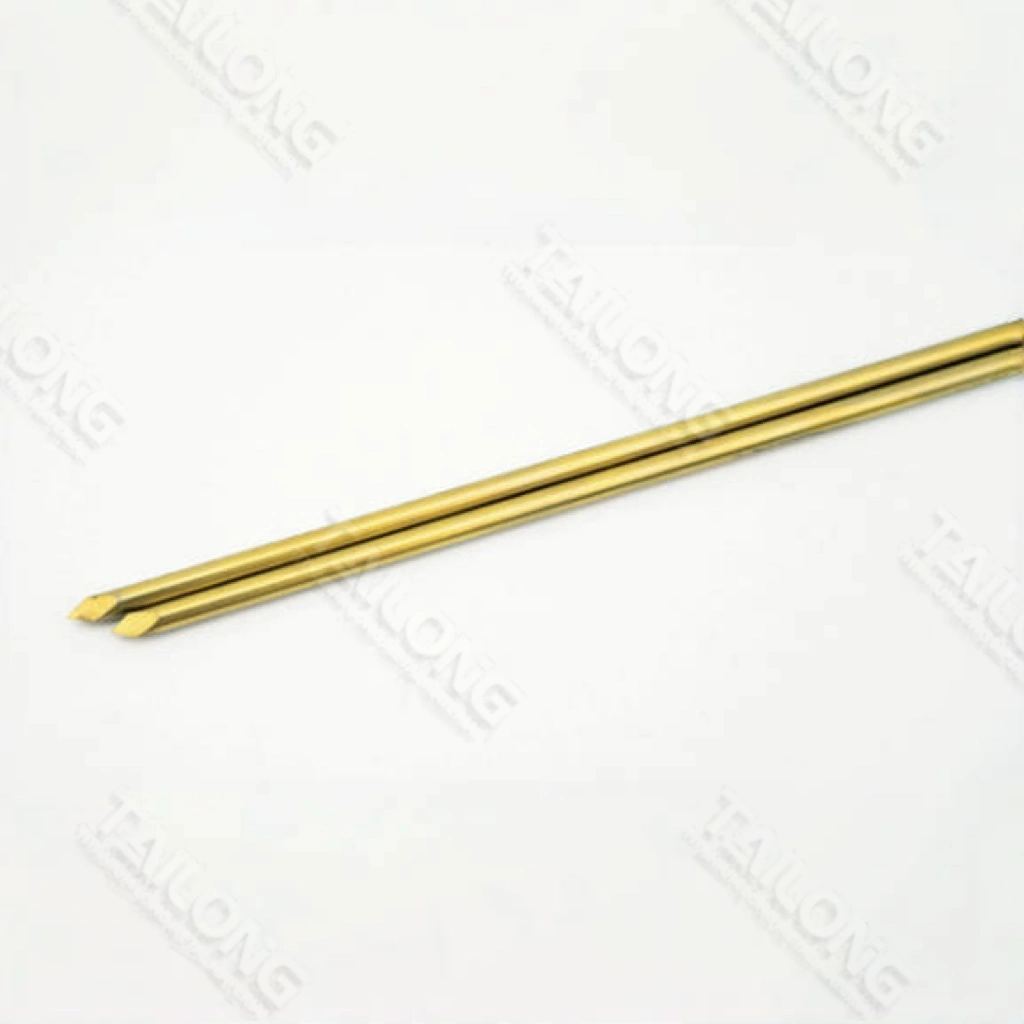
Osseointegration Explained: Why Titanium Bars Bond Strongly with Bone?
The Science of Osseointegration
Osseointegration is the biological process that allows the implant titanium bar to form a strong, lasting bond with the jawbone. This phenomenon occurs due to titanium's unique properties, particularly its biocompatibility. When the implant titanium bar is placed in the jawbone, the body recognizes it as a non-foreign material, allowing bone cells to grow directly on its surface. Over time, new bone tissue forms around the implant, effectively integrating it into the jaw structure. This process creates a strong, stable foundation for artificial teeth, mimicking the natural relationship between teeth and bone.
Titanium's Unique Properties
The success of osseointegration largely depends on the properties of the implant titanium bar. Titanium possesses several characteristics that make it ideal for dental implants. Its high strength-to-weight ratio ensures that the implant can withstand the forces of chewing and biting without compromising its structural integrity. Additionally, titanium forms a thin oxide layer on its surface when exposed to air, which contributes to its exceptional biocompatibility. This oxide layer prevents corrosion and allows for the direct attachment of bone cells to the implant titanium bar's surface, facilitating the osseointegration process.
Factors Affecting Osseointegration
While the implant titanium bar's properties are crucial for successful osseointegration, several other factors can influence this process. The quality and quantity of available bone at the implant site play a significant role. Patients with low bone density may require additional procedures, such as bone grafting, to enhance the chances of successful integration. The surgical technique used during implant placement also affects osseointegration. Minimizing trauma to the surrounding tissues and ensuring proper implant stability are essential for optimal bone-to-implant contact. Furthermore, the patient's overall health, including factors like smoking and certain medical conditions, can impact the osseointegration process and the long-term success of the implant titanium bar.
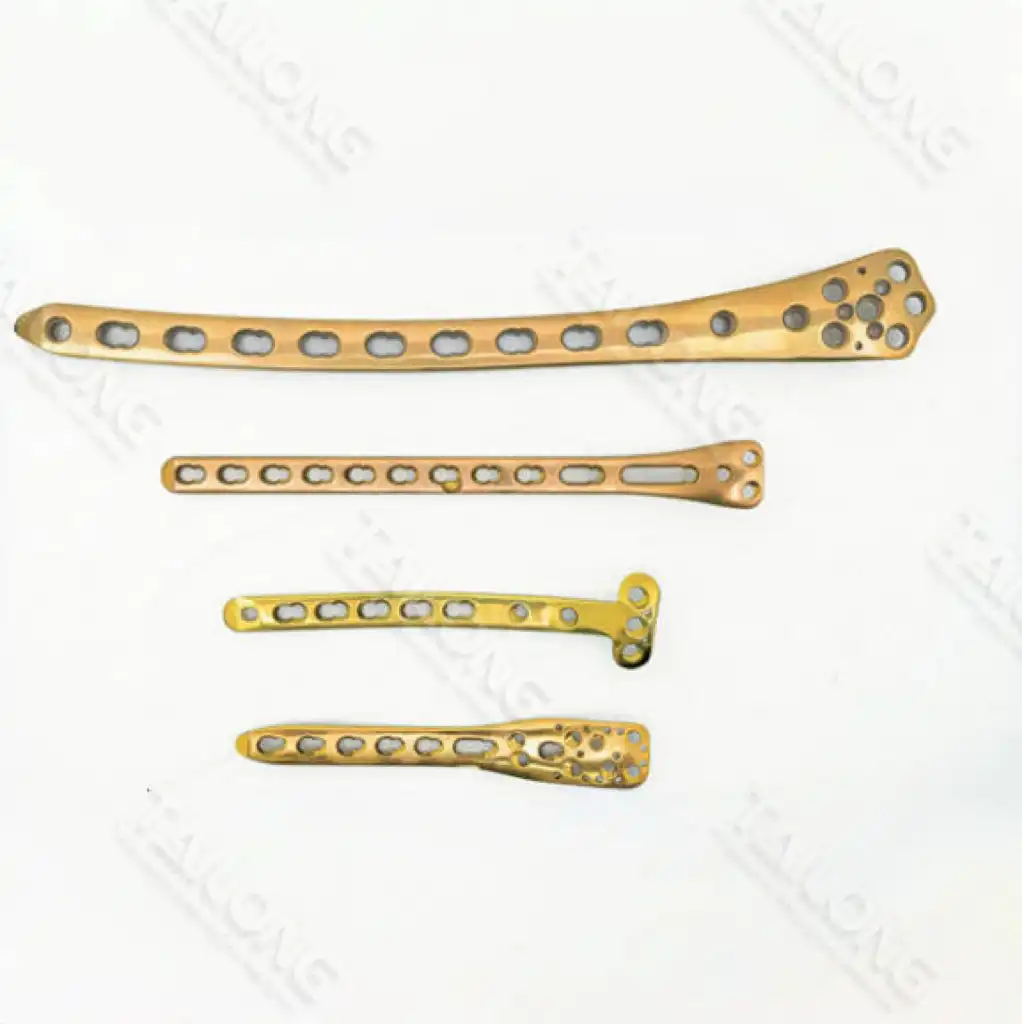
Implant Titanium Bar vs. Zirconia: Which Offers Better Stability for Dental Implants?
Mechanical Properties Comparison
When comparing the implant titanium bar to zirconia implants, several mechanical properties come into play. Titanium has long been the gold standard for dental implants due to its excellent strength, flexibility, and proven track record. The implant titanium bar exhibits superior fatigue resistance, allowing it to withstand the cyclic loading forces encountered during chewing and biting. Zirconia, while extremely hard and resistant to wear, can be more brittle than titanium. This brittleness may lead to a higher risk of fracture under certain conditions. However, zirconia's hardness can be advantageous in areas where wear resistance is crucial, such as in the visible portions of dental restorations.
Biocompatibility and Osseointegration
Both the implant titanium bar and zirconia implants demonstrate excellent biocompatibility, but they interact with bone tissue in slightly different ways. Titanium's ability to osseointegrate is well-documented and has been proven over decades of clinical use. The implant titanium bar forms a direct structural and functional connection with the surrounding bone, leading to long-term stability. Zirconia also exhibits good osseointegration properties, with some studies suggesting that it may have a lower affinity for plaque accumulation compared to titanium. However, the long-term data on zirconia implants is not as extensive as that for titanium, making the implant titanium bar a more predictable choice in many clinical situations.
Aesthetic Considerations
One area where zirconia implants may have an advantage over the implant titanium bar is aesthetics, particularly in cases involving thin gingival tissues. Zirconia's white color more closely resembles natural tooth roots, potentially reducing the risk of grayish discoloration showing through the gums, which can sometimes occur with titanium implants. However, modern techniques and components used with implant titanium bars, such as ceramic abutments, can effectively mitigate these aesthetic concerns in most cases. Additionally, the long-term stability and predictability of titanium implants often outweigh the potential aesthetic benefits of zirconia, especially in non-visible areas of the mouth.
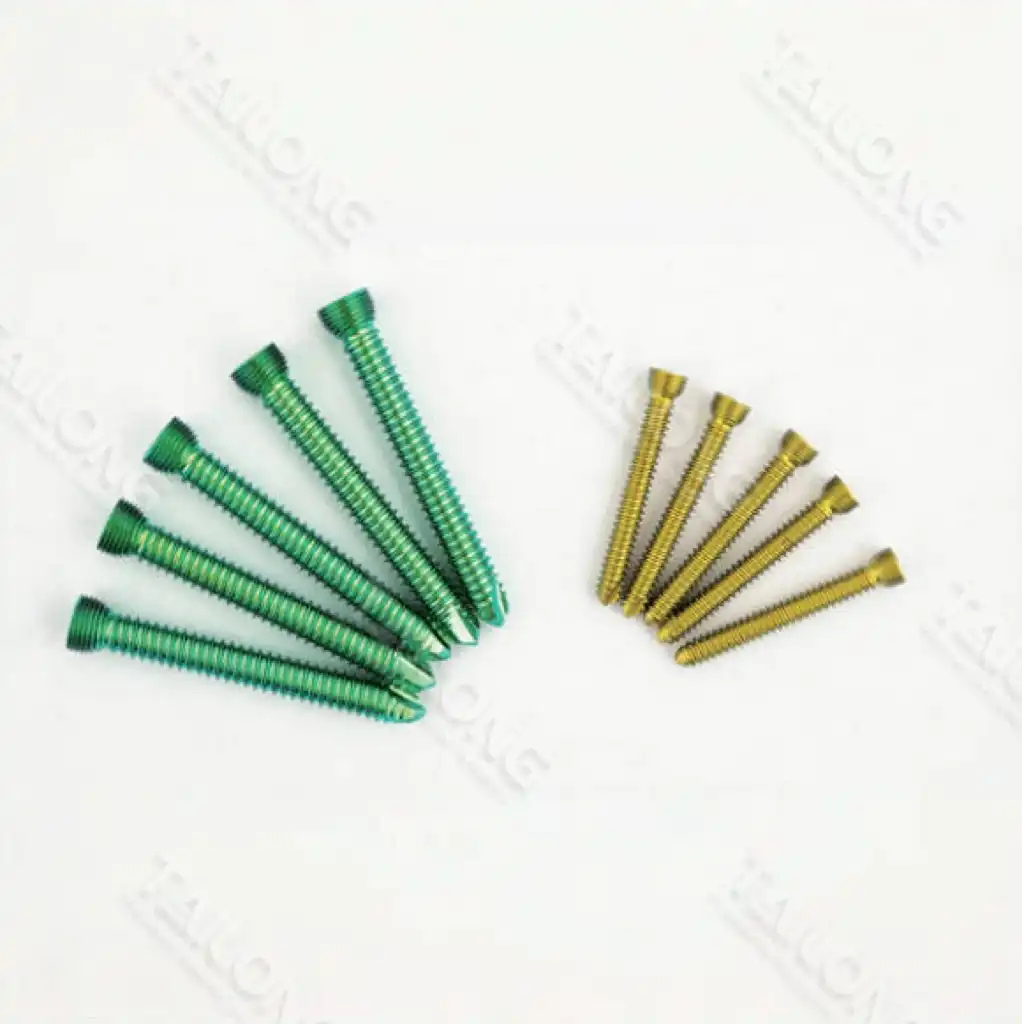
Conclusion
The implant titanium bar represents a remarkable advancement in dental implant technology, offering a stable, long-lasting solution for tooth replacement. Its ability to osseointegrate with the jawbone, combined with its superior mechanical properties, makes it an excellent choice for most dental implant procedures. While alternatives like zirconia show promise, particularly in aesthetic cases, the extensive research and clinical success of titanium implants continue to make them the preferred option for many dental professionals. As technology advances, we can expect further improvements in implant materials and techniques, potentially offering even better outcomes for patients seeking to restore their smiles and oral function.
Shaanxi Tilong Metal Material Co., Ltd., located in Shaanxi, China, is a leading manufacturer of high-quality non-ferrous metal alloys, including titanium and titanium alloys. With a complete production chain and strict quality control processes, Tilong provides reliable metal solutions for various industries, including the dental sector. Their commitment to innovation and customer service ensures the delivery of superior products that meet international standards. For more information about their titanium products and solutions, please contact them at Tailong@tilongtitanium.com.
References
1. Branemark, P. I., et al. (1985). Osseointegrated implants in the treatment of the edentulous jaw: Experience from a 10-year period. Scandinavian Journal of Plastic and Reconstructive Surgery, Supplementum, 16, 1-132.
2. Albrektsson, T., et al. (2008). Osseointegration of Titanium Implants. Acta Orthopaedica Scandinavica, 52(2), 155-170.
3. Jokstad, A., et al. (2003). Quality of dental implants. International Dental Journal, 53(6 Suppl 2), 409-443.
4. Gahlert, M., et al. (2012). A comparison study of the osseointegration of zirconia and titanium dental implants. A biomechanical evaluation in the maxilla of pigs. Clinical Oral Implants Research, 23(3), 281-286.
5. Le Guéhennec, L., et al. (2007). Surface treatments of titanium dental implants for rapid osseointegration. Dental Materials, 23(7), 844-854.
6. Özkurt, Z., & Kazazoğlu, E. (2011). Zirconia dental implants: a literature review. Journal of Oral Implantology, 37(3), 367-376.
Related products