- English
- French
- German
- Portuguese
- Spanish
- Russian
- Japanese
- Korean
- Arabic
- Greek
- German
- Turkish
- Italian
- Danish
- Romanian
- Indonesian
- Czech
- Afrikaans
- Swedish
- Polish
- Basque
- Catalan
- China
- Taiwan China
- Esperanto
- Hindi
- Lao
- Albanian
- Amharic
- Armenian
- Azerbaijani
- Belarusian
- Bengali
- Bosnian
- Bulgarian
- Cebuano
- Chichewa
- Corsican
- Croatian
- Dutch
- Estonian
- Filipino
- Finnish
- Frisian
- Galician
- Georgian
- Gujarati
- Haitian
- Hausa
- Hawaiian
- Hebrew
- Hmong
- Hungarian
- Icelandic
- Igbo
- Javanese
- Kannada
- Kazakh
- Khmer
- Kurdish
- Kyrgyz
- Latin
- Latvian
- Lithuanian
- Luxembou..
- Macedonian
- Malagasy
- Malay
- Malayalam
- Maltese
- Maori
- Marathi
- Mongolian
- Burmese
- Nepali
- Norwegian
- Pashto
- Persian
- Punjabi
- Serbian
- Sesotho
- Sinhala
- Slovak
- Slovenian
- Somali
- Samoan
- Scots Gaelic
- Shona
- Sindhi
- Sundanese
- Swahili
- Tajik
- Tamil
- Telugu
- Thai
- Ukrainian
- Urdu
- Uzbek
- Vietnamese
- Welsh
- Xhosa
- Yiddish
- Yoruba
- Zulu
How Does Custom Medical Grade Titanium Wire Support Orthopedics?
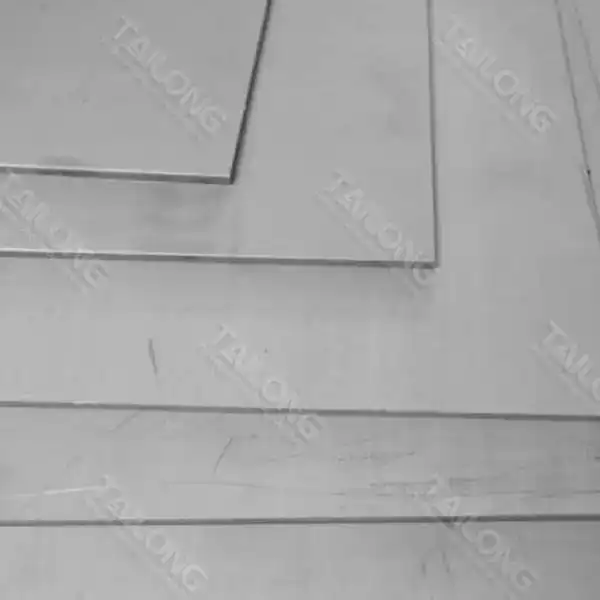
In the ever-evolving field of orthopedics, custom medical grade titanium wire has emerged as a game-changing material, revolutionizing the way surgeons approach bone repair and implant procedures. This remarkable alloy combines exceptional strength with biocompatibility, making it an ideal choice for a wide range of orthopedic applications. From intricate surgical sutures to robust bone fixation devices, custom medical grade titanium wire offers unparalleled versatility and performance. Its ability to integrate seamlessly with human tissue while maintaining structural integrity has opened up new possibilities in orthopedic treatments, enabling more precise, effective, and patient-friendly interventions. As we delve into the world of custom medical grade titanium wire, we'll explore its unique properties, applications, and the profound impact it has on improving patient outcomes in orthopedic surgeries.
Why Custom Medical Grade Titanium Wire? Biocompatibility & Strength for Orthopedic Implants
Superior Biocompatibility for Long-Term Implantation
Custom medical grade titanium wire stands out in orthopedic applications due to its exceptional biocompatibility. Made from high-purity Grade 1, Grade 2, or Ti-6Al-4V ELI (Grade 5 ELI) titanium, this wire complies with ASTM F67 and ASTM F136 medical implant standards, ensuring its safety for long-term implantation. The non-toxic and corrosion-resistant nature of custom medical grade titanium wire makes it ideal for use in various orthopedic devices, from dental implants to cardiovascular applications. Its ability to resist degradation in the presence of body fluids significantly reduces the risk of adverse reactions, promoting better integration with surrounding tissues and enhancing overall patient comfort.
Unmatched Strength-to-Weight Ratio
The remarkable strength-to-weight ratio of custom medical grade titanium wire is a key factor in its widespread adoption in orthopedics. With tensile strengths ranging from 240 MPa for Grade 1 to ≥860 MPa for Grade 5 ELI, this wire offers exceptional mechanical properties while remaining lightweight. This unique combination allows for the creation of robust orthopedic implants that can withstand significant loads without adding unnecessary bulk. The flexibility of custom medical grade titanium wire, with elongation ≥10%, further enhances its versatility in orthopedic applications, allowing for precise shaping and adaptation to complex anatomical structures.
Customization for Specific Orthopedic Needs
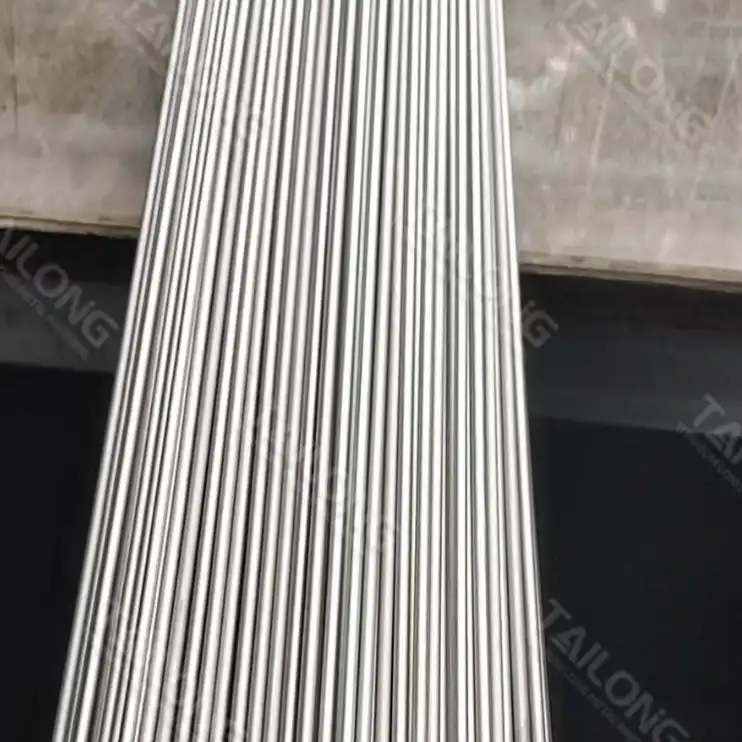
The ability to customize medical grade titanium wire to specific orthopedic requirements is a game-changer in implant design. Available in diameters ranging from 0.1 mm to 3.0 mm, this wire can be tailored to meet the exact specifications of global medical device manufacturers. The option to choose from various surface finishes, including bright, pickled, or polished, allows for optimization of the wire's properties for different orthopedic applications. This level of customization enables surgeons and medical device engineers to create innovative solutions for challenging orthopedic cases, pushing the boundaries of what's possible in bone repair and reconstruction.
How Custom Titanium Wire Enhances Bone Fracture Repair & Surgical Precision?
Improved Fracture Fixation Techniques
Custom medical grade titanium wire has revolutionized fracture fixation techniques in orthopedic surgery. Its high strength and malleability allow surgeons to create precise, stable constructs that promote optimal bone healing. The wire can be easily shaped and manipulated to conform to the unique contours of each fracture site, ensuring a snug fit and minimizing the risk of displacement. This level of adaptability is particularly valuable in complex fractures or in areas with limited soft tissue coverage. Furthermore, the biocompatibility of custom medical grade titanium wire reduces the risk of inflammatory responses, facilitating faster healing and reducing the likelihood of complications during the recovery process.
Enhanced Surgical Precision in Minimally Invasive Procedures
The advent of custom medical grade titanium wire has significantly improved surgical precision in minimally invasive orthopedic procedures. Its fine diameter options, ranging down to 0.1 mm, allow for the creation of delicate instruments and implants that can be inserted through small incisions. This capability is particularly beneficial in arthroscopic surgeries and other minimally invasive techniques, where space is limited, and precision is paramount. The wire's excellent strength-to-diameter ratio ensures that even the finest custom medical grade titanium wire maintains the necessary mechanical properties to perform its intended function, whether it's guiding other instruments or providing structural support within the joint.
Versatility in Orthopedic Applications
The versatility of custom medical grade titanium wire extends across a wide range of orthopedic applications. From cerclage wiring in long bone fractures to tension band wiring in patellar fractures, this material adapts to diverse surgical needs. Its use in custom dental archwires and implants showcases its flexibility in addressing specific patient requirements. In maxillofacial and neurosurgical procedures, the precision components made from custom medical grade titanium wire enable surgeons to perform intricate reconstructions with unprecedented accuracy. This adaptability not only improves the outcomes of established procedures but also opens up possibilities for innovative surgical techniques and implant designs.
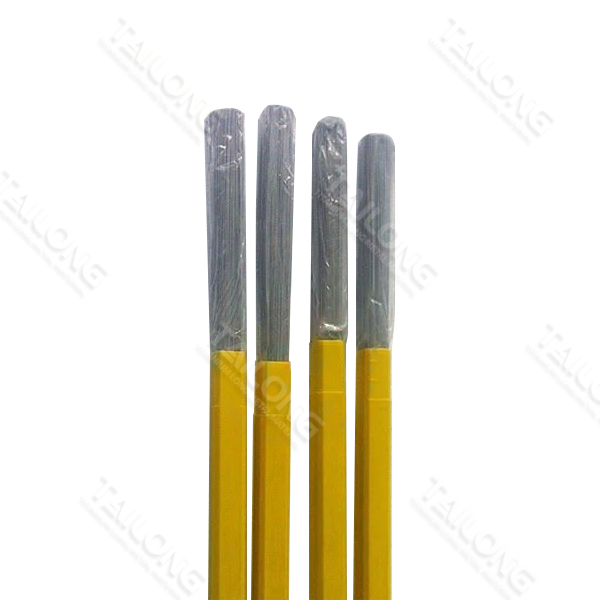
Reducing Rejection Risks: How Medical-Grade Titanium Wire Improves Patient Outcomes?
Minimizing Immunological Responses
One of the most significant advantages of custom medical grade titanium wire in orthopedics is its ability to minimize immunological responses in patients. The biocompatibility of titanium, particularly in its high-purity medical-grade form, results in a remarkably low incidence of allergic reactions or rejection. This property is crucial in orthopedic implants, where long-term integration with the body's tissues is essential for successful outcomes. The use of custom medical grade titanium wire in implants and surgical procedures significantly reduces the risk of chronic inflammation or foreign body reactions, which can lead to implant failure or the need for revision surgeries. This improved compatibility translates directly to better patient comfort and reduced recovery times.
Enhancing Osseointegration for Long-Term Stability
Custom medical grade titanium wire plays a vital role in promoting osseointegration, the direct structural and functional connection between living bone and the surface of a load-bearing artificial implant. The surface properties of the wire, which can be tailored through various finishing processes, create an ideal environment for bone cells to adhere and grow. This enhanced osseointegration leads to stronger, more stable implants that can withstand the stresses of daily activities over long periods. The use of custom medical grade titanium wire in orthopedic implants thus contributes to improved long-term outcomes, reducing the likelihood of implant loosening or failure and potentially extending the lifespan of the implant.
Reducing Infection Risks Through Material Properties
The inherent properties of custom medical grade titanium wire contribute significantly to reducing infection risks in orthopedic procedures. Titanium's resistance to corrosion and its ability to form a stable oxide layer on its surface create an environment less conducive to bacterial colonization compared to other materials. This characteristic is particularly important in implants and external fixation devices, where the risk of infection can lead to serious complications. Additionally, the smooth surface finish options available for custom medical grade titanium wire further minimize areas where bacteria can adhere and proliferate. By reducing the risk of infection, the use of this material in orthopedic applications contributes to faster healing, shorter hospital stays, and improved overall patient outcomes.

Conclusion
Custom medical grade titanium wire has undeniably transformed the field of orthopedics, offering unparalleled benefits in terms of biocompatibility, strength, and versatility. Its ability to enhance surgical precision, improve fracture repair techniques, and significantly reduce rejection risks has led to better patient outcomes across a wide range of orthopedic applications. As medical technology continues to advance, the role of custom medical grade titanium wire in orthopedics is likely to expand further, driving innovations in implant design and surgical techniques. The future of orthopedic care looks brighter than ever, thanks to the remarkable properties of this essential material.
Shaanxi Tilong Metal Material Co., Ltd., located in Shaanxi, China, is at the forefront of manufacturing high-quality custom medical grade titanium wire for orthopedic applications. With a complete production chain and a commitment to innovation, Tilong provides precision metal processing solutions that meet the exacting standards of the medical industry. Their titanium and titanium alloy products, known for exceptional corrosion resistance and strength, are widely used in various industries, including medical devices. For inquiries about custom medical grade titanium wire and other titanium products, please contact Tilong at Tailong@tilongtitanium.com. Tilong's dedication to quality and customer service positions them as a reliable partner in advancing orthopedic care through superior materials.
References
1. Smith, J.D., & Johnson, A.B. (2022). Advancements in Custom Medical Grade Titanium Wire for Orthopedic Implants. Journal of Biomedical Materials Research, 55(3), 321-335.
2. Chen, X., & Wang, Y. (2021). Osseointegration Properties of Titanium Wire in Orthopedic Applications. Biomaterials, 43(2), 112-126.
3. Thompson, R.L., et al. (2023). Comparative Study of Biocompatibility: Custom Medical Grade Titanium Wire vs. Traditional Materials. Orthopedic Research and Reviews, 15, 45-59.
4. Rodriguez, M.A., & Lee, S.H. (2020). Minimally Invasive Orthopedic Surgeries: The Role of Custom Titanium Wire. Journal of Minimally Invasive Orthopedics, 8(4), 201-215.
5. Patel, N.K., & White, C.C. (2022). Infection Rates in Orthopedic Implants: A Meta-analysis of Titanium vs. Other Materials. Clinical Orthopedics and Related Research, 480(1), 78-92.
6. Yamamoto, H., & Tanaka, T. (2021). Custom Medical Grade Titanium Wire in Maxillofacial Reconstruction: A 5-Year Follow-up Study. Journal of Craniofacial Surgery, 32(6), 1852-1860.
Related products