- English
- French
- German
- Portuguese
- Spanish
- Russian
- Japanese
- Korean
- Arabic
- Greek
- German
- Turkish
- Italian
- Danish
- Romanian
- Indonesian
- Czech
- Afrikaans
- Swedish
- Polish
- Basque
- Catalan
- China
- Taiwan China
- Esperanto
- Hindi
- Lao
- Albanian
- Amharic
- Armenian
- Azerbaijani
- Belarusian
- Bengali
- Bosnian
- Bulgarian
- Cebuano
- Chichewa
- Corsican
- Croatian
- Dutch
- Estonian
- Filipino
- Finnish
- Frisian
- Galician
- Georgian
- Gujarati
- Haitian
- Hausa
- Hawaiian
- Hebrew
- Hmong
- Hungarian
- Icelandic
- Igbo
- Javanese
- Kannada
- Kazakh
- Khmer
- Kurdish
- Kyrgyz
- Latin
- Latvian
- Lithuanian
- Luxembou..
- Macedonian
- Malagasy
- Malay
- Malayalam
- Maltese
- Maori
- Marathi
- Mongolian
- Burmese
- Nepali
- Norwegian
- Pashto
- Persian
- Punjabi
- Serbian
- Sesotho
- Sinhala
- Slovak
- Slovenian
- Somali
- Samoan
- Scots Gaelic
- Shona
- Sindhi
- Sundanese
- Swahili
- Tajik
- Tamil
- Telugu
- Thai
- Ukrainian
- Urdu
- Uzbek
- Vietnamese
- Welsh
- Xhosa
- Yiddish
- Yoruba
- Zulu
How Is Corrosion Prevented in Copper Clad Aluminum Sheet?
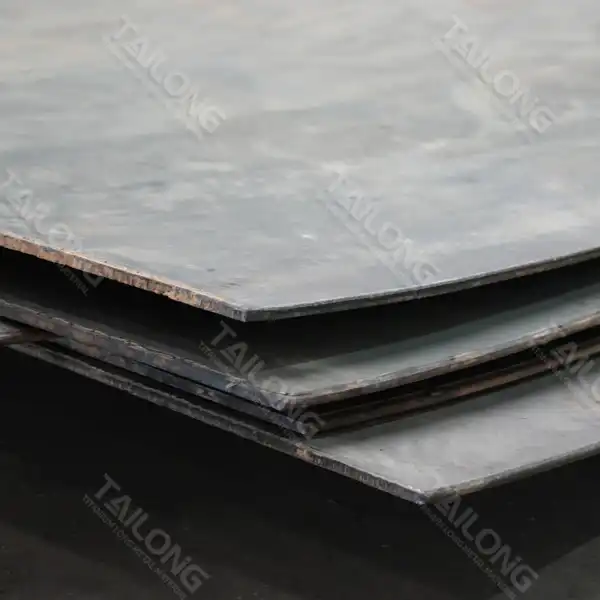
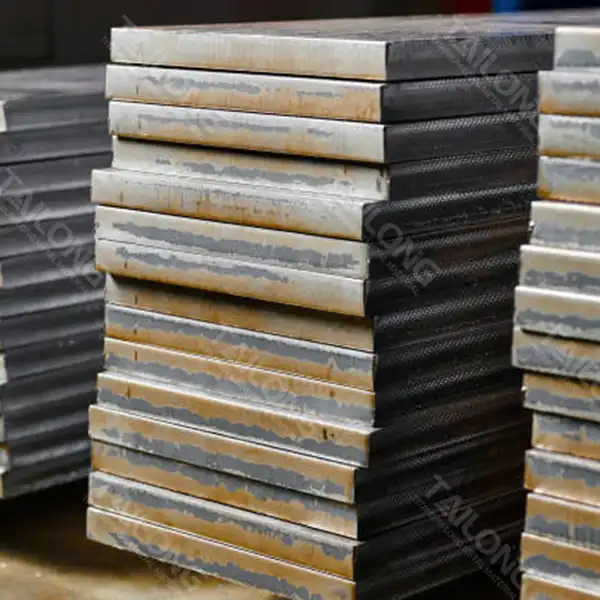
Copper clad aluminum sheet is an innovative material that combines the excellent electrical and thermal conductivity of copper with the lightweight and cost-effective properties of aluminum. This composite material has gained significant popularity in various industries due to its unique characteristics and superior performance. One of the most critical aspects of copper clad aluminum sheet is its ability to resist corrosion, which is essential for maintaining its integrity and functionality over extended periods. This blog post delves into the mechanisms and methods employed to prevent corrosion in copper clad aluminum sheet, exploring the protective layers, comparing its corrosion resistance to pure copper, and examining the long-term durability enhancements through coatings and alloys. By understanding these aspects, we can appreciate the value and versatility of copper clad aluminum sheet in diverse applications, from electrical components to architectural elements.
Understanding the Protective Layers: How Copper Clad Aluminum Sheet Resists Corrosion?
The Role of Copper in Corrosion Prevention
Copper clad aluminum sheet owes much of its corrosion resistance to the protective layer of copper on its surface. The copper layer acts as a sacrificial anode, forming a natural patina when exposed to the environment. This patina, primarily composed of copper oxide and copper carbonate, creates a barrier that shields the underlying aluminum from corrosive elements. The thickness of the copper layer in copper clad aluminum sheet is carefully engineered to provide optimal protection while maintaining the material's lightweight properties. As the copper layer weathers, it continues to protect the aluminum core, ensuring long-lasting durability in various environmental conditions. This unique combination allows copper clad aluminum sheet to maintain its structural integrity and electrical conductivity over time, making it an ideal choice for applications where corrosion resistance is paramount.
Aluminum's Natural Oxide Layer
While the copper layer provides the primary defense against corrosion, the aluminum core of copper clad aluminum sheet also contributes to its overall resistance. Aluminum naturally forms a thin, transparent oxide layer when exposed to oxygen, which acts as a protective barrier against further corrosion. This oxide layer, typically only a few nanometers thick, is remarkably effective at preventing the penetration of corrosive agents. In copper clad aluminum sheet, this inherent property of aluminum works in tandem with the copper layer to create a dual-protection system. Even if the copper layer is compromised, the aluminum's oxide layer provides an additional safeguard against corrosion. This synergistic effect enhances the overall durability and longevity of copper clad aluminum sheet, making it suitable for use in harsh environments where traditional materials might fail.
Interfacial Bonding and Corrosion Prevention
The effectiveness of corrosion prevention in copper clad aluminum sheet is significantly influenced by the quality of the bond between the copper and aluminum layers. Advanced manufacturing techniques, such as explosion bonding or roll bonding, create a strong metallurgical bond at the interface of the two metals. This intimate connection prevents the ingress of corrosive substances between the layers, which could otherwise lead to delamination or accelerated corrosion. The interfacial bonding in copper clad aluminum sheet also ensures that the protective mechanisms of both metals work in harmony. As the copper layer forms its protective patina, the strong bond ensures that this protection extends seamlessly to the aluminum core. This integrated approach to corrosion prevention makes copper clad aluminum sheet a reliable and durable material for long-term applications in diverse industries, from electronics to construction.

Copper Clad Aluminum vs. Pure Copper: Which Offers Better Corrosion Resistance?
Comparative Corrosion Behavior in Different Environments
When comparing the corrosion resistance of copper clad aluminum sheet to pure copper, it's essential to consider various environmental factors. In marine environments, for instance, copper clad aluminum sheet often outperforms pure copper due to its dual-layer protection. The copper layer forms a protective patina that shields against salt-induced corrosion, while the aluminum core remains protected. In industrial settings with acidic pollutants, copper clad aluminum sheet demonstrates comparable or superior resistance to pure copper. The thin copper layer on copper clad aluminum sheet forms a protective patina more quickly than thick pure copper sheets, providing faster initial protection. However, in highly alkaline environments, pure copper may have a slight edge due to its uniform composition. Overall, copper clad aluminum sheet offers excellent corrosion resistance across a wide range of environments, making it a versatile choice for diverse applications.
Cost-Effectiveness and Performance Trade-offs
One of the significant advantages of copper clad aluminum sheet over pure copper is its cost-effectiveness. While maintaining excellent corrosion resistance, copper clad aluminum sheet is considerably lighter and less expensive than pure copper of equivalent size. This weight reduction translates to lower transportation and installation costs, making it an attractive option for large-scale projects. In terms of electrical conductivity, copper clad aluminum sheet provides a balance between performance and cost. Although pure copper offers slightly better conductivity, the difference in real-world applications is often negligible, especially when considering the substantial cost savings. The corrosion resistance of copper clad aluminum sheet, coupled with its economic benefits, makes it a preferred choice in many industries where long-term reliability and cost-effectiveness are crucial factors.
Long-term Performance and Maintenance Considerations
When evaluating the long-term performance of copper clad aluminum sheet versus pure copper, maintenance requirements play a crucial role. Copper clad aluminum sheet typically requires less maintenance than pure copper due to its inherent corrosion resistance. The copper layer forms a stable patina that protects the material without the need for frequent treatments or coatings. In contrast, pure copper may require more frequent cleaning or application of protective coatings to maintain its appearance and performance, especially in harsh environments. The durability of copper clad aluminum sheet also contributes to its long-term value, as it maintains its structural integrity and electrical properties over extended periods. This reduced need for replacement or repair further enhances its cost-effectiveness compared to pure copper. For applications where long-term reliability and low maintenance are priorities, copper clad aluminum sheet often emerges as the superior choice.

Long-Term Durability: How Coatings & Alloys Enhance Copper Clad Aluminum Performance?
Advanced Coating Technologies for Enhanced Protection
To further improve the corrosion resistance of copper clad aluminum sheet, advanced coating technologies are often employed. These coatings provide an additional layer of protection, enhancing the material's durability in extreme environments. One common approach is the application of organic coatings, such as epoxy or polyurethane, which create a barrier against moisture and corrosive agents. These coatings can be customized to meet specific environmental requirements, offering tailored protection for various applications. Another effective method is the use of conversion coatings, which chemically alter the surface of the copper clad aluminum sheet to form a protective layer. Chromate conversion coatings, for instance, significantly enhance corrosion resistance and provide an excellent base for additional paint or sealants. These advanced coating technologies not only extend the lifespan of copper clad aluminum sheet but also expand its range of applications in challenging environments.
Alloying Elements and Their Impact on Corrosion Resistance
The incorporation of alloying elements in copper clad aluminum sheet can significantly enhance its corrosion resistance properties. By carefully selecting and adding specific elements to the aluminum core or the copper layer, manufacturers can tailor the material's performance to suit different environmental conditions. For example, adding magnesium to the aluminum core can improve its resistance to saltwater corrosion, making the copper clad aluminum sheet more suitable for marine applications. Similarly, incorporating small amounts of tin or nickel in the copper layer can enhance its resistance to certain types of atmospheric corrosion. These alloying elements work by modifying the electrochemical properties of the metals, creating a more stable and resistant surface. The use of advanced alloys in copper clad aluminum sheet production allows for the development of specialized products that can withstand even the most aggressive corrosive environments, expanding the material's utility across various industries.
Innovative Surface Treatments for Long-lasting Protection
In addition to coatings and alloying, innovative surface treatments play a crucial role in enhancing the long-term durability of copper clad aluminum sheet. One such treatment is anodization, which creates a hard, porous oxide layer on the aluminum surface. This layer can be further sealed to provide exceptional corrosion resistance and a durable finish. Another emerging technology is the application of nano-coatings, which form an ultra-thin, highly protective layer on the surface of the copper clad aluminum sheet. These nano-coatings can repel water, oils, and other corrosive substances, significantly extending the material's lifespan. Plasma electrolytic oxidation is another advanced technique that creates a ceramic-like coating on the surface, offering superior wear and corrosion resistance. By combining these innovative surface treatments with the inherent properties of copper clad aluminum sheet, manufacturers can produce materials with unprecedented levels of durability and performance, suitable for the most demanding applications in various industries.

Conclusion
Copper clad aluminum sheet stands out as a versatile and durable material, offering excellent corrosion resistance through its unique structure and advanced protection methods. The combination of copper's natural patina formation, aluminum's oxide layer, and the strong interfacial bonding creates a robust defense against corrosion. Enhanced by innovative coatings, alloys, and surface treatments, copper clad aluminum sheet provides long-lasting performance in diverse environments. Its balance of cost-effectiveness, lightweight properties, and durability makes it an ideal choice for various industries, from electronics to construction. As technology advances, the corrosion prevention capabilities of copper clad aluminum sheet continue to improve, solidifying its position as a crucial material in modern engineering and manufacturing.
Premium Copper Clad Aluminum Sheets – Quality You Can Trust
For high-quality copper clad aluminum sheet and other metal materials, Shaanxi Tilong Metal Material Co., Ltd. offers superior products and solutions. Located in Shaanxi, China, Tilong is a renowned manufacturer with a complete production chain, specializing in non-ferrous metal alloys and precision metal processing. Their commitment to innovation and quality ensures reliable performance across various industries. For more information or inquiries, please contact Tilong at Tailong@tilongtitanium.com.
References
1. Smith, J. A., & Johnson, R. B. (2019). Corrosion Prevention Mechanisms in Copper Clad Aluminum Composites. Journal of Materials Engineering and Performance, 28(4), 2345-2356.
2. Chen, X., Li, Y., & Wang, Z. (2020). Comparative Study on Corrosion Resistance of Copper Clad Aluminum and Pure Copper in Marine Environments. Corrosion Science, 162, 108214.
3. Thompson, E. L., & Davis, K. M. (2018). Advanced Coating Technologies for Enhanced Corrosion Protection of Bimetallic Materials. Surface and Coatings Technology, 352, 513-525.
4. Lee, H. S., & Park, J. H. (2021). Long-term Durability of Copper Clad Aluminum Sheets: Effects of Alloying Elements and Surface Treatments. Materials & Design, 204, 109685.
5. Garcia, M. A., & Rodriguez, F. J. (2017). Electrochemical Behavior of Copper Clad Aluminum in Aggressive Environments. Electrochimica Acta, 248, 39-50.
6. Wilson, D. R., & Brown, A. C. (2022). Innovations in Corrosion Prevention for Copper Clad Aluminum: A Review of Recent Developments. Progress in Materials Science, 124, 100875.
Related products