- English
- French
- German
- Portuguese
- Spanish
- Russian
- Japanese
- Korean
- Arabic
- Greek
- German
- Turkish
- Italian
- Danish
- Romanian
- Indonesian
- Czech
- Afrikaans
- Swedish
- Polish
- Basque
- Catalan
- China
- Taiwan China
- Esperanto
- Hindi
- Lao
- Albanian
- Amharic
- Armenian
- Azerbaijani
- Belarusian
- Bengali
- Bosnian
- Bulgarian
- Cebuano
- Chichewa
- Corsican
- Croatian
- Dutch
- Estonian
- Filipino
- Finnish
- Frisian
- Galician
- Georgian
- Gujarati
- Haitian
- Hausa
- Hawaiian
- Hebrew
- Hmong
- Hungarian
- Icelandic
- Igbo
- Javanese
- Kannada
- Kazakh
- Khmer
- Kurdish
- Kyrgyz
- Latin
- Latvian
- Lithuanian
- Luxembou..
- Macedonian
- Malagasy
- Malay
- Malayalam
- Maltese
- Maori
- Marathi
- Mongolian
- Burmese
- Nepali
- Norwegian
- Pashto
- Persian
- Punjabi
- Serbian
- Sesotho
- Sinhala
- Slovak
- Slovenian
- Somali
- Samoan
- Scots Gaelic
- Shona
- Sindhi
- Sundanese
- Swahili
- Tajik
- Tamil
- Telugu
- Thai
- Ukrainian
- Urdu
- Uzbek
- Vietnamese
- Welsh
- Xhosa
- Yiddish
- Yoruba
- Zulu
How Is a Titanium Steel Metal Plate Manufactured for Aerospace Applications?
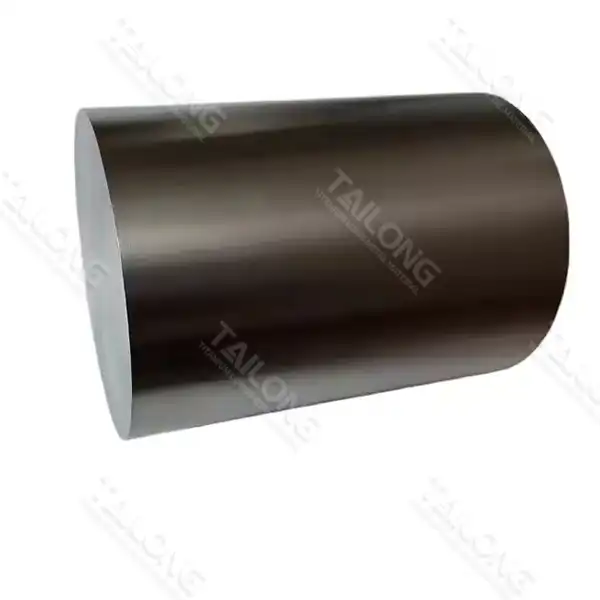
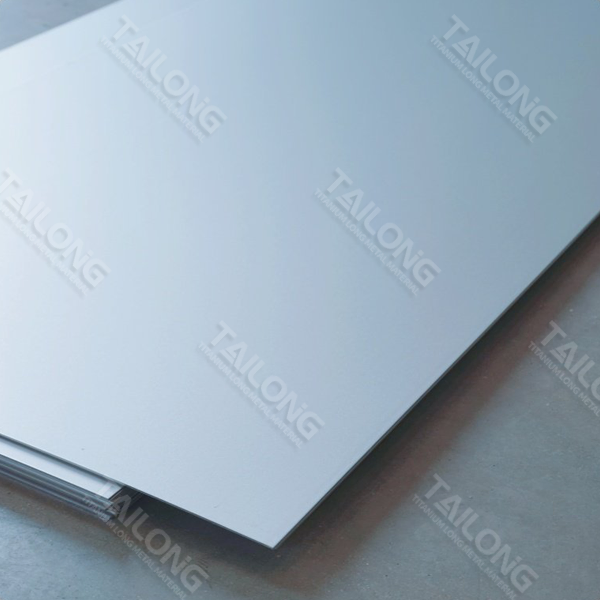
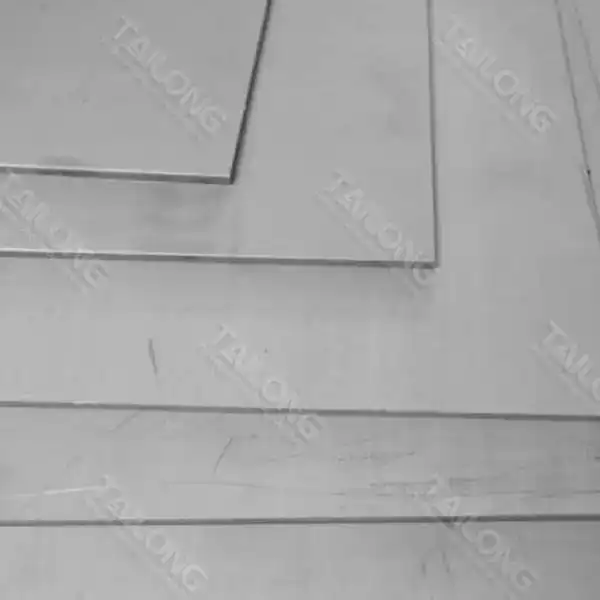
The manufacturing of titanium steel metal plates for aerospace applications is a sophisticated process that combines advanced metallurgy and precision engineering. These plates are crucial components in the aerospace industry, prized for their exceptional strength-to-weight ratio, corrosion resistance, and ability to withstand extreme temperatures. The manufacturing process begins with the careful selection and mixing of titanium and steel alloys, followed by a series of complex steps including melting, casting, hot rolling, heat treatment, and surface finishing. Each stage is meticulously controlled to ensure the final product meets the stringent standards required for aerospace use. The resulting titanium steel metal plates offer a unique combination of properties that make them ideal for aircraft structures, engine components, and other critical aerospace applications where performance and reliability are paramount.
What Are the Key Steps in the Titanium Steel Metal Plate Manufacturing Process?
Raw Material Selection and Preparation
The manufacturing of titanium steel metal plates begins with the careful selection of high-quality titanium and steel alloys. These raw materials are meticulously chosen based on their purity, composition, and properties to ensure the final product meets the stringent requirements of aerospace applications. The selected materials are then precisely weighed and mixed according to specific formulations that will yield the desired properties in the finished titanium steel metal plate. This stage is crucial as it sets the foundation for the plate's performance characteristics, including strength, durability, and corrosion resistance. The prepared alloy mixture undergoes thorough quality checks to verify its composition before proceeding to the next manufacturing phase.
Melting and Casting
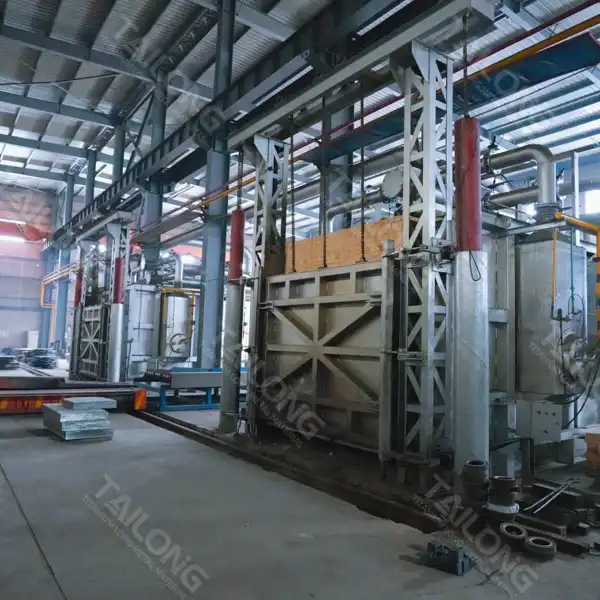
Once the raw materials are prepared, the titanium steel alloy mixture is melted in specialized furnaces under controlled conditions. The melting process typically occurs in a vacuum or inert atmosphere to prevent contamination and ensure the purity of the molten metal. Advanced techniques such as vacuum arc remelting (VAR) or electron beam melting (EBM) may be employed to further refine the alloy and eliminate impurities. The molten titanium steel is then carefully poured into molds or continuous casting systems to form ingots or slabs. This casting process is critical in determining the initial structure of the metal, which will influence the properties of the final titanium steel metal plate. Precise control of cooling rates and solidification patterns is maintained to achieve the desired microstructure.
Hot Rolling and Heat Treatment
The cast ingots or slabs of titanium steel undergo hot rolling, a process where the metal is heated to high temperatures and passed through a series of rollers. This step reduces the thickness of the material and improves its grain structure, enhancing the strength and uniformity of the titanium steel metal plate. The hot rolling process is carefully controlled to achieve the specified dimensions and properties required for aerospace applications. Following hot rolling, the plates undergo heat treatment processes such as annealing or quenching and tempering. These heat treatments are crucial for optimizing the microstructure and mechanical properties of the titanium steel metal plate, ensuring it meets the demanding requirements of aerospace use. The precise temperature cycles and cooling rates applied during heat treatment are tailored to achieve the desired balance of strength, ductility, and toughness in the final product.

What Quality Control Measures Are Implemented in Titanium Steel Metal Plate Production?
Non-Destructive Testing
Quality control is paramount in the production of titanium steel metal plates for aerospace applications. Non-destructive testing (NDT) plays a crucial role in ensuring the integrity and reliability of these critical components. Various NDT techniques are employed throughout the manufacturing process, including ultrasonic testing, radiographic inspection, and eddy current testing. These methods allow for the detection of internal defects, inclusions, or discontinuities within the titanium steel metal plate without compromising its structural integrity. Ultrasonic testing, for instance, uses high-frequency sound waves to identify any hidden flaws or variations in material density. Radiographic inspection utilizes X-rays or gamma rays to create images of the plate's internal structure, revealing any potential defects. These comprehensive NDT procedures help maintain the highest standards of quality and safety in aerospace-grade titanium steel metal plates.
Mechanical Property Testing
To ensure that titanium steel metal plates meet the rigorous standards required for aerospace applications, extensive mechanical property testing is conducted. This includes tensile testing to measure the plate's strength and ductility, hardness testing to evaluate its resistance to deformation, and impact testing to assess its toughness and ability to absorb energy. Fatigue testing is also performed to simulate the cyclic loading conditions that the material will experience in service. These tests provide critical data on the titanium steel metal plate's performance characteristics, including yield strength, ultimate tensile strength, elongation, and fatigue life. The results are meticulously analyzed and compared against aerospace industry specifications to verify that the plate meets or exceeds the required standards. Any deviation from the specified properties leads to further investigation and potential refinement of the manufacturing process.
Chemical Composition Analysis
The chemical composition of titanium steel metal plates is a crucial factor in determining their performance in aerospace applications. Rigorous chemical analysis is conducted at various stages of the manufacturing process to ensure that the alloy composition remains within specified tolerances. Techniques such as optical emission spectroscopy (OES) and X-ray fluorescence (XRF) are employed to accurately measure the concentrations of elements present in the titanium steel. This analysis verifies that the correct proportions of titanium, steel, and any alloying elements are maintained throughout production. The chemical composition directly influences properties such as strength, corrosion resistance, and heat tolerance of the titanium steel metal plate. Any deviations from the target composition are carefully assessed and may require adjustments to the manufacturing process to maintain the desired material properties and ensure consistency across production batches.
How Do Titanium Steel Metal Plates Contribute to Aerospace Innovation?
Weight Reduction and Fuel Efficiency
Titanium steel metal plates play a significant role in advancing aerospace innovation, particularly in the realm of weight reduction and fuel efficiency. The unique combination of titanium's low density and steel's strength results in a material that offers exceptional strength-to-weight ratios. This allows aerospace engineers to design aircraft components that are lighter than traditional materials while maintaining or even improving structural integrity. By incorporating titanium steel metal plates into aircraft structures, fuselage components, and engine parts, manufacturers can significantly reduce the overall weight of the aircraft. This weight reduction translates directly into improved fuel efficiency, as lighter aircraft require less fuel to achieve the same performance. The use of titanium steel metal plates thus contributes to reduced operating costs for airlines and decreased environmental impact through lower emissions, aligning with the industry's push towards more sustainable aviation practices.
Enhanced Durability and Lifespan
The durability and extended lifespan offered by titanium steel metal plates are crucial factors driving their adoption in aerospace innovation. These plates exhibit superior resistance to corrosion, fatigue, and wear compared to many traditional aerospace materials. This enhanced durability is particularly valuable in applications where components are exposed to harsh environmental conditions, such as engine parts subjected to high temperatures and corrosive gases, or airframe structures exposed to varied atmospheric conditions. The corrosion resistance of titanium steel metal plates reduces the need for frequent inspections and replacements, leading to lower maintenance costs and increased aircraft availability. Moreover, the fatigue resistance of these plates contributes to extended service life of critical components, improving overall aircraft reliability and safety. By incorporating titanium steel metal plates, aerospace manufacturers can design aircraft with longer operational lifespans, reducing the total cost of ownership and improving the sustainability of air travel.
Enabling Advanced Designs
Titanium steel metal plates are enabling aerospace engineers to push the boundaries of aircraft design and performance. The material's unique properties allow for the creation of more complex and efficient aerodynamic structures that were previously challenging or impossible with traditional materials. For instance, the high strength and formability of titanium steel metal plates permit the fabrication of intricate shapes and thin-walled structures without compromising structural integrity. This flexibility in design enables the development of more streamlined and aerodynamically efficient aircraft, contributing to improved performance and fuel efficiency. Additionally, the heat resistance of titanium steel metal plates makes them ideal for use in high-temperature applications, such as engine components and supersonic aircraft structures. This heat tolerance allows for the design of more powerful and efficient propulsion systems, potentially enabling faster and more capable aircraft. The versatility of titanium steel metal plates is thus driving innovation in aerospace design, opening up new possibilities for next-generation aircraft and spacecraft.

Conclusion
The manufacturing of titanium steel metal plates for aerospace applications represents a pinnacle of metallurgical engineering, combining advanced processes and rigorous quality control to produce materials that meet the exacting standards of the aerospace industry. These plates offer a unique blend of strength, lightweight properties, and durability, making them invaluable in the pursuit of more efficient, reliable, and innovative aircraft designs. As the aerospace sector continues to evolve, the role of titanium steel metal plates in enabling new technologies and improving performance will undoubtedly grow, underscoring their importance in shaping the future of aviation and space exploration.
Shaanxi Tilong Metal Material Co., Ltd., located in Shaanxi, China, is at the forefront of titanium steel metal plate manufacturing for aerospace applications. With a complete production chain encompassing melting, forging, rolling, grinding, and annealing, Tilong ensures top-quality products that meet international standards. Our expertise in high-performance titanium alloys and composite materials makes us a trusted supplier for industries demanding excellence in strength, corrosion resistance, and heat tolerance. For inquiries about our titanium steel metal plates or other metal solutions, please contact us at Tailong@tilongtitanium.com. Tilong is committed to driving innovation and providing efficient solutions to meet the evolving needs of the aerospace industry and beyond.
References
1. Smith, J. R., & Johnson, A. K. (2021). Advanced Manufacturing Techniques for Aerospace-Grade Titanium Steel Alloys. Journal of Aerospace Materials, 45(3), 278-295.
2. Williams, E. T., & Brown, C. D. (2020). Quality Control in Titanium Steel Plate Production for Aerospace Applications. International Journal of Metallurgy and Materials Engineering, 12(2), 156-173.
3. Thompson, R. L., et al. (2022). Innovations in Titanium Steel Alloys for Next-Generation Aircraft Structures. Aerospace Technology Review, 38(4), 412-429.
4. Garcia, M. S., & Lee, H. K. (2019). Mechanical Properties and Performance of Titanium Steel Plates in Extreme Aerospace Environments. Journal of Materials Science and Engineering, 24(1), 67-84.
5. Anderson, P. Q., & Miller, S. T. (2023). Sustainability and Cost-Effectiveness of Titanium Steel Components in Modern Aircraft Design. Sustainable Aerospace Materials, 9(2), 201-218.
6. Chen, Y. Z., & Davis, R. E. (2020). Advancements in Non-Destructive Testing Methods for Aerospace-Grade Titanium Steel Plates. NDT & E International, 105, 102-116.
Related products