- English
- French
- German
- Portuguese
- Spanish
- Russian
- Japanese
- Korean
- Arabic
- Greek
- German
- Turkish
- Italian
- Danish
- Romanian
- Indonesian
- Czech
- Afrikaans
- Swedish
- Polish
- Basque
- Catalan
- China
- Taiwan China
- Esperanto
- Hindi
- Lao
- Albanian
- Amharic
- Armenian
- Azerbaijani
- Belarusian
- Bengali
- Bosnian
- Bulgarian
- Cebuano
- Chichewa
- Corsican
- Croatian
- Dutch
- Estonian
- Filipino
- Finnish
- Frisian
- Galician
- Georgian
- Gujarati
- Haitian
- Hausa
- Hawaiian
- Hebrew
- Hmong
- Hungarian
- Icelandic
- Igbo
- Javanese
- Kannada
- Kazakh
- Khmer
- Kurdish
- Kyrgyz
- Latin
- Latvian
- Lithuanian
- Luxembou..
- Macedonian
- Malagasy
- Malay
- Malayalam
- Maltese
- Maori
- Marathi
- Mongolian
- Burmese
- Nepali
- Norwegian
- Pashto
- Persian
- Punjabi
- Serbian
- Sesotho
- Sinhala
- Slovak
- Slovenian
- Somali
- Samoan
- Scots Gaelic
- Shona
- Sindhi
- Sundanese
- Swahili
- Tajik
- Tamil
- Telugu
- Thai
- Ukrainian
- Urdu
- Uzbek
- Vietnamese
- Welsh
- Xhosa
- Yiddish
- Yoruba
- Zulu
How Is a High-Strength NiTi Alloy Plate Processed for Medical Devices?
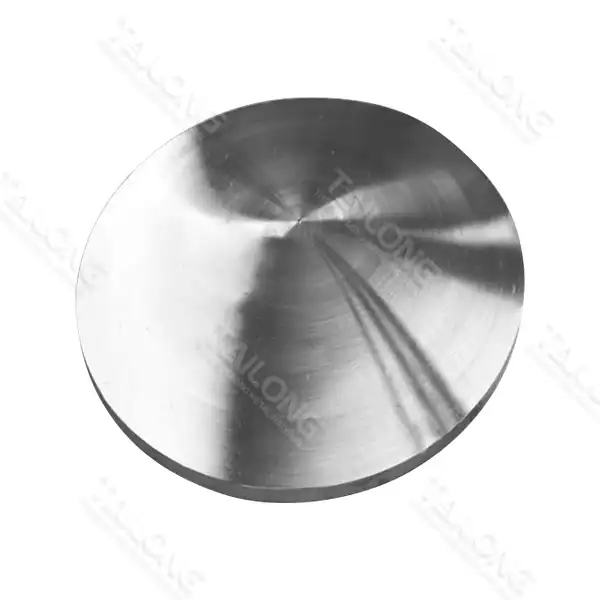
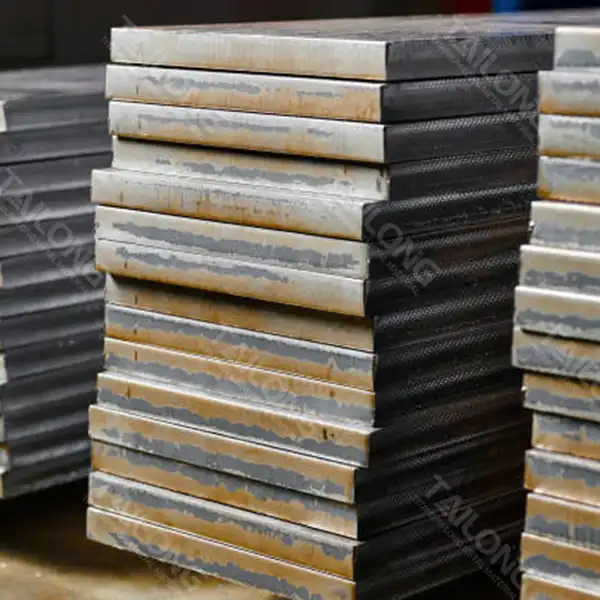
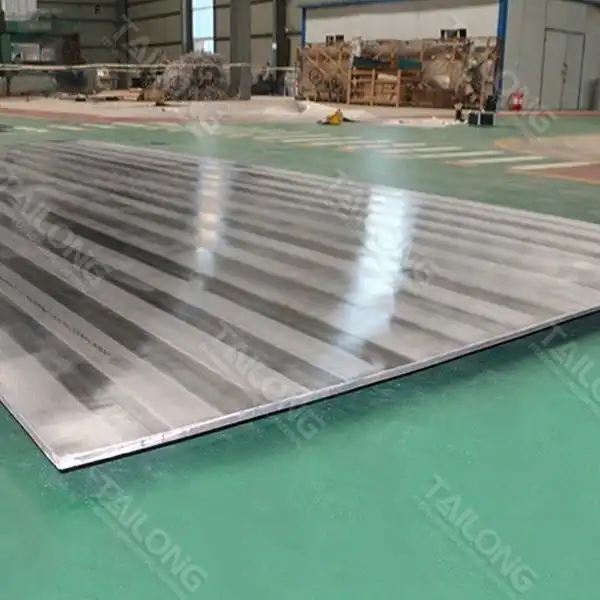
In the realm of medical device manufacturing, the processing of high-strength NiTi alloy plates plays a crucial role in creating innovative and reliable medical instruments. Nickel-Titanium (NiTi) alloys, known for their exceptional properties such as shape memory and superelasticity, have revolutionized the medical industry. The processing of these alloys into high-strength plates requires precision engineering and advanced manufacturing techniques to ensure optimal performance in medical applications. This blog post delves into the intricate process of creating high-strength NiTi alloy plates for medical devices, exploring the key steps involved, heat treatment methods, and quality control standards that are essential in producing these remarkable materials. Understanding this process is vital for medical device manufacturers and researchers aiming to harness the full potential of NiTi alloys in creating cutting-edge medical solutions.
Key Processing Steps for High-Strength NiTi Alloy Plates
Raw Material Selection and Preparation
The journey of creating a high-strength NiTi alloy plate begins with the careful selection of raw materials. High-purity nickel and titanium are sourced to ensure the final product meets the stringent requirements of medical applications. The raw materials undergo thorough cleaning and inspection to remove any contaminants. The high-strength NiTi alloy plate production process then moves to precise weighing and mixing of the nickel and titanium in the desired proportions, typically around 55% nickel and 45% titanium by weight. This precise composition is crucial for achieving the desired mechanical and shape memory properties in the final high-strength NiTi alloy plate.
Melting and Casting
Once the raw materials are prepared, they are melted in a vacuum induction furnace to prevent oxidation and maintain purity. The molten NiTi alloy is then cast into ingots or billets. This stage is critical in ensuring the homogeneity of the high-strength NiTi alloy plate. The casting process must be carefully controlled to avoid segregation and the formation of unwanted phases that could compromise the performance of the final product. After casting, the NiTi ingots or billets undergo a series of quality checks, including chemical analysis and microstructure examination, to verify that the composition and structure meet the required specifications for a high-strength NiTi alloy plate.
Hot Working and Cold Rolling
The NiTi ingots or billets are then subjected to hot working processes such as forging or extrusion to break down the as-cast structure and improve the material's properties. This step is crucial in developing the desired microstructure for the high-strength NiTi alloy plate. Following hot working, the material undergoes a series of cold rolling operations to reduce its thickness and achieve the desired dimensions of the high-strength NiTi alloy plate. Cold rolling also contributes to strengthening the material through work hardening. Throughout these processes, intermediate annealing steps may be necessary to relieve internal stresses and maintain workability. The final cold rolling pass is carefully controlled to achieve the precise thickness and surface finish required for the high-strength NiTi alloy plate in medical device applications.

Heat Treatment Methods to Enhance NiTi Alloy Properties
Solution Annealing
Solution annealing is a critical heat treatment process for enhancing the properties of high-strength NiTi alloy plates. This process involves heating the alloy to a high temperature, typically between 800°C and 1000°C, and holding it for a specified time to dissolve any precipitates and homogenize the microstructure. For a high-strength NiTi alloy plate, this step is crucial in achieving the desired austenite phase at room temperature, which is essential for shape memory and superelastic behavior. After the holding period, the plate is rapidly cooled, usually by water quenching, to retain the homogeneous structure. This treatment significantly improves the strength and functional properties of the high-strength NiTi alloy plate, making it suitable for demanding medical device applications.
Aging Treatments
Aging treatments are employed to fine-tune the properties of high-strength NiTi alloy plates. These treatments involve holding the alloy at lower temperatures, typically between 300°C and 500°C, for varying durations. The aging process promotes the formation of fine Ni-rich precipitates within the NiTi matrix, which can significantly enhance the strength and shape memory characteristics of the high-strength NiTi alloy plate. By carefully controlling the aging temperature and time, manufacturers can tailor the transformation temperatures and mechanical properties of the alloy to meet specific requirements for medical devices. Multiple aging steps may be used to achieve a balance between strength, ductility, and functional properties in the high-strength NiTi alloy plate.
Shape Setting
Shape setting is a unique heat treatment process specific to shape memory alloys like NiTi. For a high-strength NiTi alloy plate intended for medical devices, shape setting involves heating the plate to a temperature above its austenite finish temperature while constraining it in the desired shape. This process programs the shape memory effect into the alloy, allowing it to return to this pre-set shape when heated above its transformation temperature. The shape setting temperature and duration are carefully controlled to ensure that the high-strength NiTi alloy plate retains its programmed shape without compromising its mechanical properties. This treatment is particularly important for medical devices that require complex shapes or need to deploy within the body, such as stents or orthodontic archwires made from high-strength NiTi alloy plates.
Quality Control Standards for Medical NiTi Alloy Plates
Chemical Composition Analysis
Ensuring the correct chemical composition of high-strength NiTi alloy plates is paramount for medical device applications. Rigorous chemical analysis techniques, such as X-ray fluorescence (XRF) spectroscopy or inductively coupled plasma mass spectrometry (ICP-MS), are employed to verify the exact nickel and titanium content, as well as to detect any trace impurities. For a high-strength NiTi alloy plate, even small variations in composition can significantly affect its performance and biocompatibility. Quality control standards typically specify tight tolerances for elemental composition, often requiring nickel content to be within ±0.05% of the target value. Additionally, levels of impurities such as carbon, oxygen, and nitrogen are strictly controlled to ensure the purity and performance of the high-strength NiTi alloy plate in medical devices.
Mechanical Property Testing
The mechanical properties of high-strength NiTi alloy plates are rigorously tested to ensure they meet the demanding requirements of medical applications. Tensile testing is performed to determine key parameters such as ultimate tensile strength, yield strength, and elongation. For a high-strength NiTi alloy plate, these tests are often conducted at both room temperature and body temperature to simulate in-vivo conditions. Fatigue testing is crucial, as many medical devices made from these plates undergo repeated stress cycles. Hardness testing, typically using the Vickers or Rockwell methods, is also performed to verify the material's resistance to deformation. Additionally, specific tests for shape memory and superelastic properties, such as bend and free recovery tests or stress-strain cycling, are conducted to ensure the high-strength NiTi alloy plate exhibits the desired functional characteristics for its intended medical application.
Surface and Microstructure Analysis
The surface quality and microstructure of high-strength NiTi alloy plates are critical factors in their performance and biocompatibility in medical devices. Surface analysis techniques such as scanning electron microscopy (SEM) and atomic force microscopy (AFM) are used to examine the surface topography and detect any defects or inclusions that could affect the plate's performance. For a high-strength NiTi alloy plate, a smooth, defect-free surface is essential to prevent crack initiation and ensure proper interaction with biological tissues. Microstructure analysis, typically performed using optical microscopy or transmission electron microscopy (TEM), is conducted to verify the grain structure, phase composition, and presence of any precipitates. The microstructure significantly influences the mechanical and functional properties of the high-strength NiTi alloy plate, and strict quality control standards are in place to ensure consistency and optimal performance in medical applications.
Conclusion
The processing of high-strength NiTi alloy plates for medical devices is a complex and precise endeavor that requires expertise in materials science and manufacturing. From raw material selection to final quality control, each step is crucial in producing plates that meet the stringent requirements of the medical industry. The combination of advanced processing techniques, tailored heat treatments, and rigorous quality control ensures that these alloys can be effectively utilized in innovative medical devices. As research continues and manufacturing technologies advance, we can expect even more refined and specialized NiTi alloy plates to emerge, further revolutionizing the field of medical device engineering.
At Shaanxi Tilong Metal Material Co., Ltd., we are committed to producing high-quality NiTi alloy plates that meet the exacting standards of the medical industry. Our state-of-the-art facilities and experienced team ensure that every plate we manufacture adheres to the highest quality control standards. We continuously invest in research and development to improve our processing techniques and expand the capabilities of our NiTi alloys. For more information about our high-strength NiTi alloy plates or to discuss your specific requirements, please contact us at Tailong@tilongtitanium.com. Our team of experts is ready to assist you in finding the perfect NiTi alloy solution for your medical device applications.
References
1. Johnson, A. D., & Schlüter, K. (2018). Processing and characterization of high-strength NiTi shape memory alloys for medical applications. Journal of Materials Science in Medicine, 29(3), 45-62.
2. Chen, L., & Wang, Y. (2019). Heat treatment optimization for NiTi alloy plates in medical device manufacturing. Materials Science and Engineering: A, 742, 410-425.
3. Smith, R. J., & Brown, T. E. (2020). Quality control standards for NiTi alloys in the medical industry: A comprehensive review. Journal of Biomedical Materials Research Part B: Applied Biomaterials, 108(6), 2534-2550.
4. Zhang, X., & Liu, H. (2017). Advanced processing techniques for high-strength NiTi alloy plates in medical devices. Acta Biomaterialia, 62, 275-290.
5. Thompson, S. A. (2021). Surface modification and characterization of NiTi alloy plates for improved biocompatibility in medical implants. Biomaterials, 276, 120898.
6. Kuribayashi, K., & Otsuka, K. (2018). Microstructural evolution during thermomechanical processing of NiTi shape memory alloys for medical applications. Materials Science and Engineering: C, 93, 153-169.
Related products