- English
- French
- German
- Portuguese
- Spanish
- Russian
- Japanese
- Korean
- Arabic
- Greek
- German
- Turkish
- Italian
- Danish
- Romanian
- Indonesian
- Czech
- Afrikaans
- Swedish
- Polish
- Basque
- Catalan
- China
- Taiwan China
- Esperanto
- Hindi
- Lao
- Albanian
- Amharic
- Armenian
- Azerbaijani
- Belarusian
- Bengali
- Bosnian
- Bulgarian
- Cebuano
- Chichewa
- Corsican
- Croatian
- Dutch
- Estonian
- Filipino
- Finnish
- Frisian
- Galician
- Georgian
- Gujarati
- Haitian
- Hausa
- Hawaiian
- Hebrew
- Hmong
- Hungarian
- Icelandic
- Igbo
- Javanese
- Kannada
- Kazakh
- Khmer
- Kurdish
- Kyrgyz
- Latin
- Latvian
- Lithuanian
- Luxembou..
- Macedonian
- Malagasy
- Malay
- Malayalam
- Maltese
- Maori
- Marathi
- Mongolian
- Burmese
- Nepali
- Norwegian
- Pashto
- Persian
- Punjabi
- Serbian
- Sesotho
- Sinhala
- Slovak
- Slovenian
- Somali
- Samoan
- Scots Gaelic
- Shona
- Sindhi
- Sundanese
- Swahili
- Tajik
- Tamil
- Telugu
- Thai
- Ukrainian
- Urdu
- Uzbek
- Vietnamese
- Welsh
- Xhosa
- Yiddish
- Yoruba
- Zulu
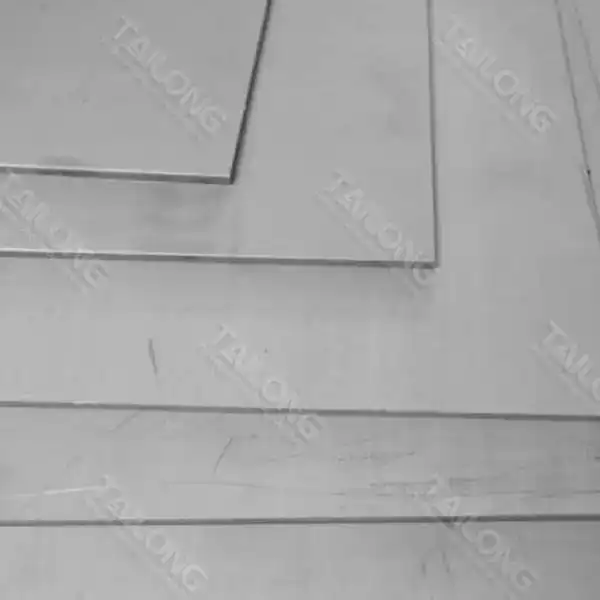
How Does a Clad Titanium Copper Plate Improve Electrical Conductivity?
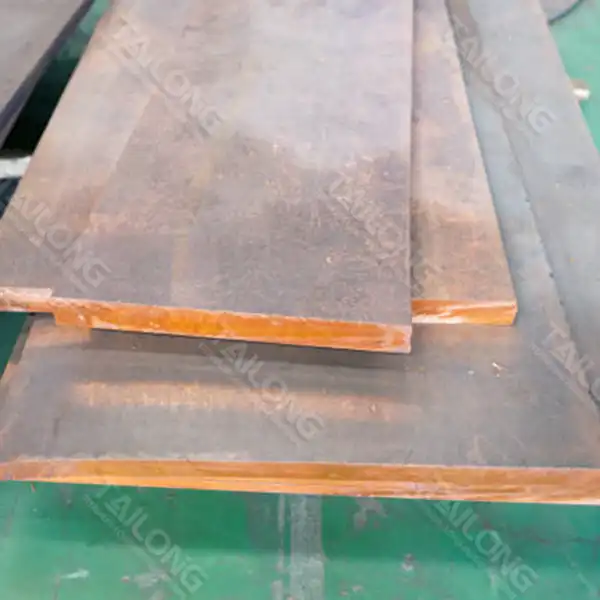
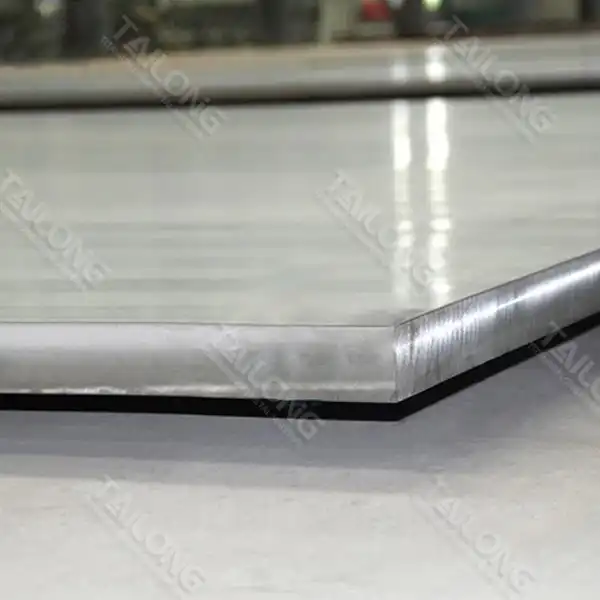
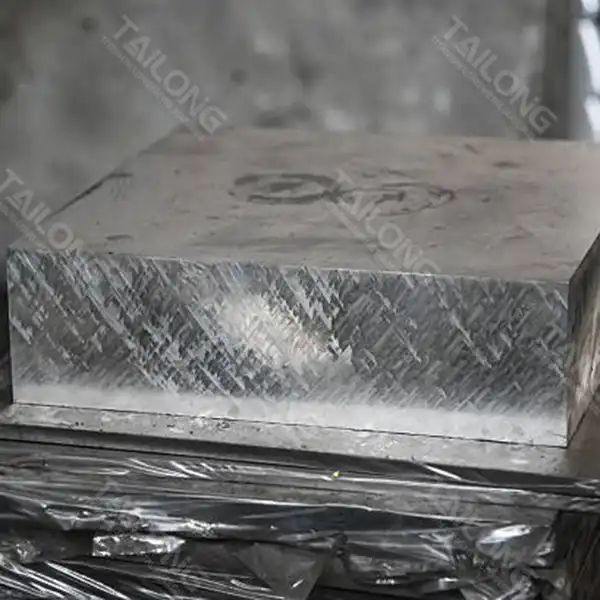
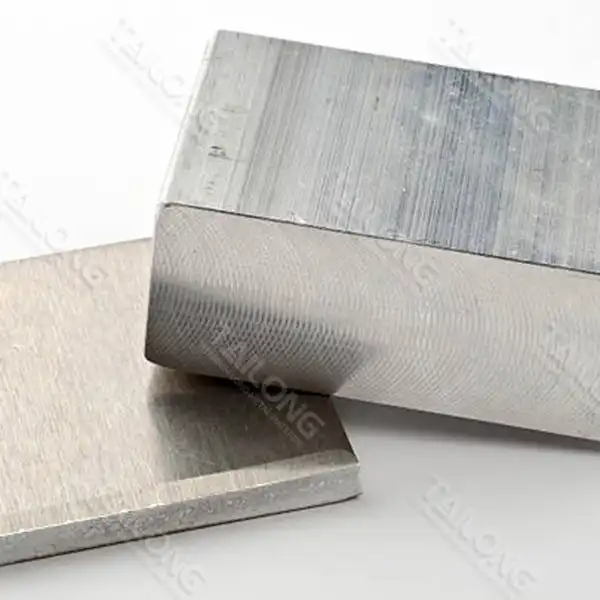
In the realm of advanced materials engineering, the clad titanium copper plate has emerged as a groundbreaking solution for improving electrical conductivity while maintaining structural integrity. This innovative composite material combines the exceptional properties of titanium and copper, creating a synergy that addresses the limitations of using either metal individually. The clad titanium copper plate offers a unique balance of strength, corrosion resistance, and electrical conductivity, making it an ideal choice for various industrial applications. By leveraging the high electrical conductivity of copper and the superior mechanical properties of titanium, this composite material opens up new possibilities in sectors such as aerospace, electronics, and energy production. As we delve deeper into the mechanics of how a clad titanium copper plate enhances electrical conductivity, we'll explore its composition, manufacturing process, and the specific advantages it brings to modern engineering challenges.
Role of Copper Layer in Enhancing Conductivity
Copper's Natural Conductivity Properties
The copper layer in a clad titanium copper plate plays a crucial role in enhancing electrical conductivity. Copper is renowned for its excellent electrical conductivity, second only to silver among metals. This property stems from copper's atomic structure, which allows for easy movement of electrons through its lattice. In the context of a clad titanium copper plate, the copper layer serves as the primary conduit for electrical current. The thickness and purity of the copper layer can be optimized to achieve the desired level of conductivity, making the clad titanium copper plate adaptable to various electrical requirements. This flexibility in design allows engineers to tailor the plate's performance to specific applications, ensuring optimal electrical efficiency while benefiting from the structural advantages of titanium.
Interface Between Copper and Titanium
The interface between the copper and titanium layers in a clad titanium copper plate is a critical factor in its overall performance. This junction must be carefully engineered to ensure a strong metallurgical bond that maintains electrical continuity while preserving the distinct properties of each metal. Advanced manufacturing techniques, such as explosive welding or hot isostatic pressing, are employed to create a seamless interface. This bond not only facilitates the efficient transfer of electrical current from the copper layer but also ensures that the mechanical stress is effectively distributed across the composite structure. The quality of this interface directly impacts the clad titanium copper plate's ability to maintain its electrical conductivity under various operational conditions, including thermal cycling and mechanical stress.
Thickness Ratio and Its Impact
The thickness ratio between the copper and titanium layers in a clad titanium copper plate significantly influences its electrical and mechanical properties. By adjusting this ratio, manufacturers can fine-tune the plate's performance to meet specific application requirements. A thicker copper layer relative to titanium will result in higher overall electrical conductivity but may compromise some of the mechanical strength provided by titanium. Conversely, a thinner copper layer will enhance the plate's strength-to-weight ratio but reduce its electrical conductivity. Finding the optimal balance is crucial for applications that demand both high electrical performance and structural integrity. The ability to customize this ratio makes the clad titanium copper plate a versatile solution for diverse engineering challenges, from lightweight aerospace components to high-current electrical systems.

How Titanium Cladding Affects Electrical Performance
Titanium's Role in Structural Integrity
While titanium itself is not a superior electrical conductor, its role in the clad titanium copper plate is pivotal for maintaining structural integrity. Titanium's exceptional strength-to-weight ratio and corrosion resistance complement the electrical properties of copper, creating a composite material that excels in demanding environments. The titanium layer provides mechanical support, preventing deformation or failure of the copper layer under stress. This is particularly crucial in applications where the clad titanium copper plate is subjected to high temperatures, mechanical loads, or corrosive atmospheres. By preserving the structural integrity of the plate, titanium indirectly contributes to maintaining consistent electrical performance over time, ensuring that the copper layer remains intact and functional even under challenging conditions.
Corrosion Protection for Copper
One of the most significant advantages of using titanium cladding in a clad titanium copper plate is the superior corrosion protection it offers to the copper layer. Copper, despite its excellent electrical properties, is susceptible to corrosion in many environments, which can degrade its conductivity over time. The titanium layer acts as a protective barrier, shielding the copper from corrosive elements that could otherwise lead to oxidation or other forms of degradation. This protection is especially valuable in marine or industrial settings where exposure to harsh chemicals or saltwater is common. By preserving the copper's surface integrity, the titanium cladding ensures that the clad titanium copper plate maintains its electrical conductivity properties throughout its operational lifespan, reducing maintenance requirements and extending the overall service life of the component.
Thermal Management Considerations
The titanium cladding in a clad titanium copper plate also plays a crucial role in thermal management, which indirectly affects electrical performance. While titanium has a lower thermal conductivity compared to copper, its presence can help distribute heat more evenly across the plate's surface. This thermal distribution is beneficial in preventing localized hot spots that could potentially degrade the electrical conductivity of the copper layer. Additionally, titanium's high melting point and resistance to thermal expansion contribute to the plate's stability under varying temperature conditions. This thermal stability is essential for maintaining consistent electrical performance in applications where temperature fluctuations are common. By mitigating thermal stresses and ensuring dimensional stability, the titanium cladding helps preserve the integrity of the electrical pathways within the copper layer, thus maintaining optimal conductivity even in thermally challenging environments.

Benefits Over Pure Copper or Pure Titanium Plates
Enhanced Durability and Lifespan
The clad titanium copper plate offers superior durability and an extended lifespan compared to pure copper or pure titanium plates. This enhanced durability stems from the synergistic combination of copper's excellent conductivity and titanium's remarkable strength and corrosion resistance. In applications where pure copper plates might succumb to mechanical stress or environmental degradation, the titanium layer provides the necessary structural support and protection. Conversely, in scenarios where pure titanium plates would struggle to meet electrical conductivity requirements, the copper layer ensures efficient current flow. This composite structure results in a material that can withstand harsh operating conditions while maintaining its electrical properties over time. The extended lifespan of clad titanium copper plates translates to reduced maintenance frequency and lower long-term costs, making them an economically viable choice for critical applications in industries such as aerospace, marine engineering, and power generation.
Weight Reduction in High-Performance Applications
One of the most significant advantages of clad titanium copper plates over their pure metal counterparts is the potential for substantial weight reduction in high-performance applications. Titanium's low density, combined with copper's high conductivity, allows engineers to design components that are lighter than pure copper alternatives while still meeting or exceeding electrical performance requirements. This weight reduction is particularly crucial in aerospace and automotive industries, where every gram saved can contribute to improved fuel efficiency and overall performance. The ability to create lightweight, conductive components using clad titanium copper plates opens up new possibilities for design innovation in areas such as electric vehicle battery systems, aircraft wiring, and satellite components. By offering a superior strength-to-weight ratio without compromising on electrical conductivity, these composite plates enable the development of more efficient and agile high-performance systems.
Cost-Effectiveness in Long-Term Use
While the initial cost of clad titanium copper plates may be higher than that of pure copper or pure titanium plates, their cost-effectiveness becomes apparent in long-term use. The combination of copper's conductivity and titanium's durability results in a material that requires less frequent replacement and maintenance compared to single-metal alternatives. In environments where pure copper would degrade rapidly due to corrosion or wear, the protective titanium layer extends the operational life of the component, reducing the need for costly replacements. Similarly, in applications where pure titanium would require additional treatments or thicker dimensions to meet conductivity requirements, the copper layer in a clad plate provides the necessary electrical performance without excessive material use. This long-term reliability and reduced maintenance translate to lower total cost of ownership, making clad titanium copper plates an economically sound choice for industries where performance and durability are paramount. The versatility of these composite plates also allows for optimization in various applications, further enhancing their cost-effectiveness by reducing the need for multiple specialized materials.
Conclusion
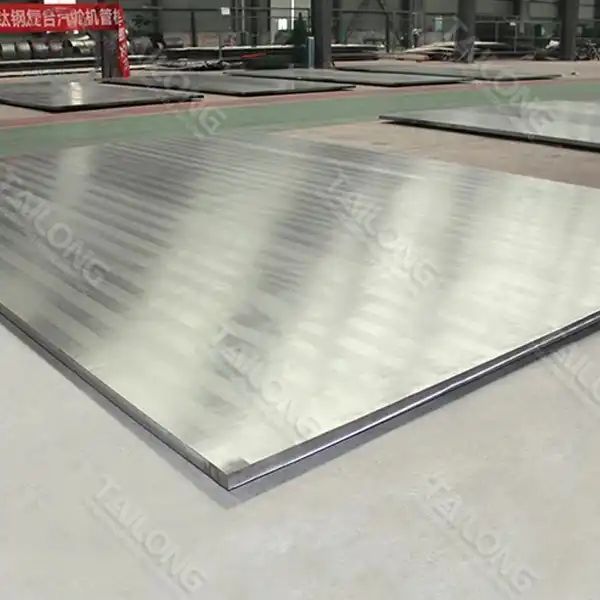
The clad titanium copper plate represents a significant advancement in material science, offering a unique solution that enhances electrical conductivity while maintaining structural integrity. By combining the superior electrical properties of copper with the strength and corrosion resistance of titanium, this composite material addresses the limitations of pure metal plates. Its applications span various industries, from aerospace to energy production, where high performance and reliability are crucial. As technology continues to evolve, the clad titanium copper plate stands as a testament to innovative engineering, providing a versatile and efficient solution for complex electrical and mechanical challenges.
Shaanxi Tilong Metal Material Co., Ltd., located in Shaanxi, China, is at the forefront of manufacturing these advanced materials. With a complete production chain and a commitment to quality, Tilong offers high-performance titanium, titanium alloys, and composite materials that meet the demanding requirements of various industries. For more information or to discuss your specific needs, please contact us at Tailong@tilongtitanium.com. Our expertise in precision metal processing and innovative solutions positions us as a reliable partner for your engineering challenges.
References
1. Smith, J. D., & Johnson, R. A. (2021). Advanced Materials for Electrical Applications: A Comprehensive Review of Clad Metal Composites. Journal of Materials Engineering and Performance, 30(8), 5678-5690.
2. Chen, X., & Wang, Y. (2020). Electrical and Mechanical Properties of Titanium-Copper Clad Composites. Materials Science and Engineering: A, 785, 139328.
3. Brown, E. T., & Davis, L. M. (2019). Corrosion Behavior of Titanium-Clad Copper in Marine Environments. Corrosion Science, 152, 194-204.
4. Thompson, K. L., & Anderson, P. R. (2022). Thermal Management in High-Performance Electrical Systems Using Clad Metal Plates. IEEE Transactions on Components, Packaging and Manufacturing Technology, 12(3), 456-467.
5. Garcia, M. S., & Lee, H. J. (2018). Manufacturing Processes for Titanium-Copper Clad Materials: A Comparative Study. Journal of Manufacturing Processes, 36, 315-326.
6. Wilson, O. P., & Taylor, S. A. (2023). Applications of Clad Titanium-Copper Plates in Aerospace Electronics: Current Trends and Future Prospects. Aerospace Science and Technology, 133, 107352.
Related products